
A 3,000-Year-Old Warhorse Burial and a Ramses II Tablet, Among Other Relics, Have Been Discovered in an Ancient Egyptian Fortress
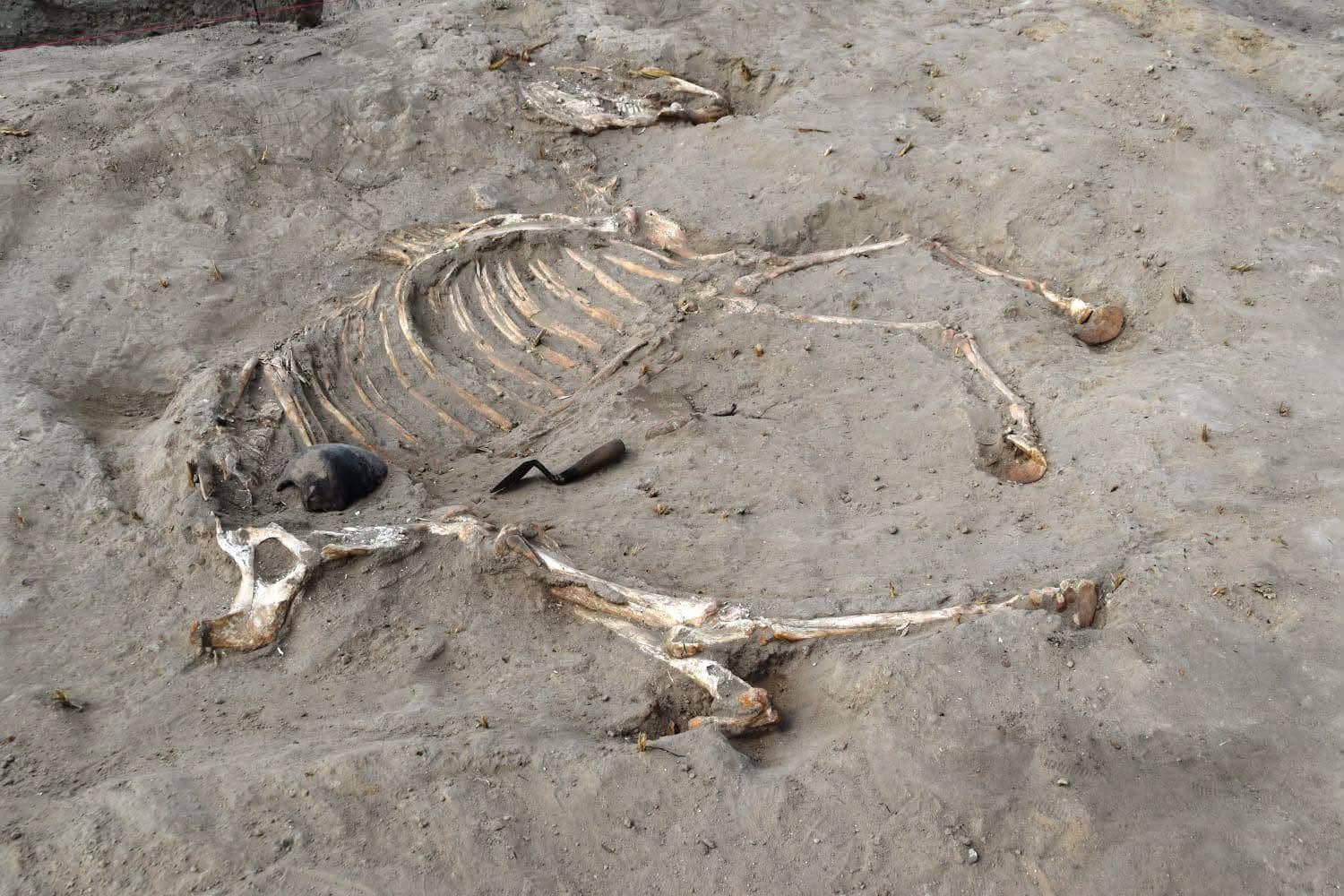
Archaeologists excavating an ancient defensive complex in Egypt’s Nile Delta have uncovered a burial believed to belong to a military horse, a tablet connected with Ramses II and a range of objects that point to life beyond the fortress walls. The finds come from Al-Abqaa’, also known as Tell Al-Abqain, where work is offering a fuller picture of how people lived and served in a frontier stronghold roughly three millennia ago.
Egypt’s Ministry of Tourism and Antiquities has described the discoveries as part of continuing work at a fort that only came to light in 2024. Located in today’s Beheira governorate, the complex sits within the broader Tell Al-Abqain archaeological area. Its position in the delta made it important to Egypt’s western frontier, where defenses were intended to guard against forces approaching from neighboring territories.
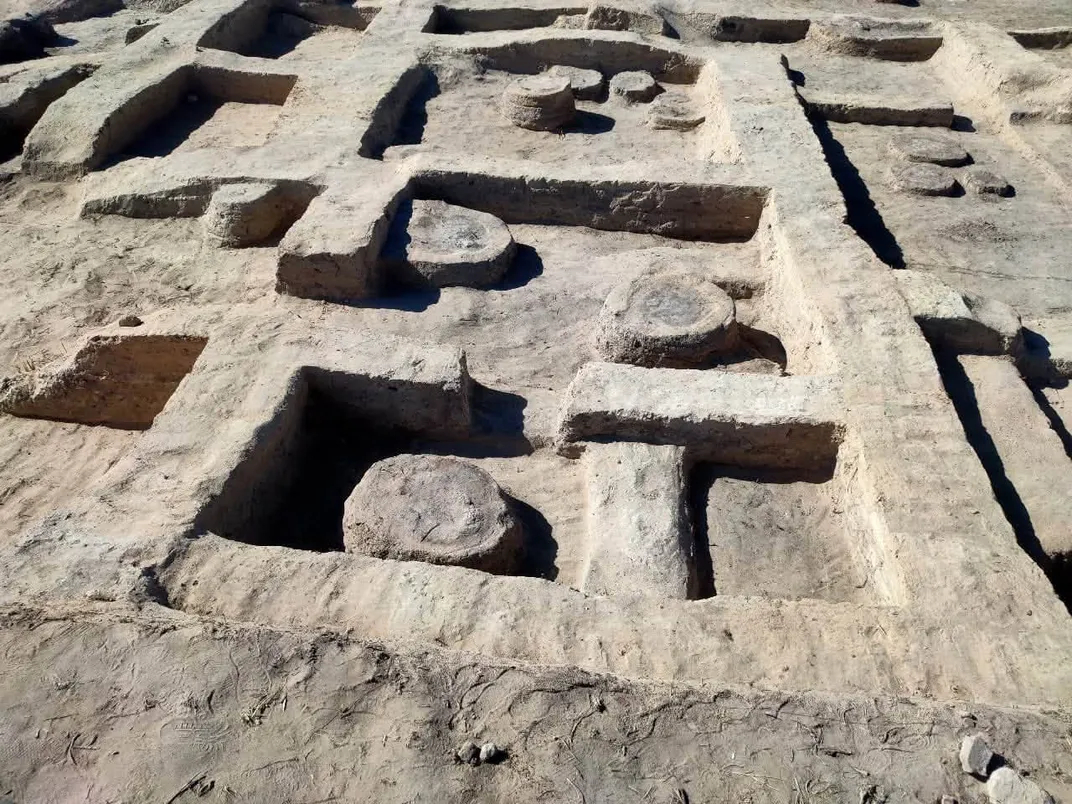
The excavated remains show that the site was not simply a military outpost occupied by soldiers on watch. Researchers have identified structures made from mudbrick, along with wells, storage installations for grain, routes through the settlement and ovens used for preparing pottery or food-related work. Together, those features suggest a place organized for sustained occupation rather than a temporary defensive camp.
That combination of fortification and domestic infrastructure is central to the significance of the excavation. A border installation could have been built to meet external threats, yet it also needed water, food storage, housing and working spaces for the people who maintained it. The physical layout at Tell Al-Abqain indicates that military duties and ordinary household routines likely existed side by side within the same protected landscape.
Among the most striking finds is the skeleton of a horse estimated to be about 3,000 years old. Archaeologists believe the animal may have been used in combat before its burial. The discovery gives the site an unusually direct connection to the practical demands of warfare, while also raising questions that future study may address: how the horse was cared for, why it was buried there and what its remains can reveal about the garrison that used the fortress.
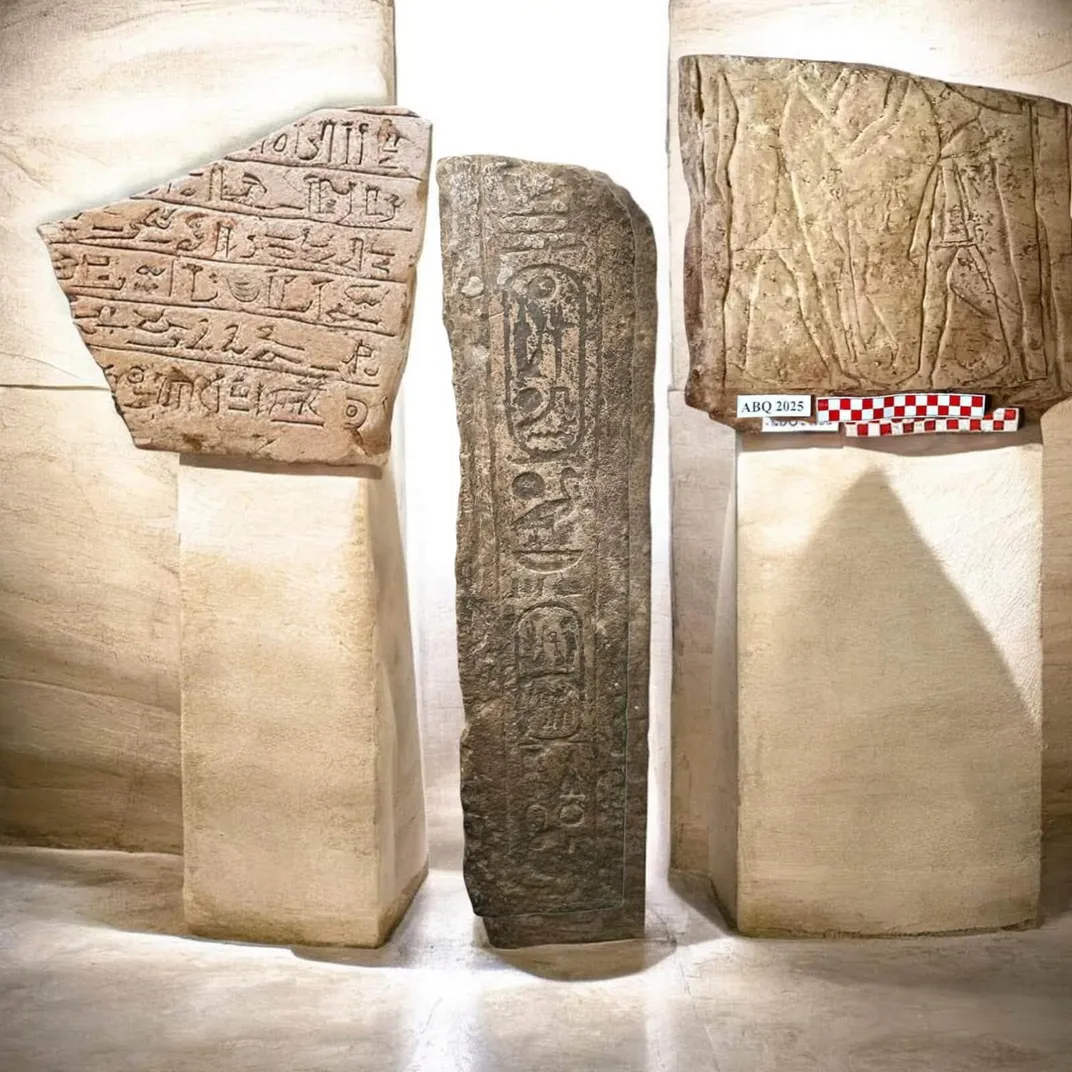
A tablet associated with Ramses II adds another important thread to the excavation. Ramses II was one of ancient Egypt’s best-known rulers, and the tablet links the site to the political world of royal authority as well as daily life at a frontier settlement. The reported find does not, by itself, explain every aspect of the fortress’s history, but it strengthens the case that the complex belonged within a wider state system rather than operating in isolation.
The settlement dates to Egypt’s New Kingdom, the period spanning approximately 1570 B.C.E. to 1069 B.C.E. This era saw Egypt maintain major military and administrative networks, making frontier locations especially valuable to researchers studying how the kingdom projected security beyond its core centers. Tell Al-Abqain provides evidence that these systems depended not only on defenses, but also on communities capable of supporting them over time.
Still, the discoveries should be read as early evidence from an archaeological project that is continuing to develop. Mudbrick architecture, animal remains and small objects can reveal different parts of a site’s history, but their meaning depends on excavation context and later analysis. The horse’s possible military role, for example, is an interpretation rather than a complete account of its life, while the tablet may require further study to clarify its precise place in the fortress’s story.
Further work at Tell Al-Abqain may help establish how long the settlement remained active, how its residents were connected to the surrounding delta and whether additional finds can refine the relationship between the fortress and Egypt’s western defenses. For now, the emerging record presents a more human view of a place built for protection: a community with supplies, water, work areas, animals and links to royal power, preserved beneath the delta landscape for thousands of years.
Source: Smithsonian Magazine
Related articles
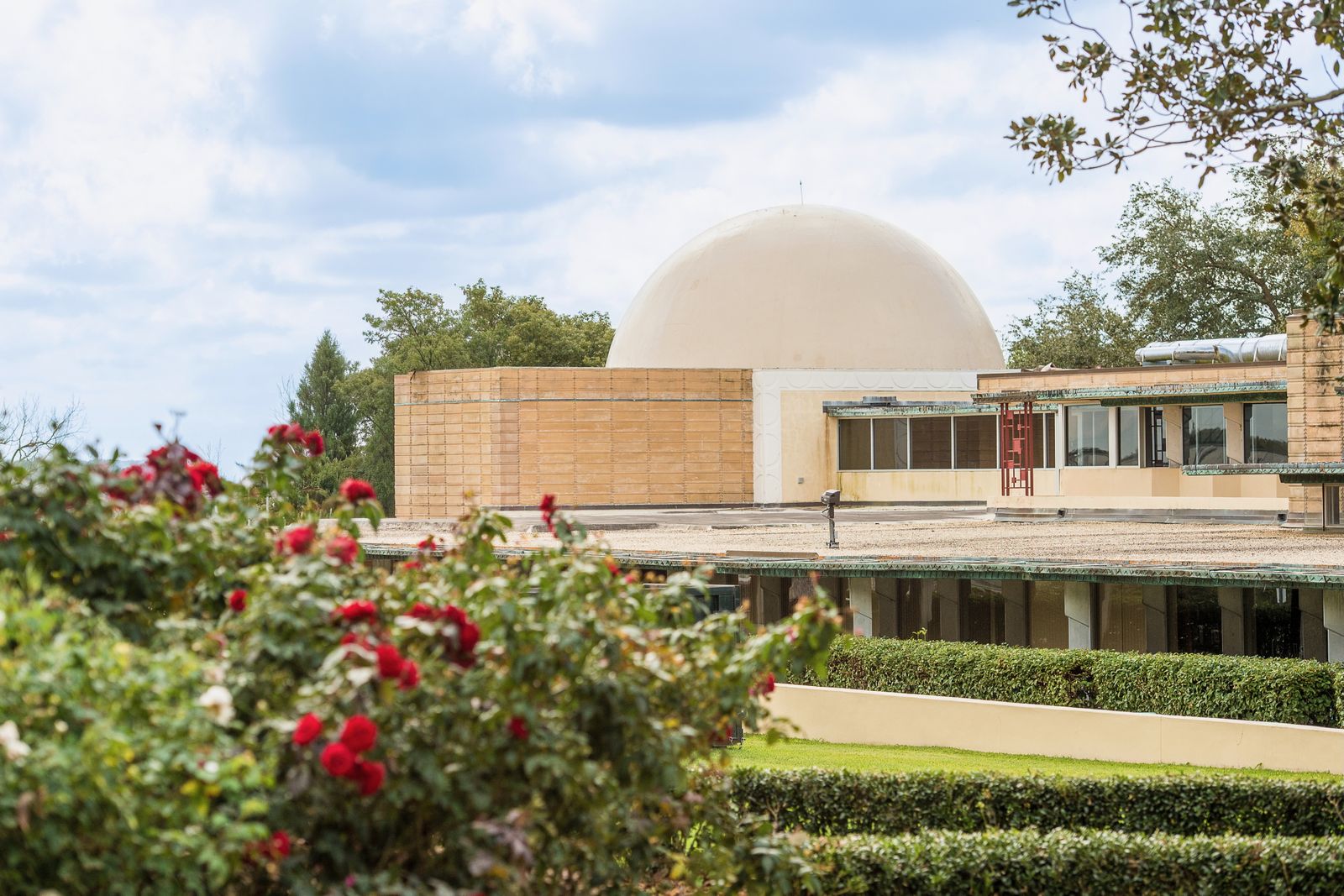
Immerse Yourself in the Cosmos at Frank Lloyd Wright's Only Planetarium, Recently Restored to Its Former Glory in Florida
Completed in 1958, the domed building is located on the campus of Florida Southern College, home to 13 Wright-designed buildings, the world's largest single-site collection of the architect's work

Play Tractor online with friends — free
Real-time Sheng Ji / Tractor for 3–5 players, with complete bidding and trump rules across web, iOS and Android.
Play bidfive →
A Team of Astronomers Thinks They Have Identified the Exact Night Sky That Inspired Vincent van Gogh's 'Starry Night.' Not Everyone Is Convinced
Very few night skies seen from the south of France during the summer of 1889 would match the scene on van Gogh's canvas. A new study argues that it could have been July 22

'Pretty Boy' Floyd, One of the Most Notorious Outlaws of the Great Depression, Was Shot and Killed in an FBI Raid 92 Years Ago
Some Americans lauded the 30-year-old bank robber as a Robin Hood-esque folk hero. Others castigated him as a violent criminal whose misdeeds were emblematic of the troubled era

GTA 6 guides, updates and practical reference
Explore a Chinese GTA 6 guide library covering the release, map, characters, missions, vehicles and weapons.
Browse guides →
Create AI images with your own API key
aixipi runs on desktop/web, uses your own model API balance, and avoids subscription lock-in.
Try aixipi →