
'Pretty Boy' Floyd, One of the Most Notorious Outlaws of the Great Depression, Was Shot and Killed in an FBI Raid 92 Years Ago
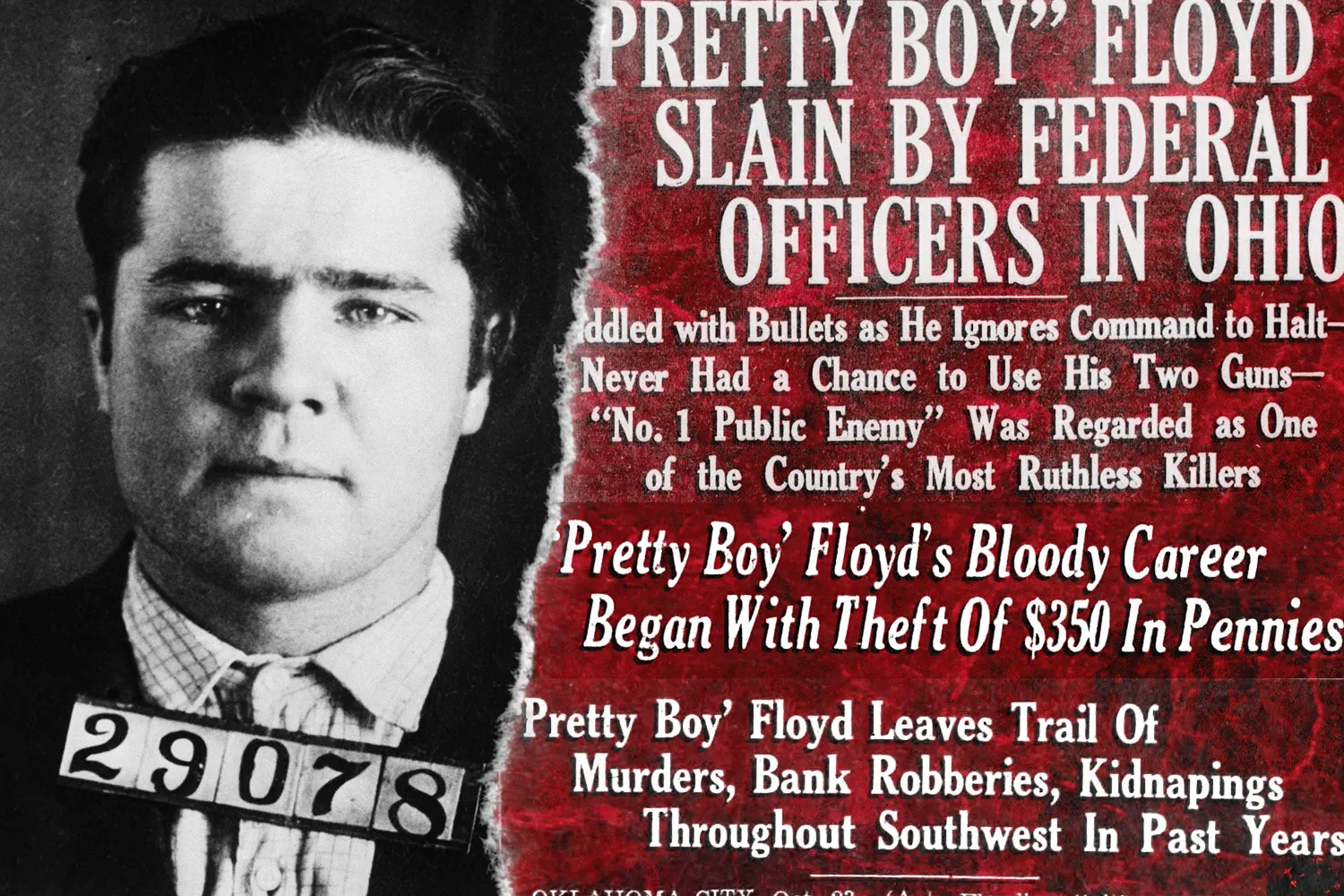
Charles Arthur “Pretty Boy” Floyd, one of the most recognizable American outlaws of the Depression years, died after federal agents and local officers cornered him in rural Ohio on October 22, 1934. The 30-year-old bank robber had fled through a cornfield after a pursuit, but was wounded and unable to escape. By the time officers reached him, the man known nationally as Public Enemy No. 1 was dead.
His killing ended a criminal career that had made Floyd a fixture of newspaper coverage during a period of economic collapse, widespread distrust of banks and intense public attention on gangsters. His name circulated alongside those of Bonnie and Clyde, John Dillinger and George “Machine Gun” Kelly. Yet Floyd’s reputation was never settled: to some, he was an outlaw who preyed on institutions already resented by struggling communities; to others, he was a dangerous criminal linked to deadly violence.
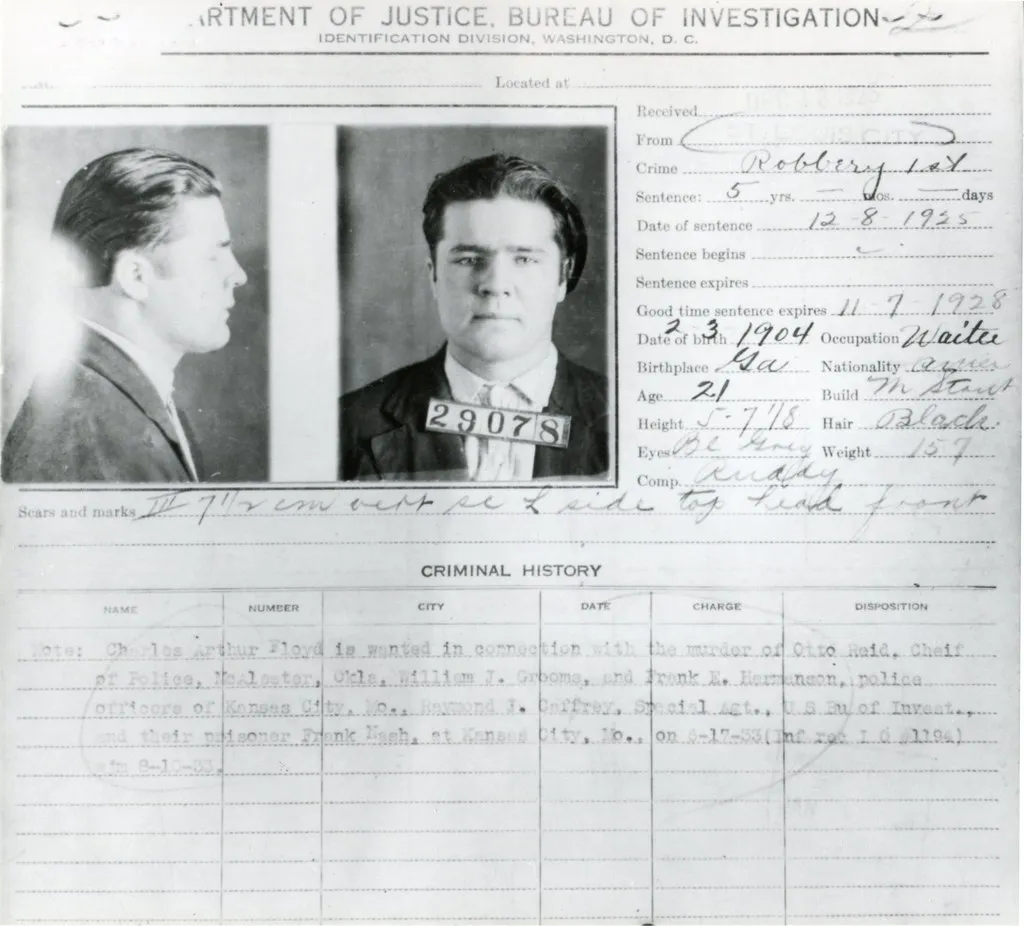
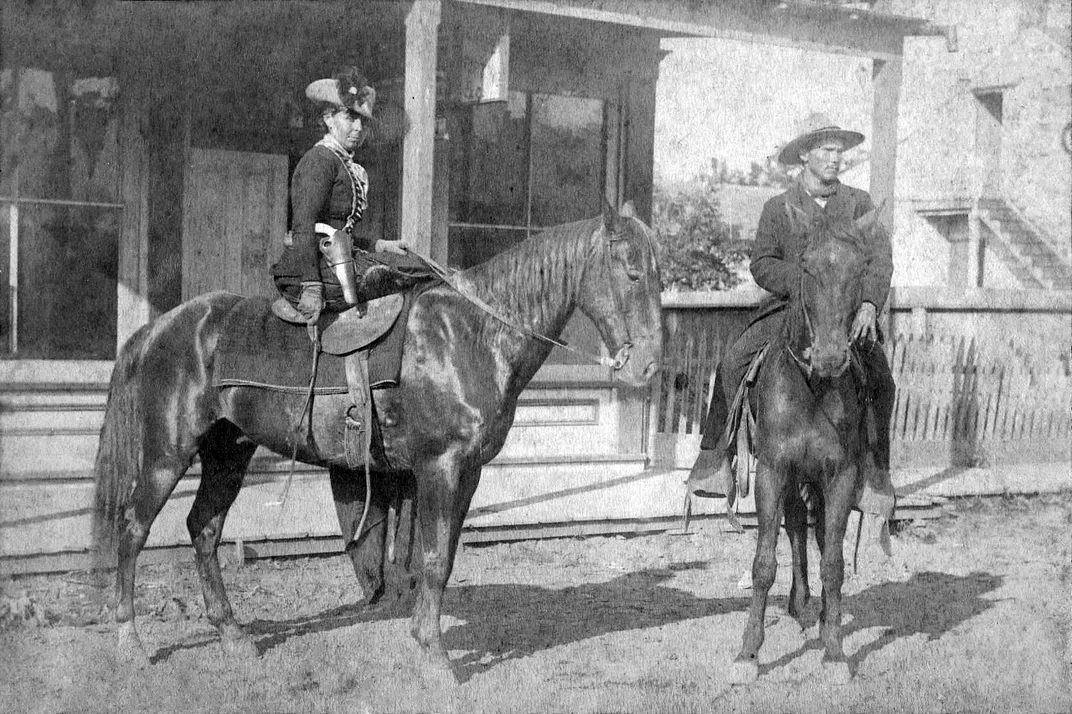
Floyd was born in Georgia in 1904 and moved with his family to rural Oklahoma while still young. The region’s difficult agricultural economy, uneven development and tradition of outlaw folklore formed part of the world in which he grew up. Oklahoma’s Cookson Hills, where the family settled, had long been associated with fugitives and criminal legends. Stories about figures such as Jesse James and Belle Starr were part of the cultural backdrop.
His path into crime began with minor trouble as a teenager and later escalated. In 1925, Floyd and two accomplices robbed grocery-company couriers in St. Louis, taking close to $12,000. He served roughly three and a half years of a five-year prison term before parole. After leaving prison in 1929, he entered Kansas City’s criminal underworld and was connected to robberies at more than 30 banks across several Midwestern states.
Law enforcement at the time was fragmented, with federal, state and local agencies often operating separately. That made it difficult to build cases against mobile criminals who crossed jurisdictional lines. Floyd became a frequent suspect, though historians caution that not every crime assigned to him was necessarily his. The nickname “Pretty Boy,” reportedly given by a Kansas City girlfriend, helped turn him into a national media character despite his dislike of the label.
Stories from Oklahoma also built a competing image of Floyd. Some residents recalled feeding or sheltering him and later finding money left behind. Another enduring account held that he destroyed mortgage documents during bank robberies. Those claims helped cast him as a Depression-era Robin Hood, especially among people who regarded banks and government institutions with suspicion. But the charitable stories remain difficult to verify and should not obscure the robberies, shootings and deaths associated with his career.
Floyd’s conflict with federal authorities intensified after a 1931 shootout involving Prohibition agents and Kansas City police, in which federal agent Curtis Burks was killed. The following years brought even greater scrutiny after the 1933 Kansas City Union Station massacre. The FBI maintained that Floyd participated in the attack that killed four officers and prisoner Frank Nash. Researchers have disputed whether he was present, citing conflicting witness accounts and evidence that raised questions about the official case.
After Dillinger was killed in 1934, Floyd inherited the Public Enemy No. 1 designation and faced an expanding federal manhunt. That October, he and associate Adam Richetti were traveling through Ohio with two women when their Ford crashed in heavy fog. Richetti was captured after a confrontation with local authorities, while Floyd escaped into the countryside. Agents led by Melvin Purvis located him at a farm, where he ran into a pasture before being fatally shot.
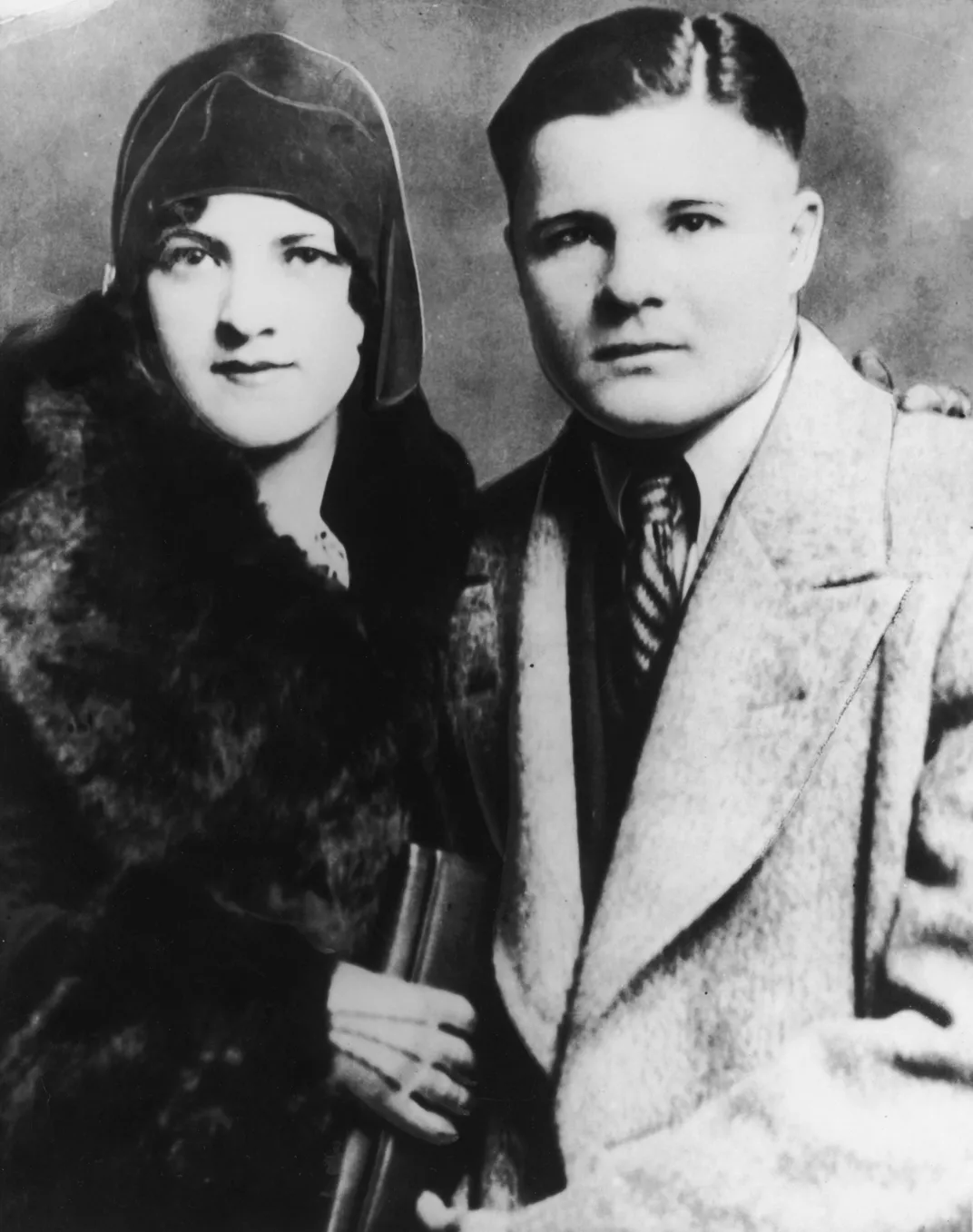
The circumstances of Floyd’s final minutes have remained contested. The FBI said he was shot after refusing to stop fleeing. In 1979, local police captain Chester Smith offered a different account, saying Floyd had first been wounded and was later shot after being incapacitated; the bureau rejected that version. Floyd’s funeral reportedly drew tens of thousands of people in Oklahoma, and his story later entered American culture through works including John Steinbeck’s The Grapes of Wrath and Woody Guthrie’s song “Pretty Boy Floyd.” His legacy remains a reminder of how crime, economic desperation, folklore and federal power became intertwined during the Great Depression.
Source: Smithsonian Magazine
Related articles

Immerse Yourself in the Cosmos at Frank Lloyd Wright's Only Planetarium, Recently Restored to Its Former Glory in Florida
Completed in 1958, the domed building is located on the campus of Florida Southern College, home to 13 Wright-designed buildings, the world's largest single-site collection of the architect's work

Play Tractor online with friends — free
Real-time Sheng Ji / Tractor for 3–5 players, with complete bidding and trump rules across web, iOS and Android.
Play bidfive →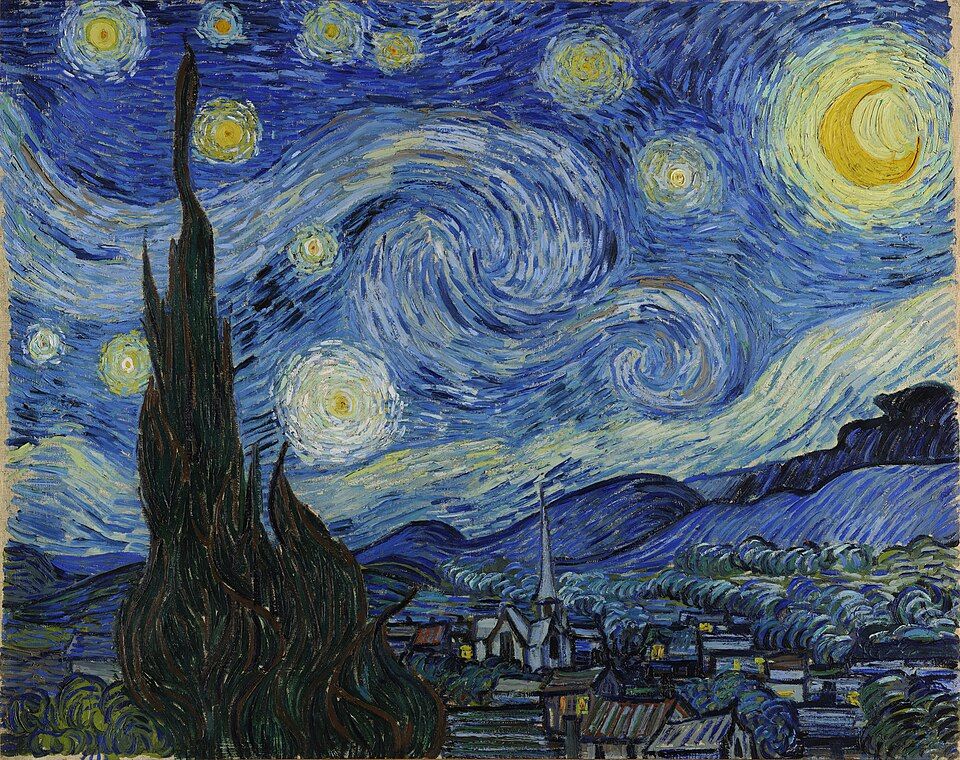
A Team of Astronomers Thinks They Have Identified the Exact Night Sky That Inspired Vincent van Gogh's 'Starry Night.' Not Everyone Is Convinced
Very few night skies seen from the south of France during the summer of 1889 would match the scene on van Gogh's canvas. A new study argues that it could have been July 22

The Canadian Artist Jean Paul Riopelle Was 'Completely Absorbed by the Act of Painting.' His Abstract Works Finally Have Their Own Home in a Quebec Museum
Home to the world’s largest public collection of his artworks, a new pavilion at Quebec's Musée National des Beaux-Arts showcases the more than 50-year career of Riopelle, who was a key member of the avant-garde Automatistes movement

GTA 6 guides, updates and practical reference
Explore a Chinese GTA 6 guide library covering the release, map, characters, missions, vehicles and weapons.
Browse guides →
Create AI images with your own API key
aixipi runs on desktop/web, uses your own model API balance, and avoids subscription lock-in.
Try aixipi →