
A Community-Led Archaeology Dig on a Tiny Scottish Isle Has Unearthed a Medieval Monastery of 'International Importance'
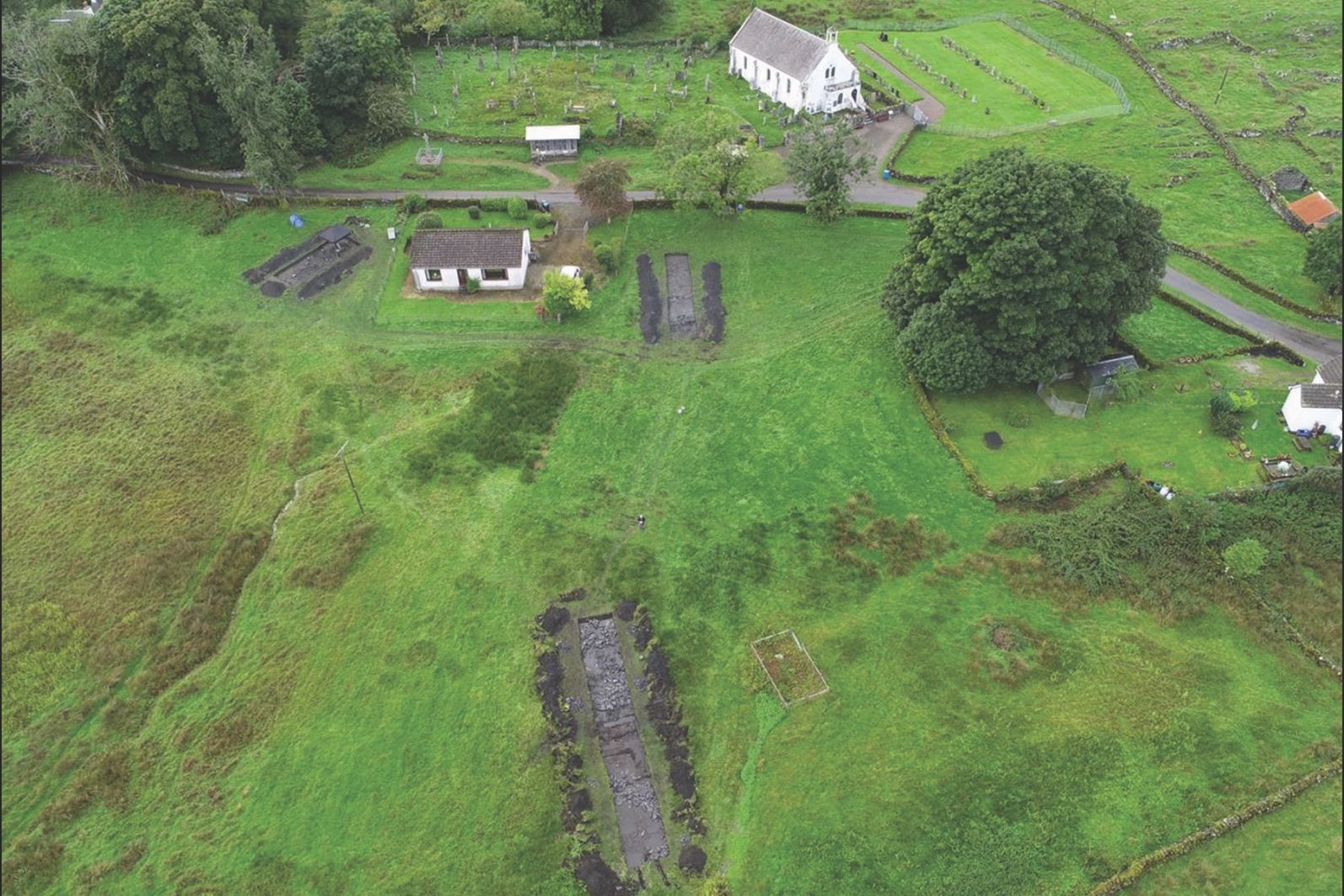
A volunteer-powered excavation on the Scottish island of Lismore has brought physical evidence of a major early medieval monastic community into view, reshaping the picture of a religious site long better known through documents and island memory. Researchers say the discoveries indicate that the settlement associated with the saint Mo Luóc was not simply an isolated church, but a place where worship, skilled production and learning were closely connected.
The findings were presented last week in Antiquity, following work near Lismore’s parish church, a building dating to the 13th century that continues to host services. Archaeologist Clare Ellis of Argyll Archaeology led the fieldwork with local volunteers. Their work identified an early medieval burial ground, the remains of multiple buildings and evidence for advanced craft activity.
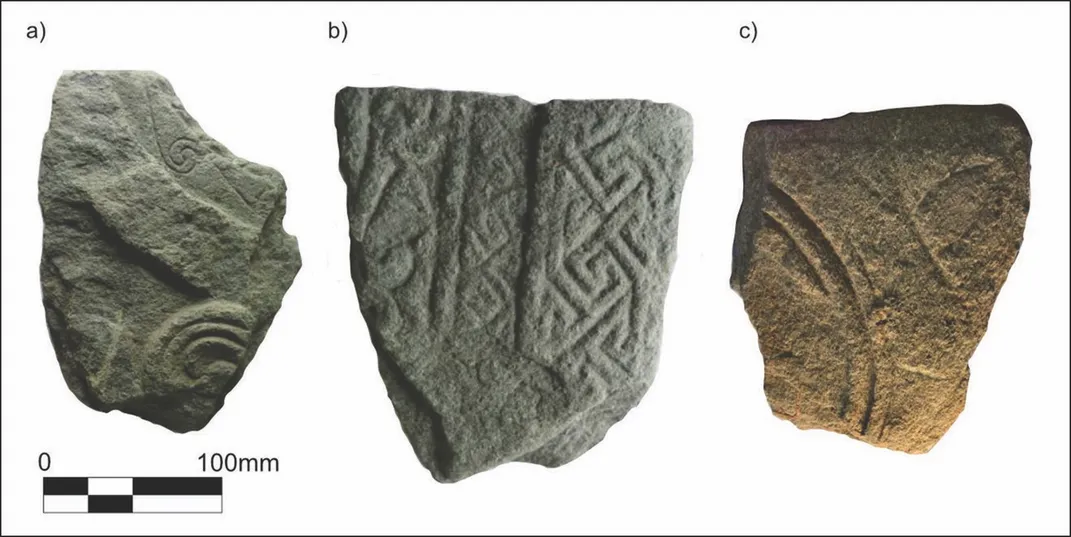
That combination has given the project significance beyond the island’s small scale. The researchers describe the craftworking as internationally important, a characterization that suggests Lismore belonged in wider networks rather than functioning only as a remote local foundation. Exactly how those connections operated remains a question for further study, but the material record now gives archaeologists evidence that written accounts alone could not provide.
Mo Luóc is traditionally associated with the monastery’s foundation in the sixth century. Until recently, the community’s early phase survived chiefly in historical references and local tradition, leaving its location and scale uncertain. The newly reported cemetery and structures offer a clearer archaeological basis for examining the settlement that developed around that legacy.
Gordon Noble, an archaeologist at the University of Aberdeen and a co-author of the study, said the results portray a busy religious center rather than a minor outpost. In a university statement, he said its standing may have compared with that of some of early medieval Britain’s more familiar monasteries. The conclusion does not mean every part of the monastery has been mapped; it reflects the weight of the evidence recovered so far.
The route to the discovery was itself unusual. Lismore Historical Society began trying to locate Mo Luóc’s monastery in 2016. On an island with roughly 170 residents, a committed group of locals organized and financed the search through crowdfunding. Donations and grants, followed by additional public fundraising, made it possible to bring Ellis in to direct excavation work close to the later parish church.
That local role matters because archaeology of this kind often depends on sustained attention before a professional dig begins. Residents supplied the effort and financial backing to pursue a site embedded in their own landscape and traditions. The published study places the resulting evidence in a broader scholarly setting, connecting community initiative with research on the spread and organization of Christianity in Britain’s early medieval period.
The discoveries also prompt a reassessment of Lismore’s possible influence during the Christianization of Britain. A foundation begun in the 500s may have had a more substantial part in that process than earlier interpretations allowed, according to the project’s account. The new evidence supports a larger role, but it also opens questions: the extent of the settlement, the chronology of its buildings and the full reach of its craft production will require continued investigation.
For now, the work has moved the monastery from a story preserved principally in texts into a site with excavated traces. The proximity of the medieval parish church provides a visible reminder that religious life continued on the same island long after the early monastery’s founding. Future analysis of the burials, buildings and workshop evidence will determine how far Lismore’s place can be defined within the religious and cultural world of early medieval Britain.
Source: Smithsonian Magazine
Related articles

Immerse Yourself in the Cosmos at Frank Lloyd Wright's Only Planetarium, Recently Restored to Its Former Glory in Florida
Completed in 1958, the domed building is located on the campus of Florida Southern College, home to 13 Wright-designed buildings, the world's largest single-site collection of the architect's work

Play Tractor online with friends — free
Real-time Sheng Ji / Tractor for 3–5 players, with complete bidding and trump rules across web, iOS and Android.
Play bidfive →
A Team of Astronomers Thinks They Have Identified the Exact Night Sky That Inspired Vincent van Gogh's 'Starry Night.' Not Everyone Is Convinced
Very few night skies seen from the south of France during the summer of 1889 would match the scene on van Gogh's canvas. A new study argues that it could have been July 22

'Pretty Boy' Floyd, One of the Most Notorious Outlaws of the Great Depression, Was Shot and Killed in an FBI Raid 92 Years Ago
Some Americans lauded the 30-year-old bank robber as a Robin Hood-esque folk hero. Others castigated him as a violent criminal whose misdeeds were emblematic of the troubled era

GTA 6 guides, updates and practical reference
Explore a Chinese GTA 6 guide library covering the release, map, characters, missions, vehicles and weapons.
Browse guides →
Create AI images with your own API key
aixipi runs on desktop/web, uses your own model API balance, and avoids subscription lock-in.
Try aixipi →