
A Family of Barn Owls Has Moved Into New York City's Upper West Side, Perhaps the First to Nest in Manhattan in Modern History
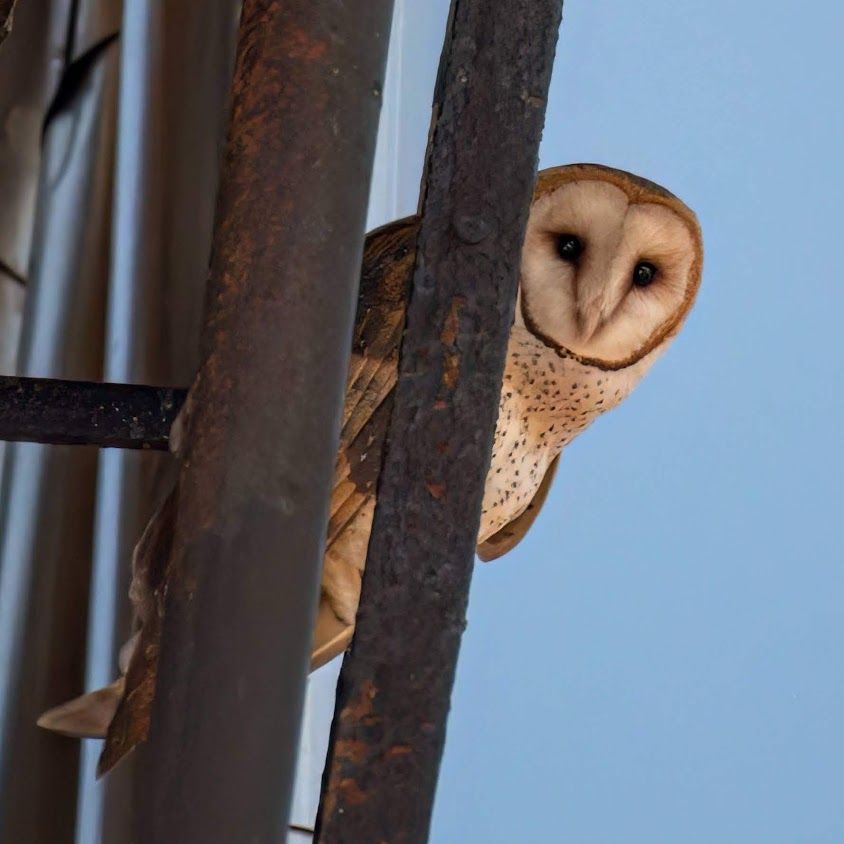
New York City has a new household of unlikely celebrities: a family of barn owls occupying a water tower on the Upper West Side. The birds, active after dark, have turned an otherwise ordinary rooftop structure into a focal point for people hoping to see one of the city’s rarest avian visitors. Their appearance has prompted nighttime gatherings of birdwatchers in a neighborhood better known for apartment buildings, traffic and busy sidewalks than for nesting barn owls.
The development carries significance beyond the novelty of a wildlife sighting. Specialists say the family may represent the first barn owls documented nesting in Manhattan in modern times. That assessment makes the water-tower nest a notable event for the borough and for those who follow the changing fortunes of birds in the city. A species that is seldom encountered locally has not merely passed through; it appears to have established a place to raise young.
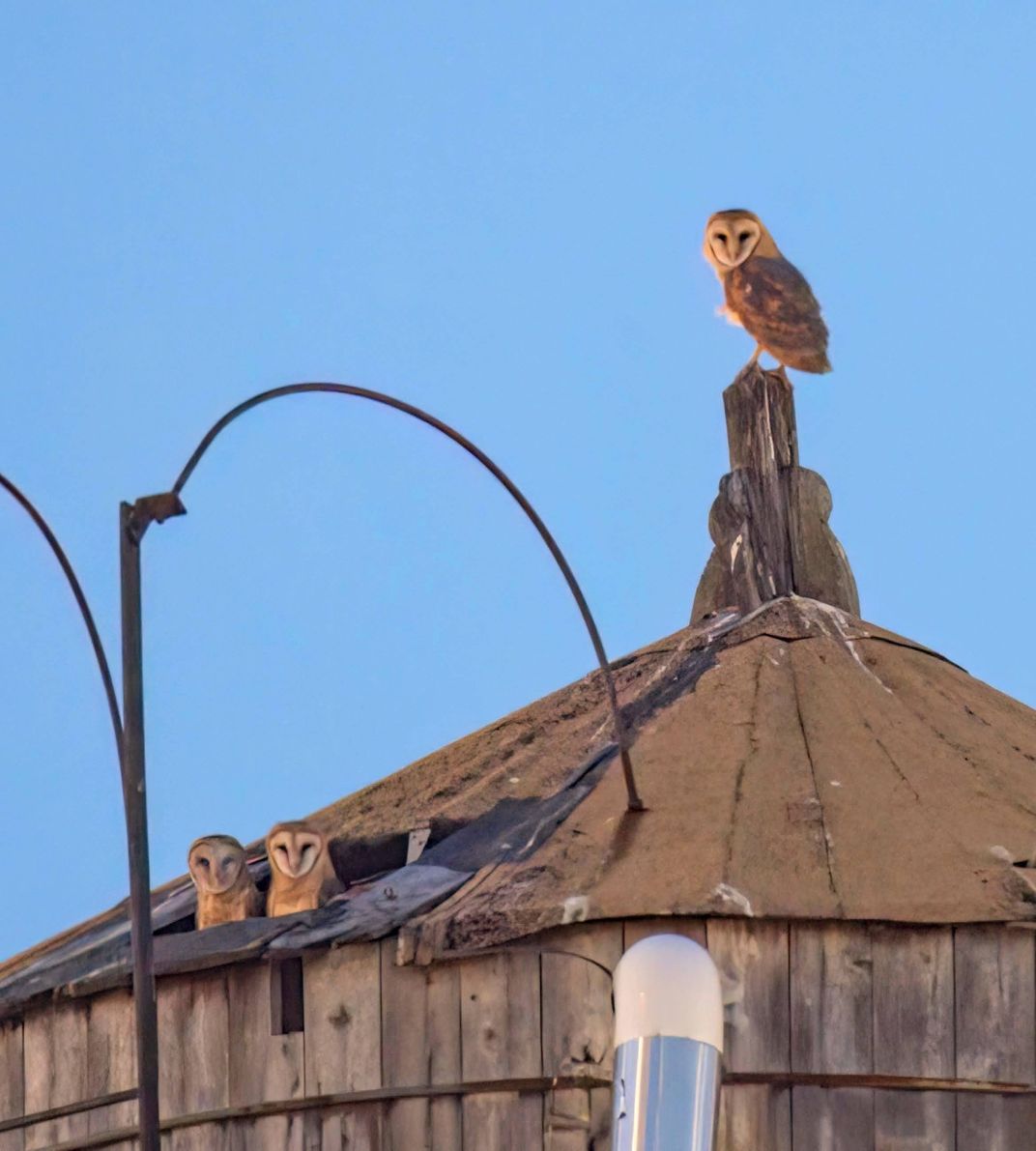
People have been arriving after nightfall to look for the birds, whose habits make them harder to observe than daytime species. Reports shared by the Central Park birding community helped draw attention to the owls’ presence. The resulting interest reflects both the scarcity of barn owl encounters in New York City and the unusual setting: a working piece of urban infrastructure high above one of the nation’s densest residential areas.
Jessica Wilson, executive director of the NYC Bird Alliance, described the nest to CBS News New York as “really exciting.” The reaction from bird advocates is tied to the location as much as to the species. A nest in the center of the country’s largest city offers a striking example of wildlife persisting amid an intensely built environment, while also giving observers a reason to pay closer attention to what can exist beyond street level.
The sighting arrives against a more troubling backdrop. Experts say barn owl numbers in New York have fallen sharply over recent decades. In that context, the Upper West Side family is welcome news, but it does not by itself establish a turnaround for the species. One nest is a meaningful record and a moment of public interest; it is not a complete picture of the population’s broader condition.
That distinction is likely to shape how the episode is understood. For residents and visitors, the owls offer a rare chance to encounter a species that many city dwellers may never have seen. For bird organizations and specialists, the nest is also an observation with potential value: it adds to what is known about where the birds can be found and may encourage attention to future sightings. The strongest conclusion for now is narrower, but still remarkable—barn owls have chosen a Manhattan rooftop as a home.
The family’s arrival also changes the meaning of the water tower for those watching from below. Structures usually treated as part of the city’s familiar skyline have become, at least temporarily, part of an unfolding wildlife story. The response has been driven by the possibility of a brief glimpse rather than a guarantee; nocturnal birds do not perform on a schedule, and the nest’s prominence does not make the animals easy to see.
What happens next will matter as much as the initial discovery. Continued observations could clarify whether the adults remain at the site and whether the nesting effort becomes a one-time occurrence or a sign that suitable places can be found elsewhere in Manhattan. Until then, the family has already supplied a rare reminder that even in the city’s most crowded neighborhoods, an unexpected corner of the skyline can become habitat.
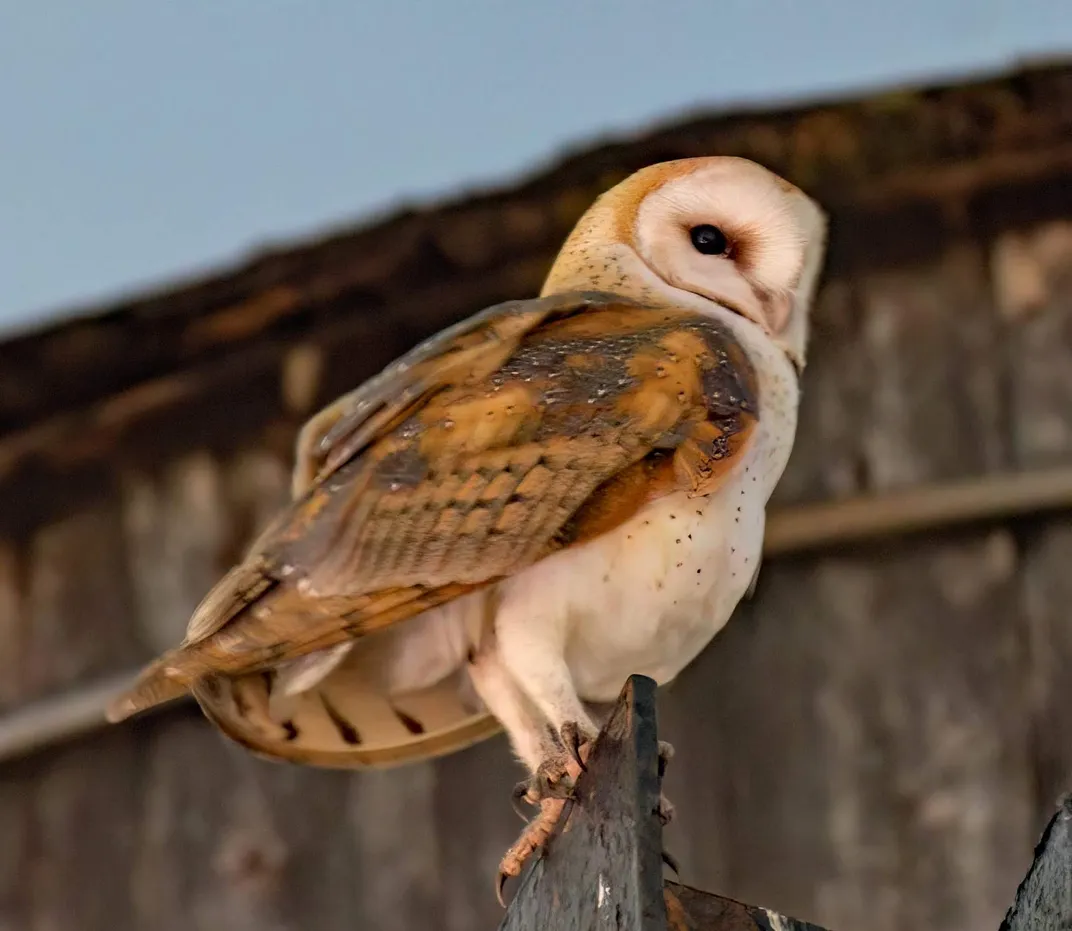
Source: Smithsonian Magazine
Related articles
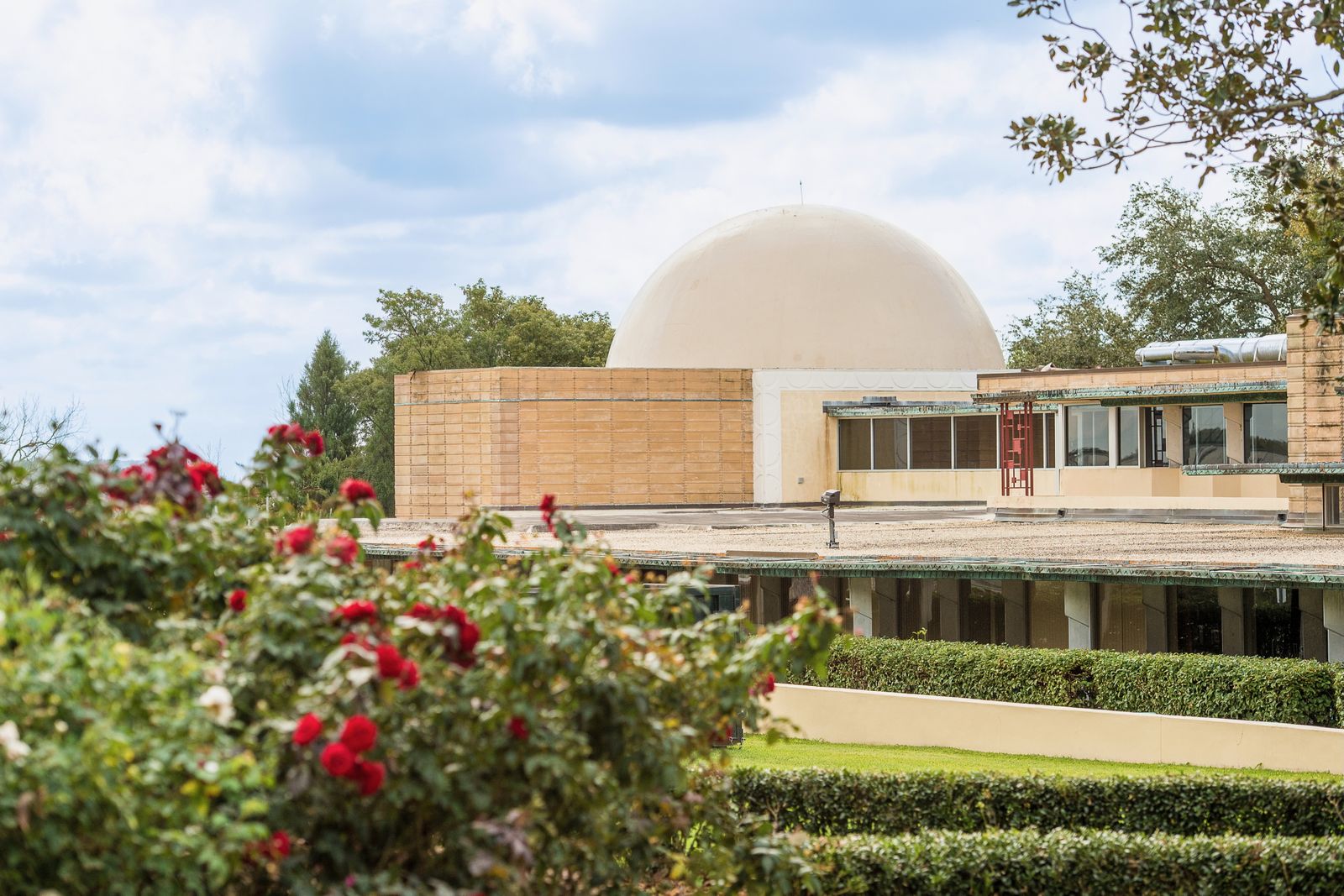
Immerse Yourself in the Cosmos at Frank Lloyd Wright's Only Planetarium, Recently Restored to Its Former Glory in Florida
Completed in 1958, the domed building is located on the campus of Florida Southern College, home to 13 Wright-designed buildings, the world's largest single-site collection of the architect's work

Play Tractor online with friends — free
Real-time Sheng Ji / Tractor for 3–5 players, with complete bidding and trump rules across web, iOS and Android.
Play bidfive →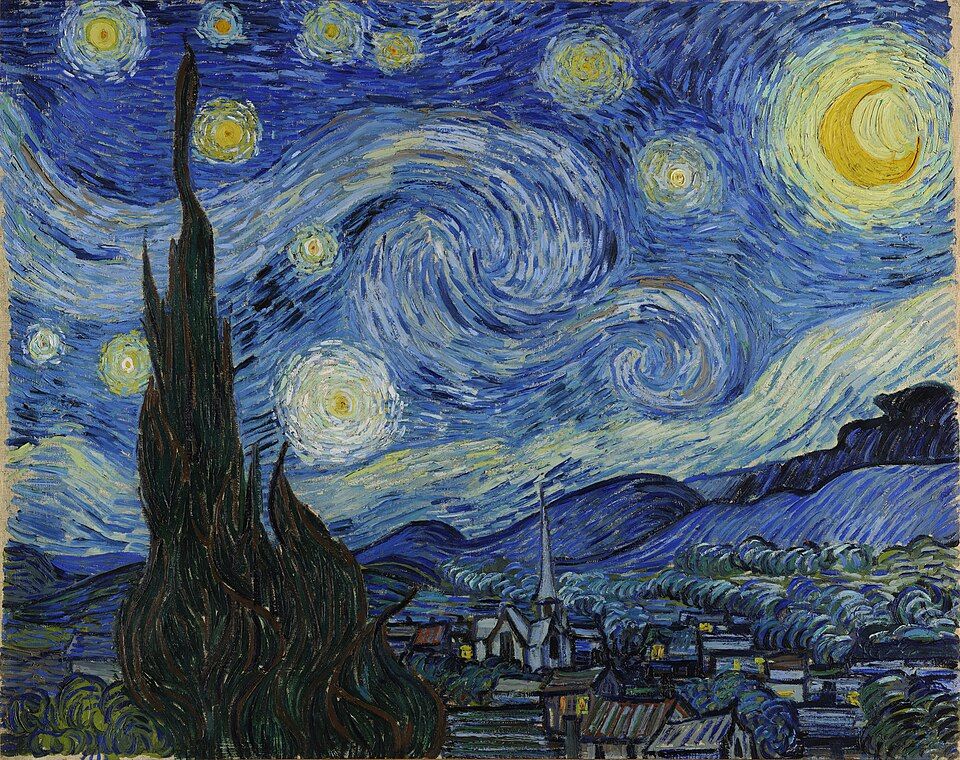
A Team of Astronomers Thinks They Have Identified the Exact Night Sky That Inspired Vincent van Gogh's 'Starry Night.' Not Everyone Is Convinced
Very few night skies seen from the south of France during the summer of 1889 would match the scene on van Gogh's canvas. A new study argues that it could have been July 22

'Pretty Boy' Floyd, One of the Most Notorious Outlaws of the Great Depression, Was Shot and Killed in an FBI Raid 92 Years Ago
Some Americans lauded the 30-year-old bank robber as a Robin Hood-esque folk hero. Others castigated him as a violent criminal whose misdeeds were emblematic of the troubled era

GTA 6 guides, updates and practical reference
Explore a Chinese GTA 6 guide library covering the release, map, characters, missions, vehicles and weapons.
Browse guides →
Create AI images with your own API key
aixipi runs on desktop/web, uses your own model API balance, and avoids subscription lock-in.
Try aixipi →