
A Finnish Metal Detectorist Was Shocked to Unearth a Trove of Viking Age Silver in His Hometown. Then His Detector Went Off Again

A metal-detecting outing in southern Finland has led to an extraordinary discovery: a silver deposit from the Viking Age that is now regarded as the country’s biggest known coin hoard from the Late Iron Age. The objects, recovered in the present-day municipality of Sysmä, are believed to have been placed in the ground during the 11th century. Together, the material weighs roughly 10 pounds and is estimated to be about a millennium old.
The finder, Kalle Lappinen, had been searching land in the area where he grew up when his detector produced a signal last week. What began as a routine response to an alert quickly became more dramatic after he opened the ground. A handheld locating probe then gave a much stronger response, indicating that metal was concentrated beneath the surface rather than represented by a single isolated object.

Lappinen dug through layers that included soil, glacial material and stones before reaching the find, which lay about 18 inches below ground level. There he encountered a mass of coins. He later described the force of his initial digging in vivid terms, saying he worked “with the fury of a monkey.” The description conveys the surprise of a search that moved abruptly from a detector signal to a densely packed archaeological discovery.
The first cache was not the end of the day. After the excitement of the initial recovery had subsided, Lappinen notified the authorities. Nearby, his equipment sounded again. He excavated a second spot and found another concentration of coins, turning one unexpected discovery into a pair of closely located deposits. The sequence has added to the importance of the location as officials assess what was left underground and how the material should be understood.
The collection is not made up solely of currency. It also includes pieces associated with jewelry, while the coin total may run into the thousands. That combination of coins and silver ornaments gives the find a broader character than a small collection of lost money. Its scale is central to the assessment: Finnish museum authorities have identified it as the largest Late Iron Age silver coin accumulation yet found in Finland.
Its burial date places the deposit in the 11th century, while the artifacts themselves are linked to the Viking Age. That framing matters because the discovery is being evaluated as a hoard: material deliberately gathered and put into the earth, rather than a scattering of unrelated objects. The available account does not establish why the silver was buried, who assembled it, or whether all of the coins originated in one moment or passed through several hands before being concealed.
Those unanswered questions are a necessary caution amid the discovery’s striking size. The reported weight and possible coin count demonstrate that the cache is substantial, but they do not by themselves reveal the circumstances of its concealment. Detailed study of the coins, jewelry fragments and their position in the ground will be needed before researchers can draw firmer conclusions about the deposit and its history.
The case also shows why the response after a find can matter as much as the initial signal. Lappinen reported the first deposit to the authorities after recovering from the immediate rush of discovery, and the second signal appeared only a short distance away. The proximity of the two finds raises the prospect that the site may preserve further information about how the silver was grouped, buried and later left undisturbed for centuries.
For now, the discovery joins a small set of finds whose significance is measured both in precious metal and in context. A single detector alert brought Lappinen to the first buried concentration; another alert soon directed him to a second. As the objects are examined, the focus will shift from the shock of the recovery to a more patient task: determining the contents of Finland’s largest known Viking-era silver coin hoard and what the site can still reveal.

Source: Smithsonian Magazine
Related articles

Immerse Yourself in the Cosmos at Frank Lloyd Wright's Only Planetarium, Recently Restored to Its Former Glory in Florida
Completed in 1958, the domed building is located on the campus of Florida Southern College, home to 13 Wright-designed buildings, the world's largest single-site collection of the architect's work

Play Tractor online with friends — free
Real-time Sheng Ji / Tractor for 3–5 players, with complete bidding and trump rules across web, iOS and Android.
Play bidfive →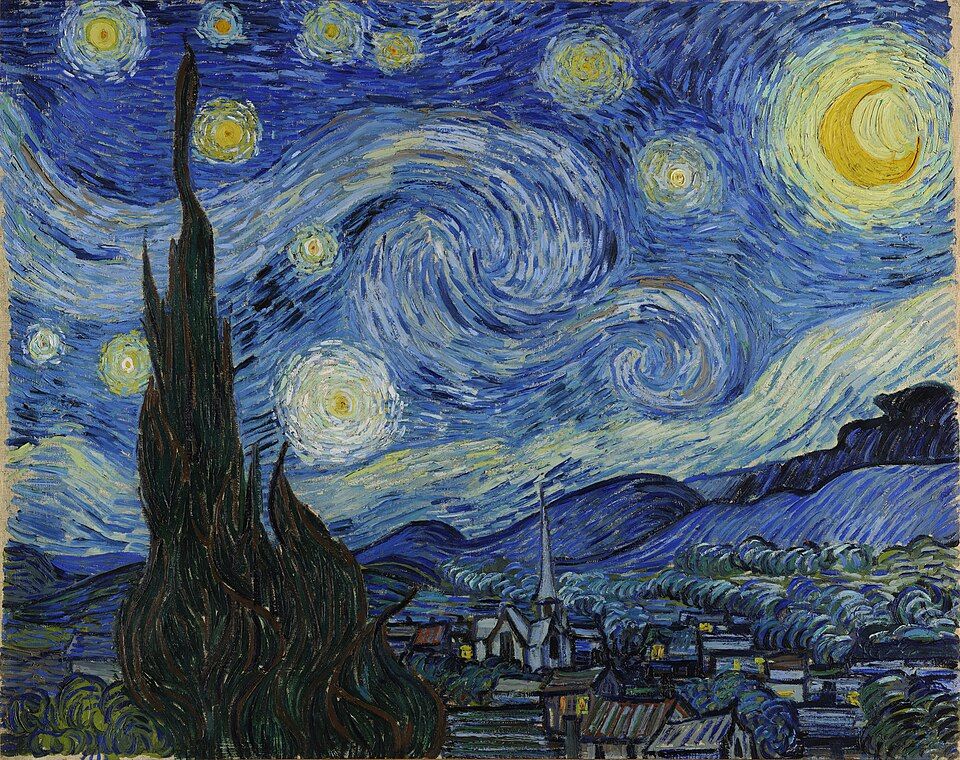
A Team of Astronomers Thinks They Have Identified the Exact Night Sky That Inspired Vincent van Gogh's 'Starry Night.' Not Everyone Is Convinced
Very few night skies seen from the south of France during the summer of 1889 would match the scene on van Gogh's canvas. A new study argues that it could have been July 22

'Pretty Boy' Floyd, One of the Most Notorious Outlaws of the Great Depression, Was Shot and Killed in an FBI Raid 92 Years Ago
Some Americans lauded the 30-year-old bank robber as a Robin Hood-esque folk hero. Others castigated him as a violent criminal whose misdeeds were emblematic of the troubled era

GTA 6 guides, updates and practical reference
Explore a Chinese GTA 6 guide library covering the release, map, characters, missions, vehicles and weapons.
Browse guides →
Create AI images with your own API key
aixipi runs on desktop/web, uses your own model API balance, and avoids subscription lock-in.
Try aixipi →