
A Rare Marble Sculpture by America’s First Professional Female Sculptor Sat Hidden in Plain Sight for Decades in an English Garden
A marble bust that spent more than seven decades outdoors at an English home has been recognized as an unusually important work by Harriet Goodhue Hosmer, the American artist widely regarded as the country’s first professional woman sculptor. The object had blended into its surroundings as a familiar piece of garden statuary until a standard valuation of the property brought it to closer attention. Its discovery came not through a planned art search, but through an everyday assessment of a house and what stood around it.
The sculpture portrays Daphne, the nymph of Greek myth. Its identification transforms what had appeared to be a decorative outdoor object into a work connected to a central figure in nineteenth-century American sculpture. Specialists believe the bust may be Hosmer’s first sculpture, an attribution that gives the find particular weight while leaving room for the usual scrutiny of an early-career work. The proposed connection therefore matters both for the individual object and for the chronology of her career.
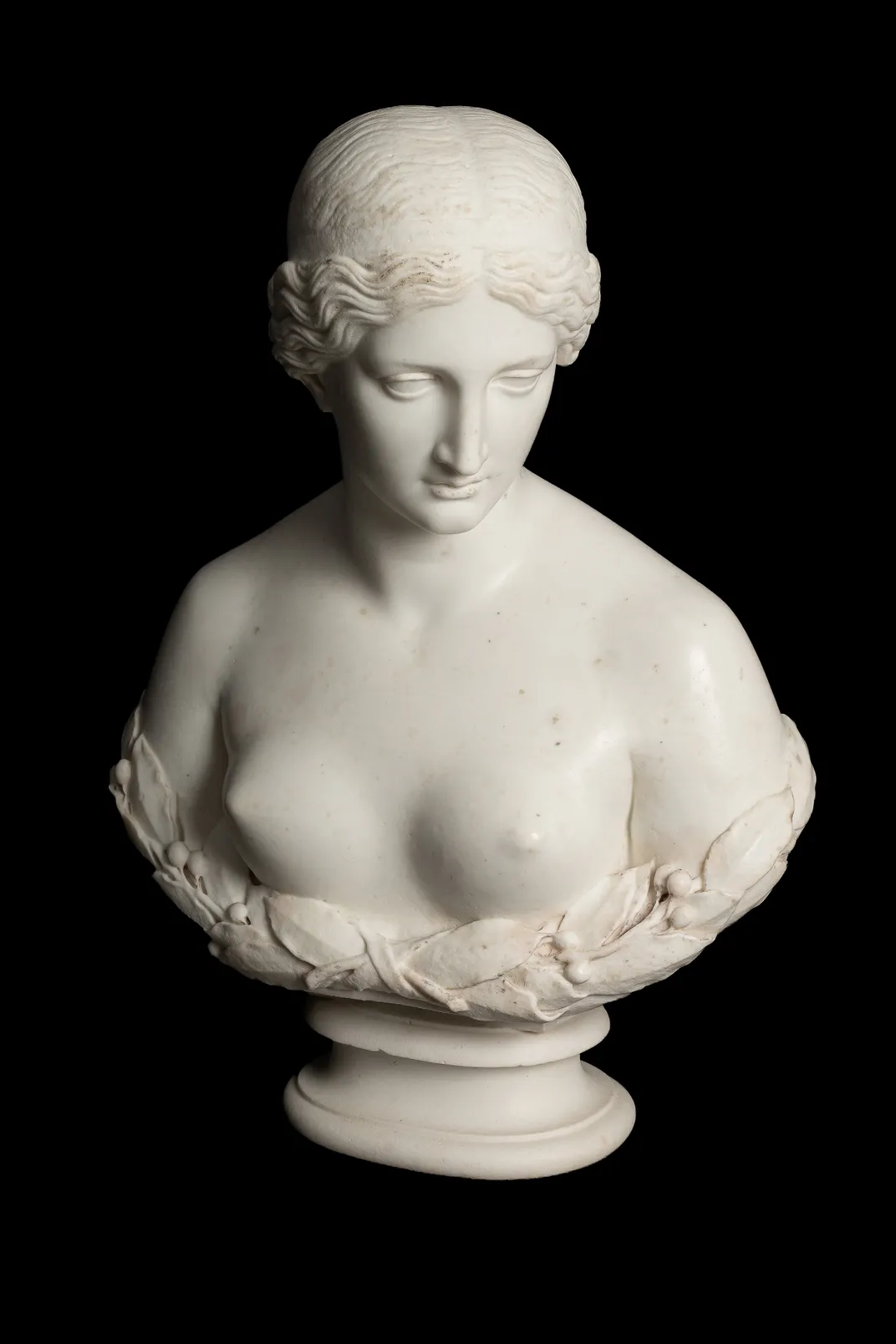
Before the appraisal, the marble had accumulated lichen from years in the garden. That weathered coating helped make the bust easy to overlook, even as it remained in open view. Its long period outside is central to the discovery: the piece was not recovered from a storeroom or an archive, but from a domestic setting where it was treated as an ordinary ornament. The contrast between its setting and its possible authorship is what makes the find striking.
Cleaning has since exposed the bright marble beneath the surface growth. With its condition reassessed and its possible maker recognized, the family that owns the bust has learned that the garden fixture may carry a value of up to $24,300. The figure is an appraisal estimate rather than a record of a completed sale, but it illustrates how dramatically attribution can alter the standing of an object. For the family, the change began with a routine valuation rather than an expectation of finding an artwork.
Hosmer’s name adds an important dimension to that reassessment. She is remembered not only for her sculpture but also as a trailblazer for women seeking professional standing in the arts. Her legacy has also made her an emblematic figure in accounts of gender equality and queer history, placing the newly identified bust within a wider story about who was able to build an artistic career in the nineteenth century. A newly recognized work can consequently draw attention to parts of art history that have received less notice.
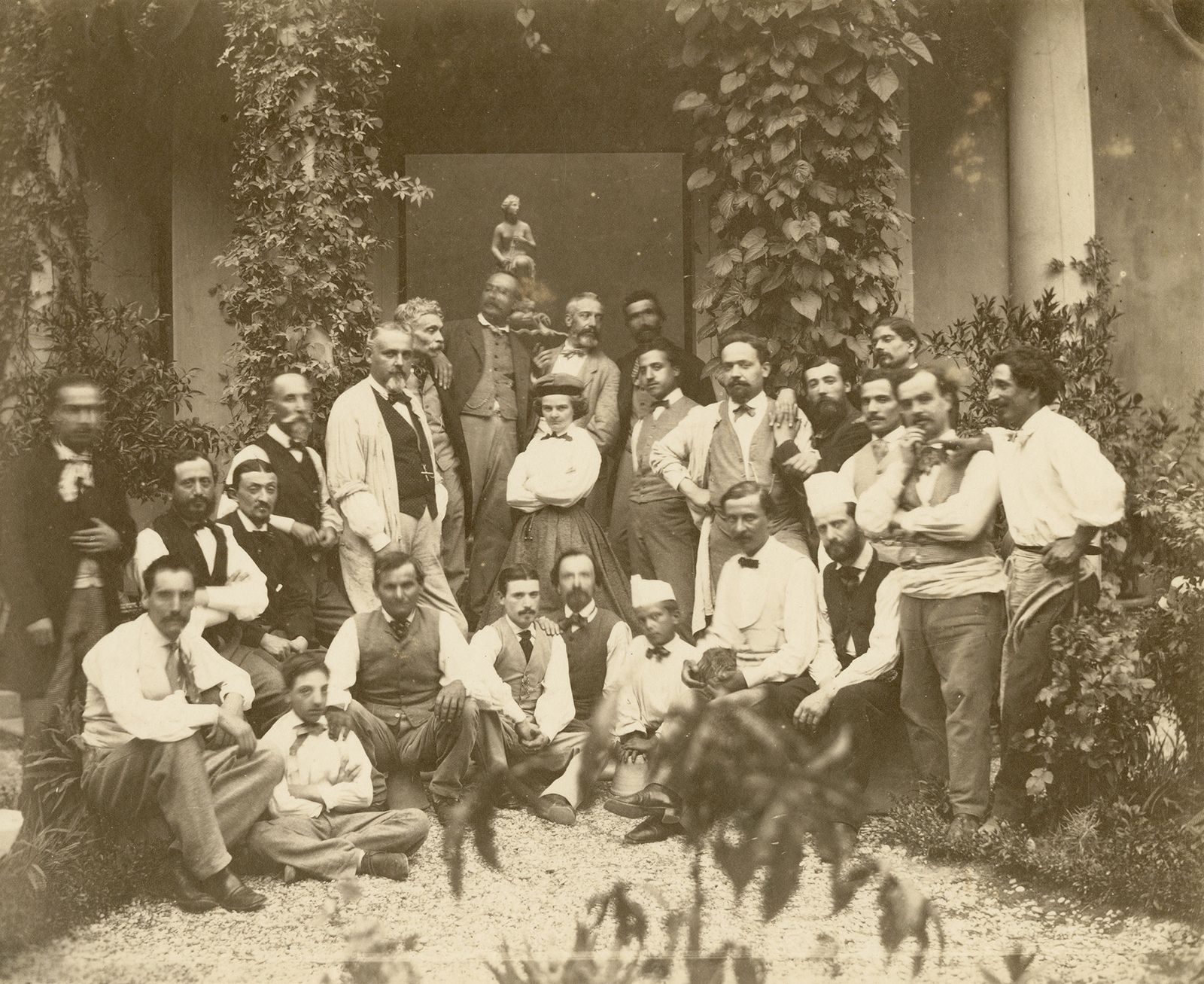
A photograph from 1867 shows Hosmer in her Rome studio with assistants and carvers, a reminder that marble sculpture was often made through workshop labor as well as an artist’s design and direction. That setting offers context for the Daphne bust without settling every remaining question about its production, date or early ownership. Those details will matter in assessing the claim that it was her debut piece. The studio image also situates Hosmer in a professional environment rather than treating her achievement as an isolated exception.
The case also demonstrates why routine property work can have cultural consequences. A valuation is normally concerned with a home and its contents, yet it can prompt a second look at objects whose materials, style or history have become obscured by use. In this instance, the reassessment shifted the bust from the category of garden decoration to a possible work by a historically significant American artist. It shows how an object’s apparent familiarity can delay questions about its origin.
There is an important caution alongside the excitement. The bust is believed to be Hosmer’s first work, rather than being presented as an attribution beyond question. Further examination of the sculpture, its documentary trail and its relationship to known examples would help clarify that conclusion. The cleaning has made the marble more legible, but conservation and scholarly review remain distinct parts of understanding its history. A high valuation and an important attribution do not remove the need for that additional work.
For the owners, the discovery turns a long-familiar feature of the garden into an unexpected family asset. For museums, historians and collectors, it is a reminder that works tied to overlooked artists can remain misidentified in private places for generations. The next stage will be watching how the attribution is documented and how the bust is cared for now that its possible significance is visible. Its journey from lichen-covered ornament to a closely examined sculpture may also encourage renewed attention to other unassuming objects.
Source: Smithsonian Magazine
Related articles

Immerse Yourself in the Cosmos at Frank Lloyd Wright's Only Planetarium, Recently Restored to Its Former Glory in Florida
Completed in 1958, the domed building is located on the campus of Florida Southern College, home to 13 Wright-designed buildings, the world's largest single-site collection of the architect's work

Play Tractor online with friends — free
Real-time Sheng Ji / Tractor for 3–5 players, with complete bidding and trump rules across web, iOS and Android.
Play bidfive →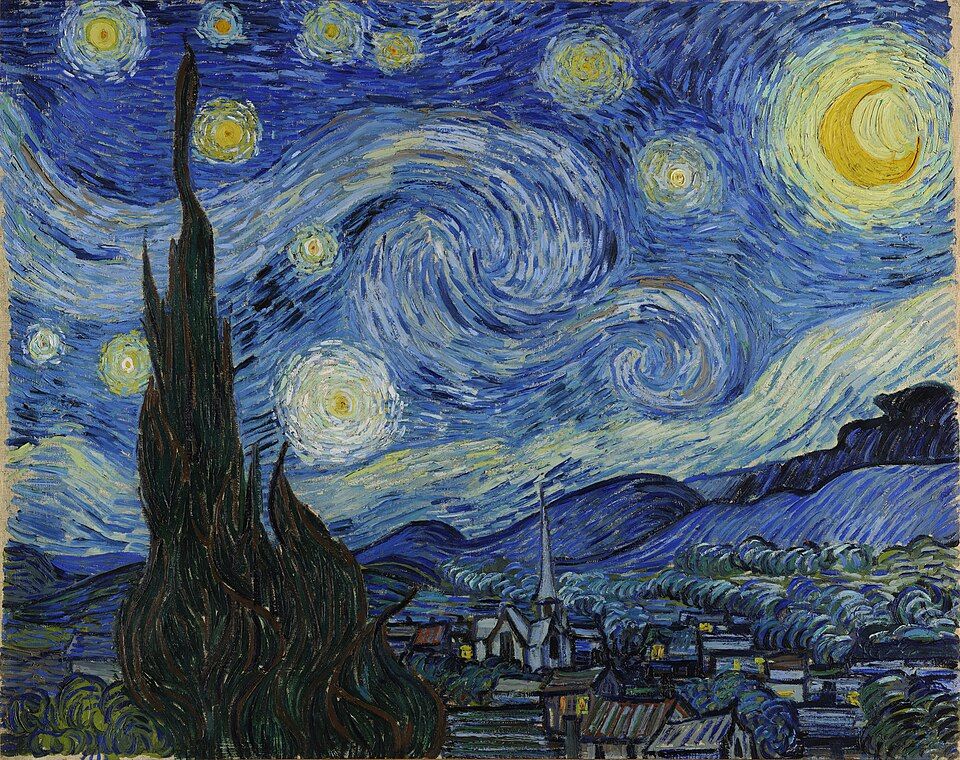
A Team of Astronomers Thinks They Have Identified the Exact Night Sky That Inspired Vincent van Gogh's 'Starry Night.' Not Everyone Is Convinced
Very few night skies seen from the south of France during the summer of 1889 would match the scene on van Gogh's canvas. A new study argues that it could have been July 22

'Pretty Boy' Floyd, One of the Most Notorious Outlaws of the Great Depression, Was Shot and Killed in an FBI Raid 92 Years Ago
Some Americans lauded the 30-year-old bank robber as a Robin Hood-esque folk hero. Others castigated him as a violent criminal whose misdeeds were emblematic of the troubled era

GTA 6 guides, updates and practical reference
Explore a Chinese GTA 6 guide library covering the release, map, characters, missions, vehicles and weapons.
Browse guides →
Create AI images with your own API key
aixipi runs on desktop/web, uses your own model API balance, and avoids subscription lock-in.
Try aixipi →