
A Rare Nanotyrannus Skeleton Sells for $47.3 Million, Becoming the Second Most Valuable Dinosaur Ever Auctioned
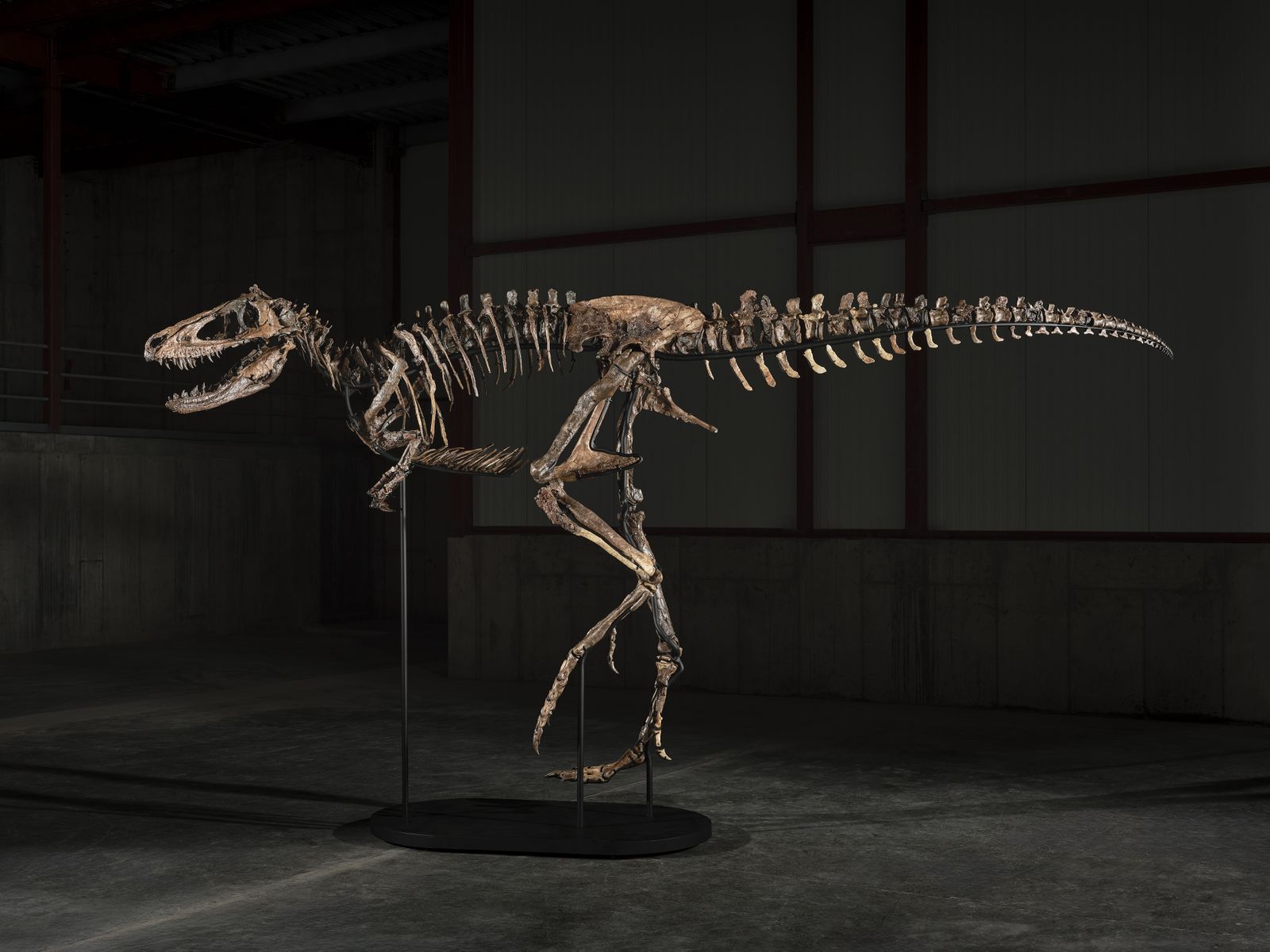
A nearly complete skeleton identified as Nanotyrannus has sold for $47.3 million, placing it second among the most expensive dinosaur specimens ever offered at auction. Sotheby’s did not identify the buyer of the fossil, known as “Jodi,” whose sale comes roughly a year after research supplied the strongest reported case that Nanotyrannus should be recognized apart from Tyrannosaurus rex.
The price reflects more than rarity in the fossil market. For decades, scientists have disagreed about smaller tyrannosaur fossils: some saw them as evidence of a distinct genus, while others considered them young members of the better-known T. rex lineage. The newer research did not erase every question surrounding tyrannosaur evolution, but it gave renewed weight to the argument that Nanotyrannus was its own animal.
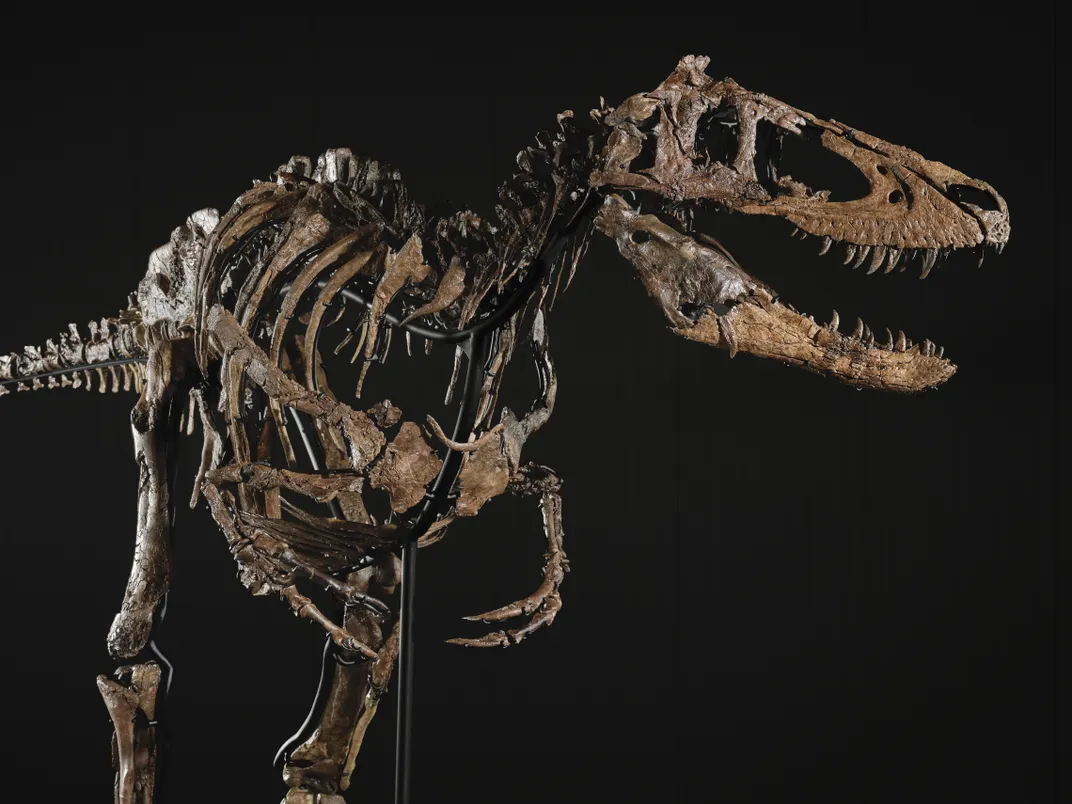
“Jodi” is described as the most complete Nanotyrannus skeleton known. The specimen dates to about 67 million years ago and stood close to 10 feet high. From end to end, it measured a little more than 19 feet. It is an adult individual, an important point in a debate that has often turned on whether smaller bones represented a separate species or simply an earlier stage of growth.
Only three largely complete skeletons attributed to Nanotyrannus are known. Jodi preserves an unusually broad set of remains, including the skull, about 50 teeth, the pelvic structure, numerous limb bones, claws, and many vertebrae and ribs. That degree of preservation makes the fossil useful not only as a dramatic auction object but also as a concentrated record of the animal’s anatomy.
The remains were found in 2019 on property owned by Montana rancher Jodi Pierson, after whom the skeleton was named. They came from the Hell Creek Formation, a productive fossil-bearing band of rock extending through parts of Montana, North Dakota, South Dakota and Wyoming. The formation is associated with the final stretch of the dinosaur era and continues to yield material central to questions about the animals that lived then.
Pierson’s cousin, commercial paleontologist Clayton Phipps, led the excavation. Known by the nickname “Dinosaur Cowboy,” Phipps recovered the bones from the site after the discovery. The find’s path—from a private ranch to an auction room—also puts attention on a recurring tension in paleontology: spectacular fossils may generate public interest and high prices, while researchers’ ability to examine them can depend on where they ultimately reside.
For supporters of the separate-genus interpretation, the sale arrives at a moment when Jodi’s identity has particular scientific resonance. An adult specimen with so much of its skeleton intact can be especially relevant when investigators compare body proportions, skull features and other traits against those of T. rex. The fossil’s commercial sale, however, does not by itself settle the scientific classification that has divided specialists.
The auction result also underscores how a change in scientific understanding can reshape the perceived significance of a specimen. If a fossil is treated as a juvenile of a famous dinosaur, it occupies one place in the public imagination; if it is viewed as evidence of a separate tyrannosaur, it can take on a different importance. Jodi’s value was driven by its completeness, age and rarity, alongside that newly strengthened taxonomic case.
What happens next may matter as much as the hammer price. Sotheby’s has kept the purchaser’s name private, leaving unanswered whether the skeleton will be displayed publicly, made available for additional study, or remain in a private collection. Researchers will continue to assess the evidence for Nanotyrannus, and Jodi’s future access could influence how fully this unusually complete specimen contributes to that work.
Source: Smithsonian Magazine
Related articles
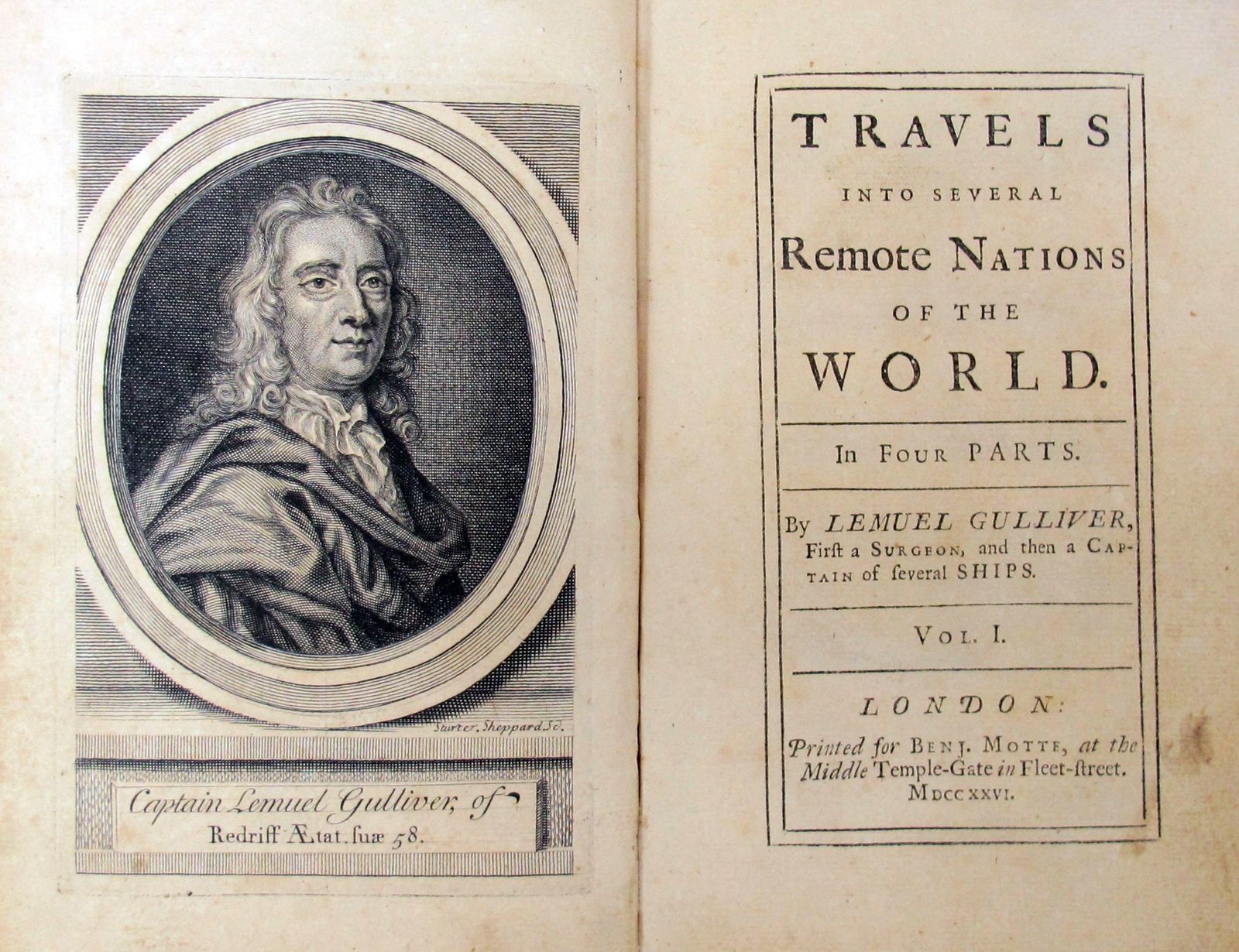
'Gulliver's Travels' Turns 300 This Week. Jonathan Swift's 'Profound Satire of Human Nature' Is Still Just as Bitingly Relevant
Since it was first published in October 1726, the novel purporting to tell the fantastical travel tales of Captain Lemuel Gulliver has never left print. An exhibition of rare editions and adaptations in Dublin celebrates Swift's most famous work

Play Tractor online with friends — free
Real-time Sheng Ji / Tractor for 3–5 players, with complete bidding and trump rules across web, iOS and Android.
Play bidfive →
'Lie Down and Look Up' at England's Most Ornate Ceilings, From Sparkling Gold-Leaf Stars to Intricate Plaster Designs at Queen Victoria's Seaside Retreat
A new campaign encourages visitors to take in the lavish art above their heads at five historic sites across England. There are even cushions for maximum comfort while you gaze
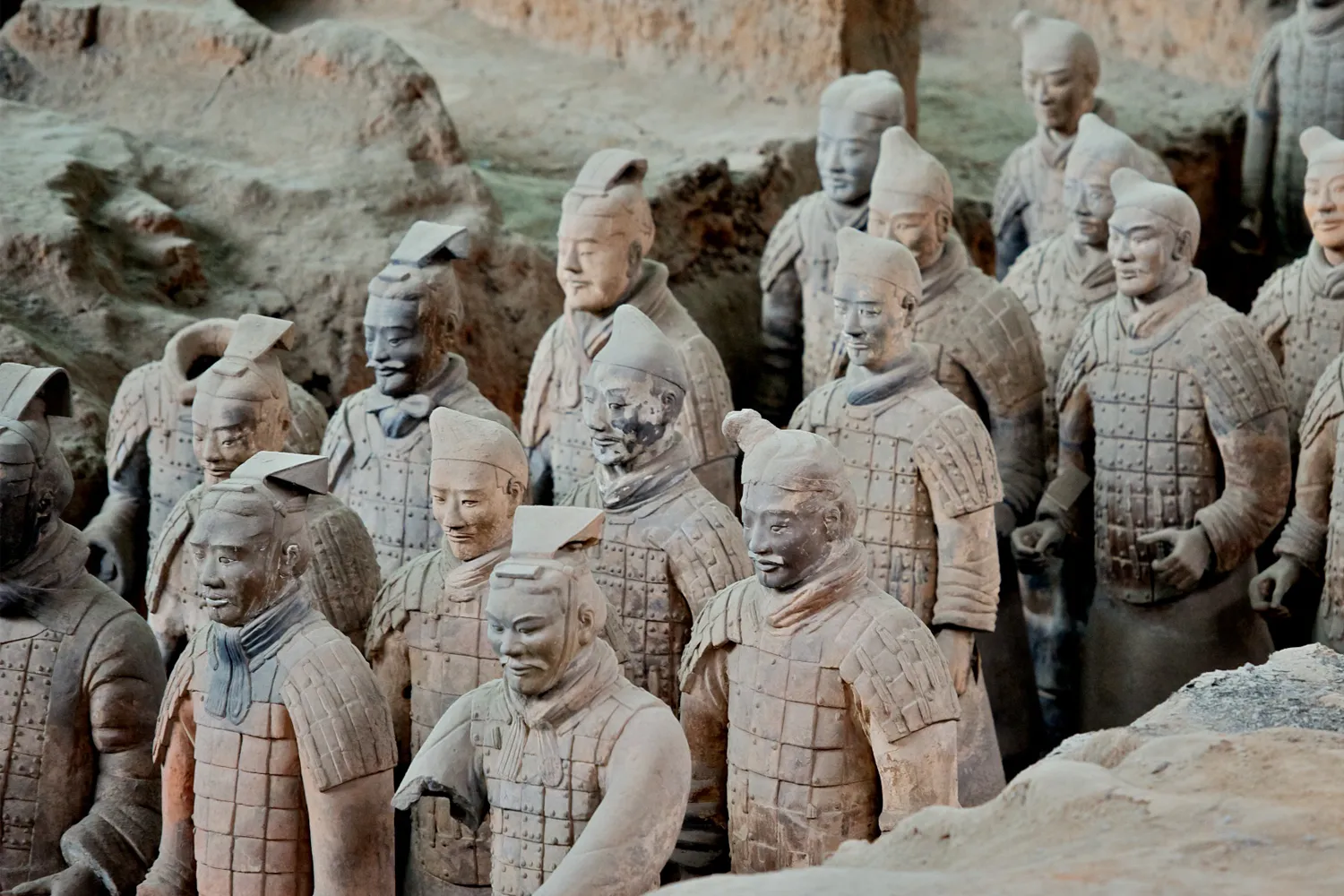
Did Women and Children Collaborate With Male Artisans to Create China's Terra-Cotta Army? Fingerprints Left on the 2,000-Year-Old Clay Warriors May Hold the Answer
A new study found that adult women and juveniles under the age of 15 accounted for 67 percent of the fingerprints analyzed. The research challenges long-held assumptions about the age and gender of the workers who sculpted Qin Shi Huang's soldiers

GTA 6 guides, updates and practical reference
Explore a Chinese GTA 6 guide library covering the release, map, characters, missions, vehicles and weapons.
Browse guides →
Create AI images with your own API key
aixipi runs on desktop/web, uses your own model API balance, and avoids subscription lock-in.
Try aixipi →