
Did Women and Children Collaborate With Male Artisans to Create China's Terra-Cotta Army? Fingerprints Left on the 2,000-Year-Old Clay Warriors May Hold the Answer
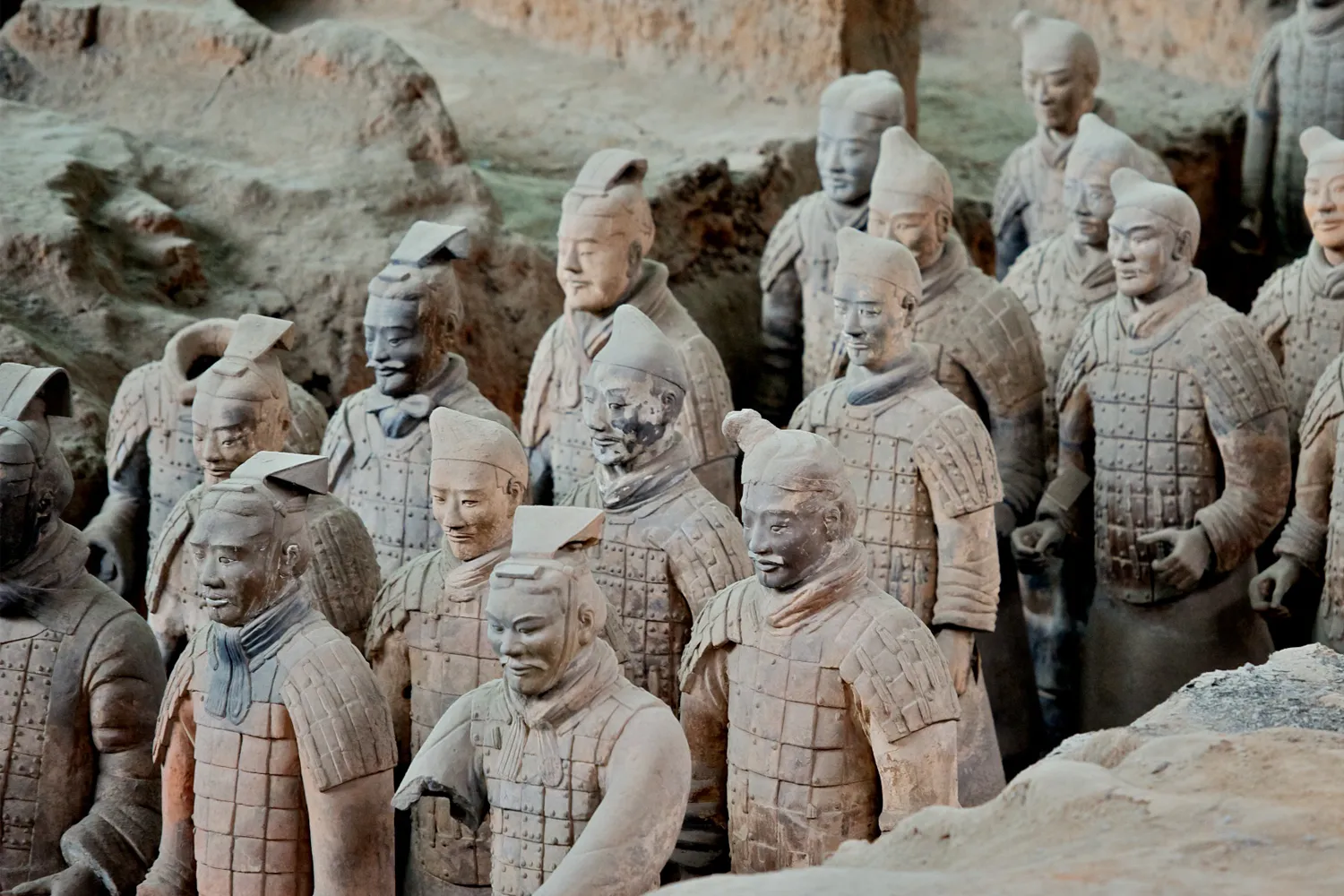
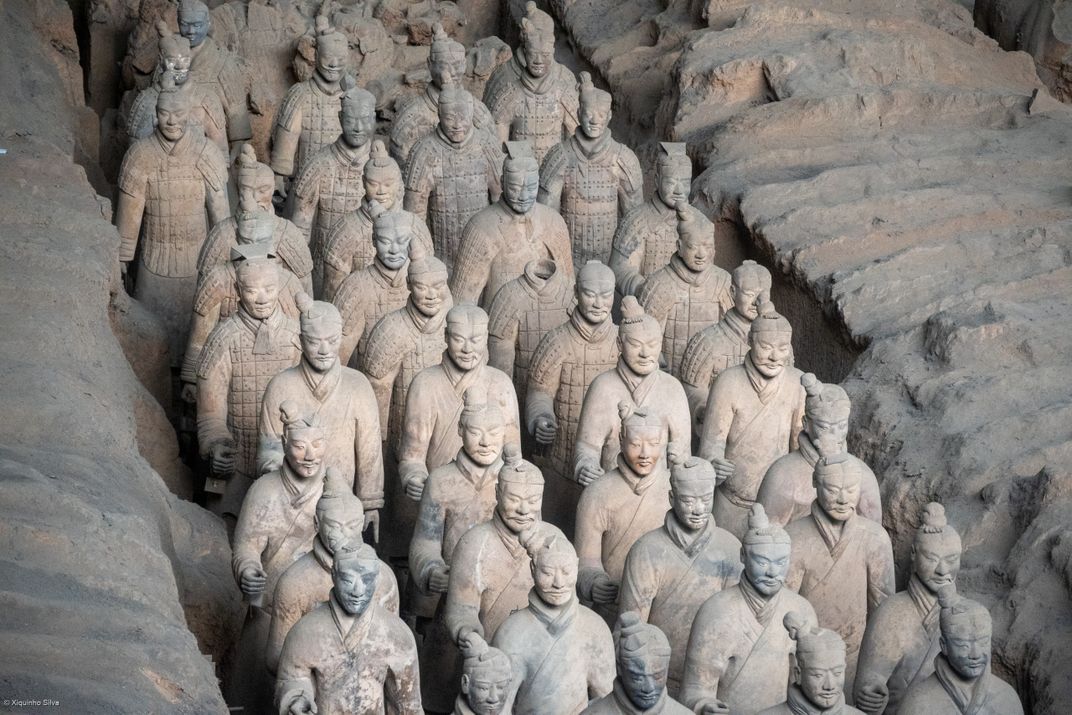
Fresh fingerprint evidence from China’s terra-cotta army is reshaping a long-standing picture of the people who made it. An examination of marks preserved in the clay suggests the huge artistic undertaking was not carried out only by grown men. The study instead points to participation by adult women and children, opening a new line of inquiry into the workforce behind the figures created more than two millennia ago.
The research was led by archaeologist Xiaoxi Li of the Emperor Qin Shi Huang’s Mausoleum Site Museum and published in the Journal of Cultural Heritage. Its authors say the traces provide the first biological indication that the workshops included a broader mix of people than earlier assumptions allowed. The finding does not identify individual workers, but it offers physical evidence from the production process itself rather than relying solely on historical expectations about ancient labor.
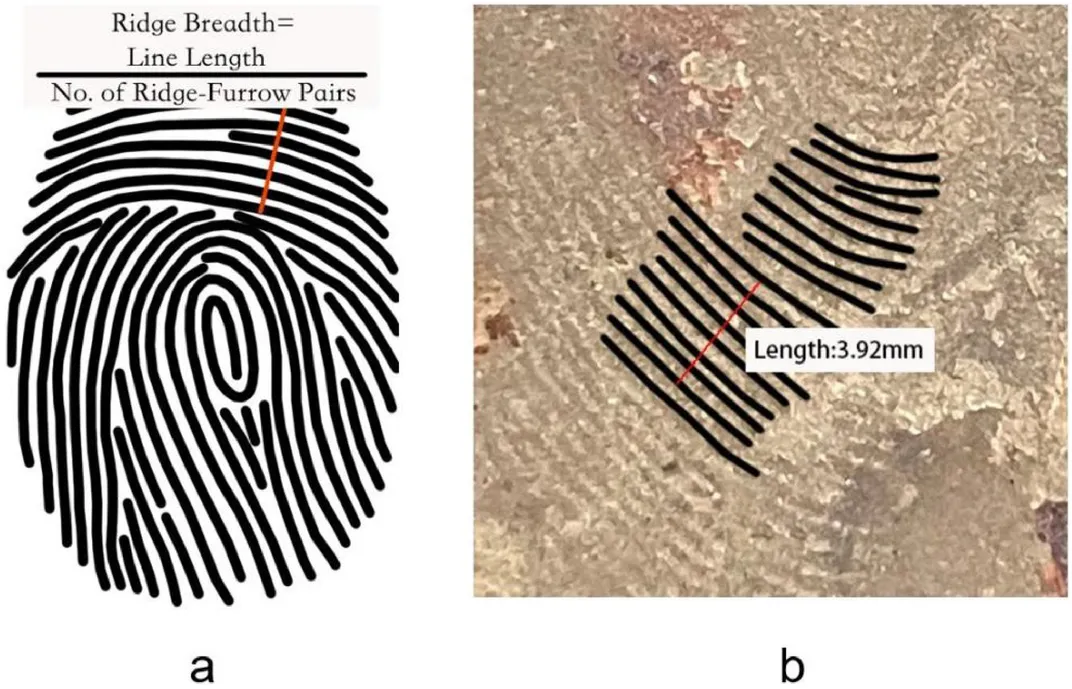
Researchers located 79 fingerprints that were sufficiently intact for study across 36 clay warriors. Their analysis attributed 45 percent of those prints to adult women and 33 percent to adult men. The remaining 22 percent were associated with younger people. Taken together, prints classified as belonging to women and people below 15 made up 67 percent of the sample examined.
For the purposes of the study, a juvenile was a person younger than 15. That cutoff reflects Qin-era records cited by the researchers, which place 15 at the threshold for criminal accountability and for compulsory work and military duty. The distinction matters because it frames the results not simply as evidence of young hands in a workshop, but as a possible window into how labor could have been organized under the Qin dynasty.
The terra-cotta army has often been understood through the presumed work of adult male artisans. The new analysis does not remove men from that account: roughly one-third of the fingerprints examined were linked to adult males. But the study challenges the narrower view that men alone formed the workforce involved in creating the warriors, suggesting instead that women and younger people may also have contributed to the undertaking.
Fingerprint analysis has long been used by scientists seeking to estimate a person’s age or sex. Conventional approaches frequently examine mean ridge breadth, which measures the average space separating raised fingerprint lines, along with ridge density, or the average number of ridges within a defined portion of a print. Those measurements can offer clues, but the paper argues that established methods also have clear limitations.

That warning is important when reading the findings. A set of fingerprints from 36 statues cannot provide a full count of everyone who worked on the larger collection, and estimates based on ridge measurements are not equivalent to identifying a particular person. The researchers present the evidence as support for a diverse labor force, rather than as a complete record of each worker or every task performed in the workshops.
Even with those limits, the study redirects attention from the finished sculptures to the people whose hands shaped them. The preserved impressions may help researchers investigate questions that have been difficult to answer from the figures alone, including how work was distributed and whether women and younger people took part directly in production. Additional examination of prints and other evidence from the manufacturing process could show whether the pattern extends more widely.
The results also illustrate how small physical traces can complicate familiar narratives about major ancient creations. The warriors themselves have endured as monumental objects, while many of the people who made them remain unknown. In this case, evidence left in the clay indicates that the making of the army may have involved a more varied group of contributors than traditional assumptions recognized.
Source: Smithsonian Magazine
Related articles
'Lie Down and Look Up' at England's Most Ornate Ceilings, From Sparkling Gold-Leaf Stars to Intricate Plaster Designs at Queen Victoria's Seaside Retreat
A new campaign encourages visitors to take in the lavish art above their heads at five historic sites across England. There are even cushions for maximum comfort while you gaze

Play Tractor online with friends — free
Real-time Sheng Ji / Tractor for 3–5 players, with complete bidding and trump rules across web, iOS and Android.
Play bidfive →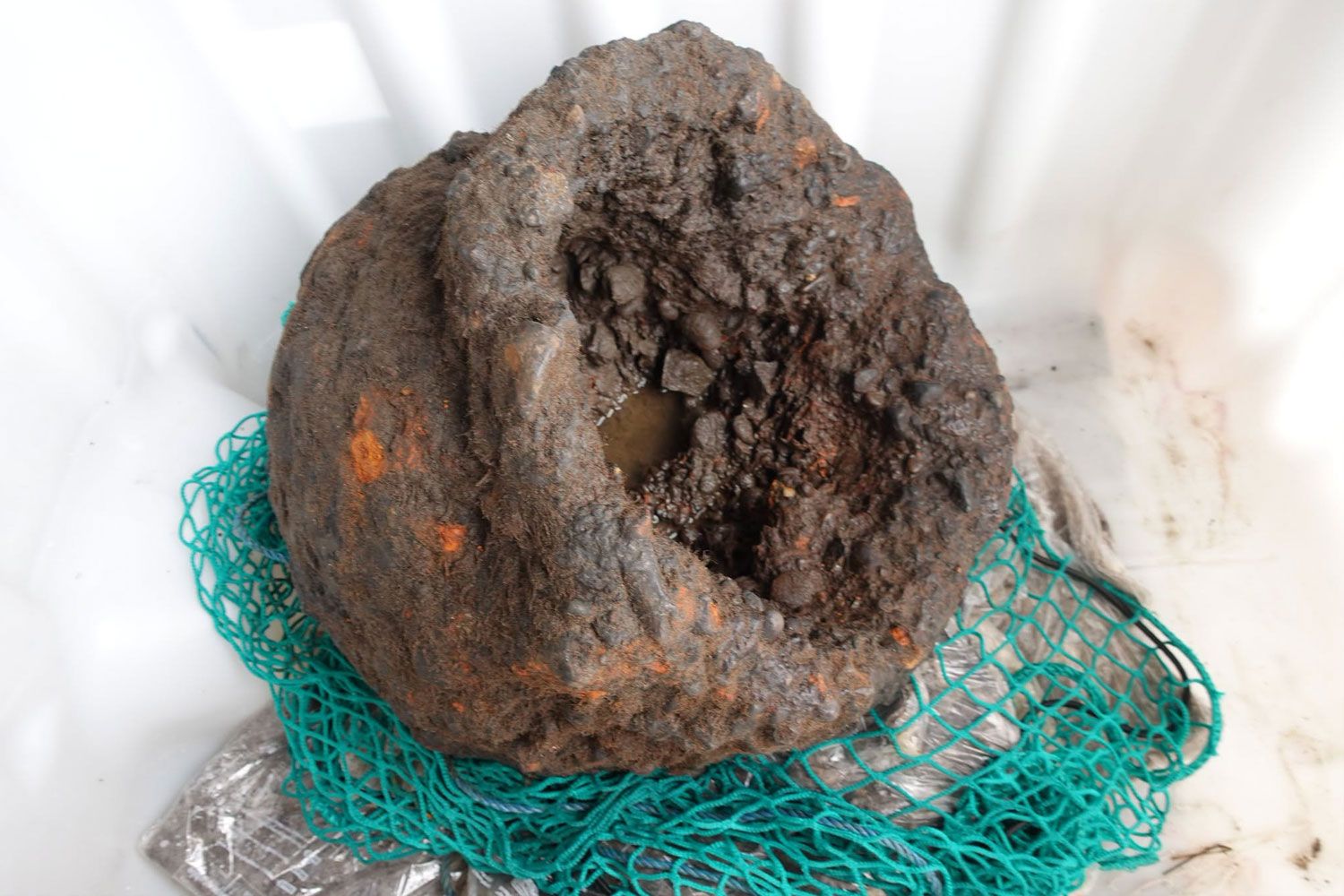
Divers Recover a Mysterious Cauldron That Had Been Hiding at the Bottom of an English River for Hundreds of Years
Nobody knows how the three-legged iron cauldron ended up in the River Wear. Weeks before Halloween, it finally returned to the surface
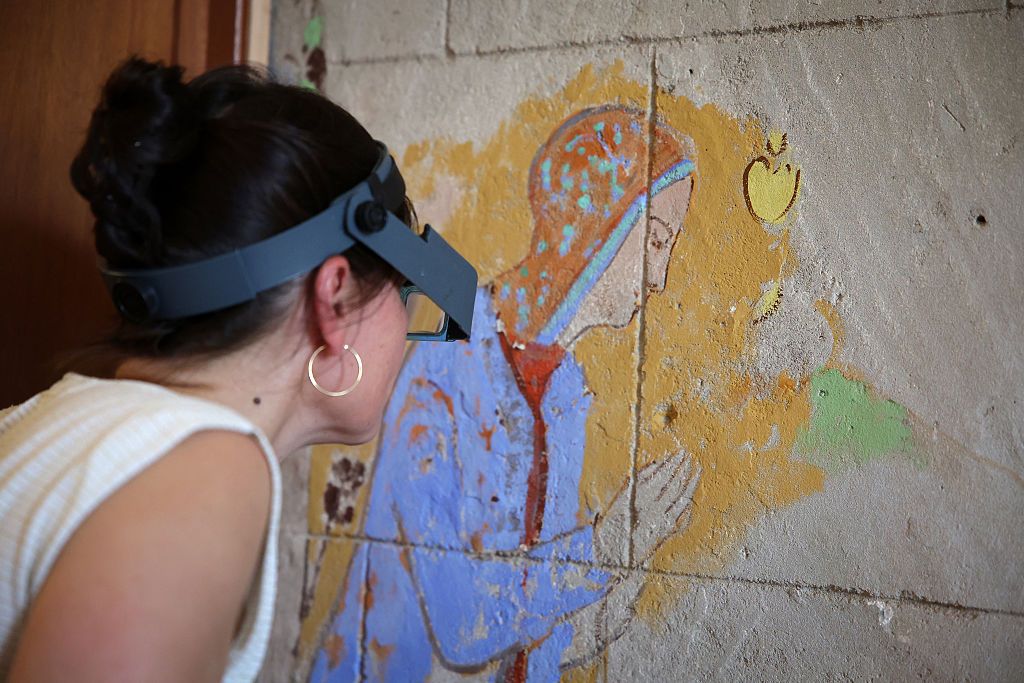
Specialists Removed Three Thrilling, Century-Old Murals From the Walls of a French Monastery. Beneath, They Made 'a Discovery for the History of Art'
Hidden under multi-paneled Symbolist murals by French artist Odilon Redon were sketches that he had drawn directly on the walls of the 11th-century Abbaye de Fontfroide

GTA 6 guides, updates and practical reference
Explore a Chinese GTA 6 guide library covering the release, map, characters, missions, vehicles and weapons.
Browse guides →
Create AI images with your own API key
aixipi runs on desktop/web, uses your own model API balance, and avoids subscription lock-in.
Try aixipi →