
Divers Recover a Mysterious Cauldron That Had Been Hiding at the Bottom of an English River for Hundreds of Years
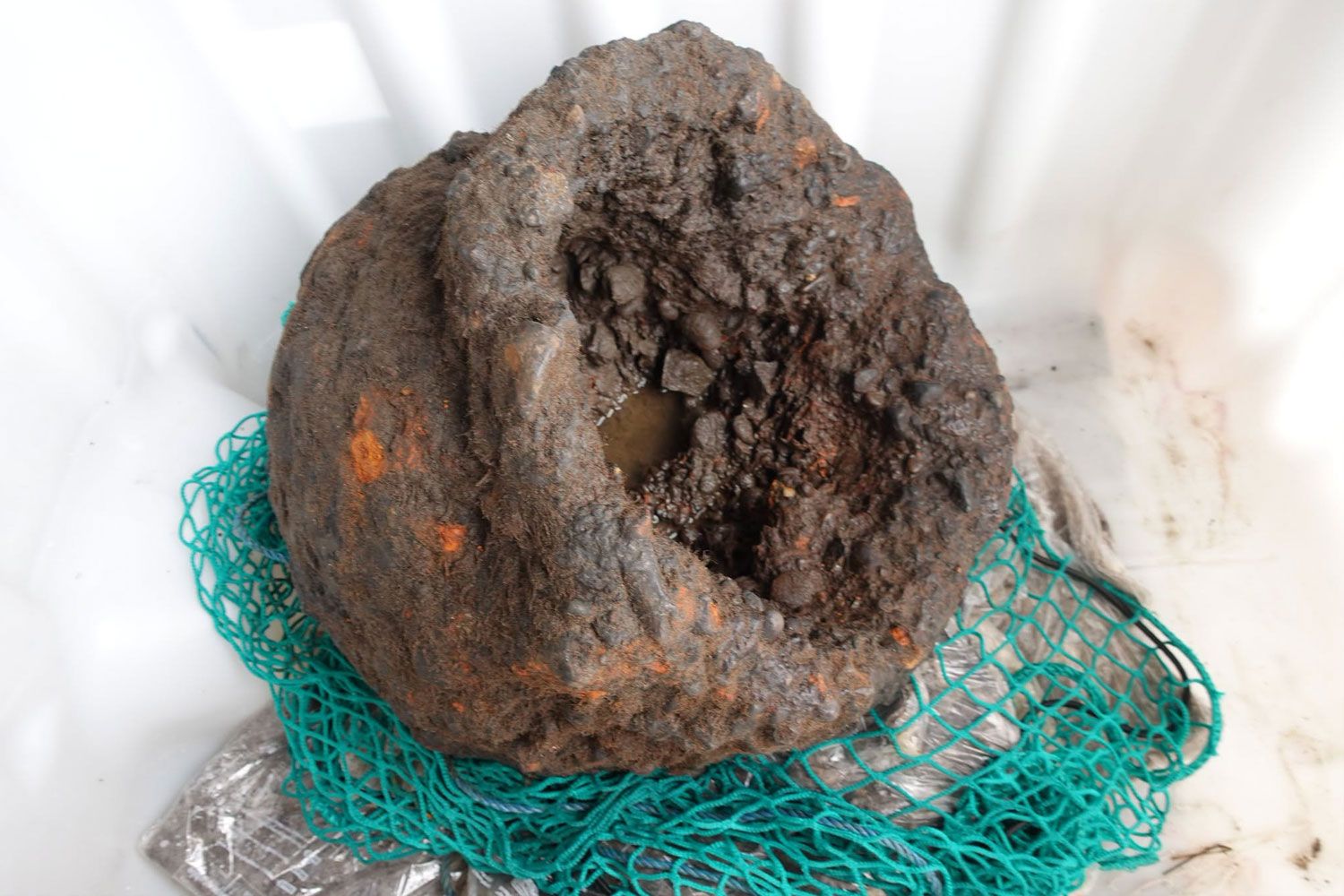
A three-legged iron cauldron that had spent an unknown number of centuries on the bed of England’s River Wear has been brought ashore by a team of divers and archaeologists. The recovery, completed in the weeks before Halloween, ended the vessel’s long concealment beneath the river and placed it in the hands of researchers who hope to establish where it came from and how old it may be.
The object’s discovery has left a central question unresolved: why was it in the Wear at all? Those involved in the project knew where to look before entering the water, but they did not know the circumstances that put the cauldron there. They believed it had remained submerged for hundreds of years, a timescale that underscores both the challenge of the recovery and the uncertainty still surrounding its past.
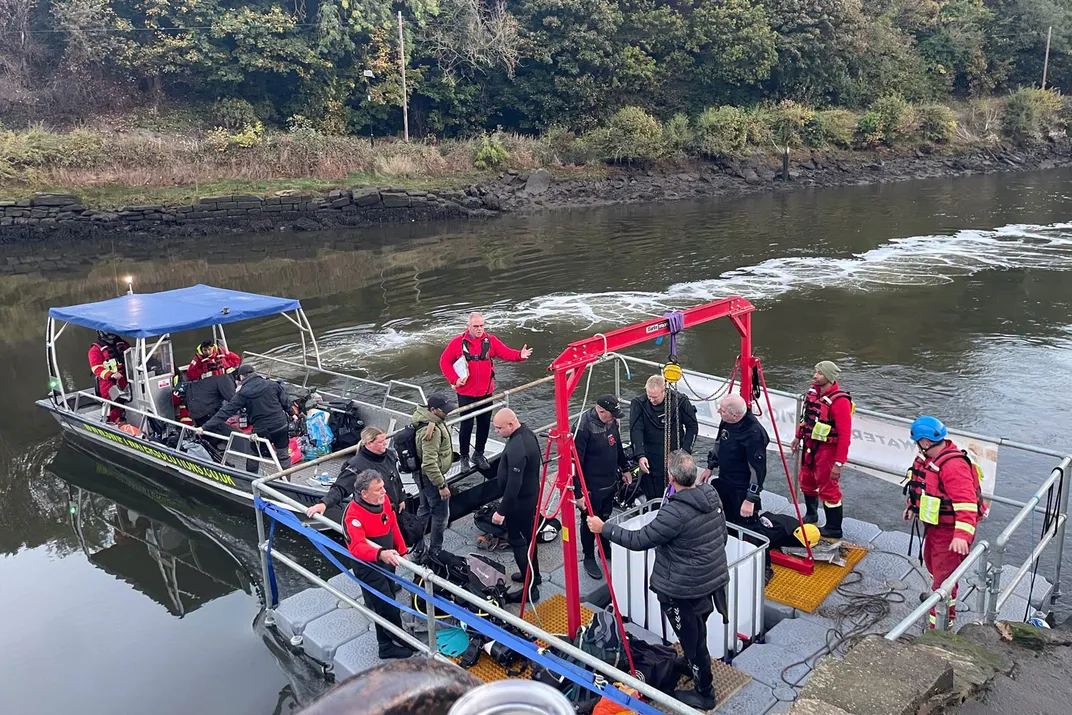
Gary Bankhead, an underwater archaeologist at Durham University, was among the specialists directing the effort. He described the operation as highly coordinated, with each participant assigned a defined responsibility. That structure mattered because the task was not simply to locate an old iron vessel. The crew had to release it from material gathered around it on the riverbed, keep it secure during lifting and transfer it without losing control of a significant archaeological object.
Once the cauldron had been cleared, divers enclosed it in strong green netting and set that bundle within a metal lifting frame. A recovery boat positioned above them then raised the frame gradually. By late morning, the vessel emerged into daylight and was carried to land, completing a journey from the river bottom that had not been possible for centuries.
The careful, staged method offers a clearer picture of how such an artifact can be moved from an underwater setting without treating it as ordinary scrap. Its three legs and iron construction make it a distinct object, but neither feature by itself explains its history. The recovery has made closer examination possible; it has not established a date, an owner or a reason for its presence in the water.
That distinction is important as interest turns from the lift to the research that follows. Bankhead and other investigators are studying the cauldron in an effort to identify its origins. Their findings could narrow the broad estimate that it had been underwater for centuries, but the evidence available after the recovery may also leave parts of the story unanswered. For now, the object’s age remains a question rather than a settled conclusion.
The cauldron’s return also changes the kind of evidence researchers can assess. While it lay in the river, it could be seen only through a diving operation and in the conditions of its underwater resting place. On land, specialists can inspect the vessel directly and consider details that may help connect it to a period, a place of manufacture or an earlier use. Whether those details will provide firm answers has yet to be determined.
There is a temptation to let the timing and appearance of a long-hidden cauldron supply a more dramatic explanation than the evidence supports. The operation took place shortly before Halloween, and the object had waited in darkness below a river for a very long time. But the project’s value lies in the opportunity to investigate it systematically, not in assigning it an unproven story. The unanswered questions are part of the archaeological record, not a gap to be filled by speculation.
Attention will now focus on what the examination can establish about the vessel and what remains uncertain. The successful retrieval means the cauldron is no longer inaccessible beneath the Wear, while its past is still largely concealed. For the team, the mission achieved its immediate aim: an artifact that had stayed underwater for hundreds of years is available for study, and the next stage will be deciding what its material evidence can reliably reveal.

Source: Smithsonian Magazine
Related articles
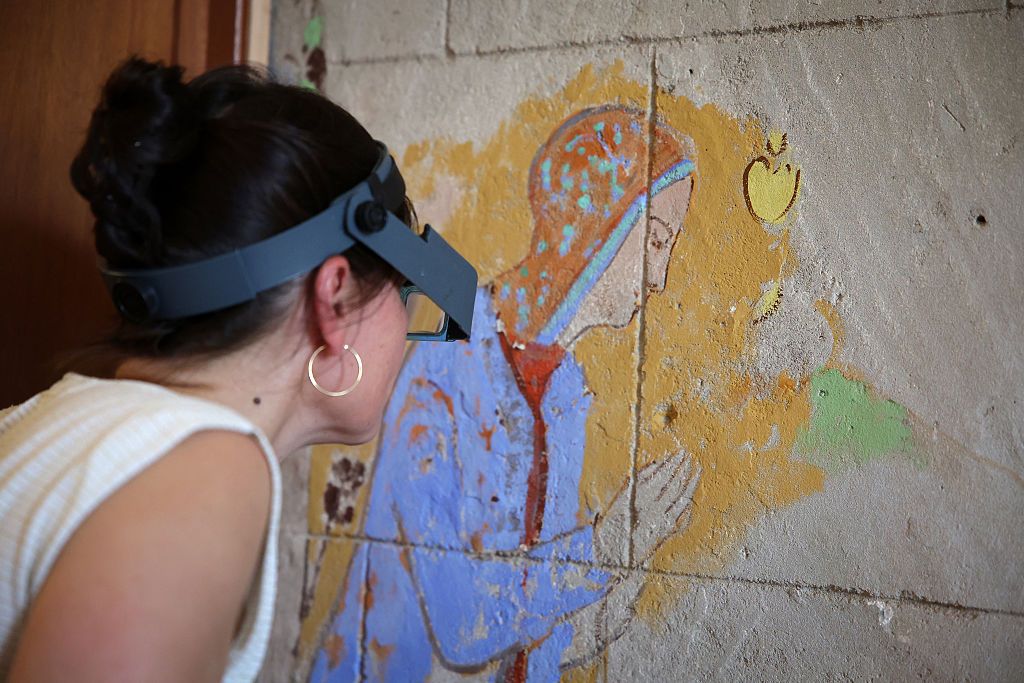
Specialists Removed Three Thrilling, Century-Old Murals From the Walls of a French Monastery. Beneath, They Made 'a Discovery for the History of Art'
Hidden under multi-paneled Symbolist murals by French artist Odilon Redon were sketches that he had drawn directly on the walls of the 11th-century Abbaye de Fontfroide

Play Tractor online with friends — free
Real-time Sheng Ji / Tractor for 3–5 players, with complete bidding and trump rules across web, iOS and Android.
Play bidfive →
Looted by Nazis and Recently Restituted, a Kaleidoscopic Kandinsky Painting Just Sold for Nearly $42 Million
"Das bunte Leben," the Russian artist's dreamlike panorama, bridges folklore and early modernism. The sale follows a 2023 ruling concluding that the work was seized from its rightful Dutch Jewish owners

An Italian Farmer Found Some Unknown Seeds in His Attic and, With Nothing to Lose, Planted Them. The Result Was Almost Biblical
When a seven-eared stem emerged from the ground, it seemed like a miracle. What Claudio Grossi had unearthed was an ancient grain that proved to be an answer to some modern problems

GTA 6 guides, updates and practical reference
Explore a Chinese GTA 6 guide library covering the release, map, characters, missions, vehicles and weapons.
Browse guides →
Create AI images with your own API key
aixipi runs on desktop/web, uses your own model API balance, and avoids subscription lock-in.
Try aixipi →