
Looted by Nazis and Recently Restituted, a Kaleidoscopic Kandinsky Painting Just Sold for Nearly $42 Million
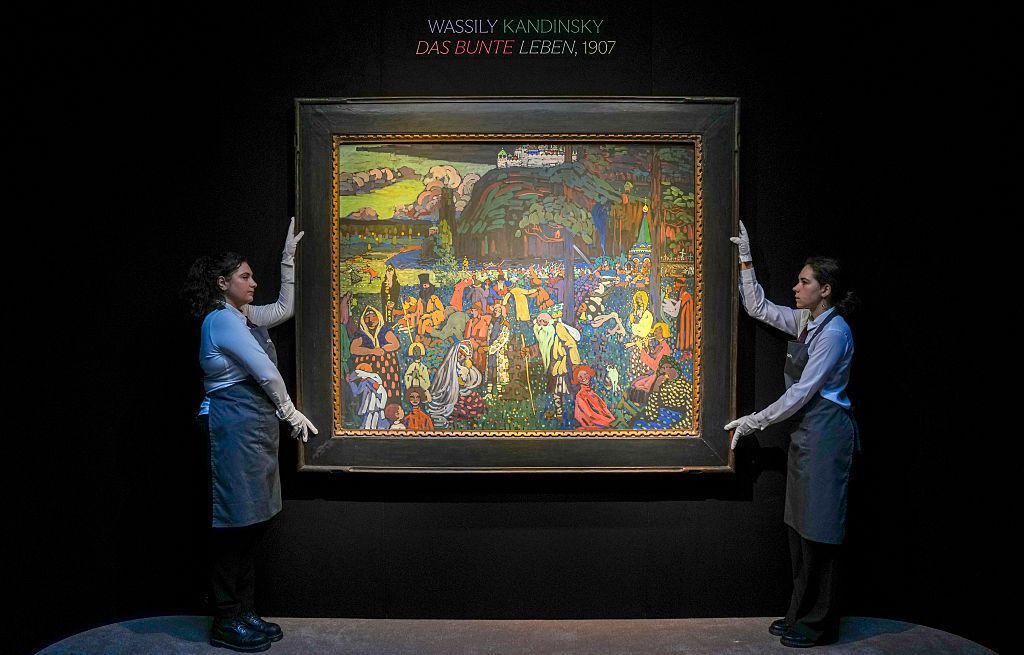
Wassily Kandinsky’s Das bunte Leben, a painting with a history shaped by wartime loss and a long restitution fight, has sold in London for about $42 million. The 1907 work, whose English title is The Colorful Life, returned to the heirs of its Dutch Jewish owners in 2023. Its sale now moves the canvas from a recovered family asset into new, undisclosed private ownership.
The result came at Christie’s 20th/21st Century London Evening Sale. For roughly six minutes, offers came from people in the room and from telephone bidders before the hammer fell. The amount exceeded the top end of the pre-auction valuation, which had been set at $33 million. Christie’s did not identify the successful bidder, leaving unanswered where the work will be displayed or whether it may remain publicly accessible.
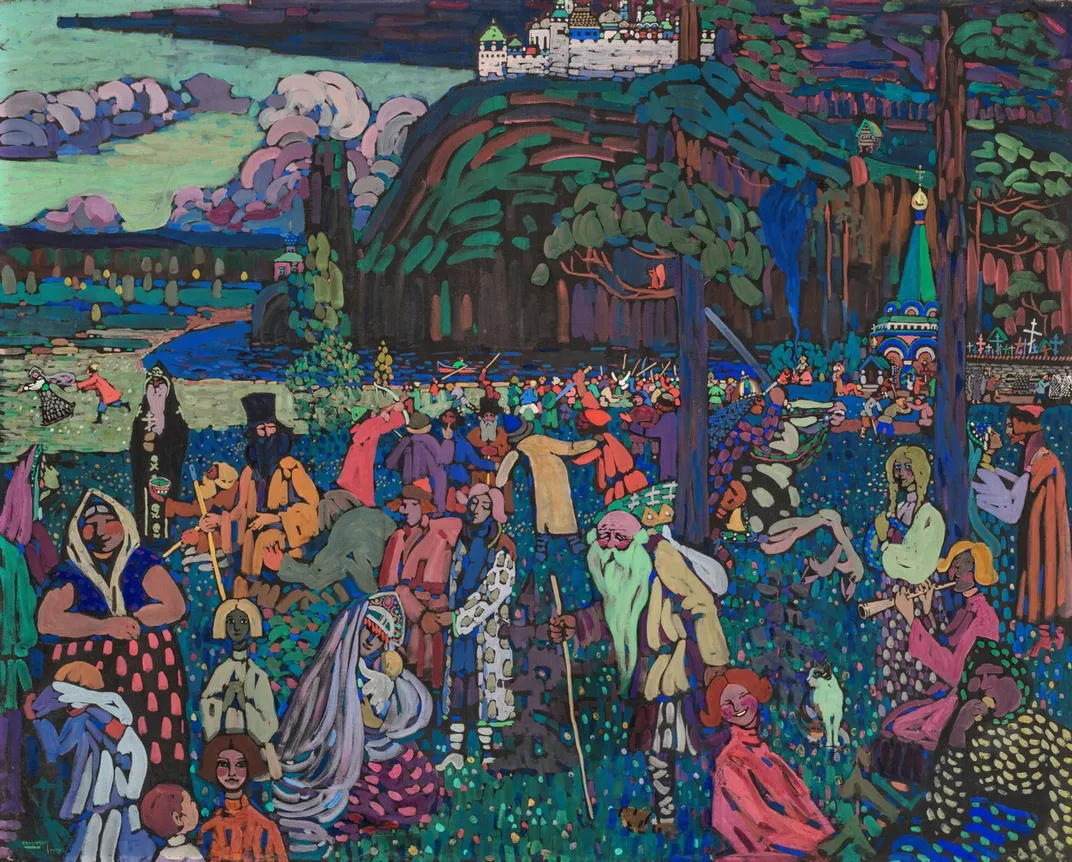
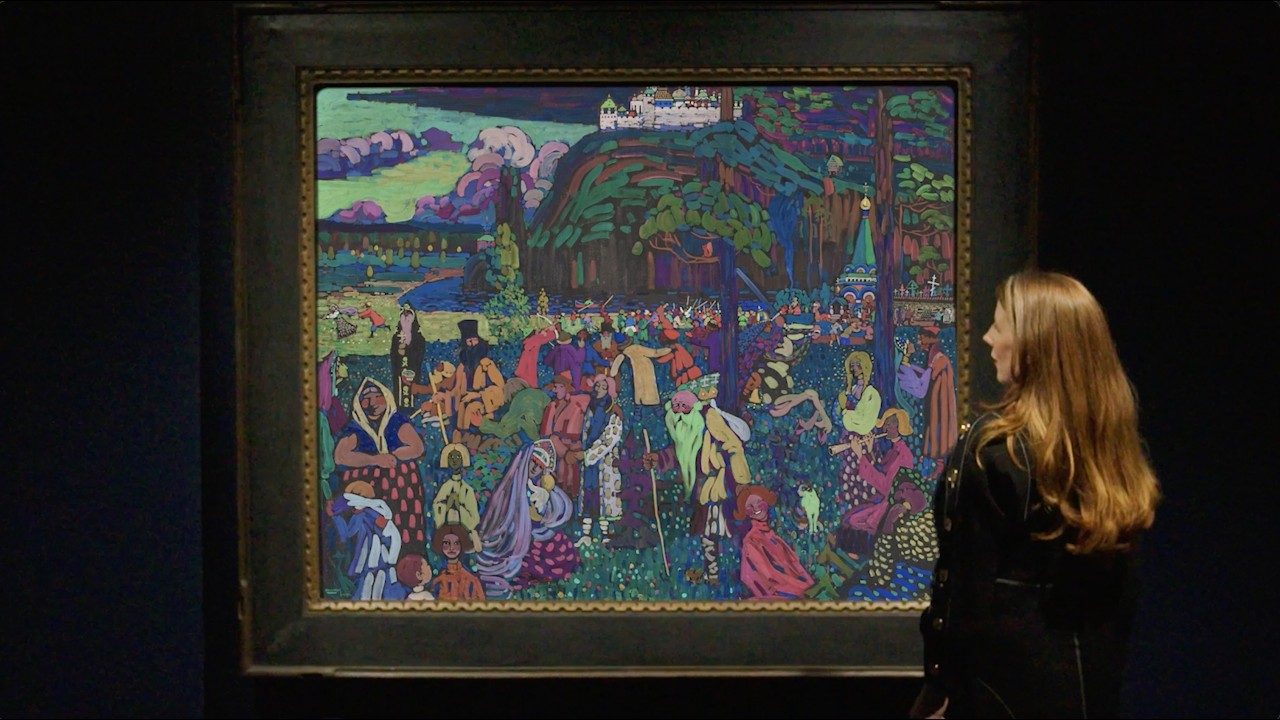
Adrien Meyer, the auctioneer, described the canvas as the most significant early Kandinsky to reach an auction. That assessment reflects both its scale and its place in the painter’s development. Made during a Paris stay with his partner, the German artist Gabriele Münter, it was Kandinsky’s largest painting when completed, measuring more than five feet across.
The picture belongs to the period before Kandinsky became closely associated with nonrepresentational painting. It combines influences from French Fauvism with imagery drawn from Russian folk traditions. Against a deep ground, its brightly colored figures include travelers, religious figures and celebrants. One scene includes a green-bearded older traveler; another sets embracing lovers apart from a funeral procession in the distance. An armored rider also refers to folk epics that later informed the emblem of Der Blaue Reiter, the Expressionist group Kandinsky helped establish in 1911.
Its provenance is inseparable from the price and attention surrounding the sale. In the 1920s, Dutch industrialist Emanuel Lewenstein and his wife, Hedwig Lewenstein-Weyermann, acquired the work. After Lewenstein died in 1930, his widow placed it with Amsterdam’s Stedelijk Museum for protection. When she died seven years later, the collection passed to the couple’s adult children, who fled Europe as Nazi power expanded.
German forces entered the Netherlands in May 1940. That October, paintings from the Lewenstein collection were auctioned in Amsterdam, including Kandinsky’s work. It sold for 250 Dutch guilders, an amount reported to be only a small fraction of its contemporary market value. The family had not authorized the disposal and received no payment from it, facts central to the later claim that the work was taken through Nazi persecution.
Following additional private transfers, Bayern LB, a German bank, bought the painting in 1972 and placed it on extended loan to Munich’s Lenbachhaus museum. Visitors there saw it for almost five decades. The Lewenstein descendants began legal action against the bank in 2017, turning a museum-held work into the subject of a disputed ownership case that lasted years.
A German advisory commission addressing art looted under Nazi rule recommended in 2023 that the canvas be returned to the family. The panel found substantial evidence pointing to a seizure connected to Nazi persecution, breaking the stalemate between the heirs and the bank. The restitution did not determine the painting’s future owner, but it gave the descendants control over whether to retain it, lend it, or offer it for sale.
The auction price approaches, but does not overtake, Kandinsky’s record at auction: Murnau With Church II sold for $45 million at Sotheby’s in 2023. For Christie’s, the London result closes one phase of a complicated ownership history. For the heirs, it brings a financial outcome after a multigenerational recovery effort. The buyer’s identity and plans for the painting remain the principal questions after the sale.
Source: Smithsonian Magazine
Related articles

Divers Recover a Mysterious Cauldron That Had Been Hiding at the Bottom of an English River for Hundreds of Years
Nobody knows how the three-legged iron cauldron ended up in the River Wear. Weeks before Halloween, it finally returned to the surface

Play Tractor online with friends — free
Real-time Sheng Ji / Tractor for 3–5 players, with complete bidding and trump rules across web, iOS and Android.
Play bidfive →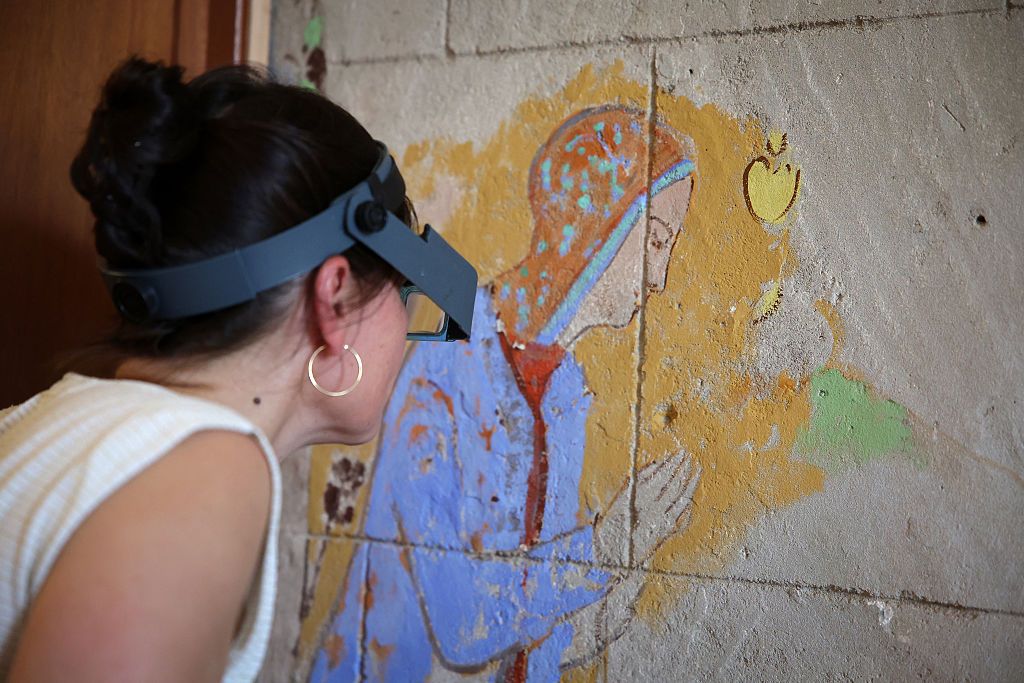
Specialists Removed Three Thrilling, Century-Old Murals From the Walls of a French Monastery. Beneath, They Made 'a Discovery for the History of Art'
Hidden under multi-paneled Symbolist murals by French artist Odilon Redon were sketches that he had drawn directly on the walls of the 11th-century Abbaye de Fontfroide
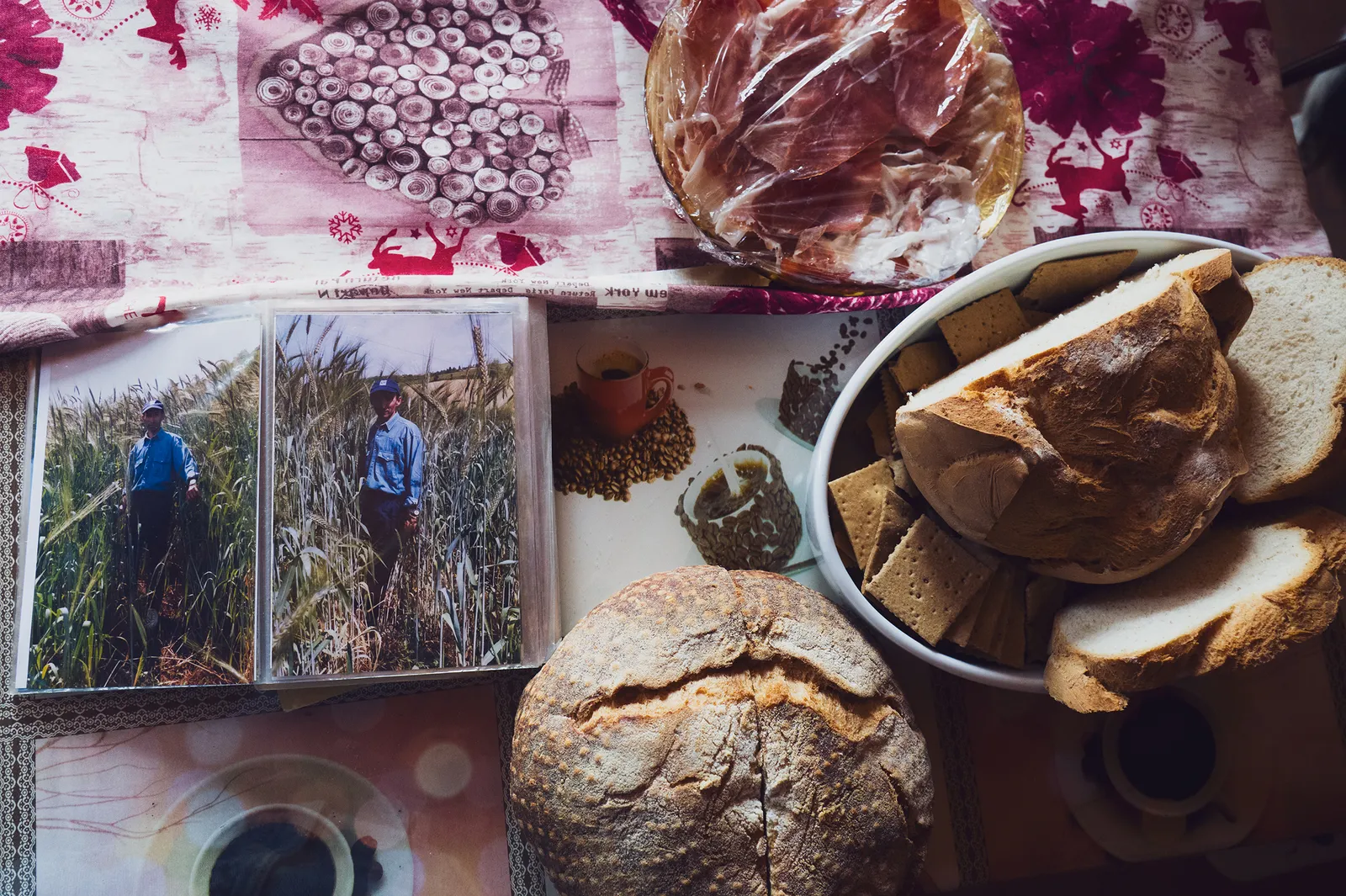
An Italian Farmer Found Some Unknown Seeds in His Attic and, With Nothing to Lose, Planted Them. The Result Was Almost Biblical
When a seven-eared stem emerged from the ground, it seemed like a miracle. What Claudio Grossi had unearthed was an ancient grain that proved to be an answer to some modern problems

GTA 6 guides, updates and practical reference
Explore a Chinese GTA 6 guide library covering the release, map, characters, missions, vehicles and weapons.
Browse guides →
Create AI images with your own API key
aixipi runs on desktop/web, uses your own model API balance, and avoids subscription lock-in.
Try aixipi →