
A Tiny Town in the Italian Riviera Has Its Own Version of Focaccia, and Let This Be a Warning—It's Addictive
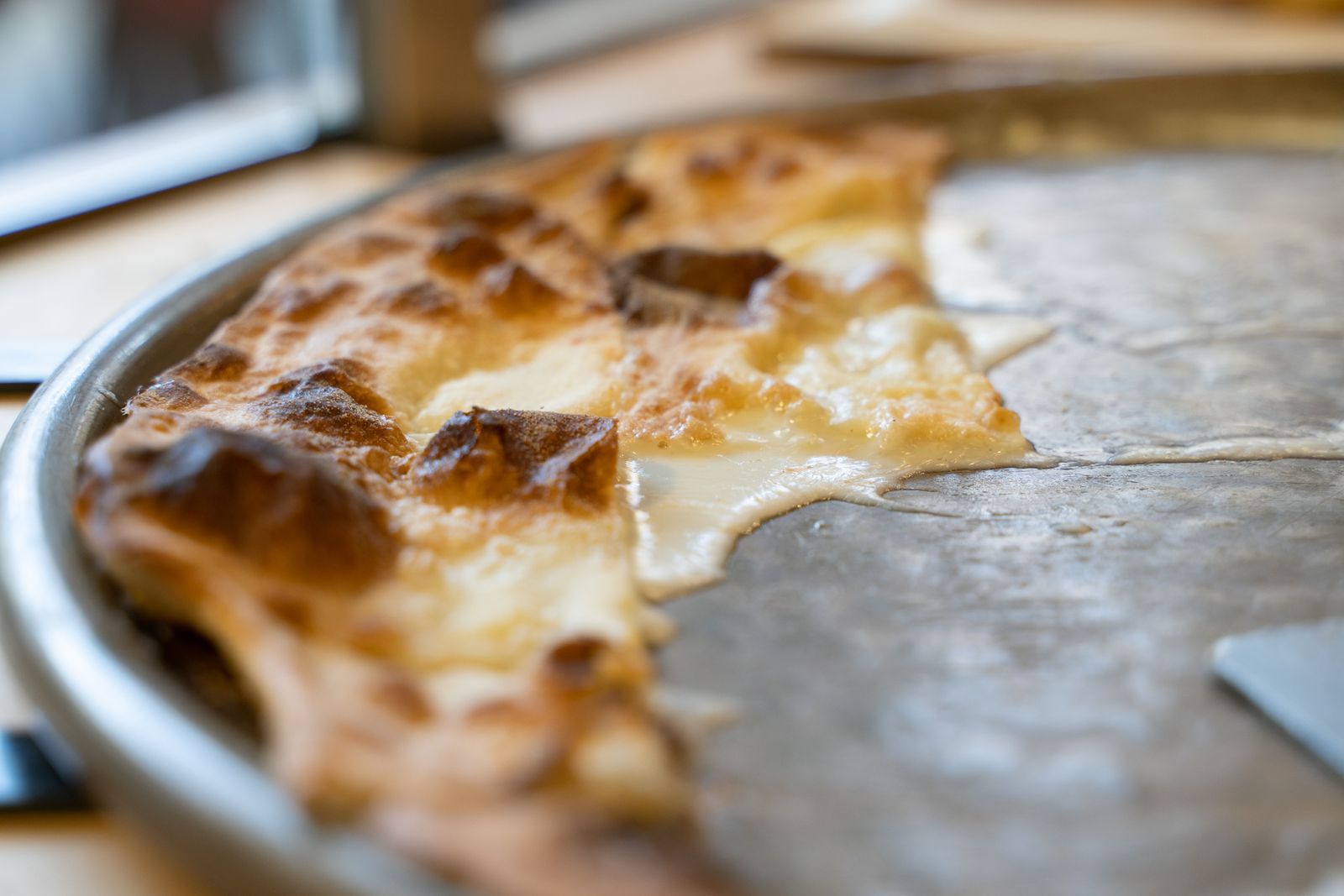
In the Italian Riviera town of Recco, focaccia takes a form that can surprise diners expecting the familiar bread sold under that name. The local version, known as focaccia di Recco, is not tall, soft or yeast-raised. It is a delicate, crackling flatbread enclosing melted cheese, a regional specialty whose contrast with standard focaccia is central to its appeal. Its reputation rests on that clear departure from the bread many diners believe they already know.
For many people in the United States, and for plenty of Italians as well, focaccia suggests a springy, airy loaf. That common style is made with yeast, baked in a rectangular pan and often used for scarpetta, the practice of sweeping up flavorful sauce from a plate. It is a useful starting image, but it can lead to an expectation that Recco's specialty does not meet. In Liguria, local pride points toward a markedly different benchmark.
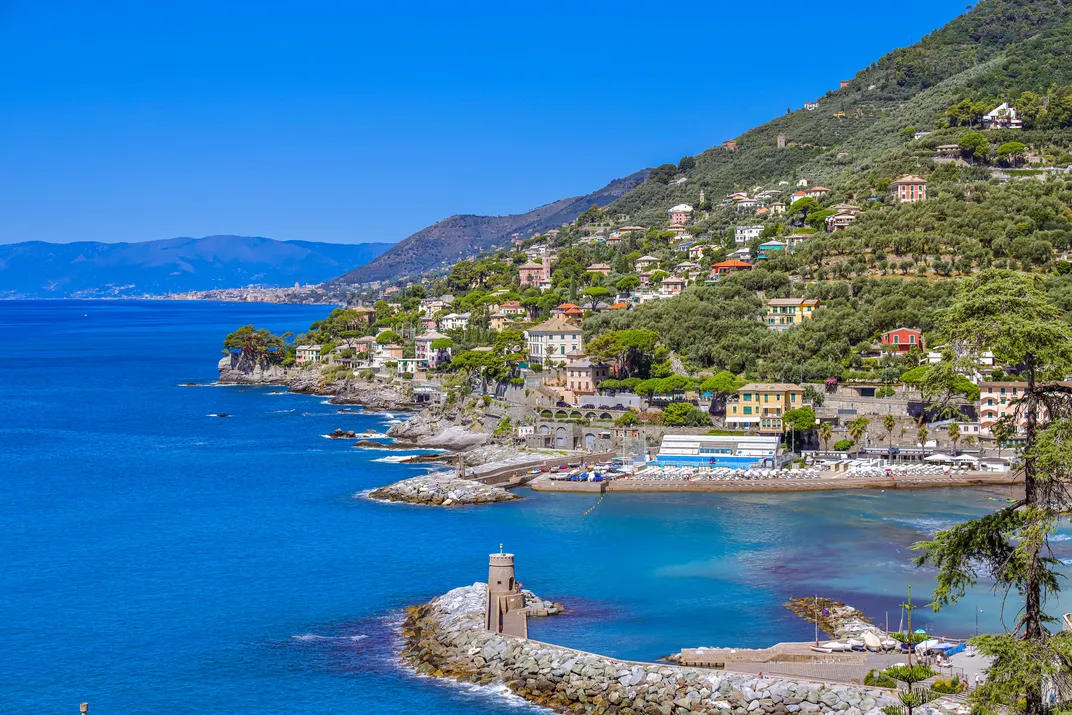
Residents of the region regard Recco's version as the focaccia that matters most. The distinction is not merely a variation in topping or presentation. It begins with a dough made without yeast and ends with a product designed around contrast: an exceptionally thin exterior, heat-driven crispness and a soft cheese center. That sequence gives the dish a separate identity even before questions of preference enter the discussion.
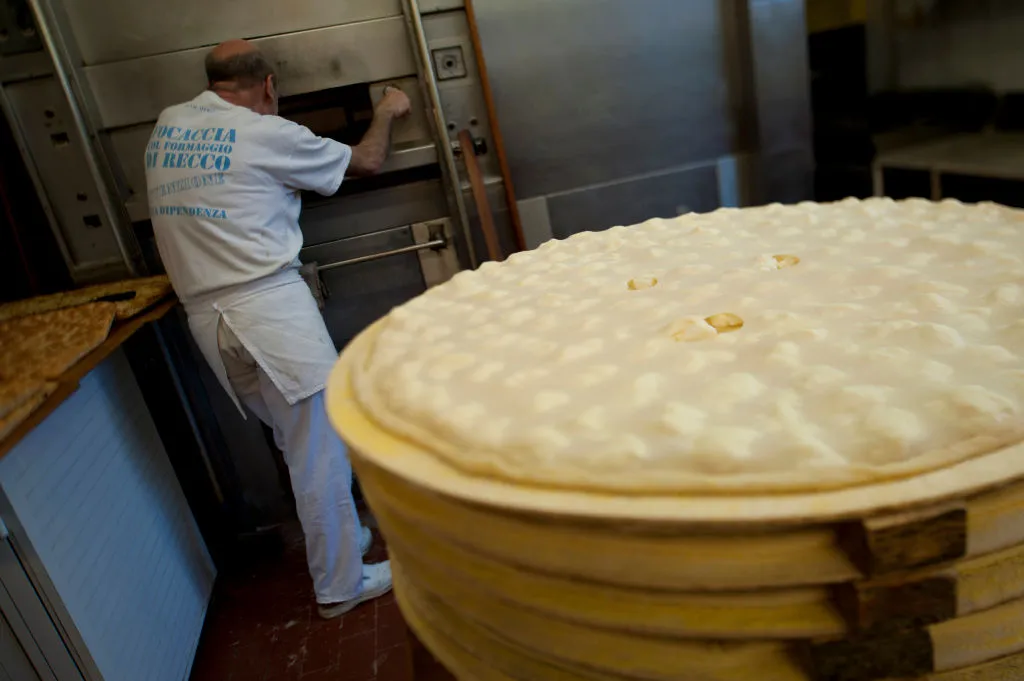
The filling is generally crescenza or stracchino, cheeses that become fluid when heated. The bread is cooked in an oven at very high temperature until its surface turns golden and brittle. The resulting snack bears little resemblance to the thicker, more breadlike focaccia commonly encountered elsewhere, even though both share the same broad name. Its crisp surface and gooey interior are not incidental details; together they describe the basic experience the recipe aims to deliver.
That difference also changes the way the dish is understood. A pan-baked, yeasted focaccia can be associated with softness and with carrying or collecting sauces. Focaccia di Recco, by contrast, puts its identity in the meeting of a crisp shell and warm cheese. Its defining features are therefore technique and proportion as much as the ingredients themselves. The comparison is less a contest between breads than a reminder that a shared name does not guarantee a shared texture, method or role at the table.
Giovanni Astolfoni, a Genoa-born chef and the executive chef at Botanico Restaurant in Nervi, describes the specialty as a link among food, people and place. In his view, it expresses local custom and authenticity rather than functioning only as a regional item to order. He also says it captures the character of Ligurian cooking. His description frames the dish as a cultural connection, not simply a contrast to an American-style expectation of focaccia.
The apparent simplicity can be misleading, Astolfoni cautions. The dish may look spare, but producing it well requires experience, patience and attention to the ingredients. That assessment offers an important counterweight to the idea that its short ingredient list makes it easy to reproduce: the thin, cheese-filled result depends on how those elements are handled and baked. The absence of yeast, the use of heat and the balance between crust and filling all make precision more visible than the ingredient list alone might suggest.
Recco's focaccia consequently illustrates how a familiar food label can conceal very different local traditions. Visitors and diners who arrive expecting a soft, risen bread may instead encounter a golden, crisp, unleavened preparation with cheese at its center. The comparison is useful precisely because neither version needs to erase the other; each reflects a different culinary purpose. One is recognized for its pillowy structure and usefulness beside sauces, while the other is built around a thin crust and molten cheese.
What to watch is whether the dish is approached on its own terms. Calling it focaccia creates an immediate reference point, yet the Recco specialty is defined by its distance from the widespread sheet-pan style. For Ligurians who elevate it above other forms, that distance is a statement of regional identity, craft and continuity as well as a matter of taste. The next encounter with the name may therefore call for a closer question: is it the soft yeast bread expected by many diners, or Recco's crisp, cheese-filled exception?
Source: Smithsonian Magazine
Related articles
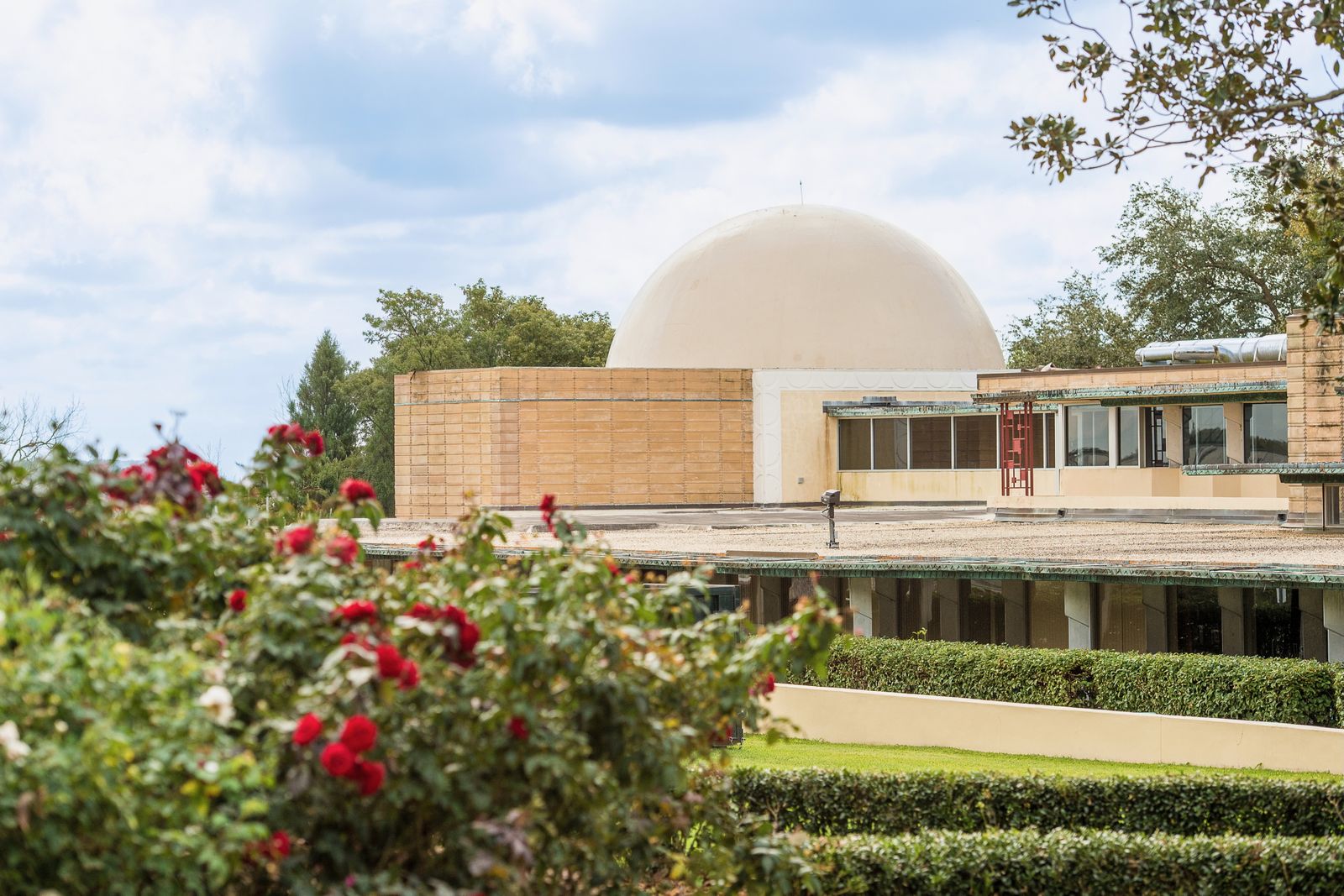
Immerse Yourself in the Cosmos at Frank Lloyd Wright's Only Planetarium, Recently Restored to Its Former Glory in Florida
Completed in 1958, the domed building is located on the campus of Florida Southern College, home to 13 Wright-designed buildings, the world's largest single-site collection of the architect's work

Play Tractor online with friends — free
Real-time Sheng Ji / Tractor for 3–5 players, with complete bidding and trump rules across web, iOS and Android.
Play bidfive →
A Team of Astronomers Thinks They Have Identified the Exact Night Sky That Inspired Vincent van Gogh's 'Starry Night.' Not Everyone Is Convinced
Very few night skies seen from the south of France during the summer of 1889 would match the scene on van Gogh's canvas. A new study argues that it could have been July 22

'Pretty Boy' Floyd, One of the Most Notorious Outlaws of the Great Depression, Was Shot and Killed in an FBI Raid 92 Years Ago
Some Americans lauded the 30-year-old bank robber as a Robin Hood-esque folk hero. Others castigated him as a violent criminal whose misdeeds were emblematic of the troubled era

GTA 6 guides, updates and practical reference
Explore a Chinese GTA 6 guide library covering the release, map, characters, missions, vehicles and weapons.
Browse guides →
Create AI images with your own API key
aixipi runs on desktop/web, uses your own model API balance, and avoids subscription lock-in.
Try aixipi →