
A Vast New Database Shows How Britain Built a Global Empire by Trading Goods Like Coal, Wine and Wood Closer to Home
Britain’s rise as an imperial power rested far more heavily on nearby sea lanes than on far-flung colonial exchanges, according to a new digital archive built from historic shipping records. The searchable project traces the movement of vessels and cargoes from 1565 onward, offering an unusually detailed view of the commercial system that linked British ports to domestic and European markets while overseas empire was expanding.
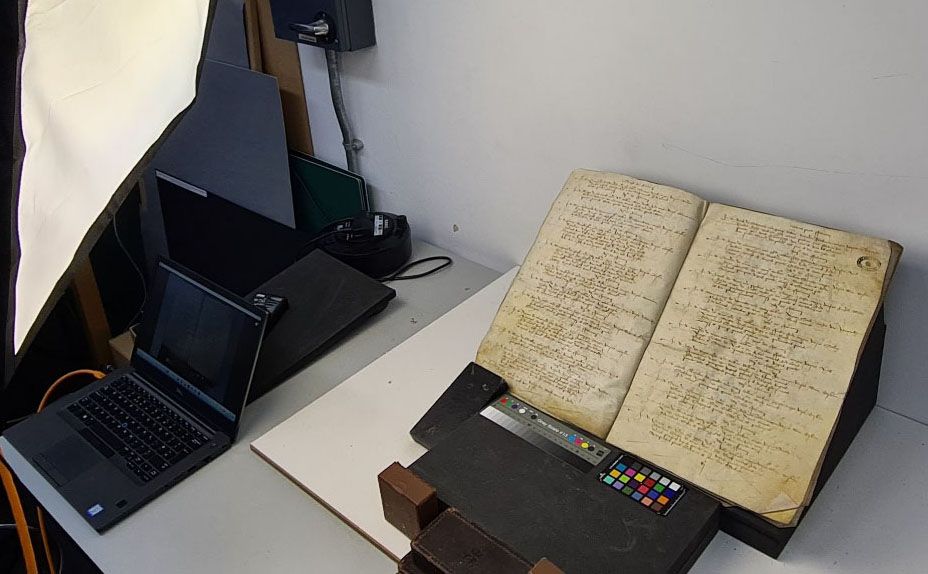
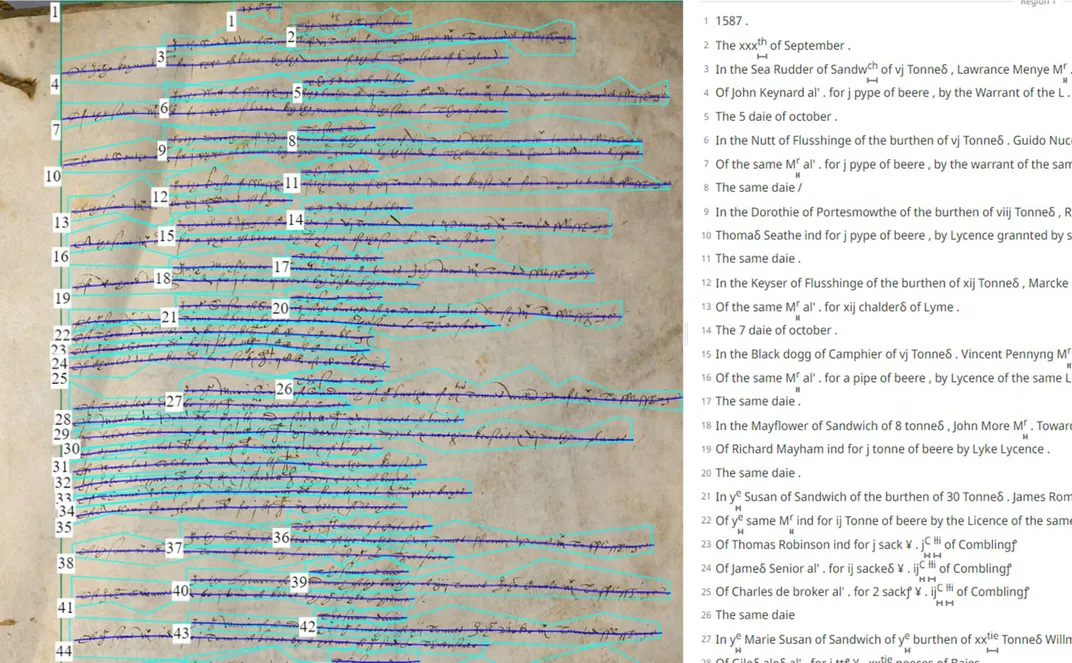
The database was assembled from hundreds of thousands of handwritten customs documents known as port books. These records logged ships, their routes, destinations and goods, leaving a dense but difficult-to-use account of maritime activity over centuries. Researchers used artificial intelligence to work through that material and turn it into an interactive resource that lets users follow patterns in Britain’s trade.
The resulting picture complicates a familiar emphasis on imperial connections in Asia and the Americas. Britain did build important relationships across the world, but the research indicates that its commercial core remained much closer to home between the late 16th century and the middle of the 18th. Shorter journeys within the British Isles and across European waters made up a large share of the trade supporting the growing empire.
One period illustrates the scale of that reliance. In 1696 and 1697, European markets produced 80 percent of the value of Britain’s worldwide trade, the project’s findings show. The figure does not erase Britain’s colonial activity or the significance of its distant connections. Instead, it places those ties beside the regular exchange with neighboring countries and domestic ports that generated most of the recorded value at that time.
Goods such as coal, wine and wood help convey the practical character of this trade. Their movement depended on recurring routes rather than occasional expeditions, tying producers, merchants and ports into a network that crossed relatively nearby waters. The archive makes it possible to examine those connections alongside longer voyages, rather than treating Britain’s commercial story as a simple march outward from Europe.
John McAleer, a University of Southampton historian and co-leader of the project, said the findings show Europe remained Britain’s leading overseas commercial area even centuries ago. His point is a useful corrective to a narrative that can make global empire appear economically separate from its regional foundations. Britain’s expanding reach and its European trade were not competing histories; they operated at the same time.
The port books are especially valuable because they preserve details that broad national totals can obscure. A list of customs entries can reveal where ships departed, where they were headed and what they carried, making it possible to map commercial relationships at a more granular level. In their original handwritten form, however, the scale of the collection made comparison across places and years a formidable task.
Turning those documents into a public, searchable database creates a new way to test established assumptions about the empire’s economic development. Users can explore routes and commodities through an interactive map, while historians can compare local, European and more distant trading patterns from the surviving records. The project does not argue that Britain lacked a global presence; it shows that global expansion existed alongside a much larger regional trading base.
There are limits to what any customs archive can settle on its own. The database reflects information preserved in port records and therefore offers a record of documented shipping and cargo, not a complete account of every economic relationship connected to empire. Its value lies in making a vast body of evidence easier to inspect, and future research can use it to ask more precise questions about how particular ports, products and destinations changed over time.

Source: Smithsonian Magazine
Related articles

Immerse Yourself in the Cosmos at Frank Lloyd Wright's Only Planetarium, Recently Restored to Its Former Glory in Florida
Completed in 1958, the domed building is located on the campus of Florida Southern College, home to 13 Wright-designed buildings, the world's largest single-site collection of the architect's work

Play Tractor online with friends — free
Real-time Sheng Ji / Tractor for 3–5 players, with complete bidding and trump rules across web, iOS and Android.
Play bidfive →
A Team of Astronomers Thinks They Have Identified the Exact Night Sky That Inspired Vincent van Gogh's 'Starry Night.' Not Everyone Is Convinced
Very few night skies seen from the south of France during the summer of 1889 would match the scene on van Gogh's canvas. A new study argues that it could have been July 22

'Pretty Boy' Floyd, One of the Most Notorious Outlaws of the Great Depression, Was Shot and Killed in an FBI Raid 92 Years Ago
Some Americans lauded the 30-year-old bank robber as a Robin Hood-esque folk hero. Others castigated him as a violent criminal whose misdeeds were emblematic of the troubled era

GTA 6 guides, updates and practical reference
Explore a Chinese GTA 6 guide library covering the release, map, characters, missions, vehicles and weapons.
Browse guides →
Create AI images with your own API key
aixipi runs on desktop/web, uses your own model API balance, and avoids subscription lock-in.
Try aixipi →