
Abraham Accords countries hold first official meeting since Oct. 7 attacks
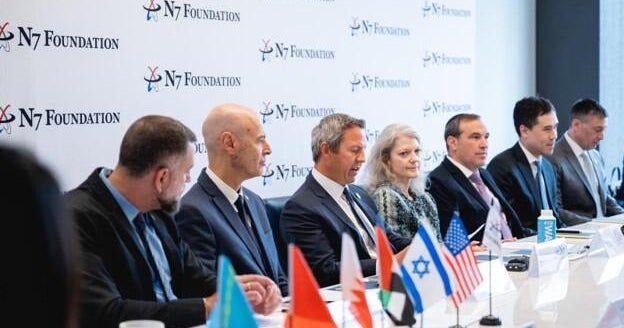
U.S. officials convened representatives of Israel, the United Arab Emirates, Bahrain and Morocco in New York on Thursday, marking the first formal gathering of Abraham Accords partners since Hamas’ Oct. 7, 2023 assault on Israel. Kazakhstan also sent officials to the meeting, its first participation in this forum, as it continues to signal an interest in becoming part of the diplomatic framework. Its presence did not itself complete accession, which would require the anticipated formal process.
The session took place in a Midtown Manhattan office building, on its 43rd floor, rather than at the nearby United Nations General Assembly. That comparatively low-profile setting, roughly 10 blocks from the UN meetings, underscored an effort to restart work on regional normalization away from the larger diplomatic stage. State Department personnel joined the talks on behalf of the United States, while the separate location allowed the group to focus on its own agenda during a major week of international diplomacy.
The Abraham Accords are agreements establishing normal diplomatic ties between Israel and several Muslim-majority countries. The initial accord was signed in 2020, during President Donald Trump’s first administration. The UAE and Bahrain became the first Gulf Arab states to formally recognize Israel under the process, and Morocco joined soon afterward. The accords created a channel for countries that had not previously maintained normal relations with Israel to engage officially.
Before the Oct. 7 attack, the arrangement had been gaining momentum as a possible vehicle for bringing additional countries into the fold. That trajectory was interrupted after the Hamas assault and the conflicts that followed in Gaza, Lebanon and Iran. The disruption left efforts to broaden the framework across the Middle East, Africa and Asia without the progress diplomats had anticipated. It also changed the context in which any renewed regional diplomatic initiative would be judged.
Thursday’s meeting therefore carried importance beyond the participants in the room. It brought the five existing parties together in an official format after a nearly three-year break, giving them an opportunity to assess whether the process can regain traction despite the region’s unresolved conflicts. It also placed expansion back on the agenda, though attendance alone does not settle questions about when or how other states could join. The meeting was a resumption of a diplomatic conversation, rather than an announcement that new membership had been finalized.
Kazakhstan’s presence supplied the clearest immediate indication of that expansion effort. The Central Asian country said last year that it wanted to enter the accords. President Trump announced its intention to do so after meeting Kazakhstan’s President Kassym-Jomart Tokayev in the Oval Office in November 2025, while indicating that a formal signing ceremony would follow. A representative of the Kazakh Embassy described the New York gathering as a concrete move toward enlargement.
For Kazakhstan, the prospective partnership has been linked to cooperation in technology and transportation. Those interests illustrate how the accords are intended to extend beyond diplomatic recognition into practical ties among governments. Participants in Thursday’s discussions considered the steps needed to formalize cooperation among the existing members, according to a person familiar with the meeting. The outcome was not a new agreement, but the discussion pointed toward continued work on institutional links and potential areas of collaboration.
The talks were led for the United States by Allison Hooker, the State Department’s under secretary for political affairs. They were hosted by the N7 Foundation, a U.S. organization that has arranged multilateral Abraham Accords meetings since 2021. Jeffrey Talpins, the foundation’s founder, chaired the session. Other attendees included officials associated with the State Department, the Board of Peace, and the N7 Foundation, reflecting involvement from both government and organizations focused on the accord’s future.
Supporters of the accords see renewed contact as a way to strengthen relationships already established and identify shared projects. The more cautious reading is that the gathering represents a reopening, not proof that expansion has been restored. Its significance will depend on whether the countries can turn discussion into formal cooperation, whether Kazakhstan completes its proposed entry, and whether conditions allow other governments to revisit a process stalled since the violence that began on Oct. 7. Those questions, rather than the meeting alone, will determine the next phase.
Source: CBS World
Related articles
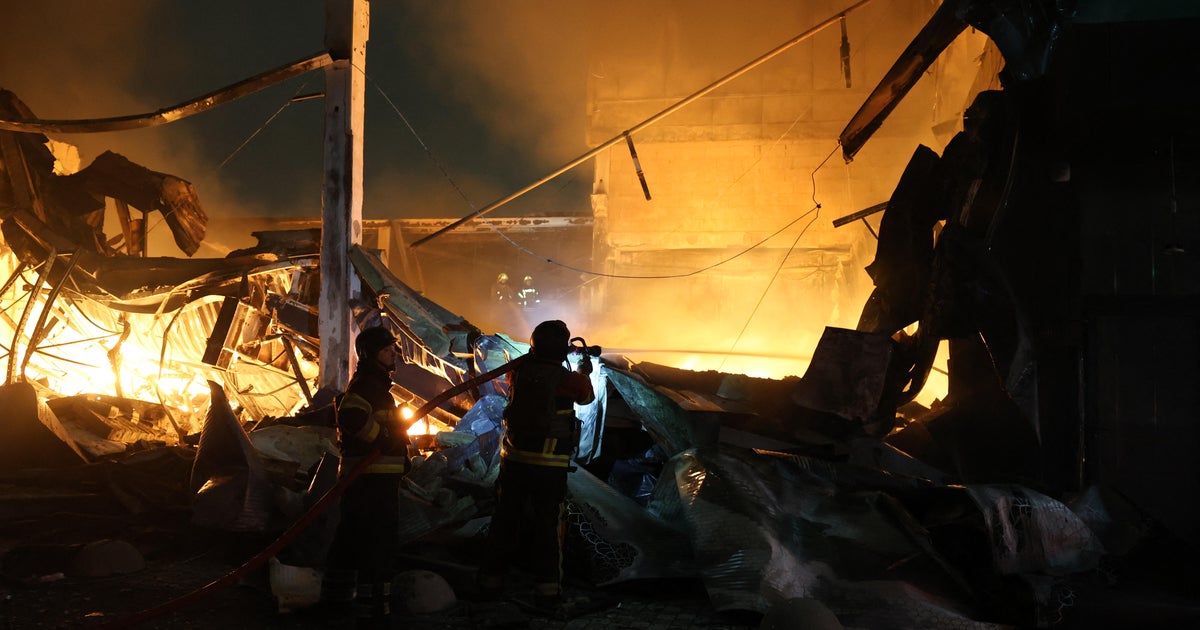
Zelenskyy accuses Russia of using cluster warheads in deadly strikes
Russia launched the strikes on Ukraine less than a day after negotiations to end the war, which also involved the United States, ended in St. Petersburg.

Create AI images with your own API key
aixipi runs on desktop/web, uses your own model API balance, and avoids subscription lock-in.
Try aixipi →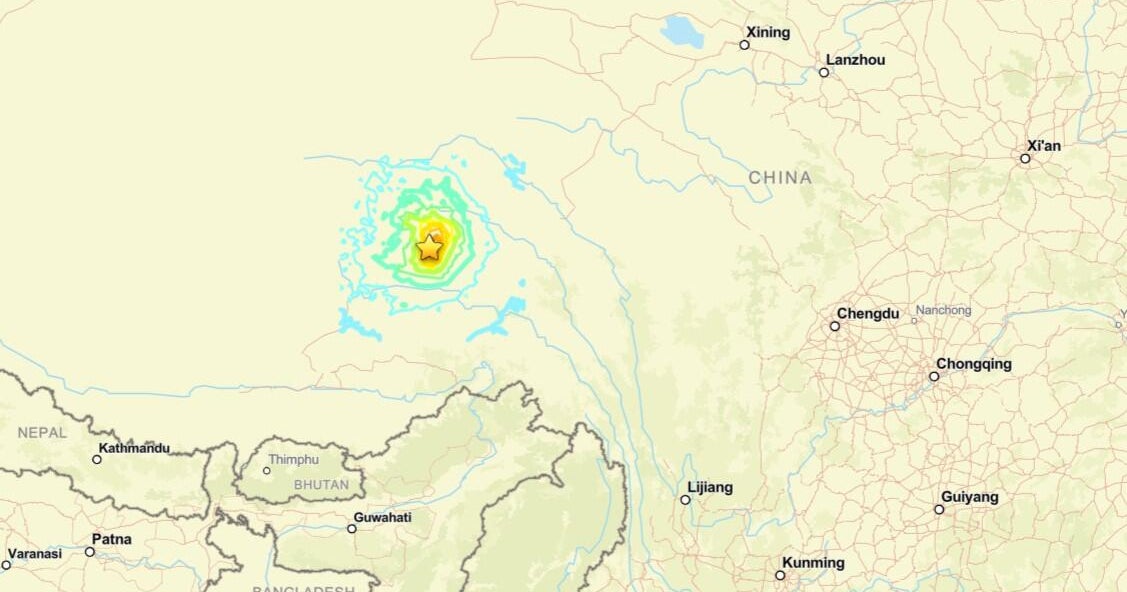
At least 16 dead when powerful 7.0 magnitude earthquake strikes Tibet
It was the biggest earthquake in the region in the last five years, China

See how Big Tech is transforming Spain's landscape
A drought-stricken region of northeast Spain has become a focus for American companies searching for locations to place their data centers.