
After losing son, couple welcomes daughter born from embryo frozen for 22 years
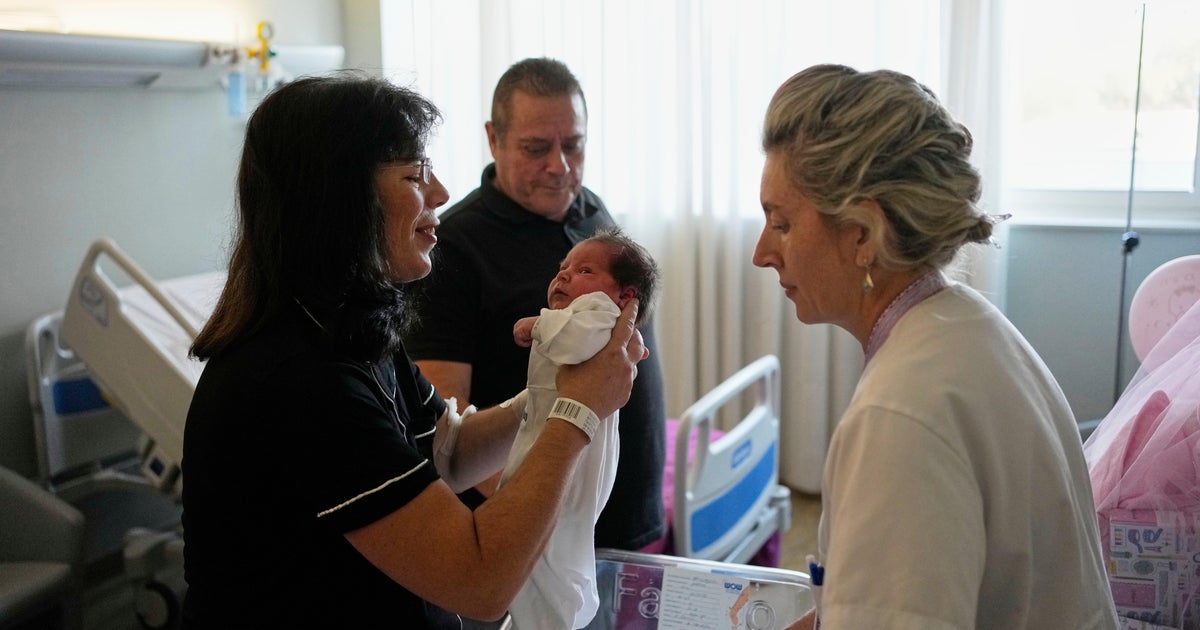
A Greek couple who lost their only son in a road collision has welcomed a baby girl after treatment involving an embryo that had been kept frozen for 22 years. The child, born last week, has been named Georgia, a tribute to her late brother Giorgos. Her arrival follows a decision made during an intensely difficult period for the family and a tightly timed effort to meet Greece’s fertility-treatment rules.
Cristina Rapti-Tzelepi and her husband chose to try again only months after Giorgos was killed in October. He was 21. Rapti-Tzelepi, 54, turned to an embryo created years earlier and preserved through cryogenic storage, making the newborn’s birth the outcome of a reproductive plan that had remained on hold for more than two decades.
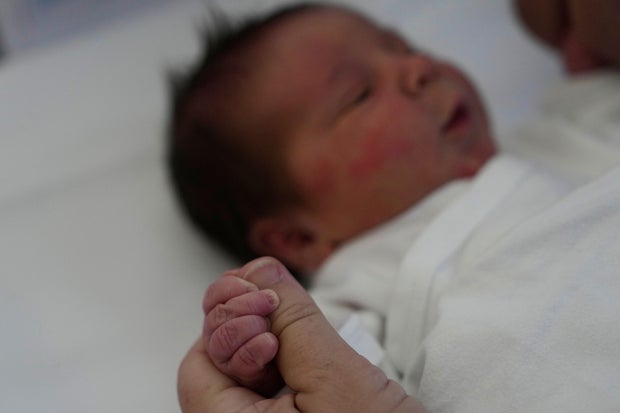
The couple’s path was shaped not only by grief but also by a legal clock. Greece sets 54 as the upper age at which a woman can undergo in vitro fertilization procedures. Rapti-Tzelepi was approaching that threshold when the process began, leaving little margin to complete the medical steps and obtain the required clearance from the country’s national authority.
That approval requirement placed the case in a broader system of oversight, rather than leaving it solely to a family and a clinic. The available account does not set out every medical or administrative stage of the treatment. It does make clear, however, that timing mattered from the outset: the relevant procedures and authorization had to be secured while Rapti-Tzelepi remained eligible under the age rule.
In vitro fertilization, commonly known as IVF, can involve creating embryos outside the body and freezing them for possible later use. Freezing can preserve embryos over long periods, but treatment still requires medical decisions, administrative approval and compliance with the rules in force where the patient is treated. Stored embryos may offer patients a future option, but their existence does not make a later pregnancy automatic. In this case, the 22-year interval between storage and birth is central to the family’s story.
Georgia’s birth has drawn attention to the way advances in reproductive medicine can intersect with rules written to address age, safety and oversight. An embryo’s storage history does not remove the need for a patient to satisfy current eligibility requirements. For Rapti-Tzelepi, the age limit meant the opportunity was finite even though an embryo had already been available.
The family’s decision also illustrates the personal stakes behind fertility policy. A statutory cut-off can offer a clear boundary for regulators and clinics, while people facing it may experience the deadline as a decisive constraint on deeply private choices. Supporters of firm limits may see them as an element of consistent oversight, while others may focus on the narrow window left to individuals near the threshold. The report does not indicate that the case changes Greece’s policy; rather, it shows how closely the couple’s treatment was tied to the existing limit.
There are important limits to what the birth represents. A successful pregnancy after long-term embryo storage does not determine what outcome another patient will have, and it does not answer wider questions about who should qualify for IVF at later ages. Those questions involve medical assessments, national regulations and individual circumstances that vary from one case to another. The story provides no basis for treating this outcome as a general guarantee for people with embryos in storage.
What comes next for the family is not described in the report, and the case should not be read as a prediction about future policy. Its significance lies in the combination of a 22-year-old frozen embryo, a narrowly met treatment deadline and a family’s effort to move forward after the death of a child. That convergence made the timing of every required step especially consequential for the couple. Georgia’s name ensures that Giorgos remains part of that new chapter.
Source: CBS World
Related articles
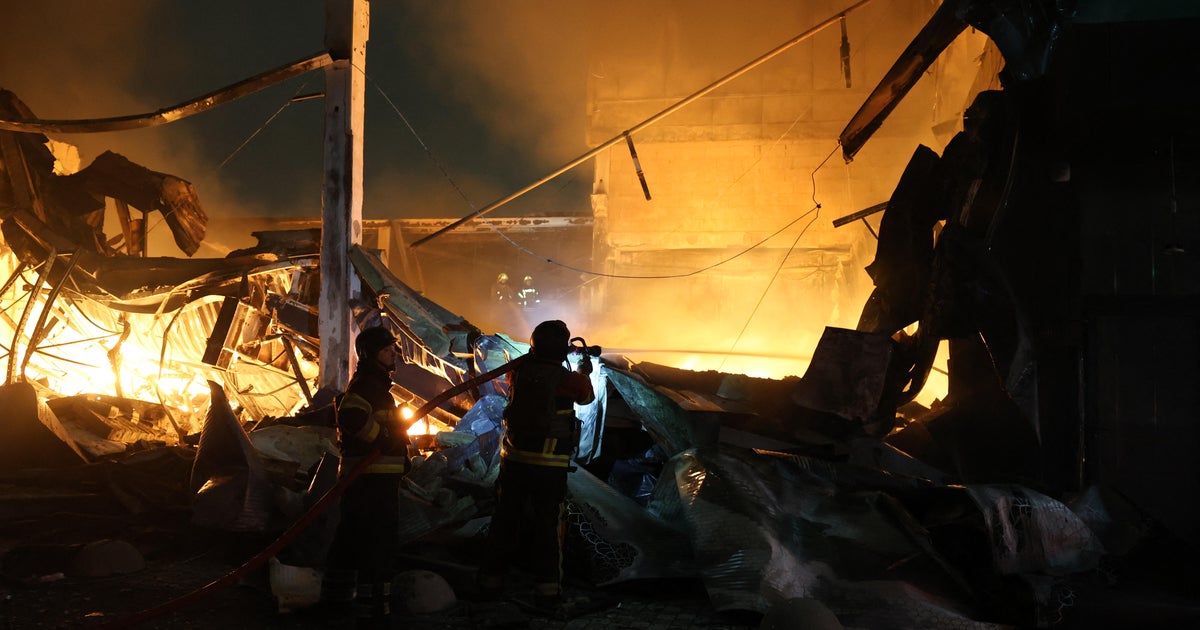
Zelenskyy accuses Russia of using cluster warheads in deadly strikes
Russia launched the strikes on Ukraine less than a day after negotiations to end the war, which also involved the United States, ended in St. Petersburg.

Create AI images with your own API key
aixipi runs on desktop/web, uses your own model API balance, and avoids subscription lock-in.
Try aixipi →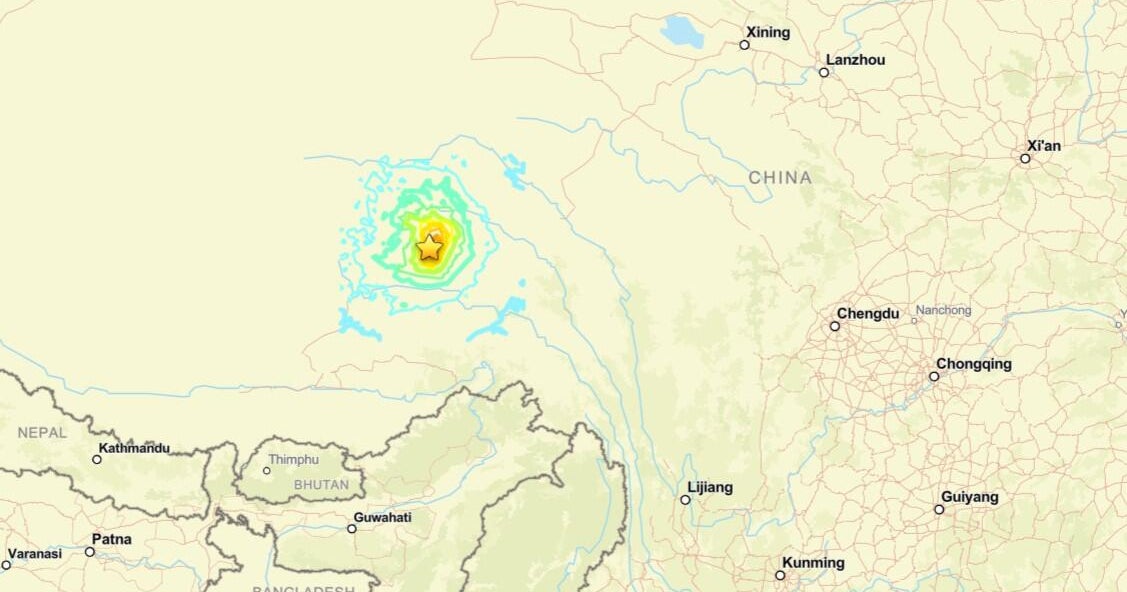
At least 16 dead when powerful 7.0 magnitude earthquake strikes Tibet
It was the biggest earthquake in the region in the last five years, China

See how Big Tech is transforming Spain's landscape
A drought-stricken region of northeast Spain has become a focus for American companies searching for locations to place their data centers.