
An Otter Just Returned to New York City's Bronx River for the First Time in a Century. Now, You Can Help Name It
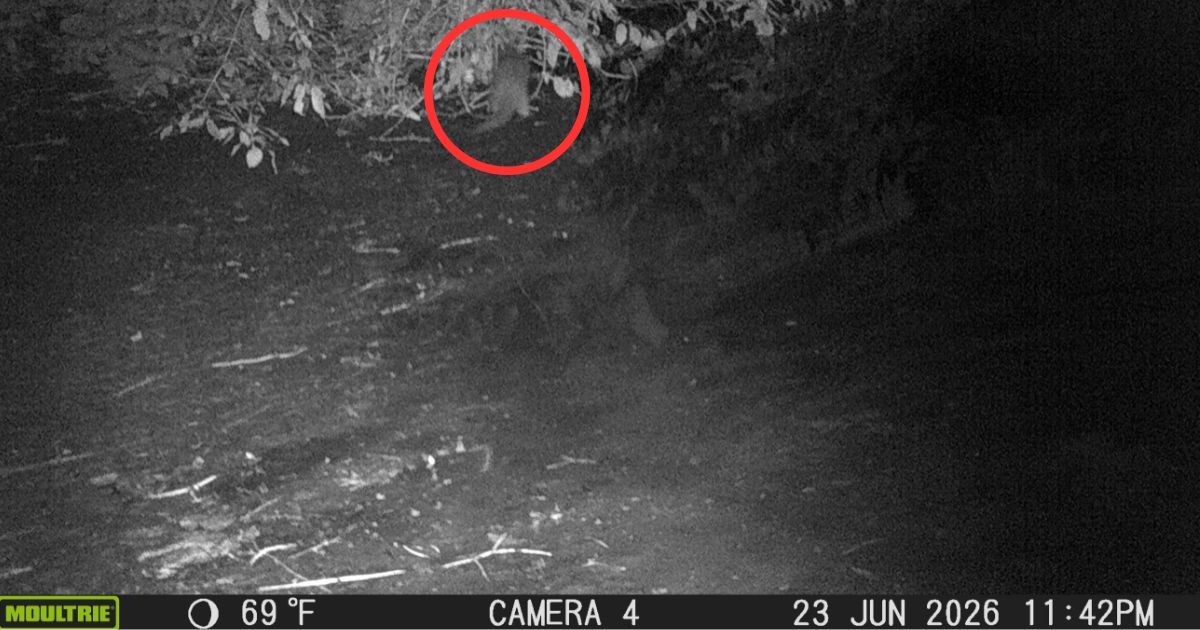
An otter has been recorded in New York City’s Bronx River for the first time in roughly a century, a striking wildlife sighting in a waterway long associated with urban pollution. A trail camera captured the animal earlier this summer, creating a new marker for the river’s ongoing revival. The discovery has also prompted a public naming campaign centered on people whose work and advocacy helped shape the Bronx and its river.
The camera image offers an encouraging sign after many years of restoration efforts along the Bronx River. Once heavily degraded, the river has been the focus of sustained work intended to improve its condition and reconnect surrounding communities with the waterway. The otter’s appearance does not by itself establish a permanent return, but it provides a visible indication that the river’s changing environment may be supporting more wildlife.
Wildlife sightings can carry particular weight in a densely built city, where rivers often serve as both ecological corridors and public spaces. An animal moving through the Bronx River is therefore more than an unusual photograph: it has become a moment for residents to consider the longer story of the waterway, including the campaigns and local organizing that pushed its recovery forward over decades.
The Bronx River Alliance and the Bronx Zoo have selected three possible names for the animal: Nessie, Ruthie and Morgan. Each choice honors a person connected to positive change in the Bronx River community or in the borough more broadly. Rather than treating the name as a simple novelty, the organizers have tied the vote to figures whose efforts helped build attention, momentum and support around the river.
Nessie refers to Nessie Panton, an advocate whose involvement dates back to the 1970s. Her proposed namesake reflects a long-running commitment to community advocacy during a period when the river’s future was far from assured. Including Panton in the vote highlights how environmental renewal is often linked to people who maintain pressure and public interest across many years.
Ruthie recognizes Ruth Anderberg, known as the “Founding Mother” of Bronx River Restoration. Anderberg was associated with the organization that came before the Bronx River Alliance, placing her work near the roots of the current restoration movement. The nomination connects the otter’s unexpected return with an earlier generation of organizers who helped establish the foundation for the work continuing today.
Morgan is a tribute to Morgan Powell, an activist and historian. That selection broadens the focus beyond the river itself by acknowledging the ways local history, civic action and environmental stewardship can overlap. The three options collectively frame the naming effort as a recognition of community leadership, while allowing the public to choose which legacy will become attached to the animal.
Members of the public can take part by leaving a comment on the Bronx River Alliance’s Instagram post with their preferred name. The voting period ends at 11:59 p.m. Eastern time on September 29. Organizers plan to reveal the winning choice on October 1, giving the campaign a defined conclusion while drawing attention back to the trail-camera sighting.
For now, the otter remains a rare and closely watched presence in the Bronx River rather than evidence of a confirmed, lasting population. What comes next will depend on whether additional observations emerge and whether the animal continues to use the waterway. Still, the photograph has given a decades-long restoration story a memorable new symbol—and a public vote rooted in the people who helped make that progress possible.
Source: Smithsonian Magazine
Related articles
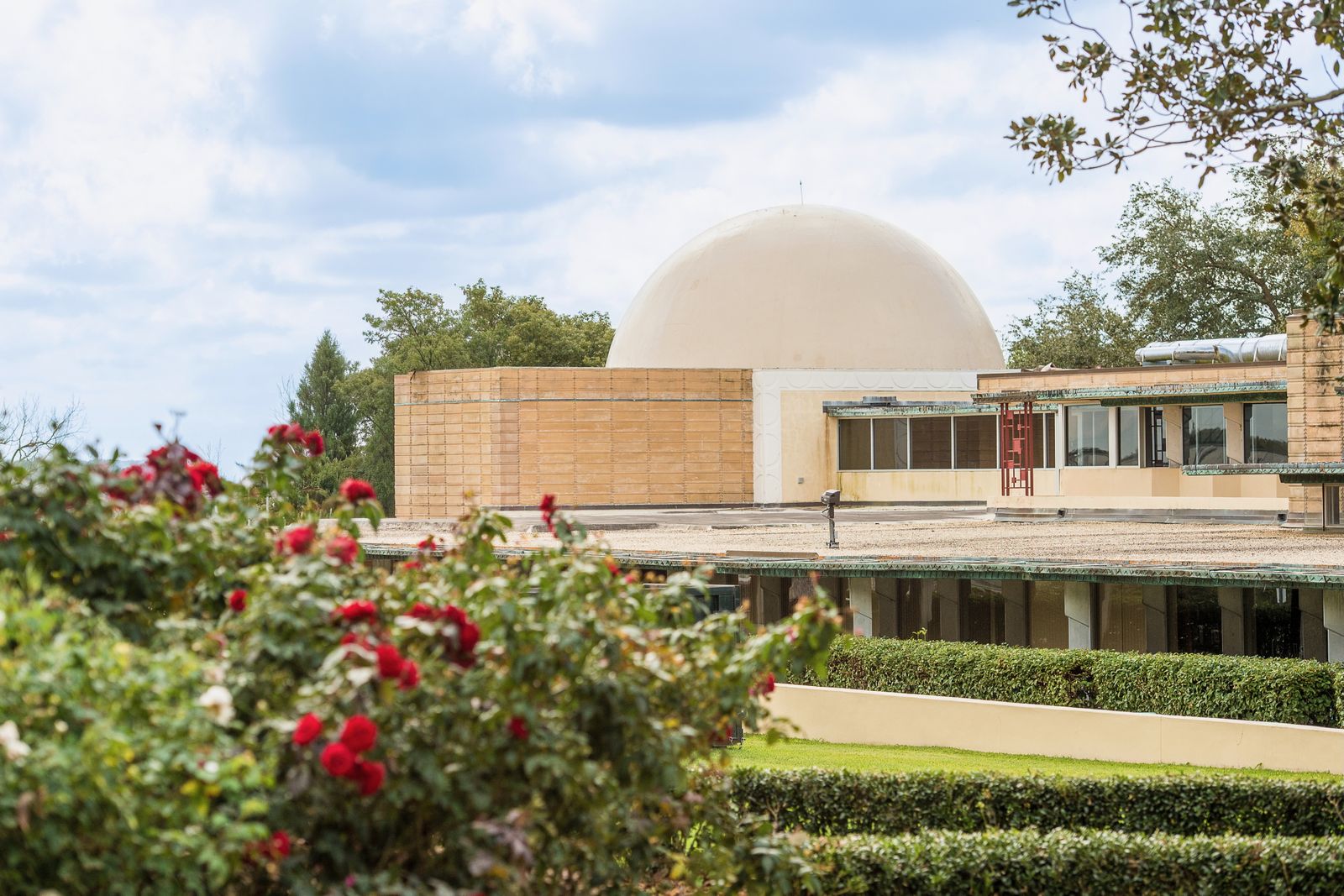
Immerse Yourself in the Cosmos at Frank Lloyd Wright's Only Planetarium, Recently Restored to Its Former Glory in Florida
Completed in 1958, the domed building is located on the campus of Florida Southern College, home to 13 Wright-designed buildings, the world's largest single-site collection of the architect's work

Play Tractor online with friends — free
Real-time Sheng Ji / Tractor for 3–5 players, with complete bidding and trump rules across web, iOS and Android.
Play bidfive →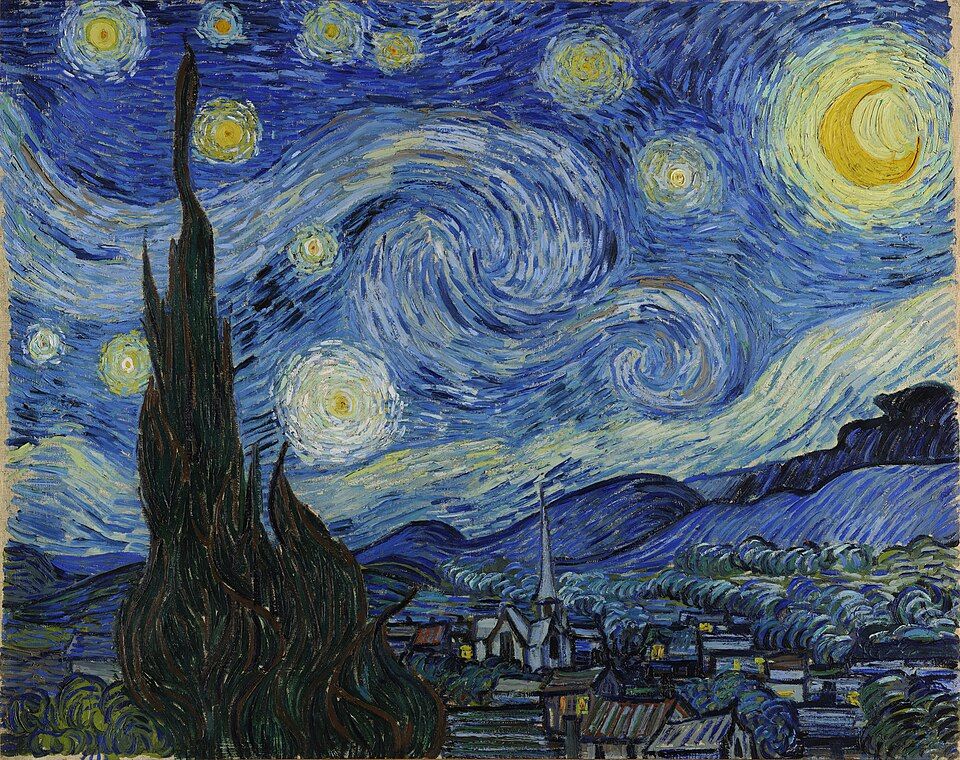
A Team of Astronomers Thinks They Have Identified the Exact Night Sky That Inspired Vincent van Gogh's 'Starry Night.' Not Everyone Is Convinced
Very few night skies seen from the south of France during the summer of 1889 would match the scene on van Gogh's canvas. A new study argues that it could have been July 22

'Pretty Boy' Floyd, One of the Most Notorious Outlaws of the Great Depression, Was Shot and Killed in an FBI Raid 92 Years Ago
Some Americans lauded the 30-year-old bank robber as a Robin Hood-esque folk hero. Others castigated him as a violent criminal whose misdeeds were emblematic of the troubled era

GTA 6 guides, updates and practical reference
Explore a Chinese GTA 6 guide library covering the release, map, characters, missions, vehicles and weapons.
Browse guides →
Create AI images with your own API key
aixipi runs on desktop/web, uses your own model API balance, and avoids subscription lock-in.
Try aixipi →