
Archaeologists May Have Solved the Mystery of a Roman Sarcophagus Excavated at Westminster Abbey in 1869
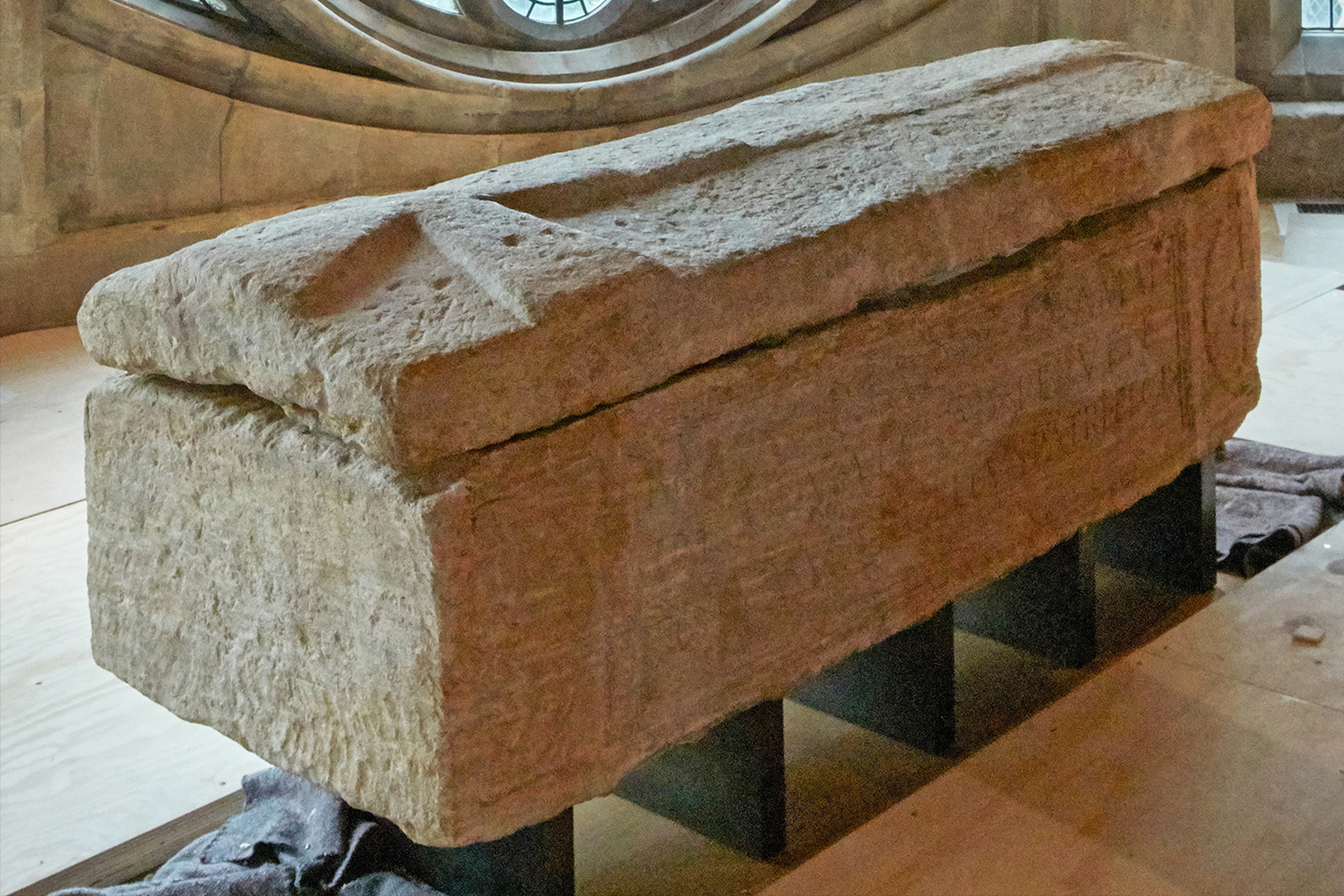
A Roman stone coffin uncovered beneath Westminster Abbey more than 150 years ago may finally have an owner. Fresh work by archaeologist and architectural historian Warwick Rodwell indicates that the sarcophagus was reused around the 10th or 11th century for an abbot connected with the monastery that later became the celebrated London abbey. The conclusion would explain why an object made in the Roman world appeared in a place best known for its medieval history.
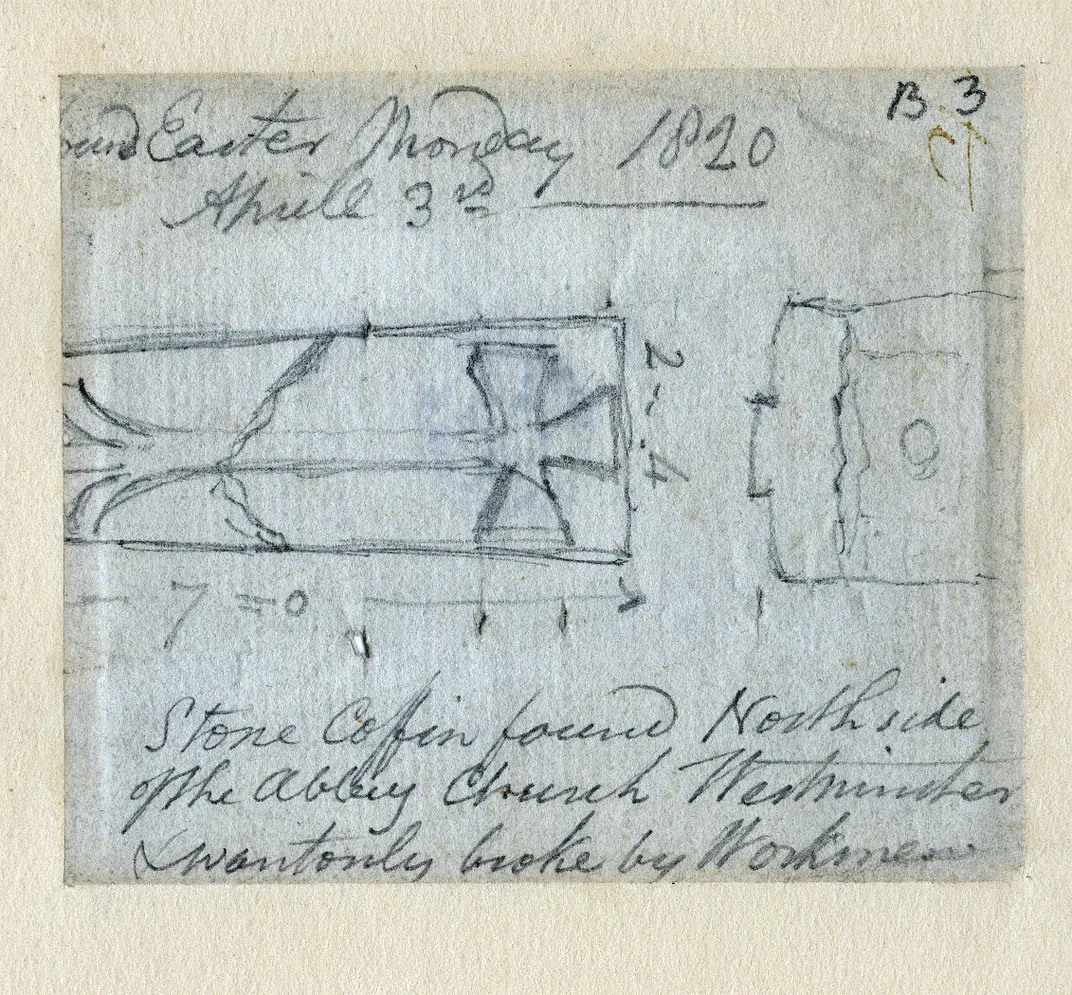
The coffin was found in 1869, during work at the ancient church. Arthur Penrhyn Stanley, then dean of Westminster, had been travelling in Italy when the discovery occurred. On returning to London, he learned that workmen had brought to light a limestone sarcophagus from the Roman period. The juxtaposition was striking: Stanley had just visited a city associated with Roman antiquity, only to find evidence from that same broad era surfacing at his own abbey.
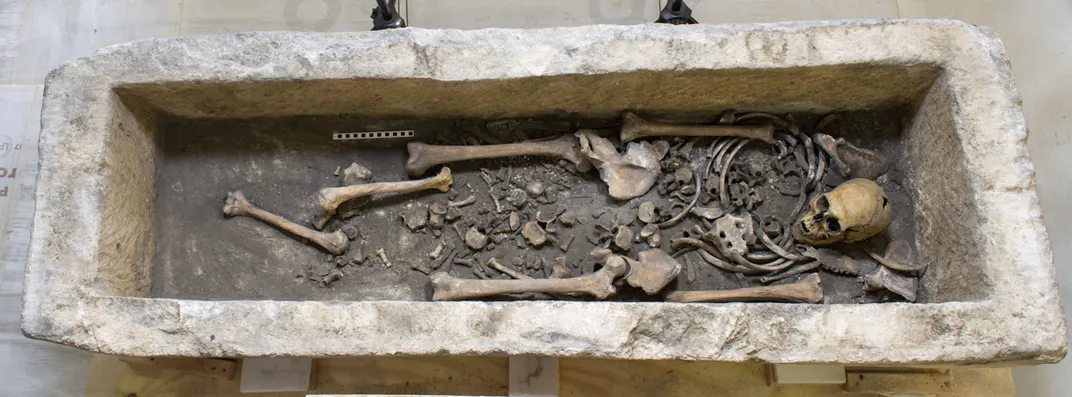
From the beginning, the discovery left two linked questions unanswered. A Roman-looking burial container had been recovered from a medieval religious complex, but neither its route to Westminster nor the identity of the person placed inside it was clear. The uncertainty was especially notable because Roman material is scarce at the abbey; only a small number of other artifacts from that period have been recorded there.
For roughly a century and a half, researchers proposed competing accounts of the find. The sarcophagus remained a conspicuous anomaly rather than a settled piece of Westminster’s past. Its presence did not automatically mean that the original Roman owner was buried at the abbey, nor did the stone vessel alone establish when its final burial took place. Those distinctions have shaped the long-running effort to interpret the grave.
Rodwell’s new assessment brings together evidence from the burial rather than relying on the coffin’s appearance alone. He drew on radiocarbon testing and on an examination of the skeleton by James Langthorne. Together, those lines of inquiry point toward a later, medieval use of an older Roman object. Under that reading, the sarcophagus had been adapted for the burial of an abbot who had directed the monastic community in London.
The proposed date is central to the argument. Placing the burial in the 10th or 11th century moves the occupant well beyond Roman Britain and into the period when Westminster’s monastery was operating as a religious institution. The finding therefore offers a way to reconcile the age of the container with the setting in which it was excavated: the coffin itself was ancient, while the burial it ultimately held was medieval.
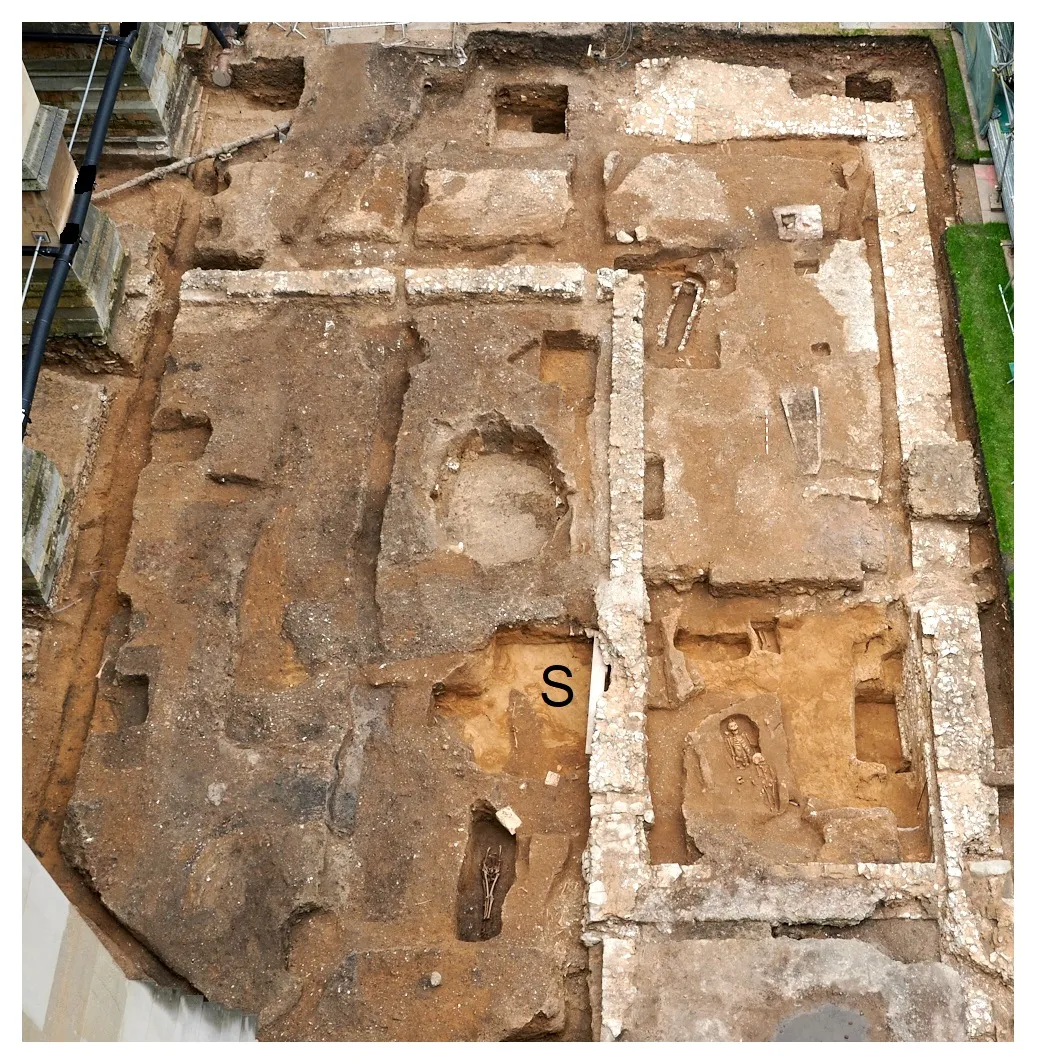
The case also changes the significance of the 1869 find. What first looked like an unexplained Roman intrusion into the abbey may instead document the later reuse of an older object. The research does not erase the object’s Roman origin; it separates the history of the sarcophagus from the history of its final occupant. That distinction gives the object two connected timelines, one beginning with its manufacture and another with its use at Westminster.
The sarcophagus is now displayed in Westminster Abbey’s Queen’s Diamond Jubilee Galleries, where visitors can see the physical object at the center of the debate. Its exhibition places the unresolved-looking discovery within the abbey’s wider collection, while the new analysis supplies a more specific account of why it may be there. The result is also a reminder that a museum object’s most visible date is not always the date that answers every question about its burial.
The identification should still be understood as a research conclusion built from the available scientific and skeletal evidence, not as a contemporaneous label recovered with the burial. Rodwell’s interpretation appears to offer the strongest explanation yet for a puzzle that has lasted since the 19th century. Further assessment will determine how firmly specialists accept the proposed abbot and dating, but the combination of radiocarbon results and bone analysis has given Westminster’s unusual coffin a more coherent place in the abbey’s story.
Source: Smithsonian Magazine
Related articles
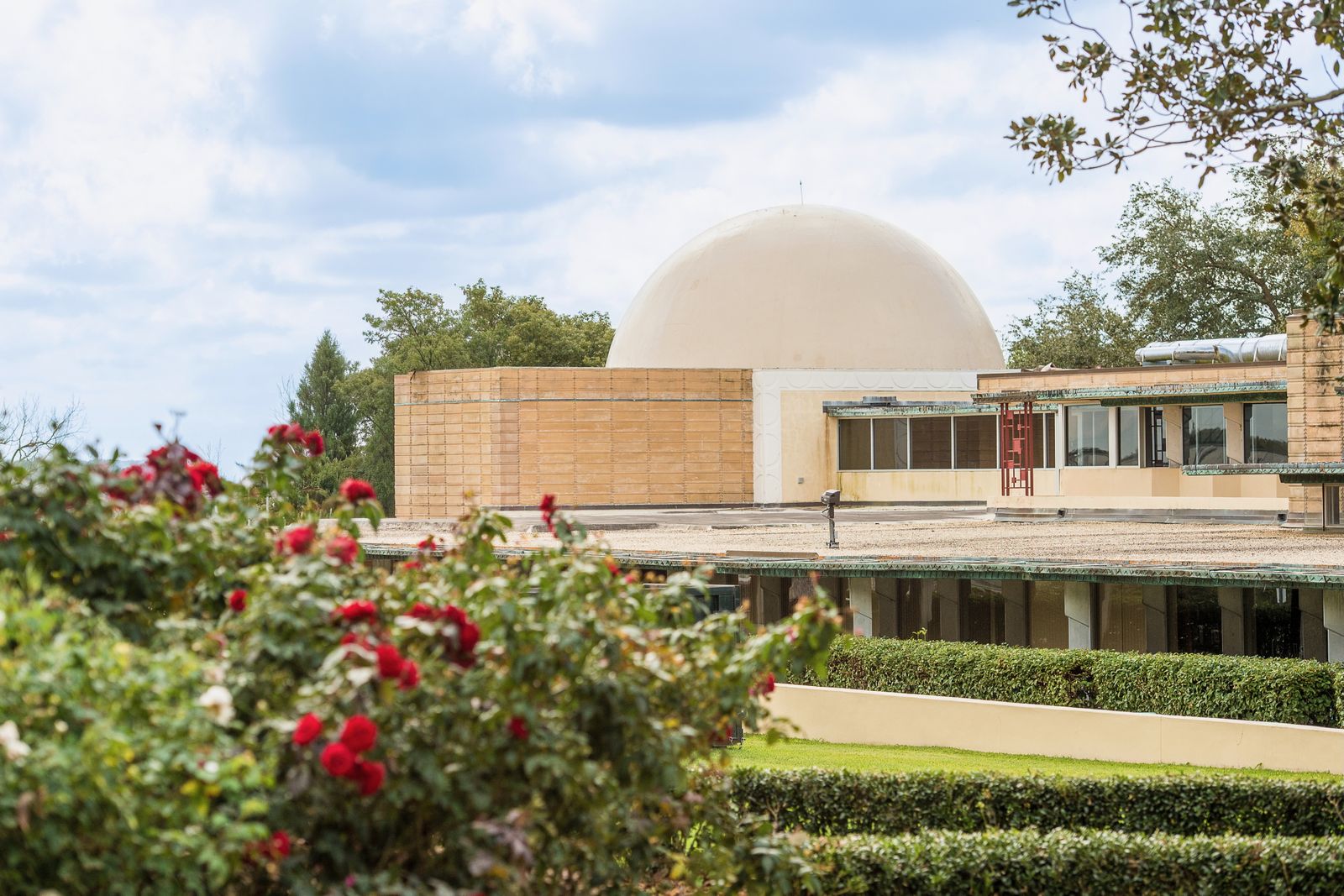
Immerse Yourself in the Cosmos at Frank Lloyd Wright's Only Planetarium, Recently Restored to Its Former Glory in Florida
Completed in 1958, the domed building is located on the campus of Florida Southern College, home to 13 Wright-designed buildings, the world's largest single-site collection of the architect's work

Play Tractor online with friends — free
Real-time Sheng Ji / Tractor for 3–5 players, with complete bidding and trump rules across web, iOS and Android.
Play bidfive →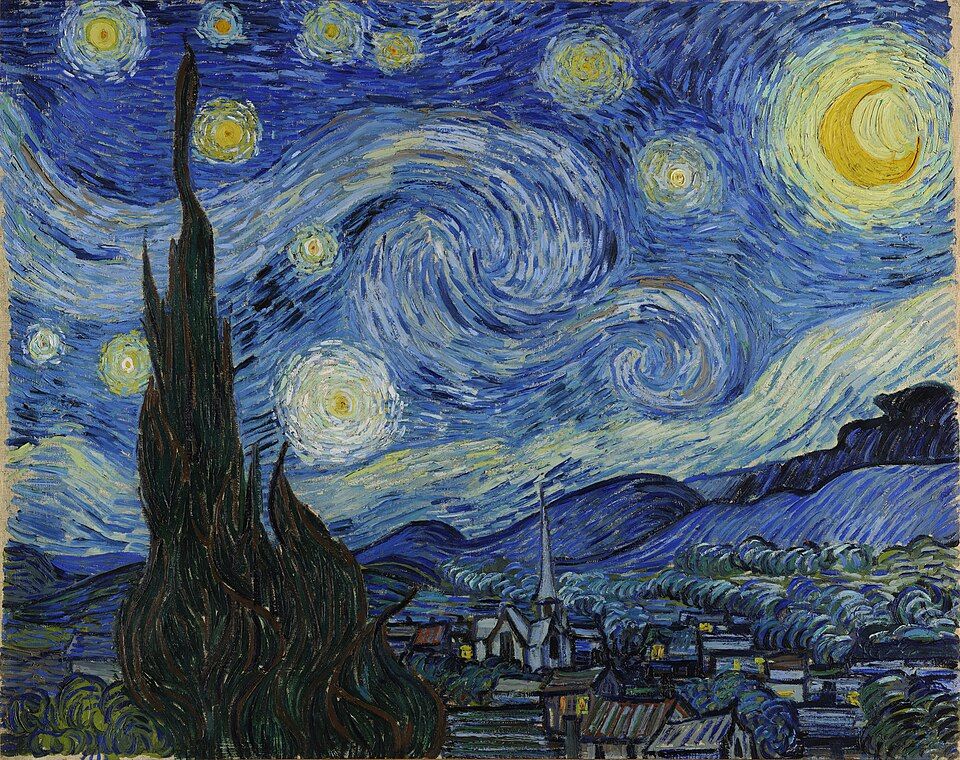
A Team of Astronomers Thinks They Have Identified the Exact Night Sky That Inspired Vincent van Gogh's 'Starry Night.' Not Everyone Is Convinced
Very few night skies seen from the south of France during the summer of 1889 would match the scene on van Gogh's canvas. A new study argues that it could have been July 22

'Pretty Boy' Floyd, One of the Most Notorious Outlaws of the Great Depression, Was Shot and Killed in an FBI Raid 92 Years Ago
Some Americans lauded the 30-year-old bank robber as a Robin Hood-esque folk hero. Others castigated him as a violent criminal whose misdeeds were emblematic of the troubled era

GTA 6 guides, updates and practical reference
Explore a Chinese GTA 6 guide library covering the release, map, characters, missions, vehicles and weapons.
Browse guides →
Create AI images with your own API key
aixipi runs on desktop/web, uses your own model API balance, and avoids subscription lock-in.
Try aixipi →