
Archaeologists Searching for Evidence of a Norse Church in Greenland Have Found 'the Smoking Gun' Near Erik the Red's Settlement
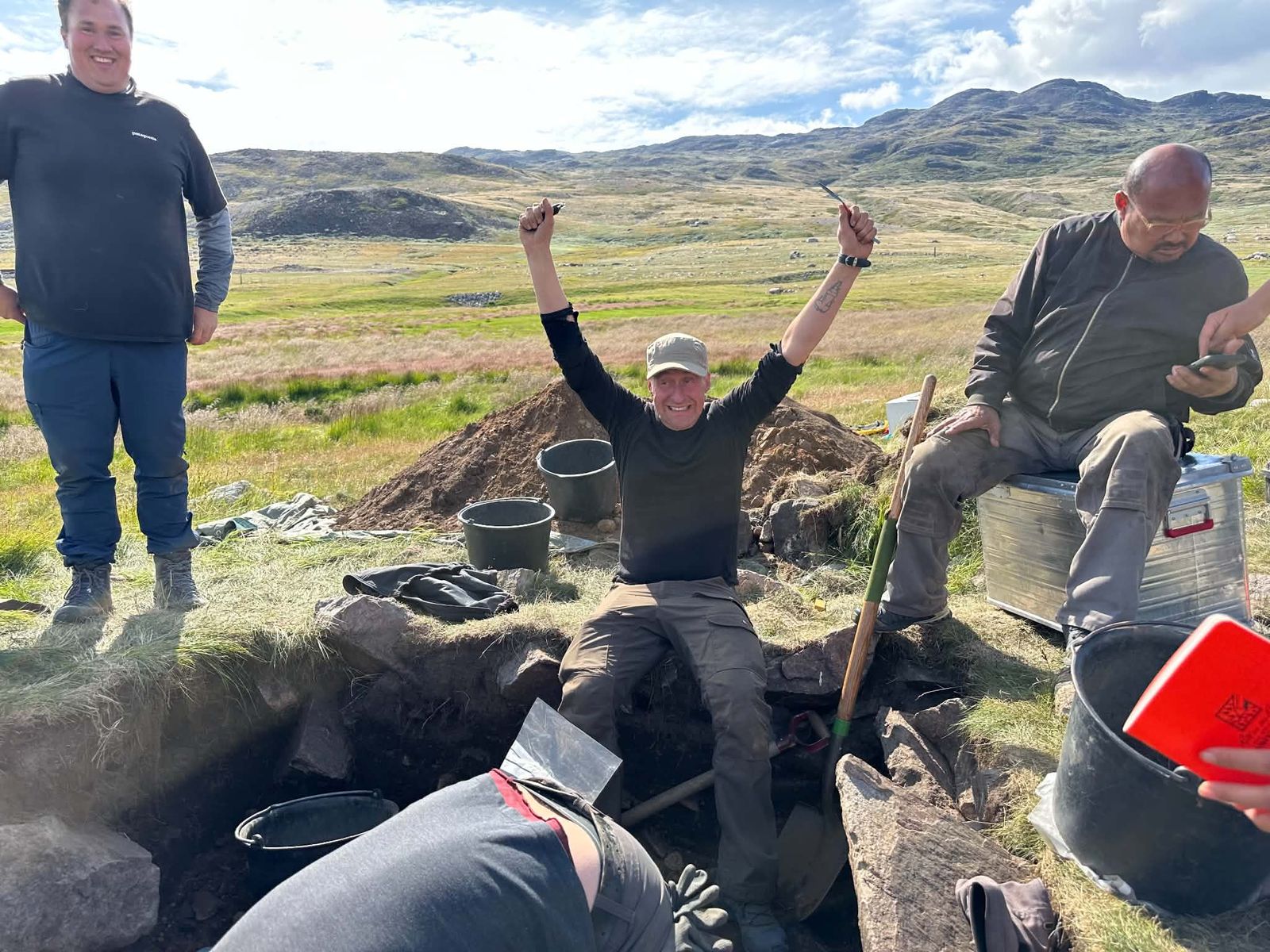
Archaeologists working in southern Greenland have uncovered human remains that they say confirm the location of a long-suspected Norse church near the settlement associated with Erik the Red. The discovery gives researchers physical evidence for a religious site that had remained an archaeological possibility for decades, rather than an established conclusion.
The excavation team found the remains during fieldwork this summer. Their presence is especially significant because burial evidence can help distinguish a churchyard from other traces of an old farmstead or settlement. For investigators, it supplied the confirmation that earlier surveys and interpretations of the site had lacked.
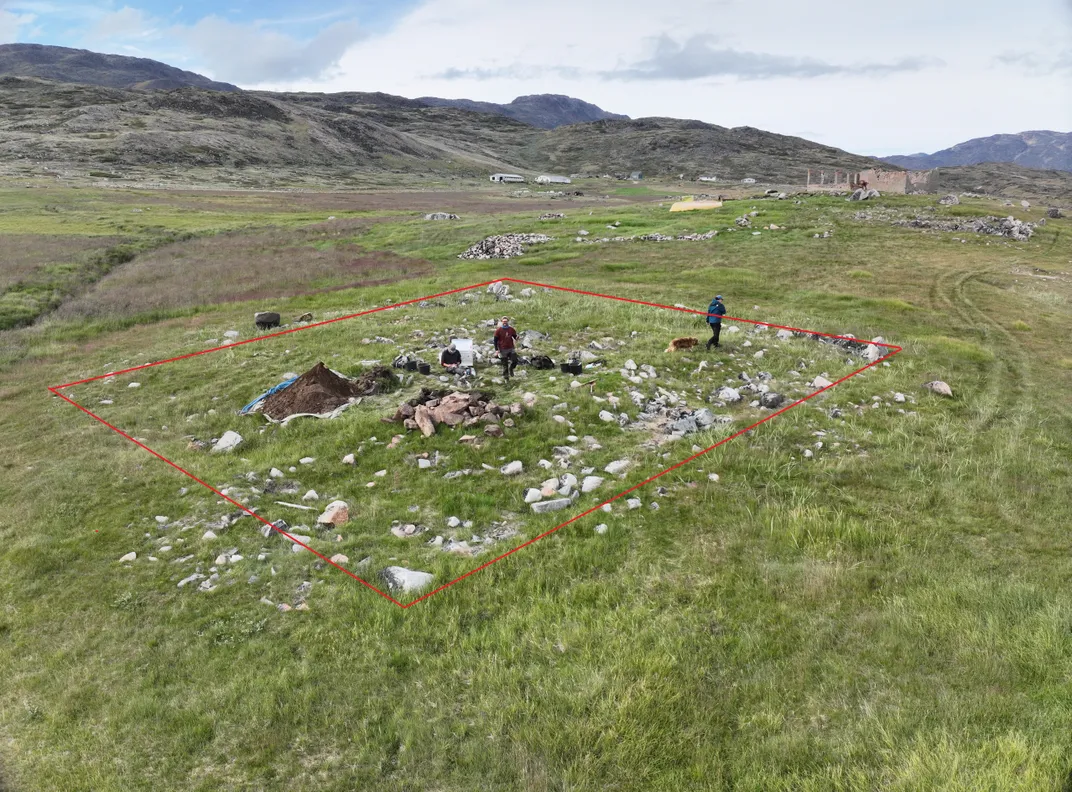
The newly identified church points to an important part of life in Greenland's Norse communities. Christian Edelfelt Koch Madsen, an archaeologist at the National Museum of Denmark and a co-leader of the project, said churches matter for studying the development of Norse society and its systems of authority. A church was not simply a place of worship: its location and associated burials can also illuminate how communities were organized.
Norse migrants from Iceland arrived in Greenland around 985 C.E. under Erik the Red, the explorer traditionally linked to the first settlement. Often described as Vikings, these settlers established communities on the vast North Atlantic island and remained there for centuries. Their story continues to draw attention because those communities were gone by the beginning of the 15th century.
That disappearance has not been fully explained, making every securely identified site valuable. A confirmed church offers a more focused setting for examining the social world of the settlers, including the institutions that shaped local life. It does not, by itself, settle why the Norse presence ended, but it adds a new piece of evidence to the broader archaeological record.
The find also shows why early interpretations of a landscape may take many years to test. Researchers had considered the location a potential church site long before the latest excavation, yet the case remained unresolved without evidence that directly tied the ground to a burial area. This summer's recovery of human remains changed that assessment.
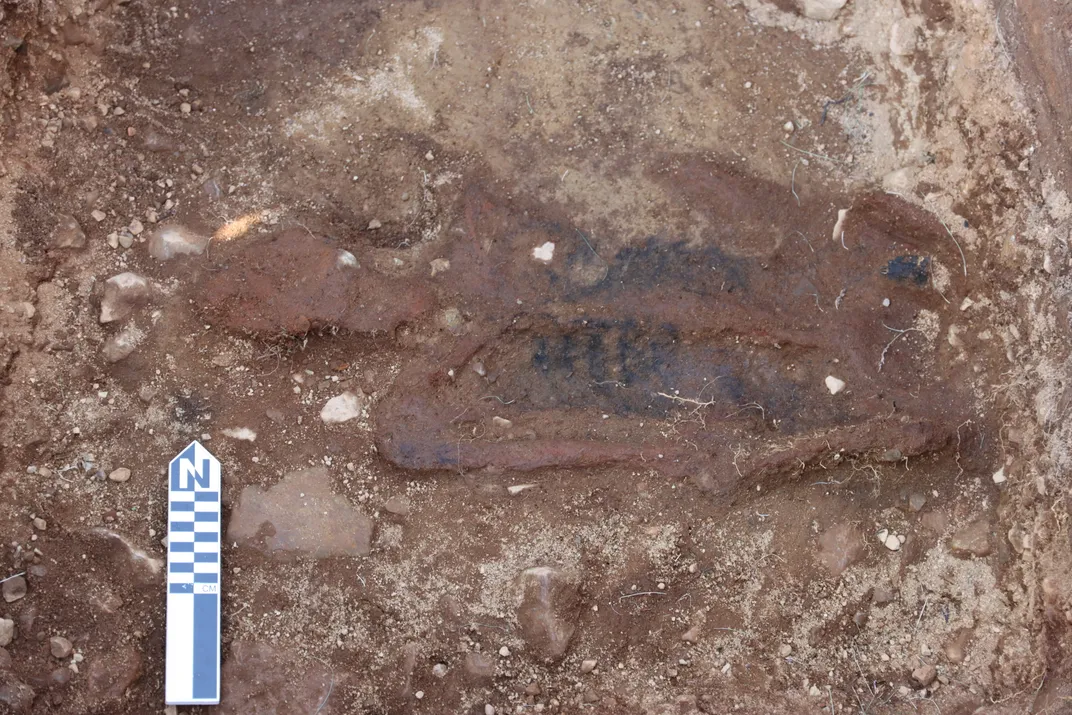
Archaeological conclusions nevertheless depend on continued study. The remains indicate that the church hypothesis has strong support, but fuller work on the site will be needed to establish its layout, chronology and relationship to the surrounding settlement. Such questions could help clarify how religious and secular life intersected in the Norse colony. The search will also need to place the find alongside the other surviving evidence from Greenland, rather than treating one excavation as a complete account of the colony's past. This is a reason for caution as well as for excitement: confirmation of a church can sharpen future inquiry without resolving every historical question connected with it. Researchers will have to assess the material in its archaeological setting and determine what it can demonstrate about the church, its users and the wider community. The discovery strengthens an interpretation, while the scale and sequence of occupation remain subjects for further investigation.
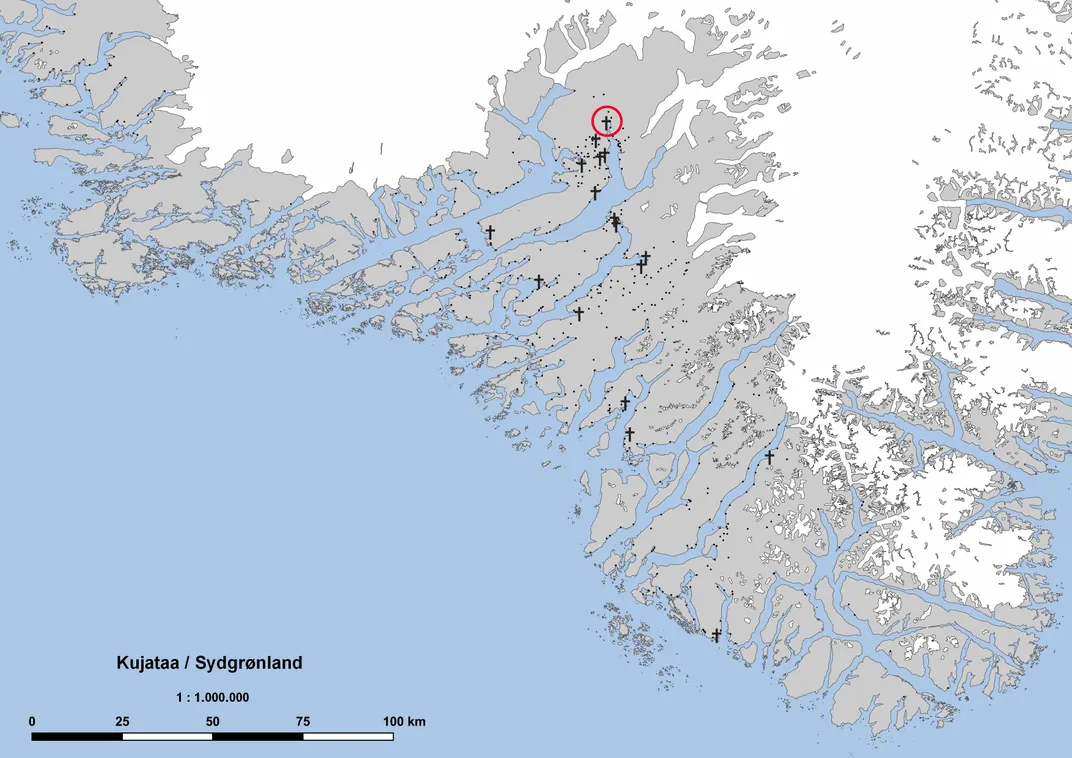
The church is therefore most useful as a new starting point, not a final answer to Greenland's medieval mystery. Its discovery may allow scholars to compare a confirmed religious site with other Norse locations on the island and refine their picture of a society that endured for generations before fading from the historical record. The evidence can be examined in relation to settlement patterns and the changing institutions through which people structured their communal lives. That comparative work may be particularly important because the Norse colony's final chapter remains uncertain.
For now, the excavation has transformed a decades-old lead into a documented archaeological discovery. The enthusiasm surrounding the human remains reflects their importance: they provide the evidence researchers needed to connect the place near Erik the Red's settlement with a Norse church and to pursue further questions about the people who used it. The value of the discovery lies both in that confirmation and in the possibility that the site will yield a clearer view of the community it served.
Source: Smithsonian Magazine
Related articles
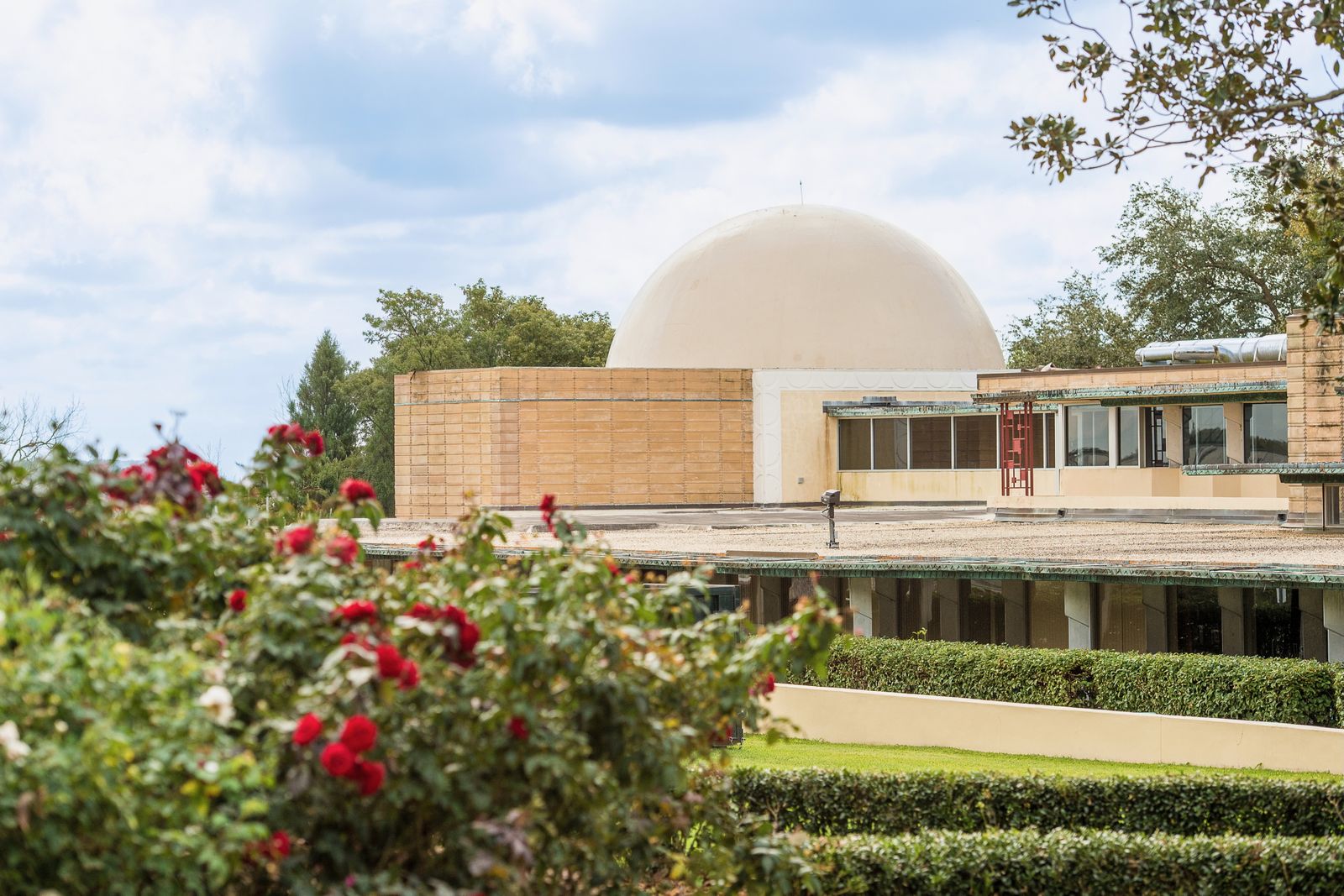
Immerse Yourself in the Cosmos at Frank Lloyd Wright's Only Planetarium, Recently Restored to Its Former Glory in Florida
Completed in 1958, the domed building is located on the campus of Florida Southern College, home to 13 Wright-designed buildings, the world's largest single-site collection of the architect's work

Play Tractor online with friends — free
Real-time Sheng Ji / Tractor for 3–5 players, with complete bidding and trump rules across web, iOS and Android.
Play bidfive →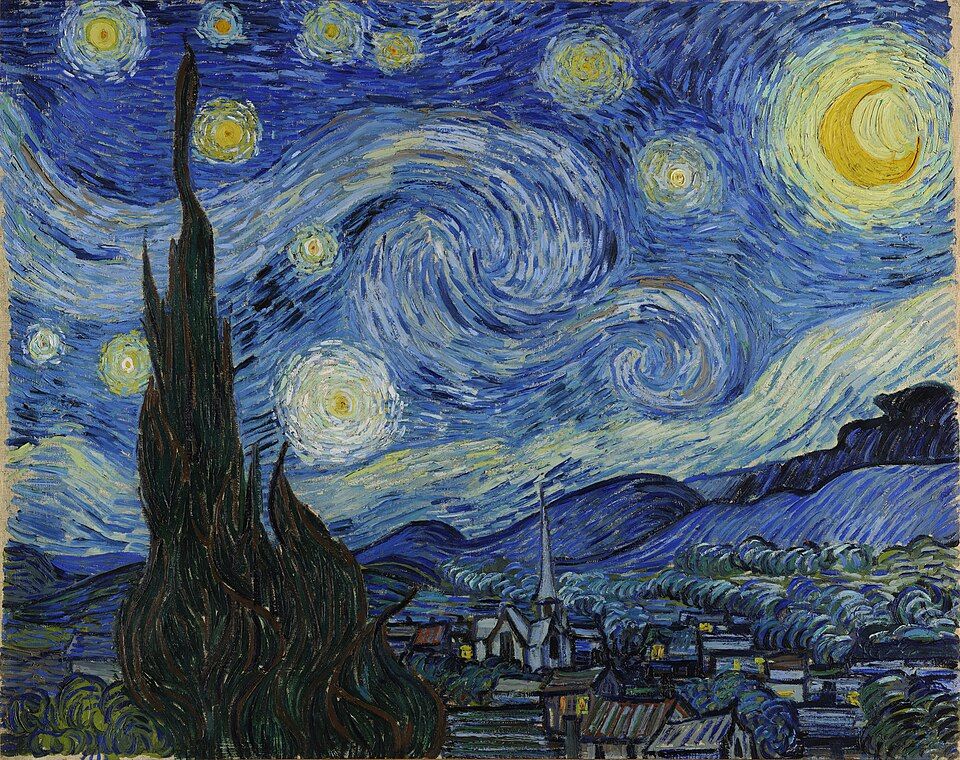
A Team of Astronomers Thinks They Have Identified the Exact Night Sky That Inspired Vincent van Gogh's 'Starry Night.' Not Everyone Is Convinced
Very few night skies seen from the south of France during the summer of 1889 would match the scene on van Gogh's canvas. A new study argues that it could have been July 22

'Pretty Boy' Floyd, One of the Most Notorious Outlaws of the Great Depression, Was Shot and Killed in an FBI Raid 92 Years Ago
Some Americans lauded the 30-year-old bank robber as a Robin Hood-esque folk hero. Others castigated him as a violent criminal whose misdeeds were emblematic of the troubled era

GTA 6 guides, updates and practical reference
Explore a Chinese GTA 6 guide library covering the release, map, characters, missions, vehicles and weapons.
Browse guides →
Create AI images with your own API key
aixipi runs on desktop/web, uses your own model API balance, and avoids subscription lock-in.
Try aixipi →