
Archaeologists Uncover a Neolithic Sculpture of a Human Riding a Leopard That's 'Unlike Anything We Have Encountered Before'

Archaeologists excavating Karahan Tepe in southeastern Turkey have recovered a carved stone figure showing a person mounted on a leopard. The discovery emerged from the site’s summer fieldwork and has drawn attention for both its unusual subject and its great age. Standing about 2.3 feet high, the work dates to roughly 11,000 years ago, placing its creation far before written records existed.
The statue was made in the Neolithic period by an artist living in what is now Turkey. Its human-and-animal arrangement is the feature that has most set it apart: rather than presenting either a person or a leopard alone, the sculpture joins the two in a single scene. That makes the object more than a surviving fragment of early carving; it preserves a deliberate image whose original meaning is no longer available.

Karahan Tepe is where that image remained hidden until the recent excavations. Burial protected the sculpture across thousands of years, even as the circumstances in which it was carved, used and deposited disappeared from the historical record. The recovery this summer has returned it to view, but it cannot restore the explanations that once accompanied it. With no written testimony from the period to explain it, researchers cannot directly identify the purpose the figure served or the ideas its maker intended to communicate.
Turkey’s Culture and Tourism Ministry announced the find as a significant addition to work at the ancient location. Culture and Tourism Minister Mehmet Nuri Ersoy described the object as an 11,000-year-old statue with no recognized equivalent. He also called it a composite figure “unlike anything” encountered previously, emphasizing that its combined human and leopard imagery does not fit a known parallel cited in the announcement.
The phrase “no known parallel” is important, but it is not a solution to the artifact’s puzzle. It signals how distinctive the announced sculpture appears among the comparisons available to the researchers and ministry, not a settled explanation of what it represented. The statement does not attach a definitive interpretation to the combination of figures. The find can be studied as an exceptional object while its ritual, social, artistic or other function remains unconfirmed.
Its age is central to the interest surrounding the discovery. At approximately 11 millennia old, the statue belongs to a world whose makers left no writing to accompany their imagery. Physical evidence must therefore carry much of the conversation: the sculpture’s scale, its human rider, the leopard beneath that figure, its place of recovery and the archaeological setting at Karahan Tepe are the available starting points, rather than an ancient account of its use. That constraint makes careful description especially important when assessing the work’s wider significance.
The human figure’s position on the leopard also raises questions that the present evidence does not answer. The relationship may have been meaningful to the people who created it, but the announcement does not establish whether the scene recalled a story, marked status, served a ceremonial role or had another purpose. Treating those possibilities as conclusions would go beyond what is known from the excavation.
For now, the strongest account of the object is necessarily a limited one: a large Neolithic sculpture, created in present-day Turkey, survived underground at Karahan Tepe until archaeologists brought it to light this summer. That description is already unusual enough to make the find notable. The ministry’s account establishes its exceptional form, while leaving its original role unresolved. Further examination may clarify its construction and archaeological context, but any interpretation of its message will have to contend with the silence left by its pre-literate age. The immediate task is to distinguish what the statue visibly shows from the historical meanings that have not survived with it.

Source: Smithsonian Magazine
Related articles
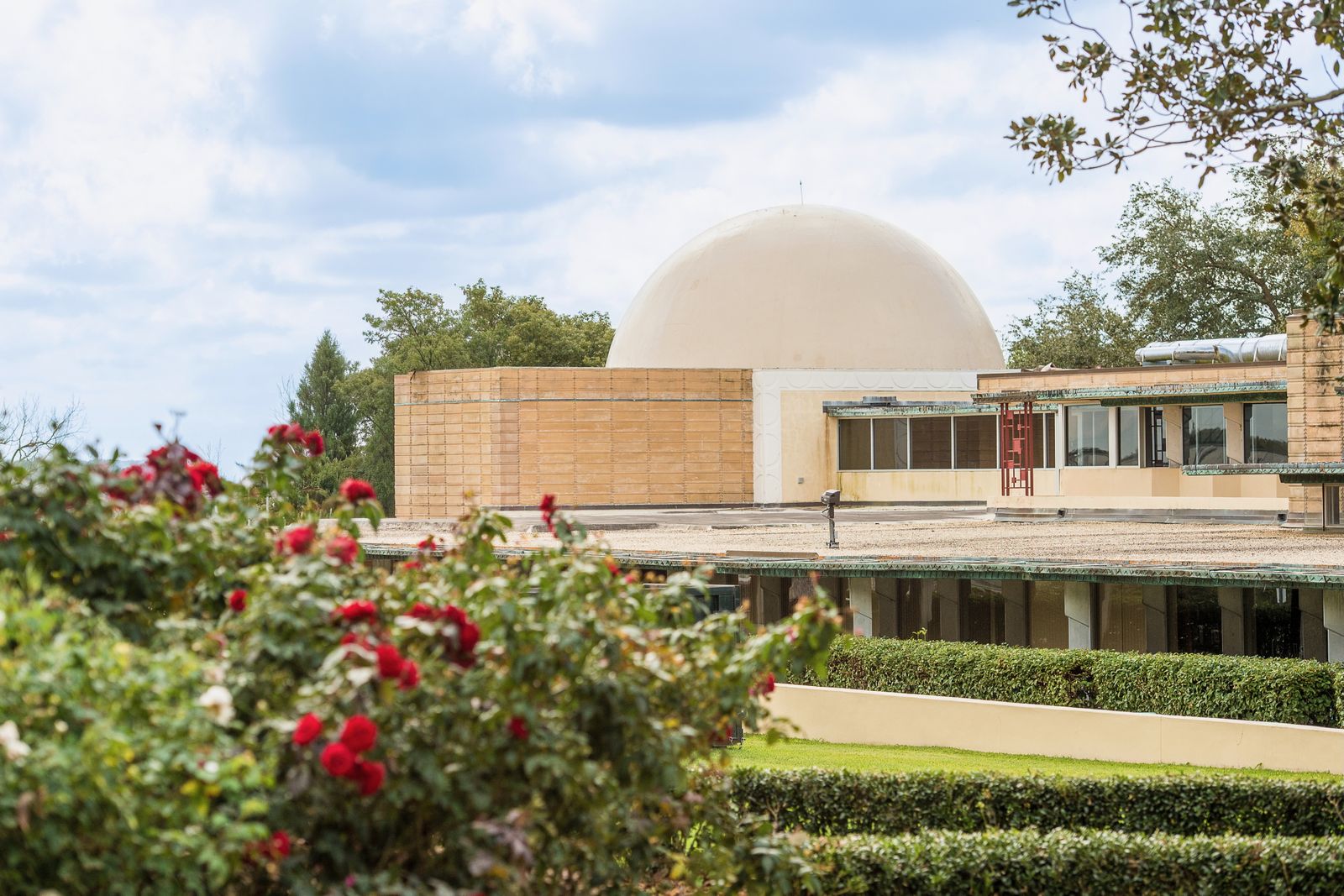
Immerse Yourself in the Cosmos at Frank Lloyd Wright's Only Planetarium, Recently Restored to Its Former Glory in Florida
Completed in 1958, the domed building is located on the campus of Florida Southern College, home to 13 Wright-designed buildings, the world's largest single-site collection of the architect's work

Play Tractor online with friends — free
Real-time Sheng Ji / Tractor for 3–5 players, with complete bidding and trump rules across web, iOS and Android.
Play bidfive →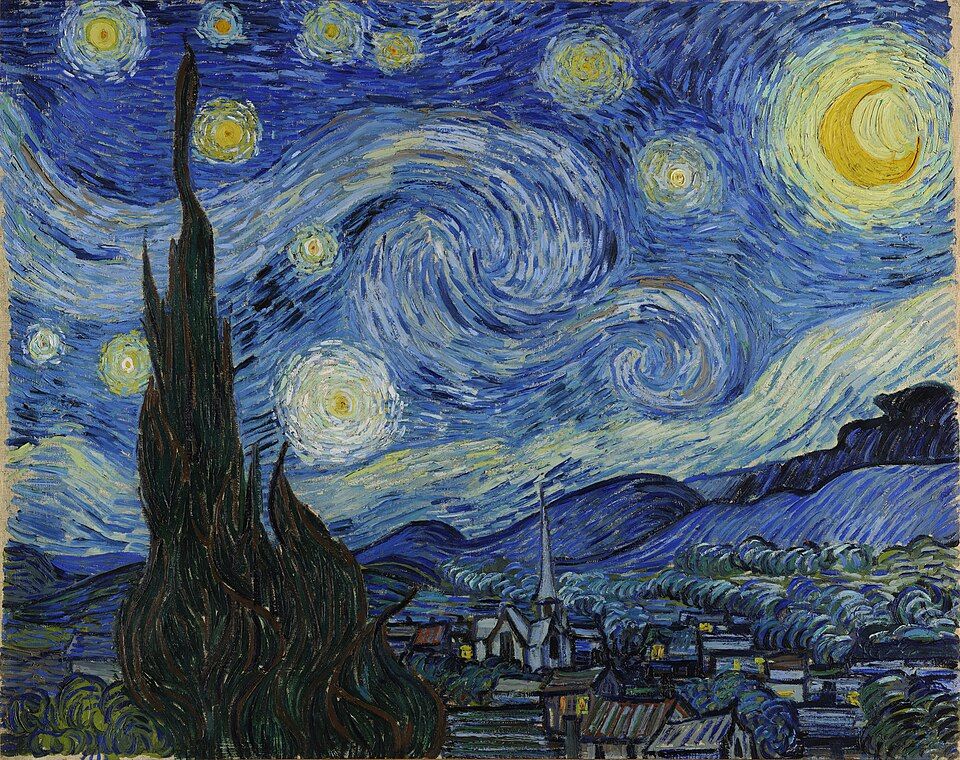
A Team of Astronomers Thinks They Have Identified the Exact Night Sky That Inspired Vincent van Gogh's 'Starry Night.' Not Everyone Is Convinced
Very few night skies seen from the south of France during the summer of 1889 would match the scene on van Gogh's canvas. A new study argues that it could have been July 22

'Pretty Boy' Floyd, One of the Most Notorious Outlaws of the Great Depression, Was Shot and Killed in an FBI Raid 92 Years Ago
Some Americans lauded the 30-year-old bank robber as a Robin Hood-esque folk hero. Others castigated him as a violent criminal whose misdeeds were emblematic of the troubled era

GTA 6 guides, updates and practical reference
Explore a Chinese GTA 6 guide library covering the release, map, characters, missions, vehicles and weapons.
Browse guides →
Create AI images with your own API key
aixipi runs on desktop/web, uses your own model API balance, and avoids subscription lock-in.
Try aixipi →