
Australia’s Second-Smallest Rock-Wallaby Reappears in a Region Where It Had Not Been Seen for 50 Years
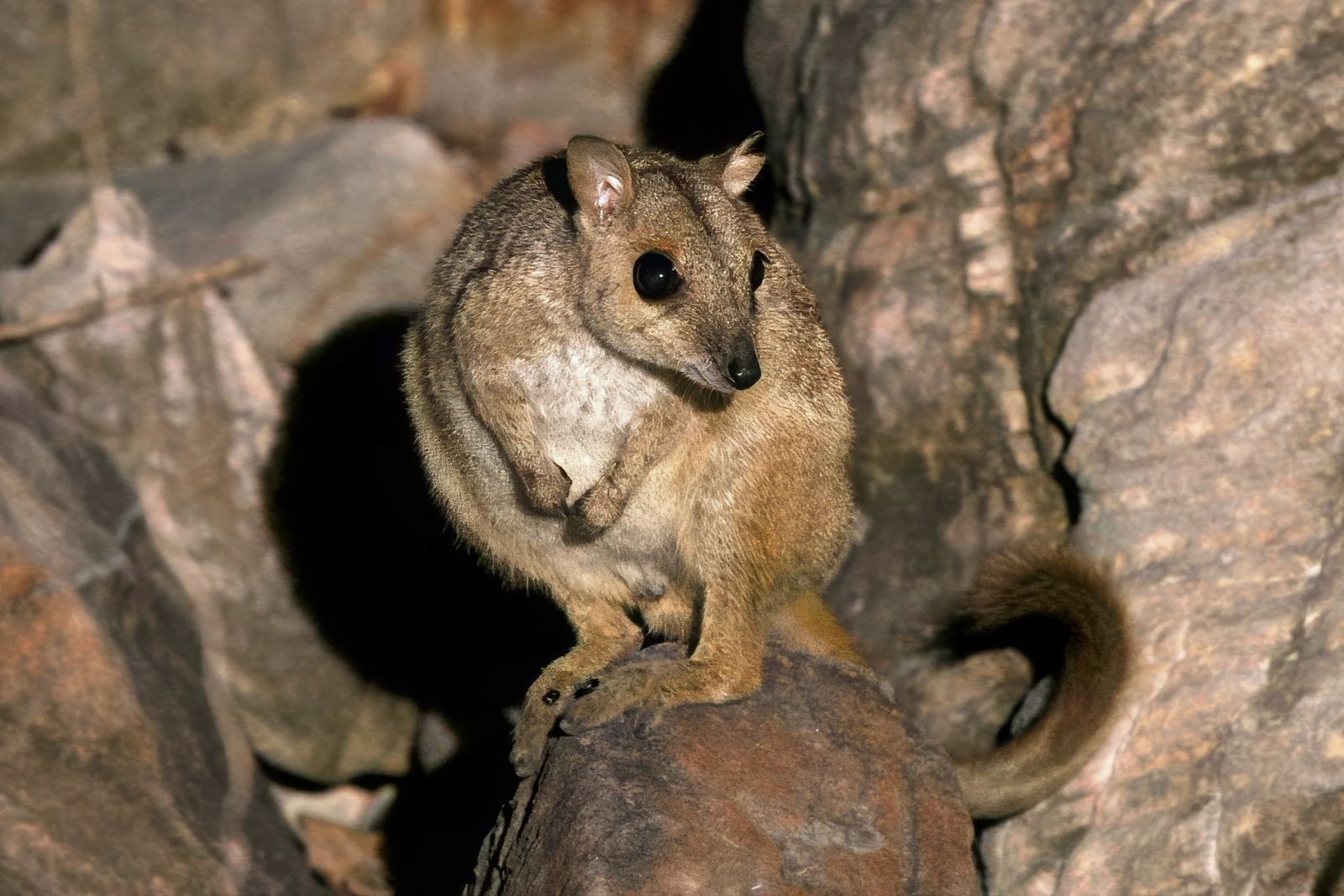
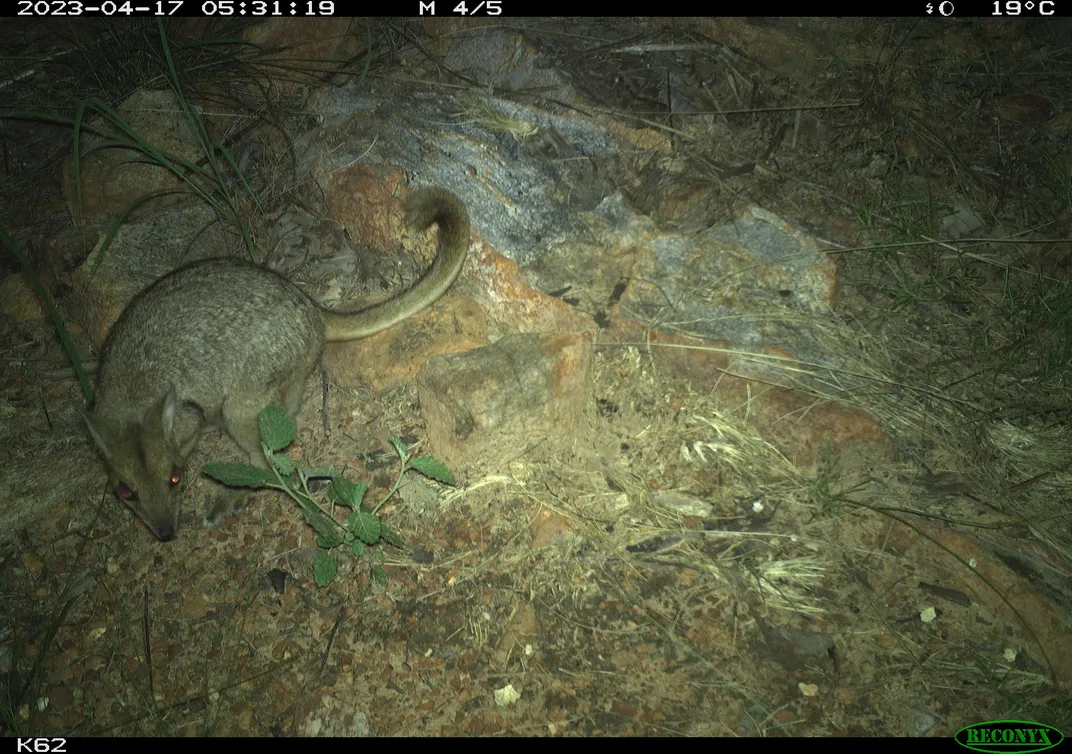
For the first time in roughly half a century, the nabarlek has been documented in a remote part of Western Australia, giving conservation workers a new indication that the endangered rock-wallaby may still persist across more of the landscape than recent records suggested. Australian conservationists working with the Dambimangari Aboriginal Corporation recorded the animal on camera at two locations in the region. Neither site had previously produced a scientific record of the species.
The result matters because the nabarlek is an animal that can be remarkably difficult to detect. It is secretive, seldom encountered and can be hard to tell apart from related-looking wallabies. A camera record does not by itself answer how many animals live in an area or how secure a population may be, but it supplies evidence that researchers did not have before: the species is present at both newly documented sites.
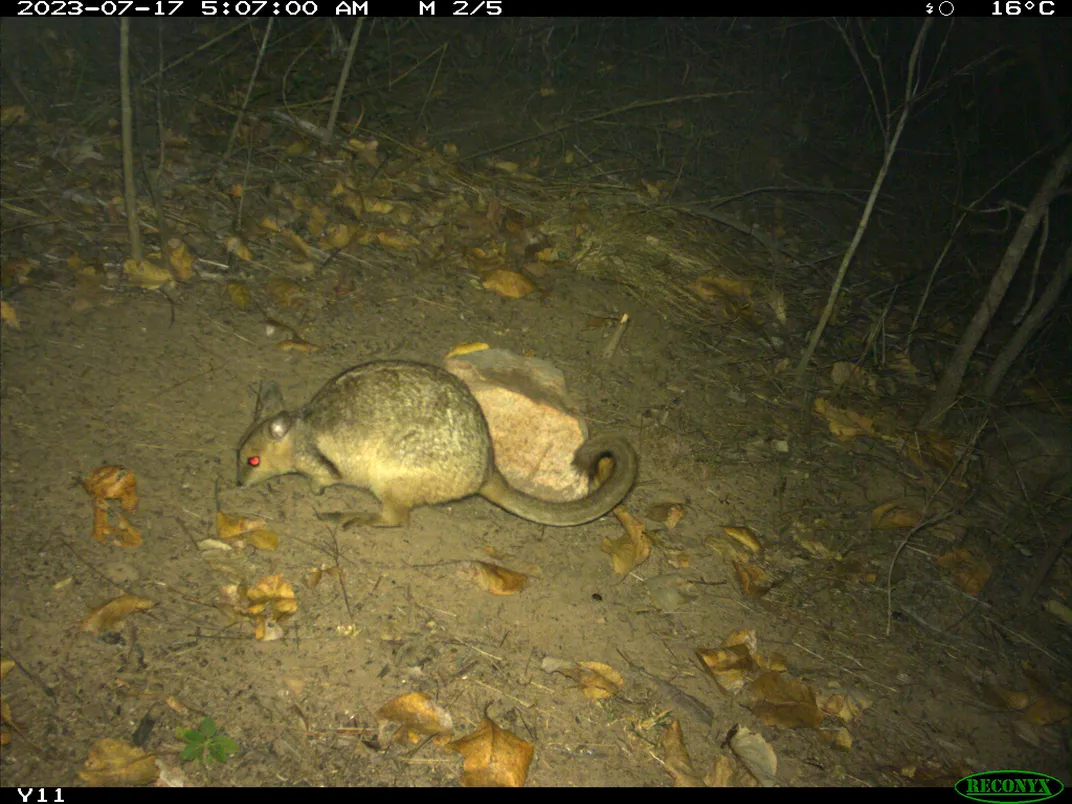
Those detections carry particular weight because the wider region had gone 50 years without a documented nabarlek record. That absence of records should not automatically be read as proof that the animal disappeared from every part of the area; elusive wildlife can be missed. Even so, the new images close a long gap in the scientific account and provide a starting point for checking whether the sightings reflect isolated animals, an established group or a broader distribution.
The nabarlek is the world’s second-smallest rock-wallaby. Its body length is comparable to that of a loaf of bread, a scale that helps explain why an animal in rugged country may be easy to overlook. Its small size does not prevent it from moving through demanding terrain. Powerful rear legs carry it in hops among rock formations, cliff faces and narrow cracks.
Its feet are also adapted for that setting. Coarse pads provide purchase on steep stone, allowing the wallaby to negotiate surfaces that would appear nearly vertical from a distance. The same broken landscape offers cover. During daylight hours, nabarleks remain concealed, reducing their exposure to predators, before emerging after dark to feed. That daily pattern makes surveys more challenging and helps account for why dependable evidence can be scarce.
A photograph often used to illustrate the species shows a nabarlek on Augustus Island, an unoccupied island off Western Australia. That animal was not among the newly recorded wallabies. The distinction is important: the recent development is not simply another image from a known location, but camera evidence from two places where the species had not been scientifically logged before, within the long-unrecorded region.
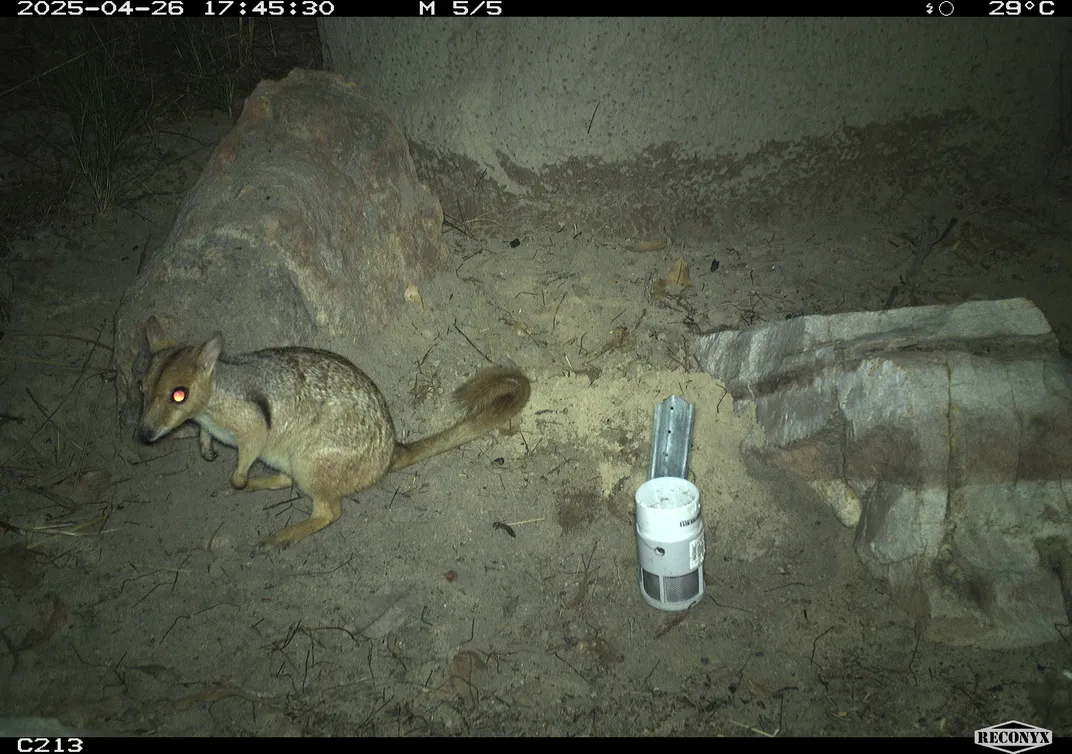
The species is listed as endangered. The pressures identified for nabarleks include changes in fire patterns and predators introduced to Australia. In that context, a rediscovery is encouraging without removing the threats that led to concern in the first place. The camera detections show that the animal has been found; they do not establish that those pressures have eased, or that every population is safe.
There are therefore two ways to view the finding. For conservation teams and the Dambimangari Aboriginal Corporation, it offers a constructive signal for the species’ longer-term prospects and expands the map of confirmed occurrence. For scientists assessing risk, it is also a reason for care: a pair of sites and a small number of images cannot substitute for continued observation, especially for a nocturnal animal in terrain that is difficult to search.
The immediate question is what further monitoring can reveal. Follow-up work could help determine whether nabarleks are repeatedly detected at the two sites, whether more individuals use the same country and whether additional nearby habitat holds animals that have escaped notice. It also allows future surveys to be designed around verified points rather than an unconfirmed historical possibility. After five decades without a scientific record from the region, the species has returned to view—though its status there will depend on what later evidence shows.
Source: Smithsonian Magazine
Related articles

Immerse Yourself in the Cosmos at Frank Lloyd Wright's Only Planetarium, Recently Restored to Its Former Glory in Florida
Completed in 1958, the domed building is located on the campus of Florida Southern College, home to 13 Wright-designed buildings, the world's largest single-site collection of the architect's work

Play Tractor online with friends — free
Real-time Sheng Ji / Tractor for 3–5 players, with complete bidding and trump rules across web, iOS and Android.
Play bidfive →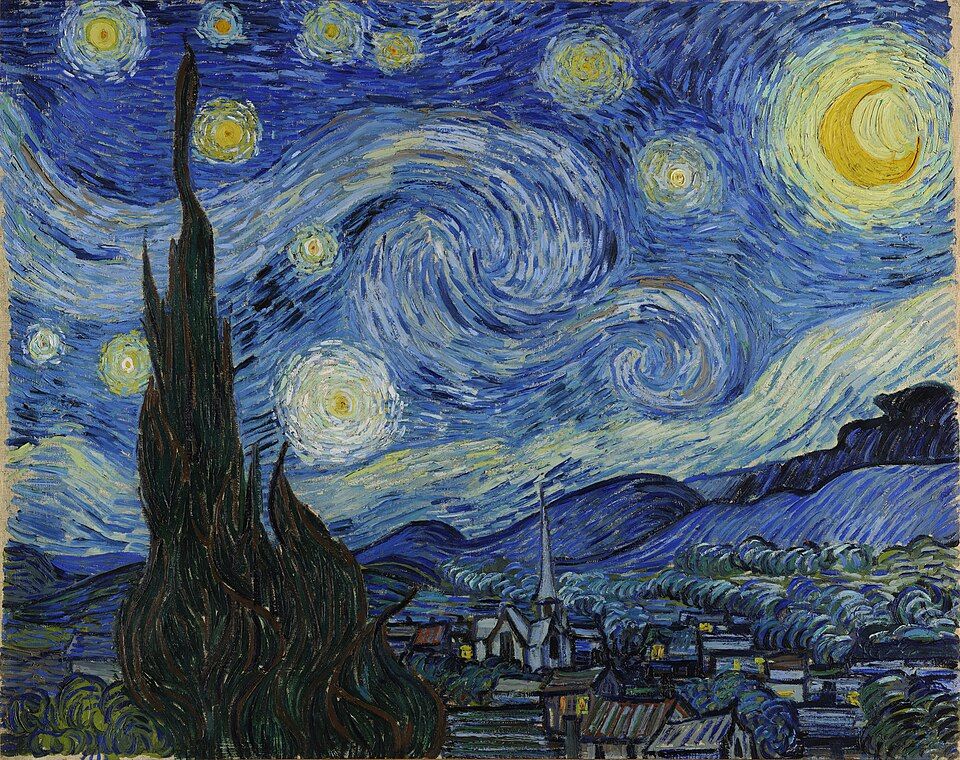
A Team of Astronomers Thinks They Have Identified the Exact Night Sky That Inspired Vincent van Gogh's 'Starry Night.' Not Everyone Is Convinced
Very few night skies seen from the south of France during the summer of 1889 would match the scene on van Gogh's canvas. A new study argues that it could have been July 22

'Pretty Boy' Floyd, One of the Most Notorious Outlaws of the Great Depression, Was Shot and Killed in an FBI Raid 92 Years Ago
Some Americans lauded the 30-year-old bank robber as a Robin Hood-esque folk hero. Others castigated him as a violent criminal whose misdeeds were emblematic of the troubled era

GTA 6 guides, updates and practical reference
Explore a Chinese GTA 6 guide library covering the release, map, characters, missions, vehicles and weapons.
Browse guides →
Create AI images with your own API key
aixipi runs on desktop/web, uses your own model API balance, and avoids subscription lock-in.
Try aixipi →