
Barry Melrose, prominent NHL player, coach and broadcaster, dies at 70

Barry Melrose, whose career in professional hockey spanned playing, coaching and television analysis, has died at the age of 70. His death was announced by ESPN on Wednesday after the network was notified by his wife. Melrose became known to generations of hockey followers through several distinct roles, first as an NHL player, later behind the bench, and eventually as a prominent broadcaster covering the sport.
His most widely remembered coaching achievement came with the Los Angeles Kings in 1993. Melrose guided the club to the Stanley Cup Final, placing the Kings on hockey’s biggest postseason stage. That run remains central to the account of his career because it connected him directly with a defining moment for a franchise competing for the league championship.
The 1993 Final also marked a clear public milestone in Melrose’s transition from former player to coach with a national profile. Reaching that series meant his work was being measured not only by regular-season results but by a team’s ability to advance through the pressure of the NHL playoffs. The Kings’ appearance in the Final made Melrose a familiar name far beyond the dressing room.
After his coaching career, Melrose developed a long tenure in hockey broadcasting. His work on television introduced him to viewers who may have known little about his playing days or his time coaching in Los Angeles. As an analyst, he became part of the sport’s public conversation, explaining games and offering opinions to an audience that followed hockey through broadcasts as well as at arenas.
That combination of experience gave his media career a particular foundation. Melrose had played the game, coached at its highest professional level and led a team to the Stanley Cup Final before spending years discussing hockey on television. The progression allowed his broadcasting work to draw on firsthand familiarity with the different pressures faced by players and coaches.
NHL Commissioner Gary Bettman said Melrose was immediately recognizable around the sport. Bettman pointed to Melrose’s long mullet and his distinctive long coats with flared lapels, features that made him visually memorable whether he appeared at a rink or on a television screen. The commissioner’s remembrance emphasized that Melrose’s public identity extended beyond his formal job titles.
Bettman also focused on what happened when Melrose spoke about hockey. In the commissioner’s view, conversations with him and his on-air analysis consistently deepened appreciation for the game. That assessment highlights a different aspect of Melrose’s legacy: not simply his visibility, but his ability to communicate enthusiasm and understanding to people watching, listening or talking hockey with him.
ESPN’s announcement established the immediate circumstances of the news, but the information released in the report did not provide further details about his death. It also did not outline memorial arrangements or any additional plans connected to his family, former teams or broadcasting colleagues. Those are among the details that may emerge as the hockey community responds to the loss.
For now, Melrose’s career is defined by its unusual breadth across the sport. He moved from NHL player to coach, led Los Angeles to the 1993 Stanley Cup Final, and then became a long-serving television voice on hockey. The reaction from Bettman and the announcement from ESPN reflect the reach of a figure whose influence touched competition, coaching and the way fans encountered the game.
Source: CBS World
Related articles

Zelenskyy accuses Russia of using cluster warheads in deadly strikes
Russia launched the strikes on Ukraine less than a day after negotiations to end the war, which also involved the United States, ended in St. Petersburg.

Create AI images with your own API key
aixipi runs on desktop/web, uses your own model API balance, and avoids subscription lock-in.
Try aixipi →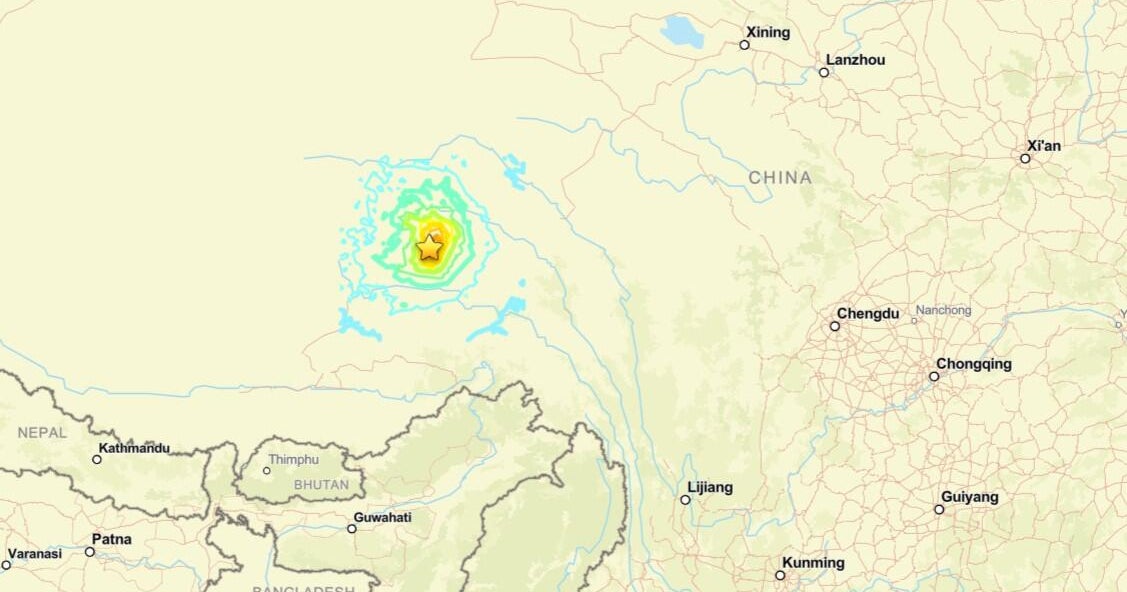
At least 16 dead when powerful 7.0 magnitude earthquake strikes Tibet
It was the biggest earthquake in the region in the last five years, China

See how Big Tech is transforming Spain's landscape
A drought-stricken region of northeast Spain has become a focus for American companies searching for locations to place their data centers.