
Bought for $30 at an Estate Sale, This Long-Lost Gertrude Abercrombie Painting Could Now Fetch $250,000
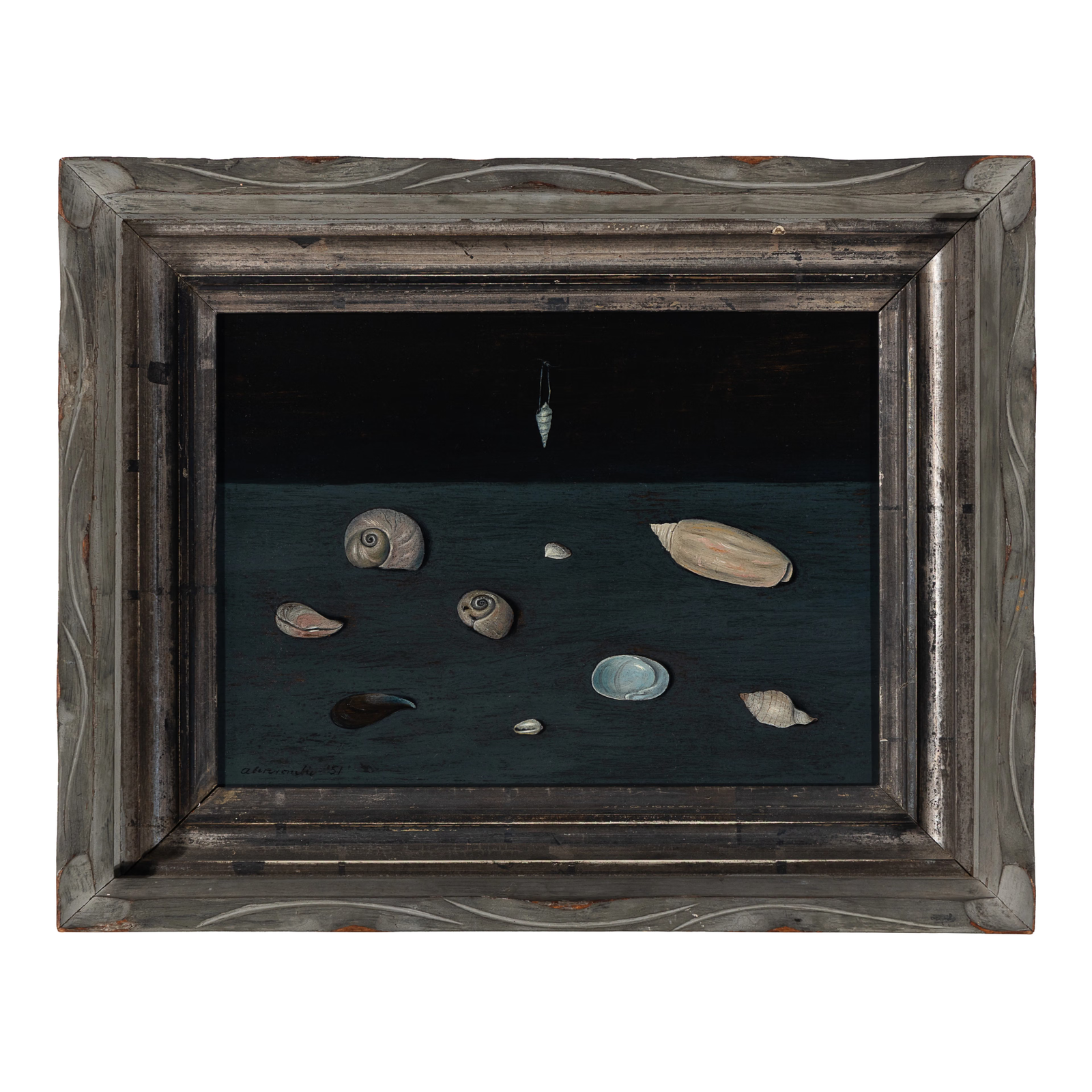
A painting purchased for $30 at an estate sale has been identified as a previously untraced work by Gertrude Abercrombie, the Chicago Surrealist whose art has attracted renewed attention. The 1951 canvas, Alderman Merriam’s Shells, is expected to reach as much as $250,000 when it comes to auction. Its journey from a modest sale-table purchase to a major New York offering rests on a combination of curiosity, archival evidence and a fortunate museum visit.
The discovery changes the standing of an object that initially arrived without the certainty usually attached to a notable work of art. The buyer was sufficiently intrigued by the painting to make a $30 purchase, accepting the possibility that it might prove important. That relatively small wager ultimately led to the recognition of a painting connected to a major Chicago-based Surrealist, rather than simply another work circulating through an estate liquidation.

Abercrombie made the picture in 1951 and later used it to settle a practical obligation: she gave it to a physician in return for medical treatment. That exchange helps explain how the work left the artist’s possession and, over time, disappeared from public view. It also gives the painting a traceable earlier history, linking the estate-sale find to a transaction from the artist’s own lifetime rather than to a newly asserted attribution alone.
The buyer’s next step was not an auction-house announcement but a stop during a family trip. While traveling, the owner diverted to the Milwaukee Art Museum to see Gertrude Abercrombie: The Whole World Is a Mystery, a retrospective that was traveling nationally at the time. The exhibition offered a relevant point of comparison for a painting whose significance had only begun to emerge after the estate-sale purchase.
A catalogue for that retrospective supplied unusually specific corroboration. It reproduced an archival image showing the painting in the frame it originally had, together with the shells represented in the composition. For a work that had been absent from public circulation, the photograph provided a visual bridge between the newly found canvas and a historical record, allowing features of the object to be compared with an earlier image rather than relying only on a general resemblance.
The archival photograph also had a documented place in contemporary coverage of Abercrombie’s work. It had appeared in a Chicago Tribune review of her 1952 exhibition at Newman Brown Gallery. That publication history places the image close to the period in which the painting was made and reinforces the account of its earlier exhibition life. The link between a museum catalogue and a period newspaper review gave the owner evidence from more than one historical setting.
Freeman’s is scheduled to present Alderman Merriam’s Shells in New York on October 1 as part of its Postwar & Contemporary Art sale. The sale will give bidders an opportunity to determine whether the market agrees with the high estimate attached to the rediscovered work. It will also move the painting from a private, accidental discovery into a more formal public record, where cataloguing and the auction result can further shape its subsequent history.
The $250,000 figure is an upper estimate, not a guaranteed price, and the final result will depend on bidding on the day. Estimates can indicate an auction house’s view of rarity, attribution and potential demand, but they do not settle the outcome in advance. What is already clear is the unusual chain behind this lot: a 1951 artwork exchanged for medical care, a decades-later estate-sale purchase, and archival material encountered during a family detour. The October sale is the next test of how that rediscovery will be valued.
Source: Smithsonian Magazine
Related articles
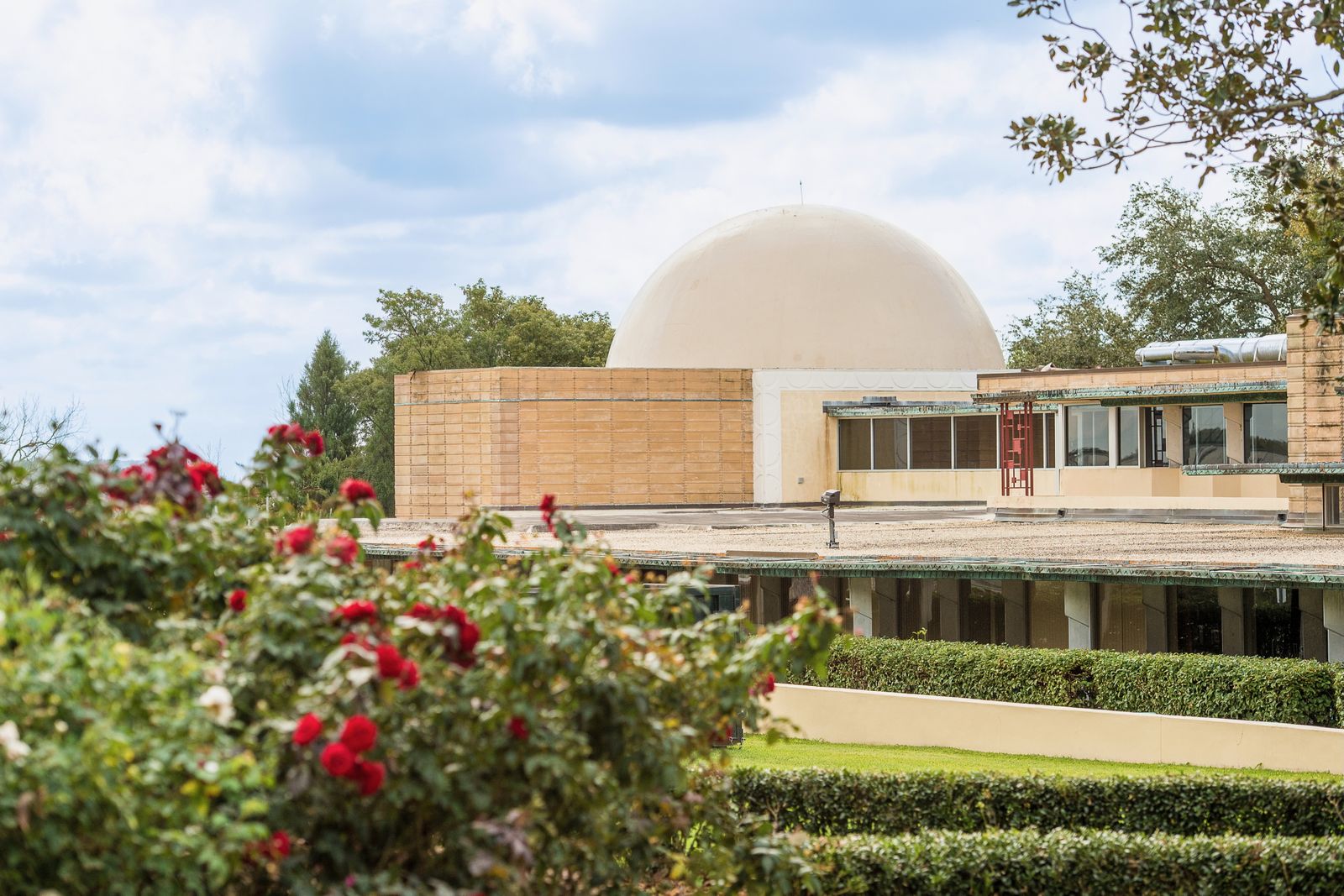
Immerse Yourself in the Cosmos at Frank Lloyd Wright's Only Planetarium, Recently Restored to Its Former Glory in Florida
Completed in 1958, the domed building is located on the campus of Florida Southern College, home to 13 Wright-designed buildings, the world's largest single-site collection of the architect's work

Play Tractor online with friends — free
Real-time Sheng Ji / Tractor for 3–5 players, with complete bidding and trump rules across web, iOS and Android.
Play bidfive →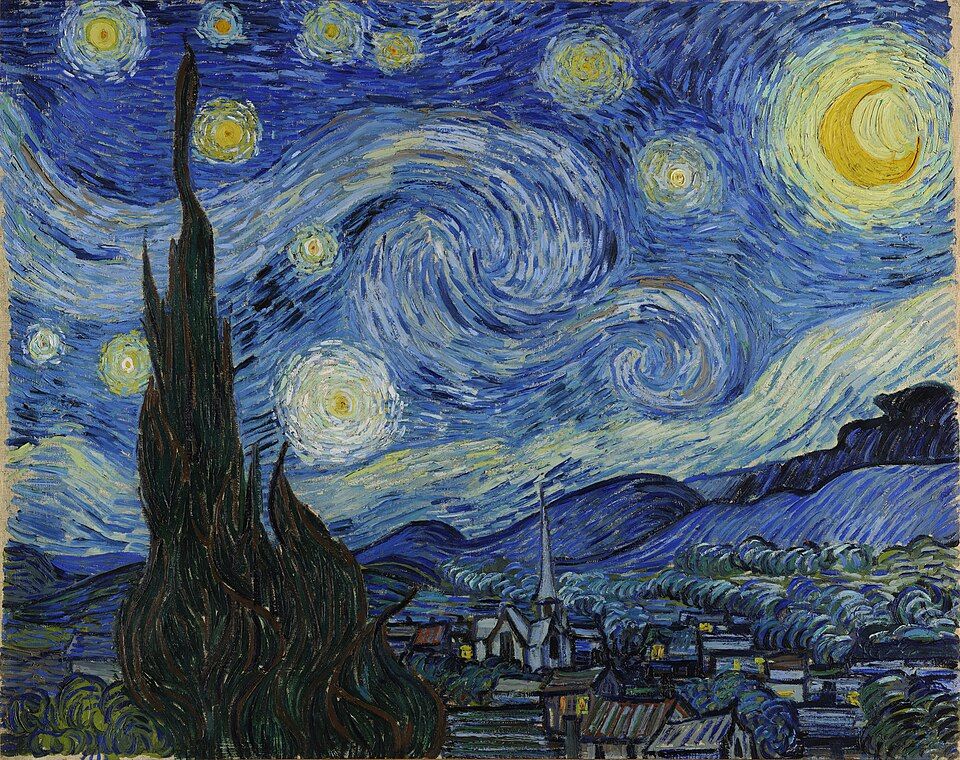
A Team of Astronomers Thinks They Have Identified the Exact Night Sky That Inspired Vincent van Gogh's 'Starry Night.' Not Everyone Is Convinced
Very few night skies seen from the south of France during the summer of 1889 would match the scene on van Gogh's canvas. A new study argues that it could have been July 22

'Pretty Boy' Floyd, One of the Most Notorious Outlaws of the Great Depression, Was Shot and Killed in an FBI Raid 92 Years Ago
Some Americans lauded the 30-year-old bank robber as a Robin Hood-esque folk hero. Others castigated him as a violent criminal whose misdeeds were emblematic of the troubled era

GTA 6 guides, updates and practical reference
Explore a Chinese GTA 6 guide library covering the release, map, characters, missions, vehicles and weapons.
Browse guides →
Create AI images with your own API key
aixipi runs on desktop/web, uses your own model API balance, and avoids subscription lock-in.
Try aixipi →