
Celebrate Indigenous Peoples’ Day With These 15 Dramatic Images of the Rich, Enduring Traditions of Native Americans
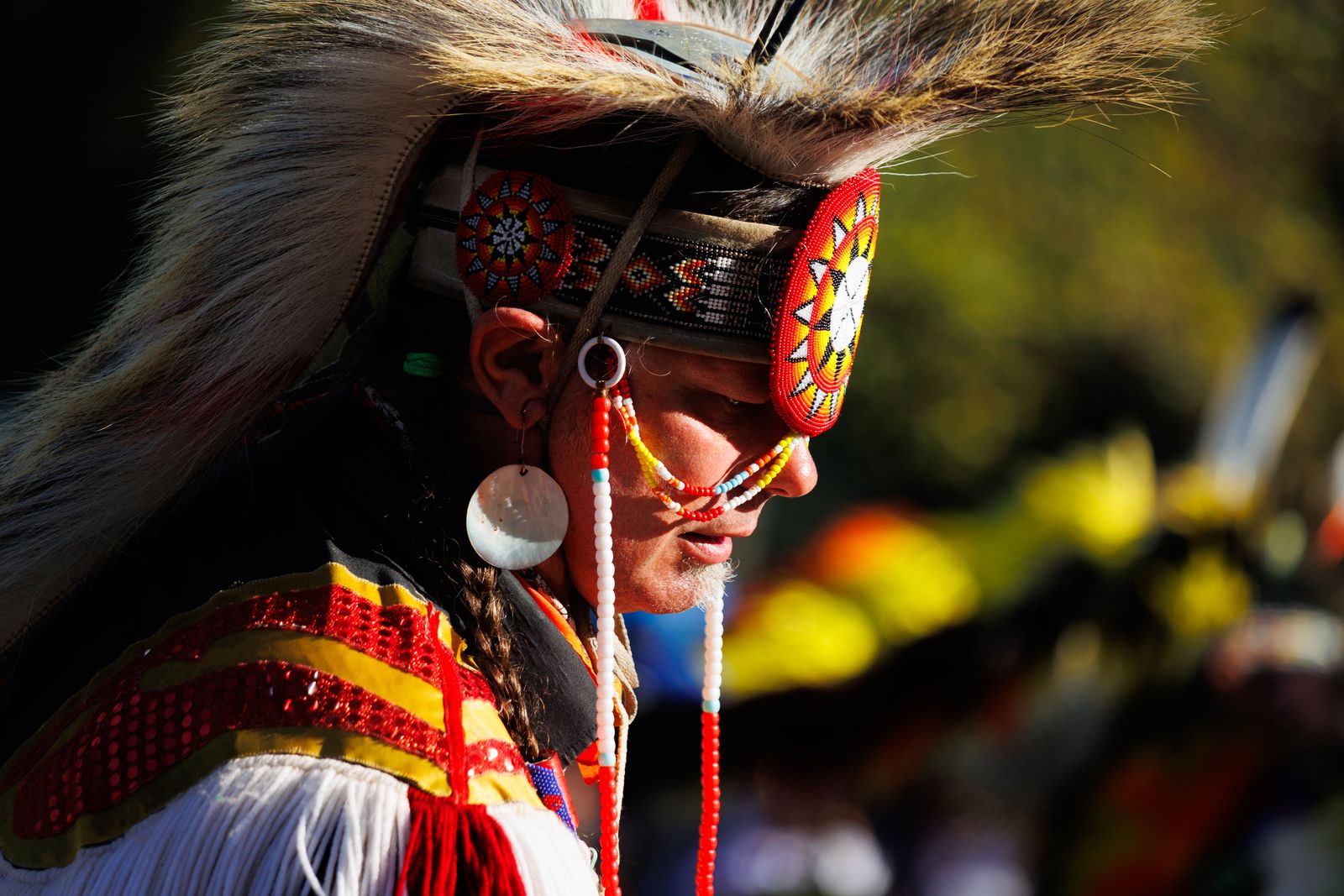
Indigenous Peoples’ Day is the focus of a new visual collection built around 15 photographs of Native Americans participating in tribal traditions. Selected from the Smithsonian Magazine Photo Contest, the images place cultural practice at the center of the observance. Together, they present Native life not as a fixed historical subject, but as an ongoing reality expressed through community customs and personal participation.
The photographs draw attention to traditions carried forward within individual tribal communities. Their subjects are shown taking part in practices that hold meaning in their own cultural settings, offering viewers scenes rooted in continuity rather than a generalized portrait of Native American identity. The collection’s central message is conveyed through activity: these customs persist because people continue to practice, protect and share them.
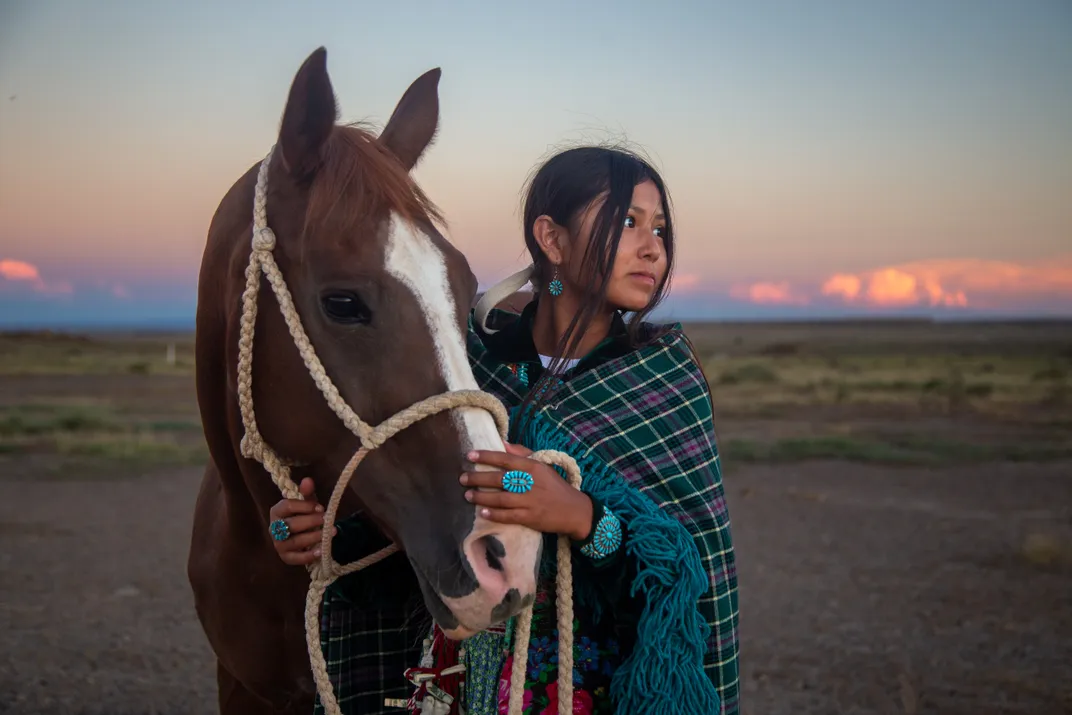
That focus gives the gallery a broader relevance beyond a single date on the calendar. Indigenous Peoples’ Day often prompts public recognition of Native communities, but photographs can make that recognition more immediate by centering people rather than symbols. The images offer moments of movement, dress, gathering and ceremony while keeping the emphasis on those whose lives and traditions shape the scenes.
At the same time, the collection resists the idea that Native American experience can be reduced to one story. The photographs are linked by their connection to tribal customs, yet each image reflects a particular setting and practice. Native communities encompass many distinct identities, histories and traditions, and the gallery’s value lies in showing a range of cultural expression without suggesting that every tribe shares the same experience.
The use of contest photography gives the feature another layer of interest. A photograph can preserve details that may otherwise pass quickly: an expression, a gesture, a gathering or an element of ceremonial presentation. Those details can draw audiences into a moment, but they also have limits. A single frame cannot fully contain the beliefs, relationships and history that surround a tradition.
That limitation is an important consideration for viewers. Striking images can encourage attention and respect, yet visual documentation alone does not explain all that a community may attach to a particular practice. The photographs can serve as an introduction, while deeper understanding depends on context, listening and recognition that tribal traditions are defined by the people and communities who maintain them.
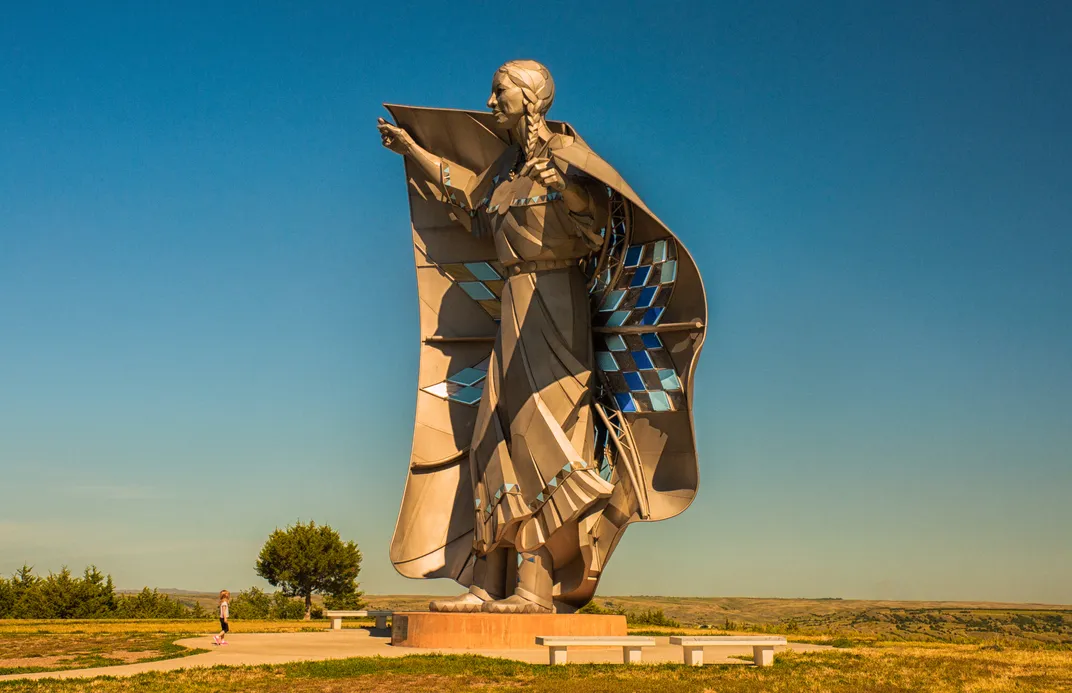
The feature also reflects the editorial work behind a magazine photo gallery. A Smithsonian Magazine photo editor is associated with the presentation, and a senior editor is identified with the story. Their involvement highlights the role of selection and framing in cultural coverage: photographers create individual images, while editors decide how those images are assembled and presented to readers as a larger narrative.
For audiences observing Indigenous Peoples’ Day, the 15 photographs offer an alternative to simplified gestures of acknowledgment. Their subjects are not presented merely as representatives of a broad category, but as people taking part in customs connected to their tribal lives. The collection makes cultural endurance visible through action, showing traditions as lived practices rather than remnants of an earlier era.
The gallery does not claim to encompass every Native American community or tradition. Instead, it offers a focused set of images that points toward a wider reality: Indigenous cultural life continues in many forms, within communities with their own practices and perspectives. The lasting question is how public attention can extend beyond an annual observance and support fuller recognition of Native peoples in the present.
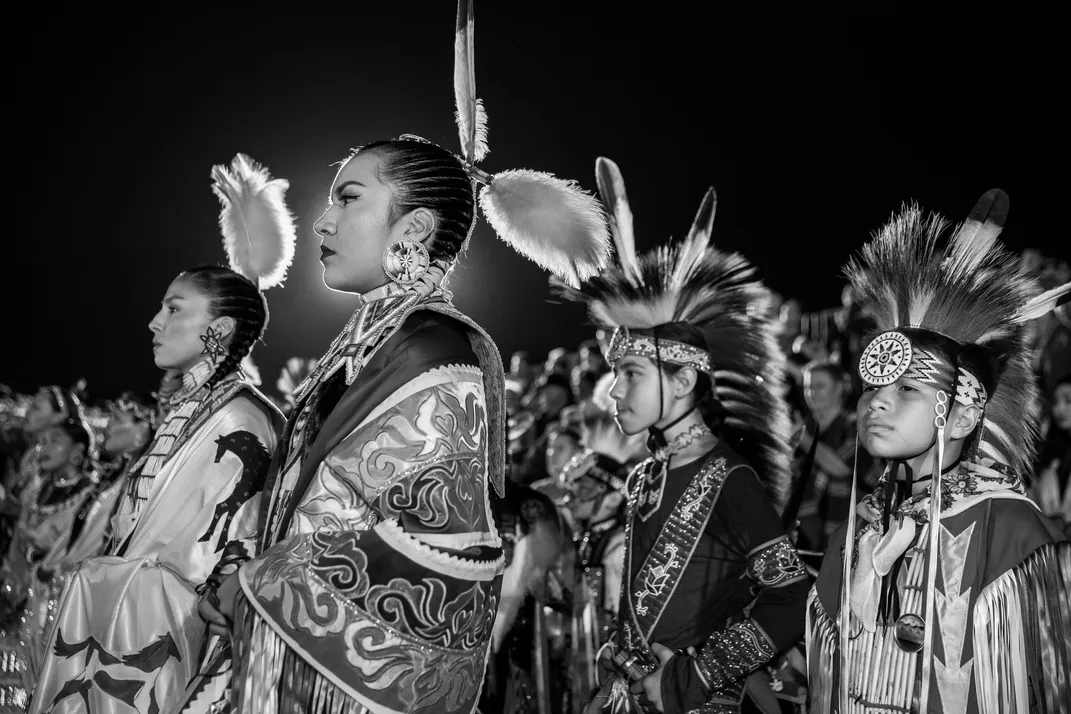
Source: Smithsonian Magazine
Related articles
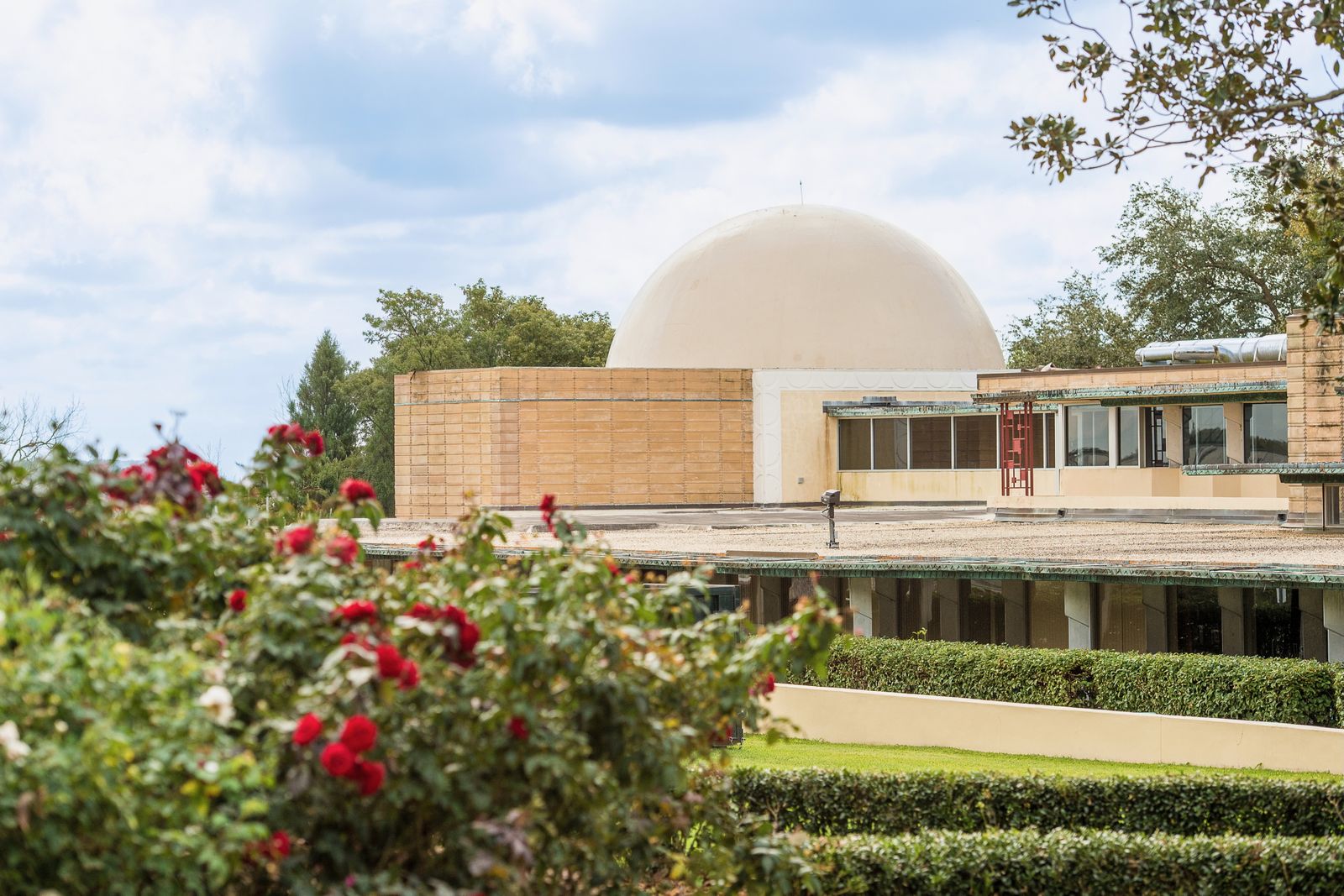
Immerse Yourself in the Cosmos at Frank Lloyd Wright's Only Planetarium, Recently Restored to Its Former Glory in Florida
Completed in 1958, the domed building is located on the campus of Florida Southern College, home to 13 Wright-designed buildings, the world's largest single-site collection of the architect's work

Play Tractor online with friends — free
Real-time Sheng Ji / Tractor for 3–5 players, with complete bidding and trump rules across web, iOS and Android.
Play bidfive →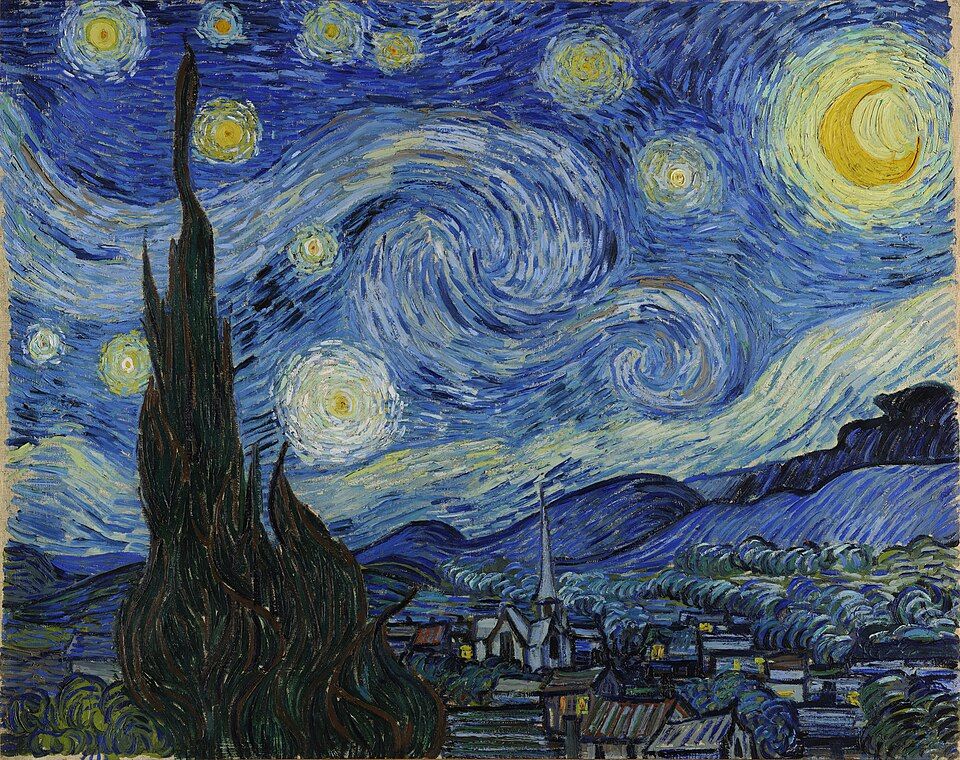
A Team of Astronomers Thinks They Have Identified the Exact Night Sky That Inspired Vincent van Gogh's 'Starry Night.' Not Everyone Is Convinced
Very few night skies seen from the south of France during the summer of 1889 would match the scene on van Gogh's canvas. A new study argues that it could have been July 22

'Pretty Boy' Floyd, One of the Most Notorious Outlaws of the Great Depression, Was Shot and Killed in an FBI Raid 92 Years Ago
Some Americans lauded the 30-year-old bank robber as a Robin Hood-esque folk hero. Others castigated him as a violent criminal whose misdeeds were emblematic of the troubled era

GTA 6 guides, updates and practical reference
Explore a Chinese GTA 6 guide library covering the release, map, characters, missions, vehicles and weapons.
Browse guides →
Create AI images with your own API key
aixipi runs on desktop/web, uses your own model API balance, and avoids subscription lock-in.
Try aixipi →