
Centuries Ago, an Architect Characterized the Parthenon’s Curves as a Clever Optical Illusion. Now, a Mathematician Begs to Differ
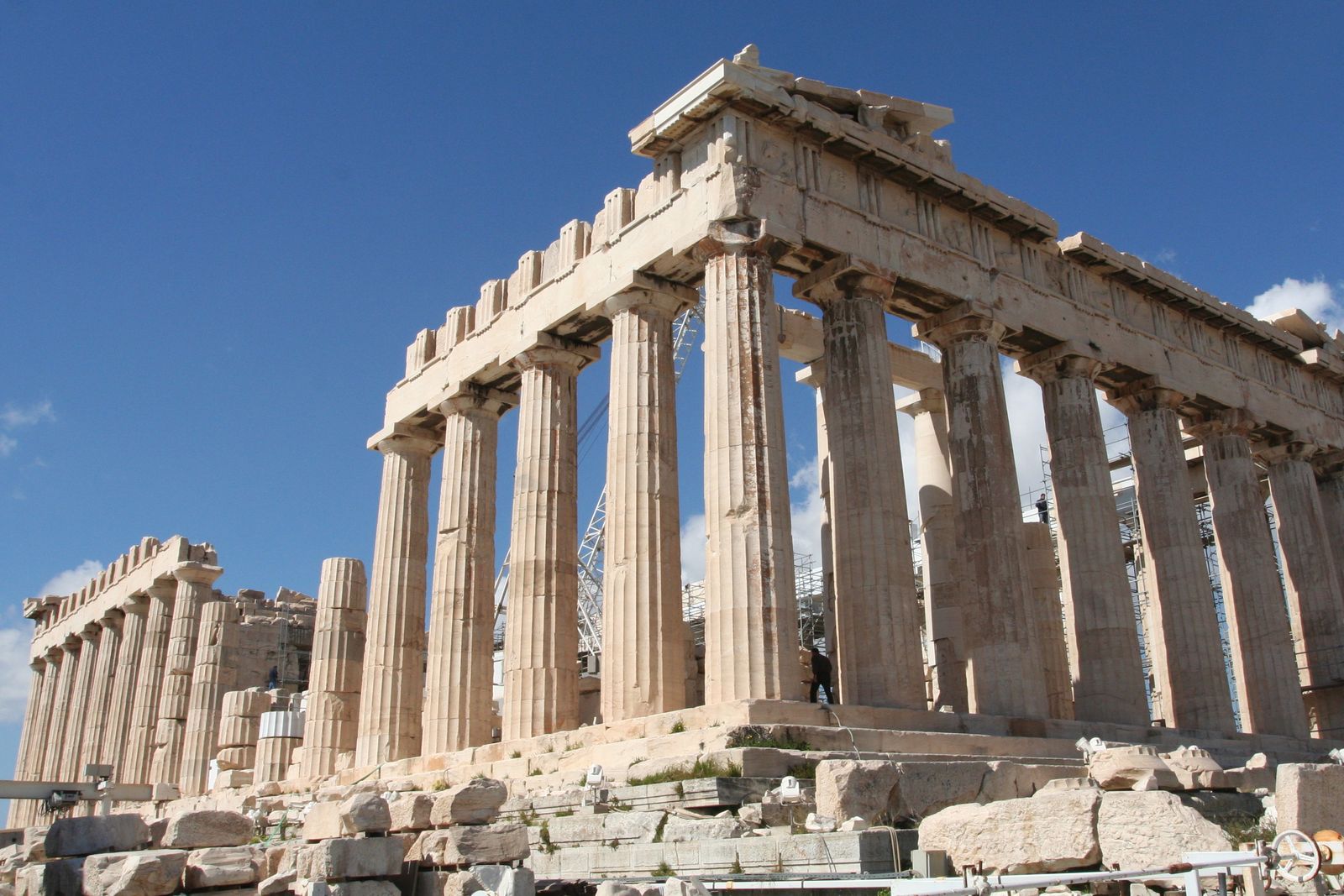
The Parthenon has long been presented as a masterclass in making a curved building look straight. A new mathematical study challenges that familiar interpretation, arguing that the celebrated adjustments in Athens’ best-known ancient temple have never been shown to create the optical effects often attributed to them. The research, published in Royal Society Open Science, reopens a debate that reaches back to the Roman architectural writer Vitruvius.
From a distance, the Parthenon appears to follow the crisp, orderly geometry associated with classical Greek architecture. Its Doric columns support an entablature beneath damaged triangular pediments, giving the roughly 2,500-year-old monument the impression of a carefully squared structure. Closer examination, however, reveals a more complicated design: the temple includes scarcely any truly straight edges and very few exact right angles.
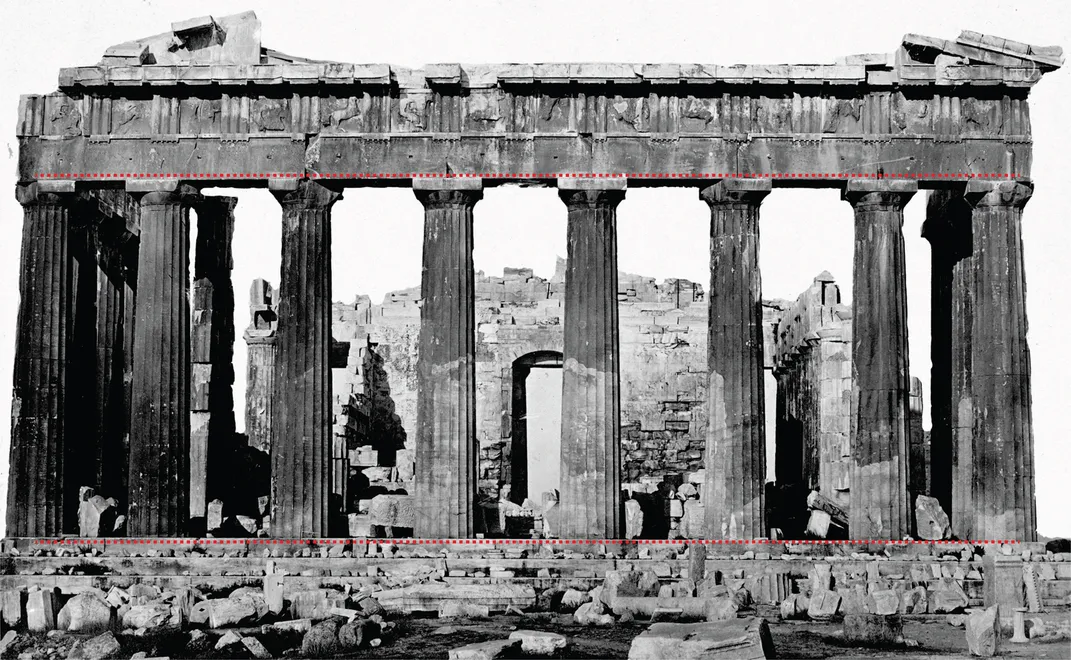
Those departures from strict geometry have fascinated architects, historians and visitors for generations. The platform and horizontal elements are not simply flat; they rise and bend subtly. The columns also contribute to a structure whose visual order depends on extremely fine departures from a conventional grid. Such refinements have helped make the Parthenon one of the most closely studied surviving buildings of the ancient world.
The standard explanation has been tied to Vitruvius, who wrote during the first century B.C.E. His account suggested that horizontal parts of a temple should be given a slight upward curve because a perfectly level line could appear to droop when viewed at a distance. Over many centuries, that idea became closely associated with the Parthenon and with the broader belief that its builders intentionally corrected flaws in human vision.
Under that account, the temple’s curves were not meant to draw attention to themselves. Instead, they were understood as calculated adjustments designed to preserve the appearance of regularity. The Parthenon therefore became an enduring example of the notion that ancient architects could use small distortions to make a building seem more perfectly rectilinear than it physically was.
Alain Goriely, a mathematician at the University of Oxford and author of the new study, disputes the evidentiary basis for that conclusion. He does not question that the features were deliberately incorporated into the monument. Rather, his argument is that researchers have not established that the temple’s refinements actually generate the visual corrections claimed for them. In comments to New Scientist, Goriely said the idea was broadly accepted despite a lack of direct proof for the proposed effect.
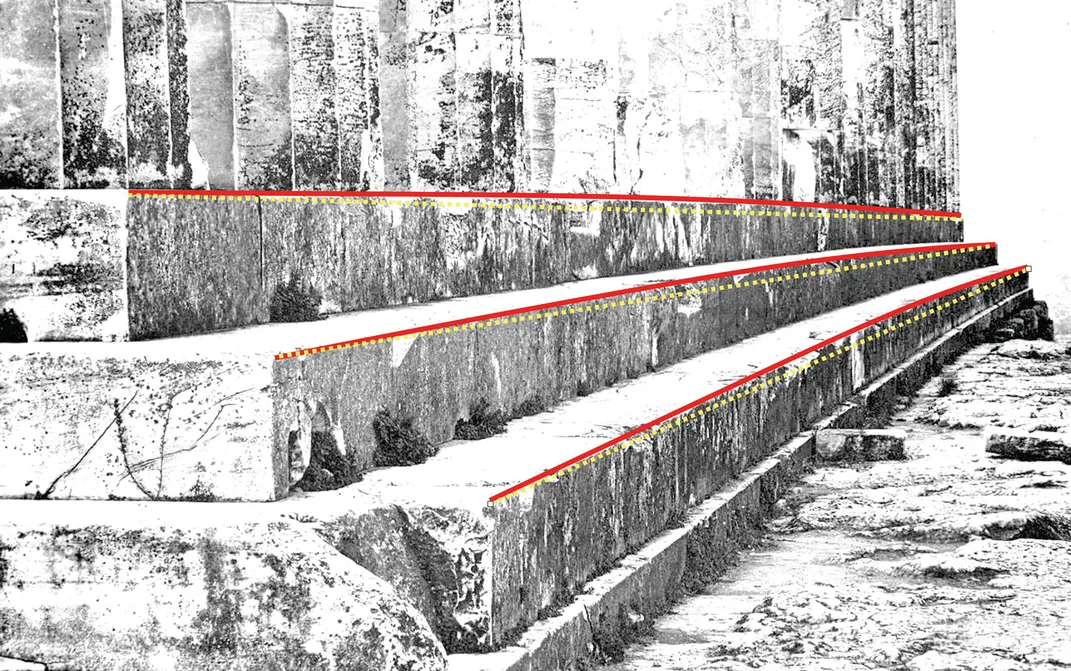
The distinction matters because intentional design and demonstrated optical illusion are not the same claim. A builder may choose curves for reasons that remain uncertain, while later observers may supply an explanation that fits modern assumptions about perception. Goriely’s work suggests that the enduring story surrounding the Parthenon may have converted a plausible interpretation into a conclusion stronger than the available evidence supports.
The study does not make the monument less remarkable. Its geometric complexity remains visible in the contrast between the building’s apparently disciplined symmetry and its underlying deviations from simple lines and angles. But it shifts the question from whether the Parthenon was expertly designed to why its architects chose these particular refinements, and whether the long-standing answer has been tested as rigorously as it has been repeated.
Further discussion is likely to focus on how architectural measurements, historical texts and visual perception should be weighed together. Vitruvius’ description remains important evidence of ancient architectural thinking, yet it may not settle the specific purpose of every curve at the Athenian temple. For now, the new analysis offers a caution against treating a powerful and elegant explanation as final simply because it has endured for so long.
Source: Smithsonian Magazine
Related articles
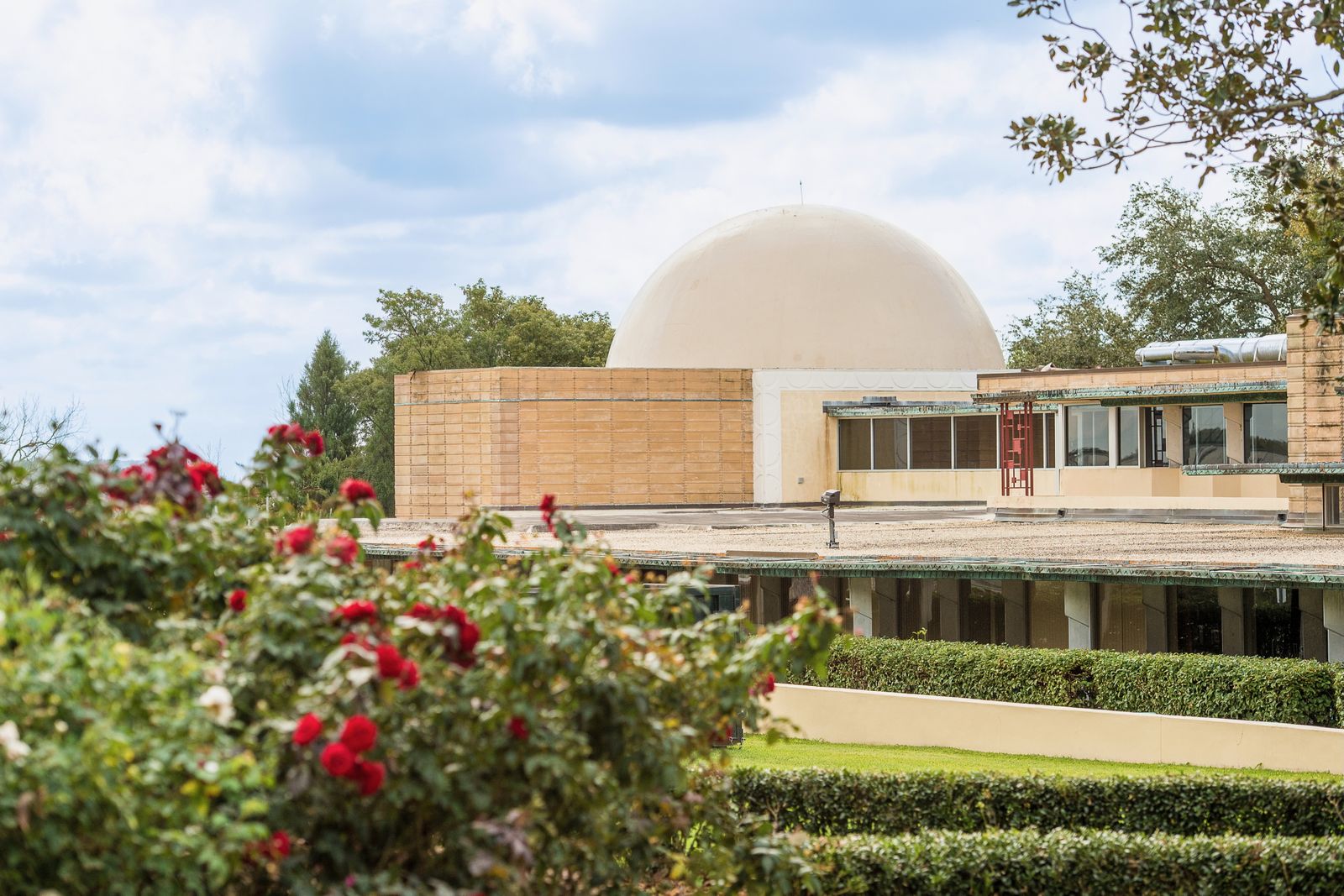
Immerse Yourself in the Cosmos at Frank Lloyd Wright's Only Planetarium, Recently Restored to Its Former Glory in Florida
Completed in 1958, the domed building is located on the campus of Florida Southern College, home to 13 Wright-designed buildings, the world's largest single-site collection of the architect's work

Play Tractor online with friends — free
Real-time Sheng Ji / Tractor for 3–5 players, with complete bidding and trump rules across web, iOS and Android.
Play bidfive →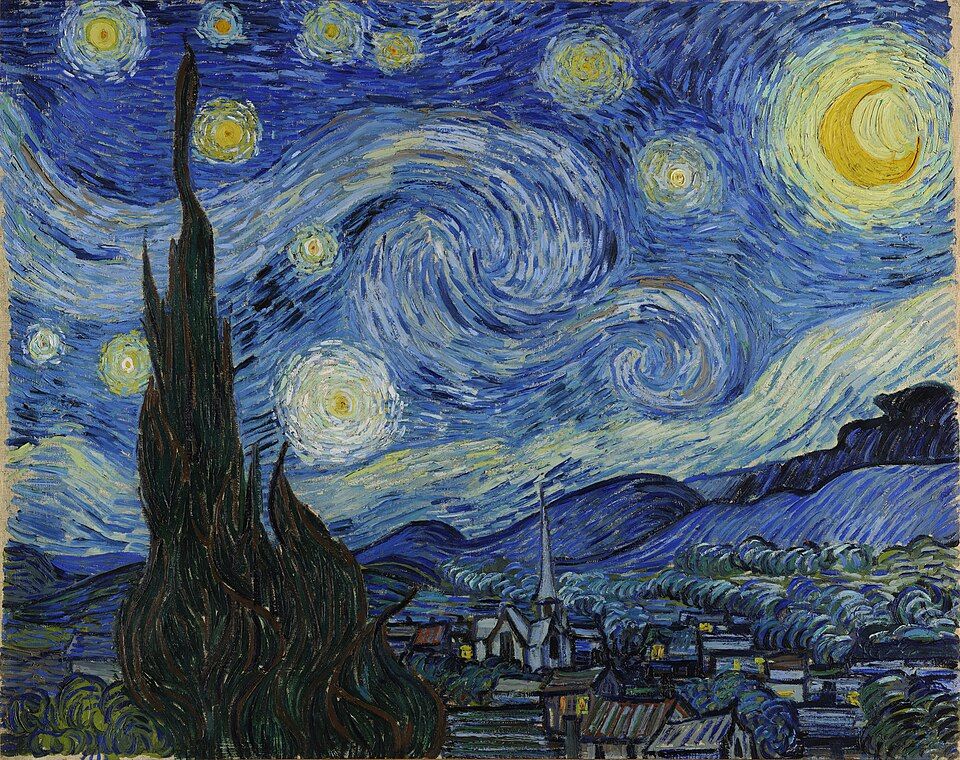
A Team of Astronomers Thinks They Have Identified the Exact Night Sky That Inspired Vincent van Gogh's 'Starry Night.' Not Everyone Is Convinced
Very few night skies seen from the south of France during the summer of 1889 would match the scene on van Gogh's canvas. A new study argues that it could have been July 22

'Pretty Boy' Floyd, One of the Most Notorious Outlaws of the Great Depression, Was Shot and Killed in an FBI Raid 92 Years Ago
Some Americans lauded the 30-year-old bank robber as a Robin Hood-esque folk hero. Others castigated him as a violent criminal whose misdeeds were emblematic of the troubled era

GTA 6 guides, updates and practical reference
Explore a Chinese GTA 6 guide library covering the release, map, characters, missions, vehicles and weapons.
Browse guides →
Create AI images with your own API key
aixipi runs on desktop/web, uses your own model API balance, and avoids subscription lock-in.
Try aixipi →