
Coast Guard, FBI boarded Texas-bound oil tanker to investigate cyberattack
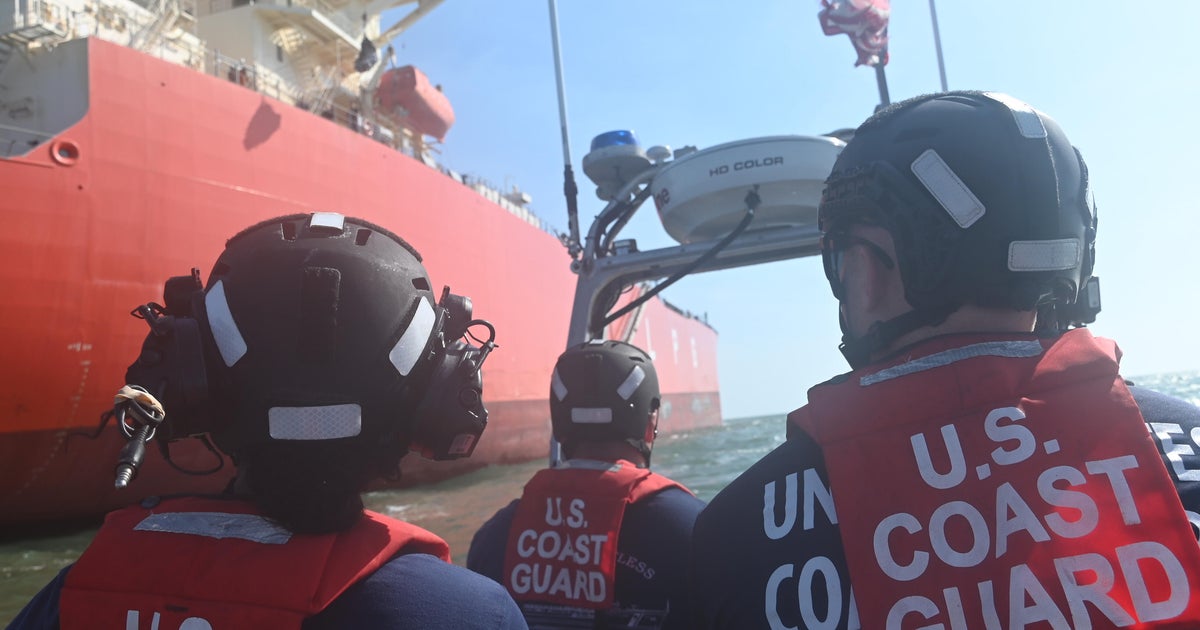
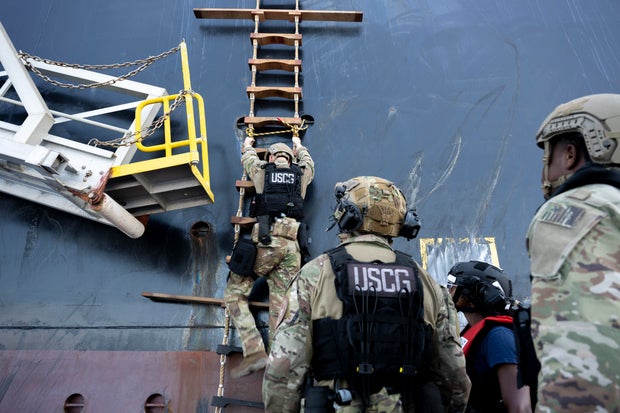
U.S. Coast Guard officers and FBI personnel went aboard a commercial tanker sailing toward Texas after authorities identified signs that the vessel’s computer network might have been penetrated by an overseas party. The boarding occurred in the Atlantic last month, the Coast Guard said Tuesday, placing a maritime cybersecurity incident at the center of an investigation involving a ship carrying crude oil toward the United States.
American officials have not publicly named the vessel or assigned responsibility for the suspected intrusion. That uncertainty is significant because some of the most detailed claims about the episode have come from Iranian state-linked media outlets, which circulated reports about the incident in the weeks after it was said to have occurred. U.S. authorities have not confirmed those operational claims.
Iranian reporting identified the tanker as the VL Prosperity, a very large crude carrier registered under Liberia’s flag. Vessel-tracking information indicates that it was headed for Galveston, Texas. The ship is about 333 meters long and can transport approximately 2.3 million barrels of oil, making any disruption to its operations potentially consequential for crew safety, cargo handling and the voyage itself.
The Coast Guard declined to provide the tanker’s name in its account of the boarding. However, HMM Ocean Service Co., Ltd., the South Korean company that manages the VL Prosperity, confirmed that Coast Guard personnel had boarded the ship. The confirmation establishes that U.S. maritime authorities inspected the vessel, though the company did not publicly validate the more dramatic allegations carried by Iranian news organizations.
Mehr News Agency reported on Aug. 20 that the ship had been targeted earlier in the month while traveling from the Sidi Kerir oil terminal in Egypt toward the United States. According to that account, communications were interrupted on Aug. 7. Iranian outlets also said the vessel was unable to communicate for around 30 hours, a claim that has not been independently substantiated by U.S. officials.
Those reports portrayed the suspected attack as reaching far beyond a routine loss of connectivity. Iranian state media alleged that intruders interfered with propulsion, navigation and cargo-management functions. It further claimed that the attackers gained access to machinery-related controls, potentially affecting systems that guide the ship, move it through the water and oversee the crude oil being carried.
Mehr attributed additional technical details to an unidentified crew member. In that version of events, the attackers allegedly entered systems associated with the engine room, cut the amount of cooling flow available to the engine and raised its operating speed. The report also alleged interference with fuel equipment and lubricating-oil systems, though none of those assertions has been publicly corroborated by the Coast Guard or the FBI.
The differing accounts leave key questions unresolved: whether a malicious actor actually entered the ship’s network, what systems may have been affected, whether operations were impaired, and who may have been responsible. The Coast Guard’s decision to send personnel aboard alongside federal investigators indicates that officials considered the possibility of a foreign-linked compromise serious enough to examine directly.
The case also highlights the growing concern around digitally connected commercial shipping. Tankers depend on communications, navigation tools and machinery controls during long ocean crossings, while their size and cargo make operational failures especially sensitive. For now, the public record offers confirmation of the federal boarding but not a U.S. finding on attribution, the scope of a breach or the accuracy of the claims amplified by Iranian media.
Source: CBS World
Related articles
Zelenskyy accuses Russia of using cluster warheads in deadly strikes
Russia launched the strikes on Ukraine less than a day after negotiations to end the war, which also involved the United States, ended in St. Petersburg.

Create AI images with your own API key
aixipi runs on desktop/web, uses your own model API balance, and avoids subscription lock-in.
Try aixipi →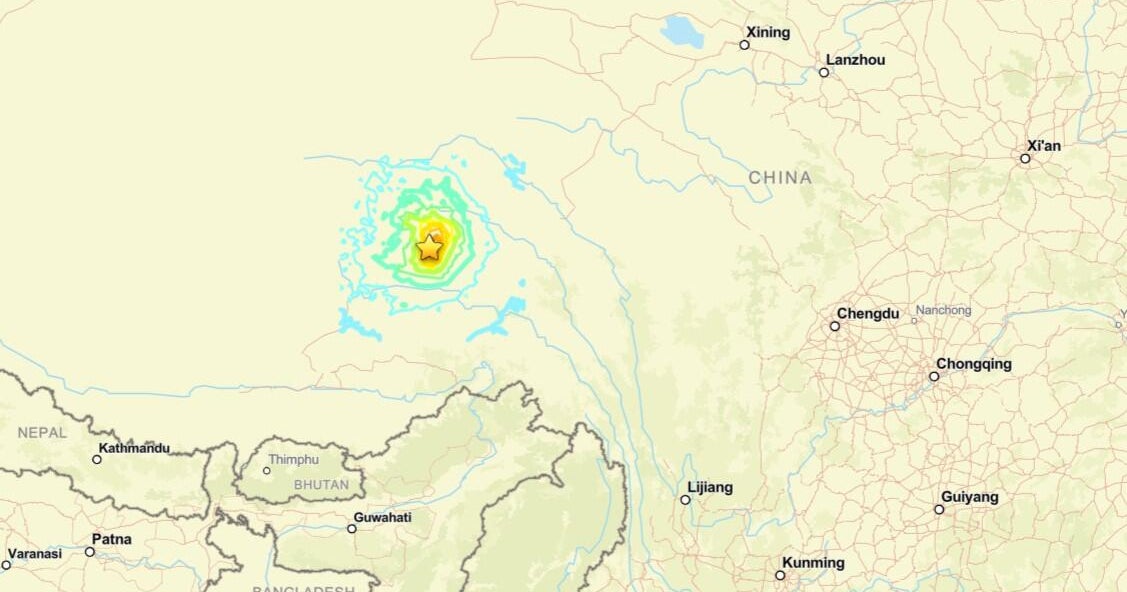
At least 16 dead when powerful 7.0 magnitude earthquake strikes Tibet
It was the biggest earthquake in the region in the last five years, China

See how Big Tech is transforming Spain's landscape
A drought-stricken region of northeast Spain has become a focus for American companies searching for locations to place their data centers.