
Commander rejected plans to rebase before deadly drone strike, sources say
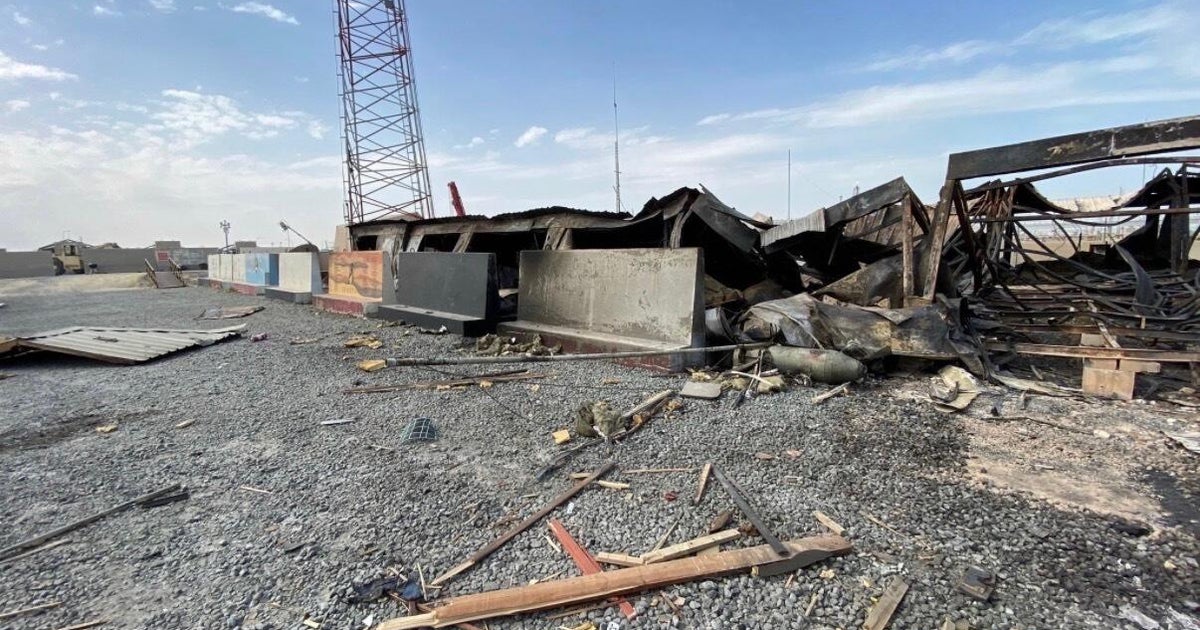
U.S. personnel stationed at a small port facility in Kuwait were exposed to Iranian drone fire in the early phase of the Iran war after an opportunity to move the unit farther from Iran was turned down, according to several people familiar with the planning. The episode has focused attention on decisions made before the attack, including intelligence assessments that identified the post as a possible target. The account concerns choices made before the drone operation began.
The troops, numbering in the dozens, were at Port of Shuaiba when Iranian drones attacked the location, the sources said. They said planners had considered shifting the force to sites in western Saudi Arabia, a move that would have placed it at a greater distance from Iranian territory. That option was not adopted by the unit's commanding general, despite warnings about the danger facing the Kuwait position.
The commander identified by the sources is Brig. Gen. Clint Barnes. Rather than sending the unit west into Saudi Arabia, he backed another course: using an approach similar to one followed by the formation that had been in Kuwait before the 103rd arrived there in September 2025. The decision left the unit operating from the port south of Kuwait City as the conflict escalated.
Port of Shuaiba lies about 30 miles south of Kuwait City and roughly 65 miles southwest of Iran. Those distances are central to the concern described by the sources: the site was considerably closer to Iran than the proposed Saudi locations. In a period when drone threats were already a consideration, the choice of operating location carried consequences for the personnel assigned to the outpost.
The precedent cited by Barnes came from a different moment in the region's recent fighting. During the 12-day Israel-Iran war in July, the active unit then based at Camp Arifjan temporarily shifted to Shuaiba. That earlier move was brief, and the sources said it provided the template later favored for the 103rd's deployment.
But a service member who spoke anonymously because he was not cleared to discuss the matter said the July circumstances did not match those surrounding the later drone attack. In the earlier conflict, the concern was not primarily that Shuaiba itself would be selected for attack. Instead, the member described a risk that weapons traveling between Iran and Israel could be intercepted overhead and fall from the sky.
That distinction matters because it separates a temporary relocation undertaken amid air traffic over the region from a decision made after intelligence pointed to a possible strike on the post itself. The service member's account presents the two deployments as responses to different hazards. The sources' account does not establish why the Saudi alternative was rejected, nor does it describe the full range of considerations put before the commander. It does, however, indicate that a more distant option had been available before the drones hit.
The account also highlights the operational challenge for U.S. forces in Kuwait during a wider Iran conflict: commanders must weigh proximity, mission needs and the changing character of threats while personnel remain exposed. A site chosen for one type of risk may be judged differently when warnings concern a direct drone attack. The reported planning dispute therefore reaches beyond a single base and raises questions about how threat intelligence is translated into force-protection decisions.
What happens next is likely to depend on whether military officials provide a fuller account of the warning, the rejected relocation proposal and the consequences of the Iranian drone operation. The available reporting attributes the details to multiple sources, including one service member with firsthand perspective, but not to a public military explanation. Until officials address those questions, the record remains centered on the contrast between the alternatives considered and the vulnerable position where the troops remained.
Source: CBS World
Related articles
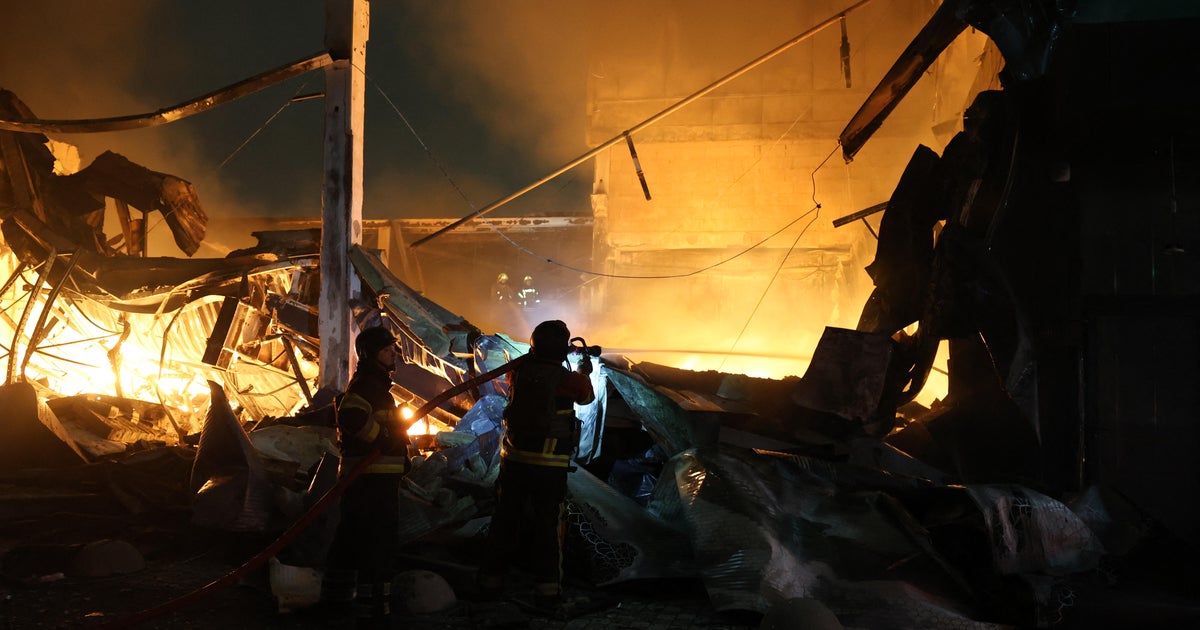
Zelenskyy accuses Russia of using cluster warheads in deadly strikes
Russia launched the strikes on Ukraine less than a day after negotiations to end the war, which also involved the United States, ended in St. Petersburg.

Create AI images with your own API key
aixipi runs on desktop/web, uses your own model API balance, and avoids subscription lock-in.
Try aixipi →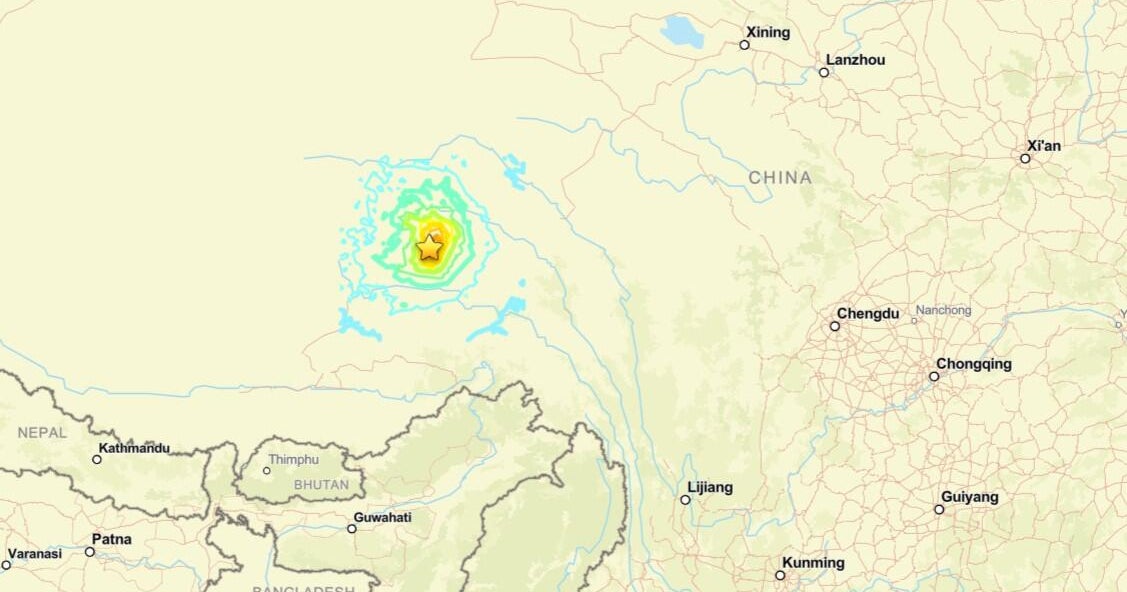
At least 16 dead when powerful 7.0 magnitude earthquake strikes Tibet
It was the biggest earthquake in the region in the last five years, China

See how Big Tech is transforming Spain's landscape
A drought-stricken region of northeast Spain has become a focus for American companies searching for locations to place their data centers.