
Did You Suffer a Sweltering August? You Weren't Alone. It Tied for the Month With the Hottest Global Temperatures on Record

August joined July 2023 at the top of Copernicus’ global temperature rankings, according to the European Union climate-monitoring program. The latest monthly assessment puts the average temperature of air near Earth’s surface at 62.53 degrees Fahrenheit. For a calendar month in the service’s dataset, which begins in 1940, no higher result has been recorded. The tie turns a season widely experienced as oppressive heat into a new marker in the global climate record.
The result concerns a worldwide average, not a reading from one city, country or weather station. That distinction matters because weather varies sharply from place to place, and a global figure can encompass different local experiences. Still, the measure offers a way to compare the planet’s overall conditions from month to month. In August, that comparison placed the month alongside the previous record-holder rather than below it.

Europe provided a conspicuous example of the season’s intensity. Western Europe went through two heatwaves during the summer, adding repeated episodes of unusually hot conditions to an already difficult period. Such events can make an abstract global average immediately tangible, particularly where warm nights, hot days and recurring heat leave little time for communities to recover between spells.
Copernicus said August’s global surface-air average stood nearly 3 degrees Fahrenheit above the pre-industrial benchmark. That gap is notable in relation to the Paris Agreement, the international climate accord adopted in 2015 by almost 200 countries. The agreement set a 2.7-degree Fahrenheit threshold, so the monthly departure reported for August was above that level. The comparison does not convert one month into a verdict on the treaty’s broader goals, but it underscores the scale of the anomaly measured by the service.
The agency’s findings also place the heat in a longer-running record rather than treating it as an isolated local episode. Copernicus’ series reaches back to 1940, allowing the service to set August against more than eight decades of observations. A shared record is not the same as a new outright high, but it is still significant: it means the month matched the warmest global monthly result the dataset contains.
Samantha Burgess, a climate scientist and Copernicus’ deputy director, said the observations show climate change is pushing extreme conditions in both the air and the oceans. Her warning extends beyond temperature tables. She said the effects are being felt around the world by communities, economies and ecosystems, linking the record to consequences that can emerge across social, commercial and natural systems.
The report also calls for care in how a global milestone is interpreted. A planetary mean cannot describe every region’s weather, and it cannot by itself tell the full story of a particular heatwave. Local conditions, exposure and the capacity to respond help determine how severe any episode becomes. Yet the global calculation remains important precisely because it captures a broad signal that individual regional reports may not reveal on their own.
That difference between the global record and local experience is also a reason the findings should be read alongside regional information. People do not live in an average; they encounter specific days, nights and seasons. In Western Europe, the succession of two heatwaves illustrated how a summer can be shaped by repetition as well as by one exceptional peak. The August result supplies the worldwide frame for those regional events without suggesting that conditions were uniform everywhere.
Attention will now turn to later measurements and to whether the conditions highlighted in August continue to shape the remainder of the year. Future monthly readings will show whether the tie remains a singular peak or becomes part of another extended period of exceptional warmth. For policymakers, businesses and residents facing heat, the immediate question is less about the ranking alone than about how repeated extremes affect daily life and long-term planning. The monitoring service’s next assessments will provide comparable evidence for that question.

Source: Smithsonian Magazine
Related articles
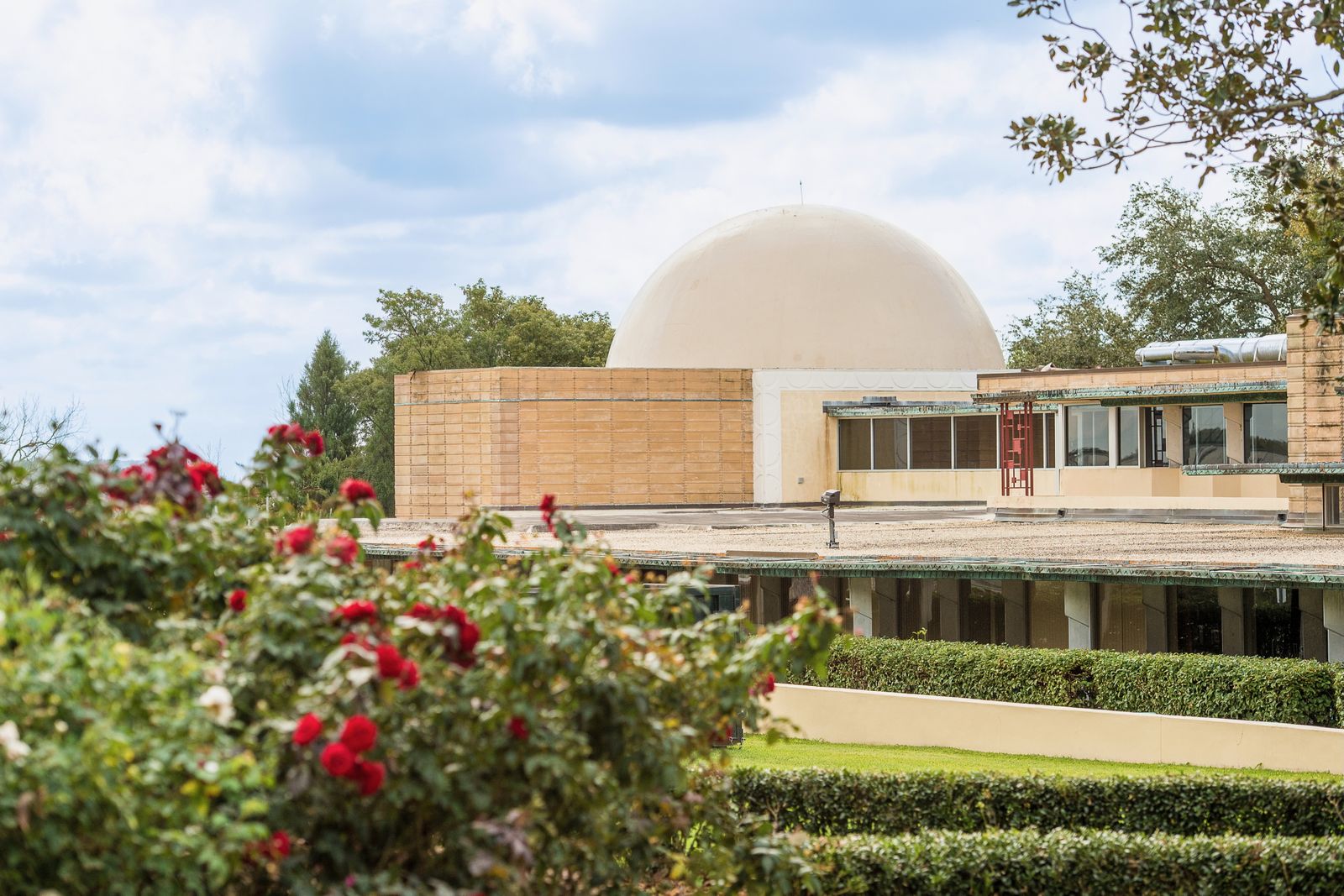
Immerse Yourself in the Cosmos at Frank Lloyd Wright's Only Planetarium, Recently Restored to Its Former Glory in Florida
Completed in 1958, the domed building is located on the campus of Florida Southern College, home to 13 Wright-designed buildings, the world's largest single-site collection of the architect's work

Play Tractor online with friends — free
Real-time Sheng Ji / Tractor for 3–5 players, with complete bidding and trump rules across web, iOS and Android.
Play bidfive →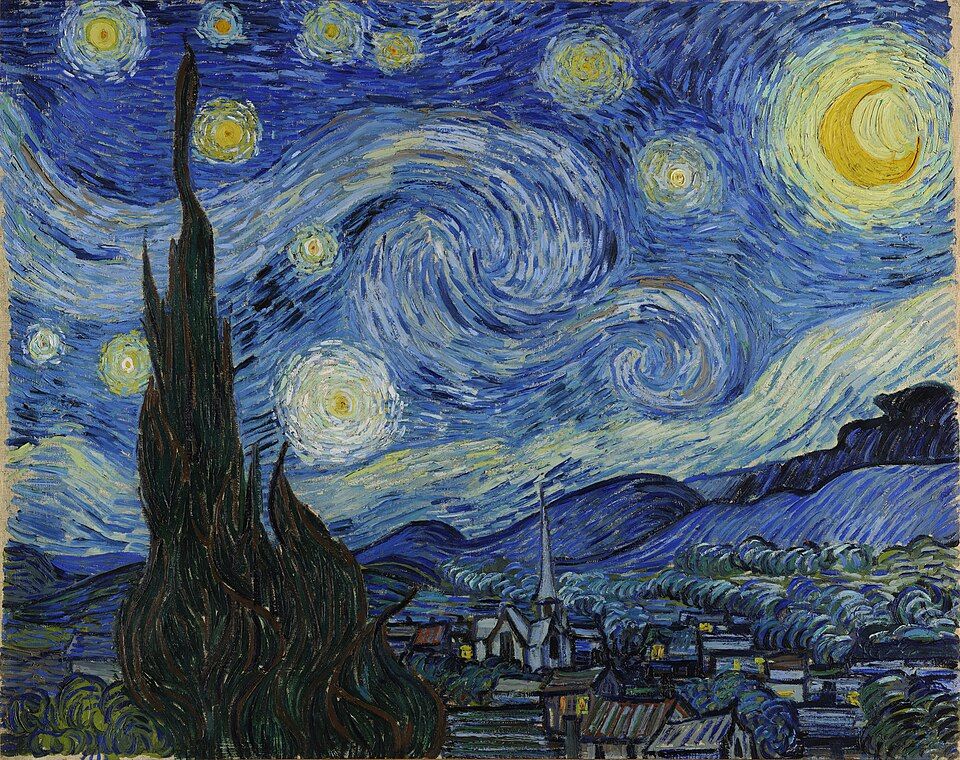
A Team of Astronomers Thinks They Have Identified the Exact Night Sky That Inspired Vincent van Gogh's 'Starry Night.' Not Everyone Is Convinced
Very few night skies seen from the south of France during the summer of 1889 would match the scene on van Gogh's canvas. A new study argues that it could have been July 22

'Pretty Boy' Floyd, One of the Most Notorious Outlaws of the Great Depression, Was Shot and Killed in an FBI Raid 92 Years Ago
Some Americans lauded the 30-year-old bank robber as a Robin Hood-esque folk hero. Others castigated him as a violent criminal whose misdeeds were emblematic of the troubled era

GTA 6 guides, updates and practical reference
Explore a Chinese GTA 6 guide library covering the release, map, characters, missions, vehicles and weapons.
Browse guides →
Create AI images with your own API key
aixipi runs on desktop/web, uses your own model API balance, and avoids subscription lock-in.
Try aixipi →