
DOJ reviving dormant prize law to try to claim Iranian oil tankers
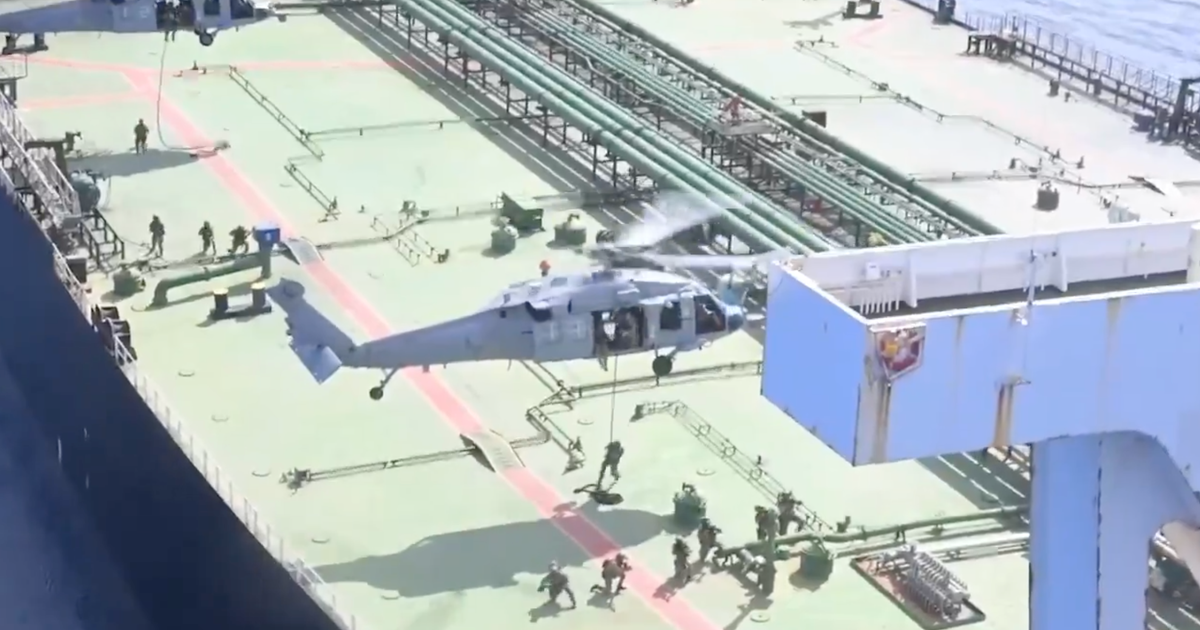
The Justice Department is preparing to invoke an old-fashioned body of wartime law as it seeks control of Iranian oil tankers and their cargoes. The planned move would place a long-dormant legal framework, known as prize law, at the center of disputes over vessels taken at sea during the conflict involving Iran. Officials appear to be pursuing the approach in part to accelerate decisions about the ships and the oil they carry.
The effort is notable because the rules have been largely absent from modern federal practice. Prize law has not seen regular use since the Spanish-American War, making the department’s renewed interest a rare attempt to adapt a centuries-old system to a current military and maritime confrontation. Rather than treating the tanker cases solely as ordinary enforcement matters, the government is preparing to argue that wartime capture rules should govern whether the seizures were lawful and what should become of the assets.
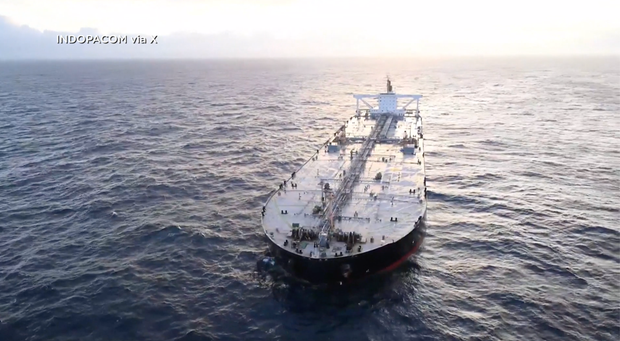
Aaron Reitz, the U.S. attorney for the Southern District of Texas, confirmed last month that his office is participating in the initiative. His confirmation indicates that the issue is moving beyond a theoretical discussion of historical law and into active federal litigation planning. The Justice Department intends to rely on prize-law arguments when courts examine the legal basis for ships and tankers seized since the Trump administration began.
The proposed use of prize law would give the government a distinct route for addressing two linked questions: whether a vessel was lawfully captured and how its property should be handled afterward. Those questions are especially significant when a ship and its cargo are both involved. The department’s plan would put federal judges in the position of deciding the disposition of vessels and goods after they have been taken at sea.
Reitz framed the effort as one connected to national-security needs during a military conflict. He said the United States could need to seize ships or cargo that support an enemy. If such captures occur, he said, the federal judiciary must be equipped to decide what happens to the property brought under American control.
The tanker cases could therefore depend on a specialized legal route that many modern lawyers and judges have had little reason to confront. A decision supporting the government could provide a means of resolving claims to captured Iranian tankers and their cargoes under rules tied to armed conflict. A rejection of the argument, or a limited interpretation of the doctrine, could restrict the government’s effort to apply the historical framework to these vessels.
Maritime-law specialists have warned that the department’s strategy may face substantial difficulty. Their concerns do not eliminate the government’s stated security rationale, but they highlight the uncertainty involved in bringing back a legal regime that has gone unused for so long. Courts may need to determine how its older principles fit the circumstances of present-day maritime seizures, if they fit at all.
The dispute also carries implications for the sequence of events after a military capture. The government is not simply seeking to take ships at sea; it is preparing to establish in court that the seizures met the applicable legal standard and that the ensuing handling of vessels and cargo should follow prize-law procedures. That could make the litigation a central test of the administration’s approach.
What happens next will depend on the Justice Department’s court filings, the legal arguments offered in response, and how judges evaluate a doctrine with little modern use. The proceedings may clarify whether prize law can be revived for the Iranian tanker cases, whether it can speed the resolution of ownership and disposition questions, and how far courts are willing to extend its application.
Source: CBS World
Related articles
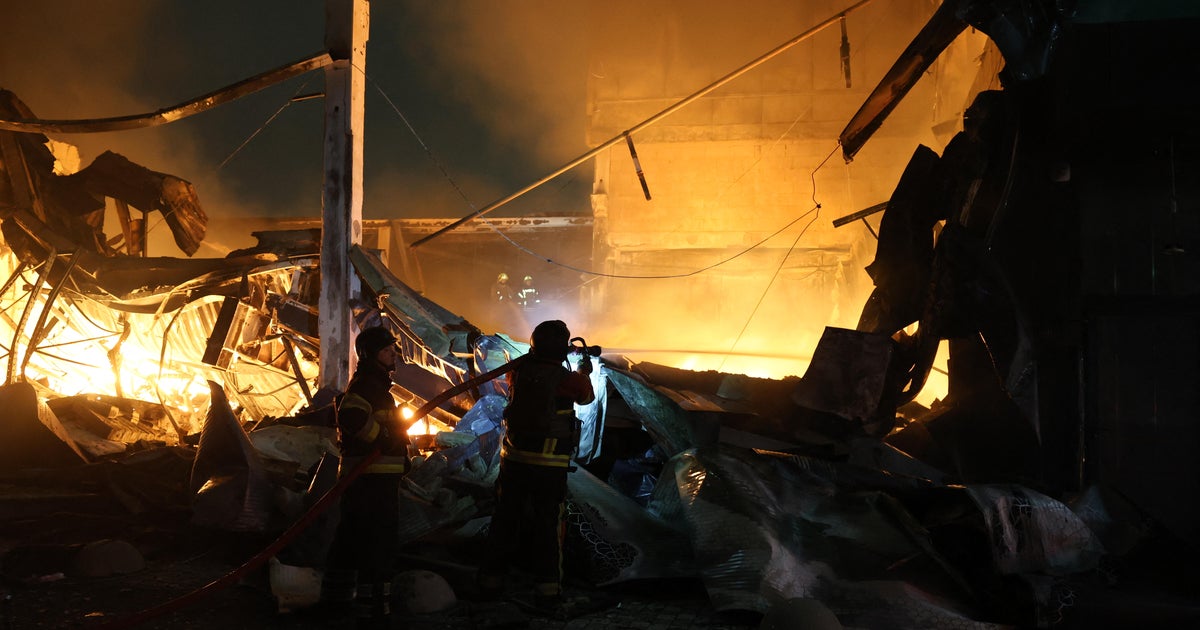
Zelenskyy accuses Russia of using cluster warheads in deadly strikes
Russia launched the strikes on Ukraine less than a day after negotiations to end the war, which also involved the United States, ended in St. Petersburg.

Create AI images with your own API key
aixipi runs on desktop/web, uses your own model API balance, and avoids subscription lock-in.
Try aixipi →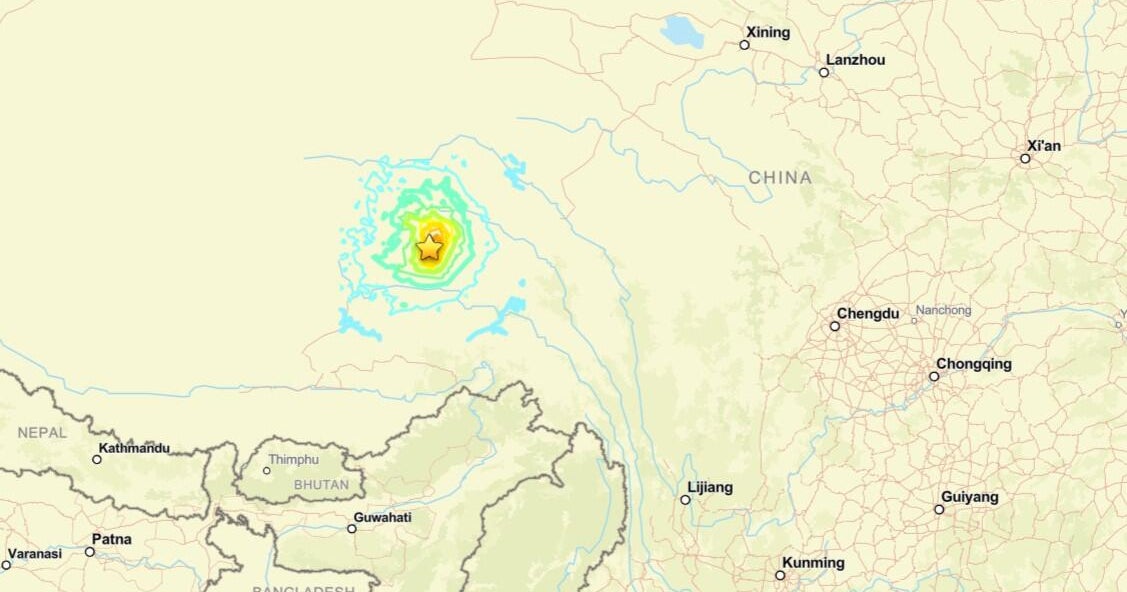
At least 16 dead when powerful 7.0 magnitude earthquake strikes Tibet
It was the biggest earthquake in the region in the last five years, China

See how Big Tech is transforming Spain's landscape
A drought-stricken region of northeast Spain has become a focus for American companies searching for locations to place their data centers.