
During the American Revolution, the City of Lancaster, Pennsylvania, Served as the United States' Capital for Just One Day
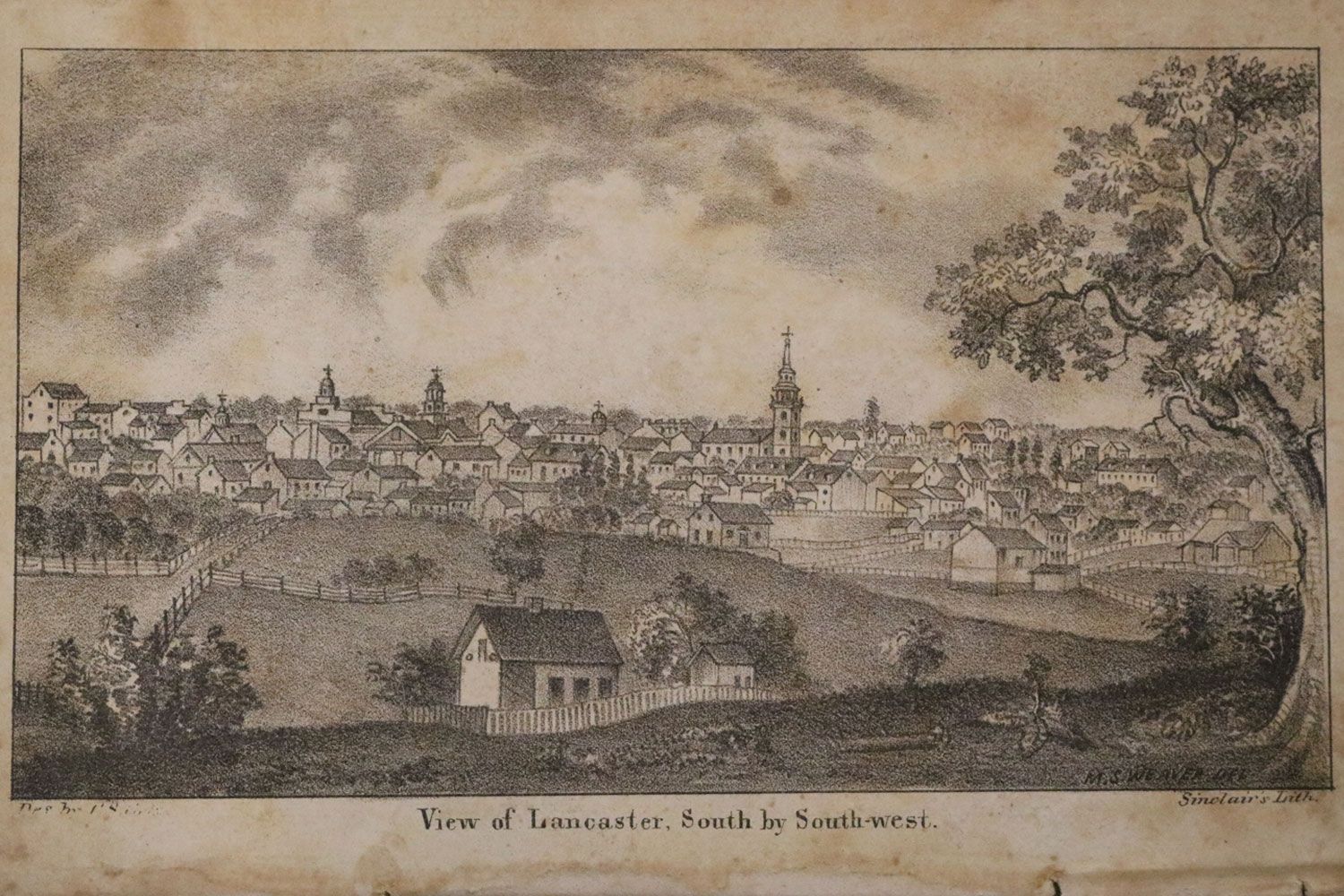
Lancaster, Pennsylvania, held the designation of national capital for only a single day during the American Revolution, a brief episode prompted by a military emergency rather than civic ambition. In September 1777, as British forces closed in on Philadelphia, the country’s political leadership left the city and headed inland. Their stop in Lancaster produced one official gathering at the town courthouse before the delegates continued west to York.
The moment places Lancaster in an unusually small group of American cities that have at some point hosted the nation’s seat of government. The period was short, but its circumstances set it apart: Congress arrived while facing an immediate threat, not as part of a settled plan to build a permanent capital. Adam Zurn, who wrote Capital Day: Lancaster and the Revolution and created the “Uncharted Lancaster” blog, describes the city as the third U.S. capital.
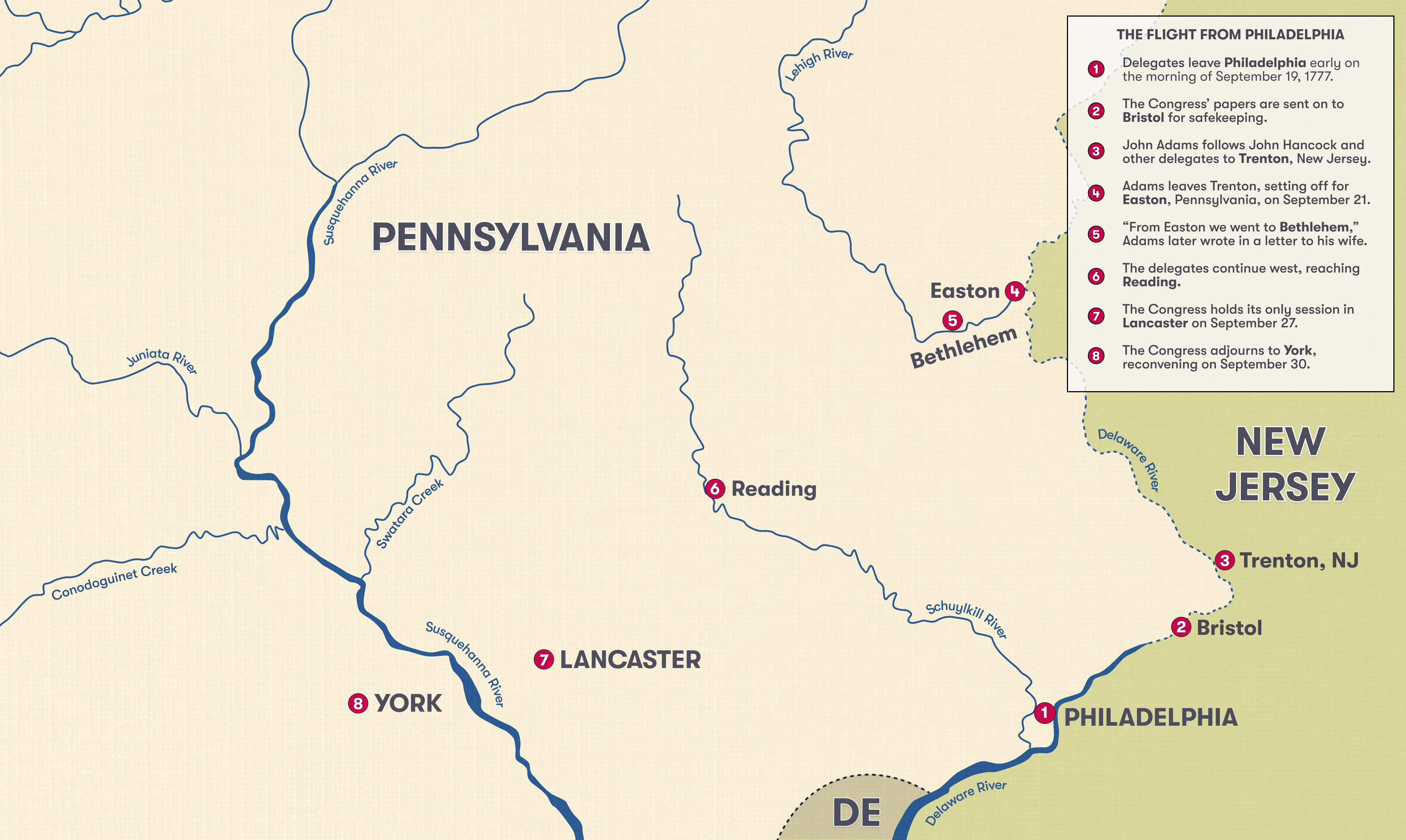
For the revolutionary government, the hurried move underscored how uncertain its position remained. A capital in wartime could be less a fixed place than the location where its leaders could safely meet and conduct business. Lancaster’s courthouse became the temporary setting for that work, but only until the delegates judged it necessary to press on to York. The one-day stay is therefore tied directly to the British advance toward Philadelphia.
Lancaster was not an accidental choice on a map. When the Revolution began in 1775, it was the largest city located inland among the colonies. The community had an estimated population of about 3,000 and stood amid productive agricultural land. Mills, ironworks and rifle-making shops in and around the area added to its importance at a time when food, equipment and arms were essential to the war effort.
Its location also made Lancaster a practical waypoint in a larger network. Troops and matériel moved through the city between New York State, Virginia and the western frontier around Fort Pitt, on Pennsylvania’s far side. The city functioned as both a supply center and a staging ground for those movements. Those established connections help explain why an inland stop could offer Congress support during a sudden retreat from Philadelphia.
Yet the designation did not appear to transform everyday life in Lancaster in 1777. Townrow characterizes it as a small event when measured against the wider demands and disruption of the war. That perspective is an important corrective to the modern label: the local courthouse meeting mattered because it preserved a functioning government in a crisis, but it was only one event within a conflict that was reshaping communities across the colonies. In that sense, the present-day claim carries more visibility than the day itself did for the people who lived there.
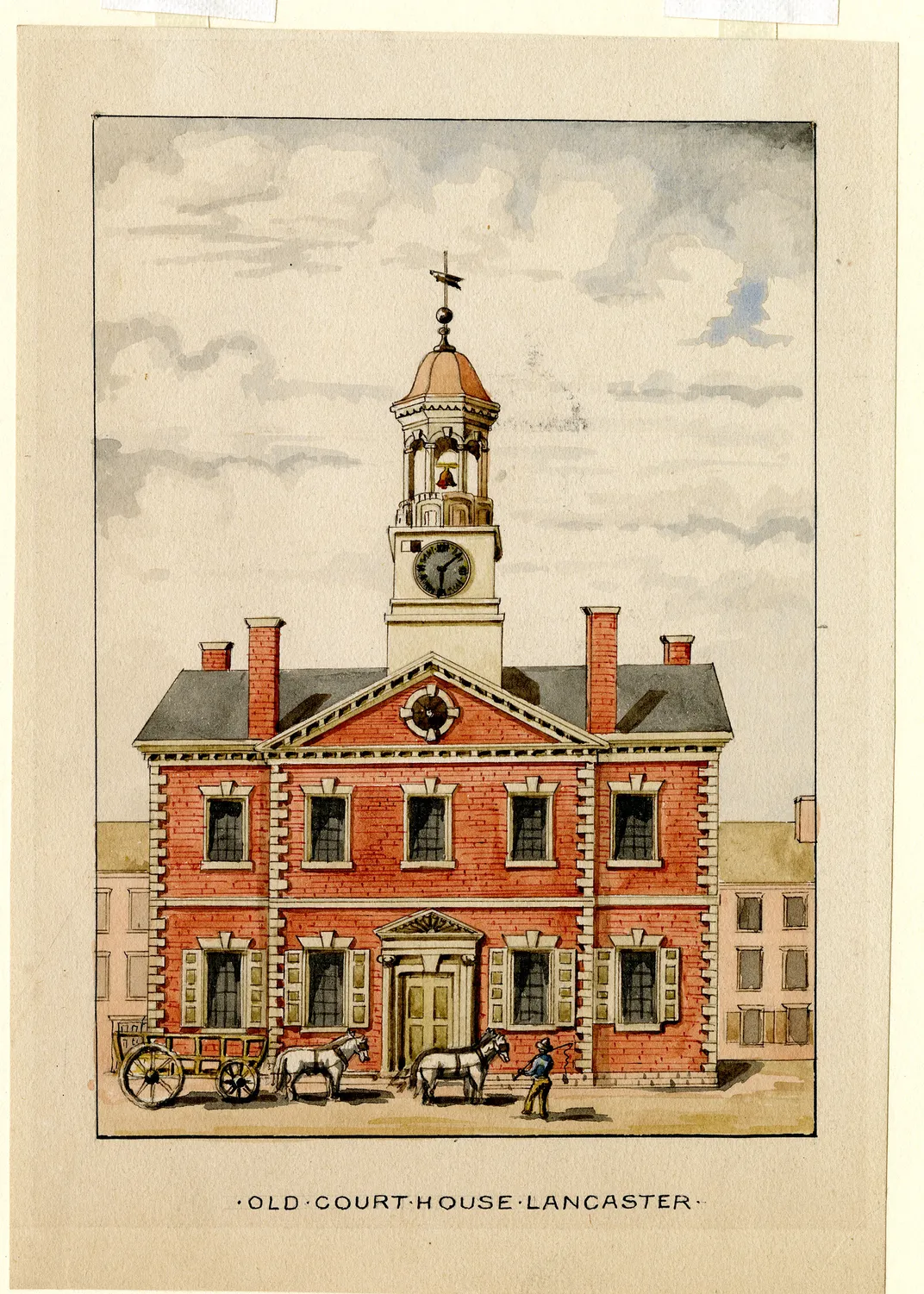
Nearly two and a half centuries later, the city has embraced the distinction far more openly than residents seem to have at the time. Lancaster marks the occasion through an annual Capital Day observance. The celebration turns a fleeting administrative role into a point of civic memory, while retaining the unusual scale of the story: its capital status lasted a day, not a season or a generation.
The episode also broadens the familiar picture of the Revolution, which is often organized around major battles and well-known political centers. Lancaster’s role highlights the infrastructure behind political survival: roads, supplies, workshops, farms and a courthouse capable of receiving leaders on short notice. Its importance was connected not only to the meeting itself but also to the city’s existing place in the movement of people and provisions.
For visitors and residents following the annual commemoration, the central fact remains straightforward but revealing. Lancaster was briefly the place where the threatened national legislature convened after leaving Philadelphia, then it yielded that role when Congress moved to York. The city’s claim is modest in duration and substantial in symbolism: during a perilous September day in 1777, it offered shelter to a government on the move.
Source: Smithsonian Magazine
Related articles
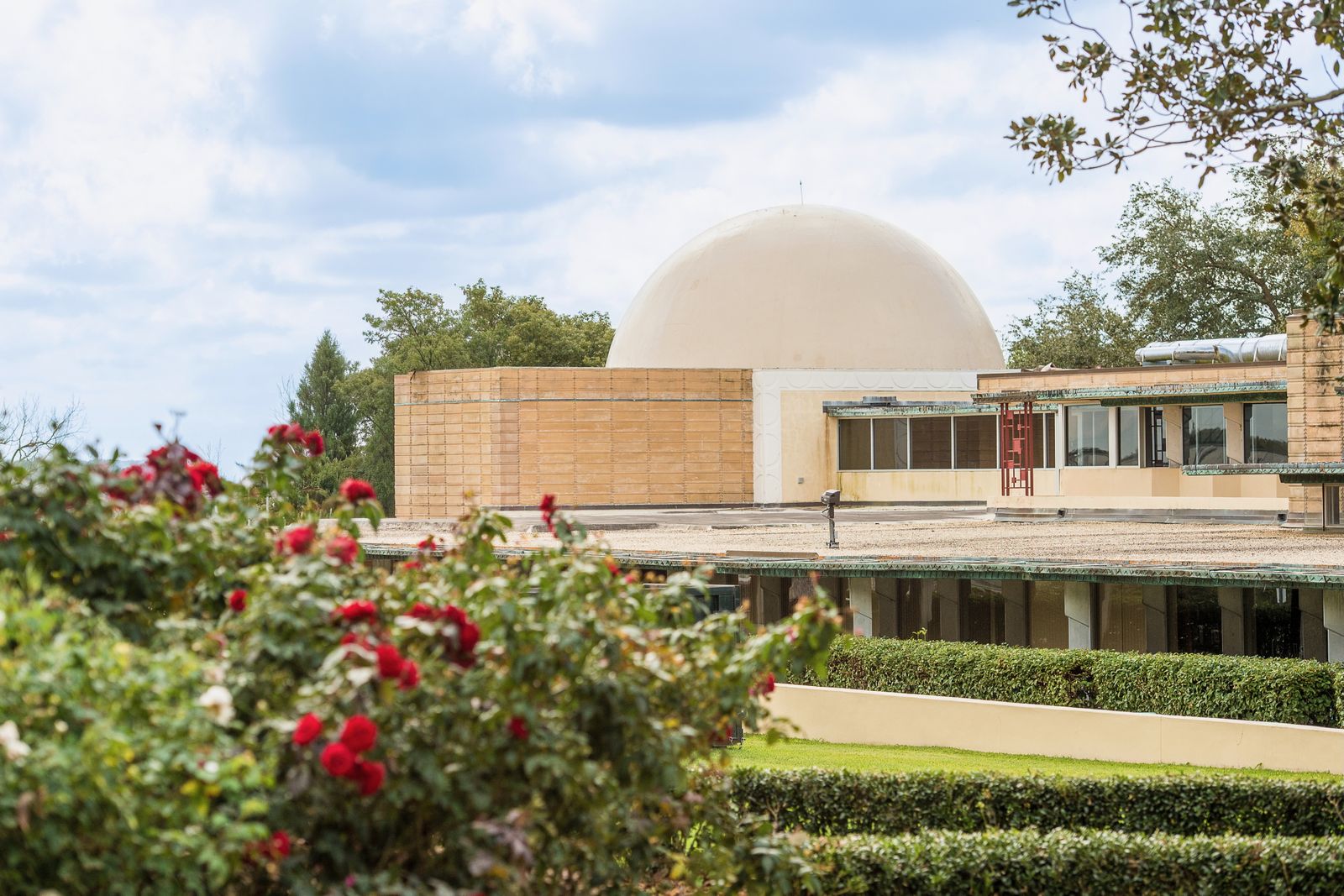
Immerse Yourself in the Cosmos at Frank Lloyd Wright's Only Planetarium, Recently Restored to Its Former Glory in Florida
Completed in 1958, the domed building is located on the campus of Florida Southern College, home to 13 Wright-designed buildings, the world's largest single-site collection of the architect's work

Play Tractor online with friends — free
Real-time Sheng Ji / Tractor for 3–5 players, with complete bidding and trump rules across web, iOS and Android.
Play bidfive →
A Team of Astronomers Thinks They Have Identified the Exact Night Sky That Inspired Vincent van Gogh's 'Starry Night.' Not Everyone Is Convinced
Very few night skies seen from the south of France during the summer of 1889 would match the scene on van Gogh's canvas. A new study argues that it could have been July 22
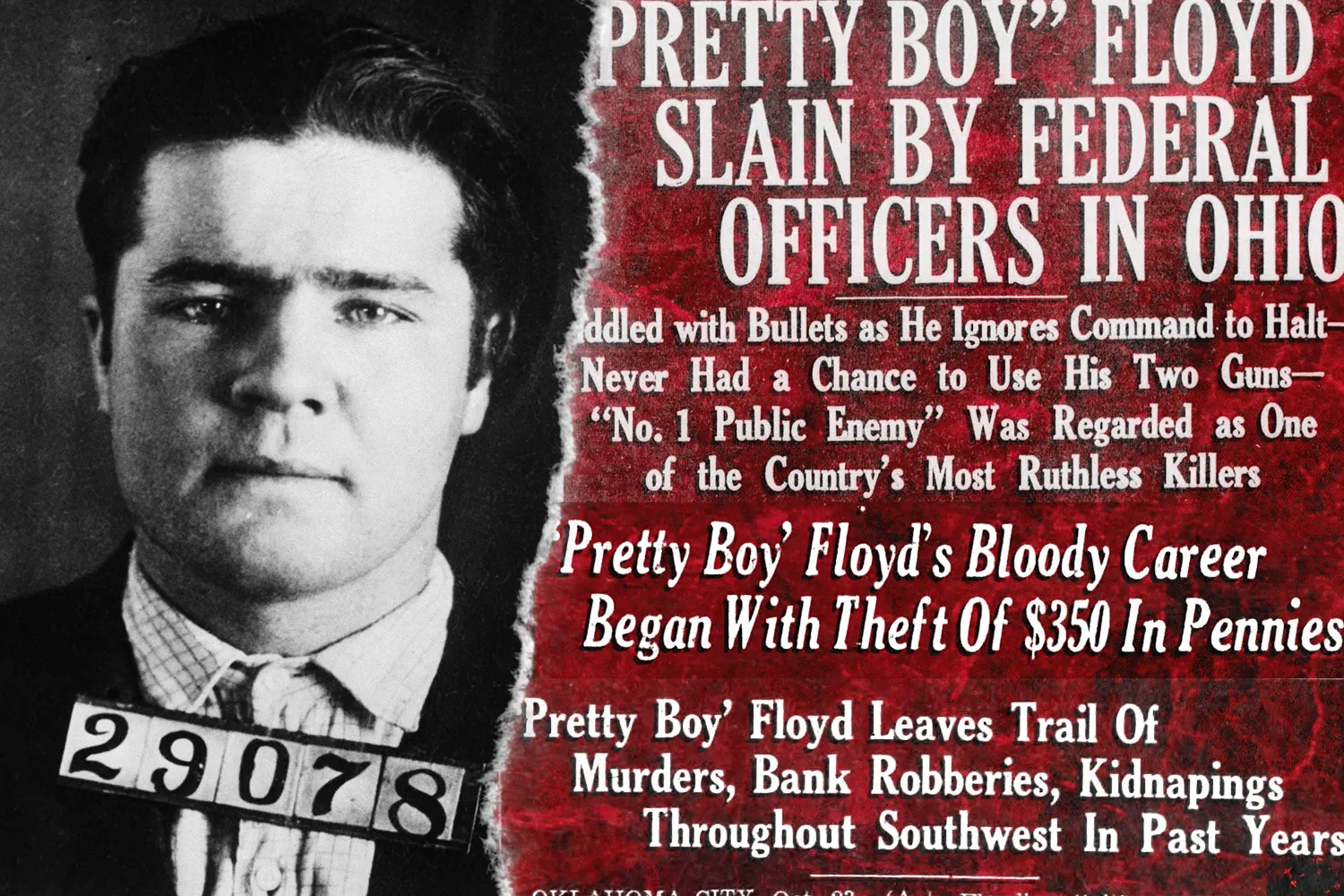
'Pretty Boy' Floyd, One of the Most Notorious Outlaws of the Great Depression, Was Shot and Killed in an FBI Raid 92 Years Ago
Some Americans lauded the 30-year-old bank robber as a Robin Hood-esque folk hero. Others castigated him as a violent criminal whose misdeeds were emblematic of the troubled era

GTA 6 guides, updates and practical reference
Explore a Chinese GTA 6 guide library covering the release, map, characters, missions, vehicles and weapons.
Browse guides →
Create AI images with your own API key
aixipi runs on desktop/web, uses your own model API balance, and avoids subscription lock-in.
Try aixipi →