
Engineers Delicately Removed the Masts From This Bomb-Laden World War II Shipwreck in the River Thames. But 1,500 Tons of Explosives Are Still in Place
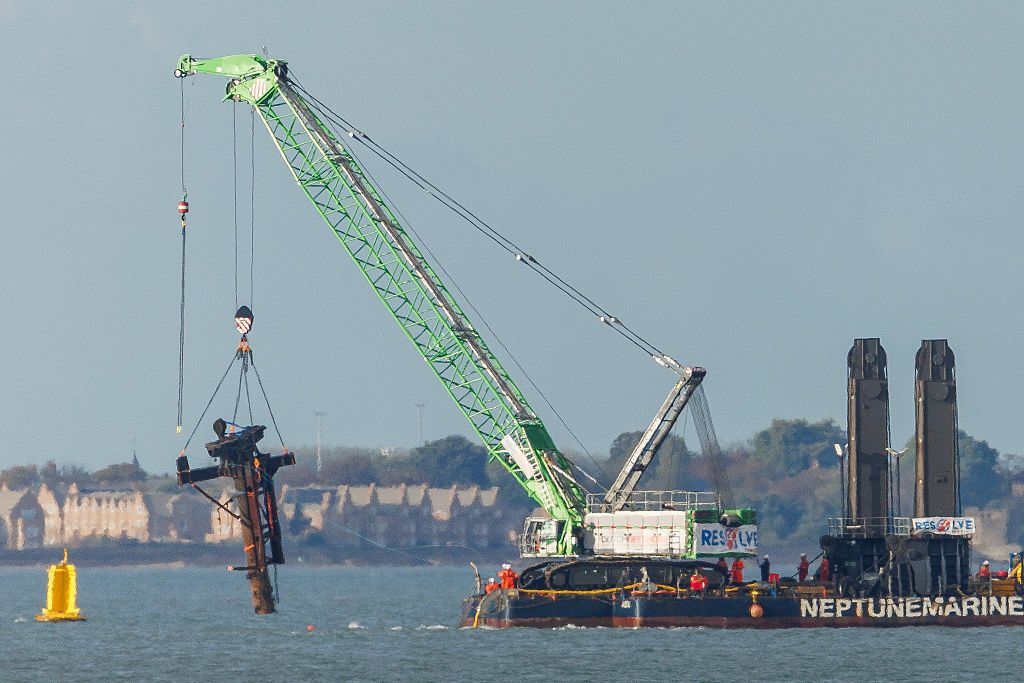
Engineers have removed the three masts that rose above the wreck of the SS Richard Montgomery, an American wartime cargo vessel that went down in the Thames Estuary in 1944 with a vast load of unexploded munitions still inside. The work is a significant step in a long-running effort to limit the danger associated with the wreck, which remains near Sheerness in southeast England.
The operation addressed the most exposed part of a far larger problem. For decades, the ship’s steel masts stood above the water near the estuary, a visible reminder of the vessel beneath. Officials feared the structures could eventually fail and fall onto the wreck’s decks, disturbing the damaged hull and the explosive material held within it.

That concern made the removal a precaution rather than a recovery of the ship’s cargo. Roughly 1,500 tons of bombs, ordnance and other weapons remain aboard the Richard Montgomery. The recent work did not remove those munitions, nor did it eliminate the central challenge created by their continued presence more than 80 years after the sinking.
The ship sank in August 1944, during World War II, at the mouth of the River Thames. It had been carrying military cargo for the United States when it was lost. Its position in the Thames Estuary, close to the coastal town of Sheerness and about 50 miles east of London, has made the wreck an enduring concern rather than a remote relic of the war. Its location means the consequences of its condition have continued to demand attention long after the conflict ended.
Taking down the masts required an approach calibrated to the condition of the ship below. The structures were not simply pieces of maritime history: their possible collapse was linked directly to the risk posed by the explosives in the hull. By removing that potential source of impact, engineers reduced one identified threat without attempting the much more consequential task of dealing with the cargo itself. The work focused on preventing a specific chain of events rather than changing what remains inside the vessel.
The distinction matters when judging what the project has achieved. The masts had been the wreck’s most conspicuous feature, so their absence changes the appearance of the site. But the danger officials have sought to manage is largely out of sight. The remaining explosives are still in place, and the removal should be understood as risk reduction, not as a final resolution of the ship’s wartime legacy.
After being lifted from the estuary, the three masts were transferred to the Historic Dockyard Chatham in Kent. The former dockyard, now a maritime museum and heritage destination, will conserve and preserve them. That decision separates the structures from the hazardous wreck while retaining physical evidence of a ship whose story remains tied to both wartime logistics and the hazards that can persist long after a conflict ends.
Britain’s government informed Parliament of the transfer in a statement issued on October 19. The announcement placed the engineering work on the public record while also underscoring its limited scope. Removing the masts was presented as a major milestone, but it left the larger cache of wartime weapons untouched inside the Richard Montgomery.
What happens next will be watched against that backdrop. The completed operation has removed a feared scenario: tall steel masts collapsing onto the vessel below. Yet the wreck remains in the Thames Estuary, and its estimated 1,500-ton explosive load remains where it was when the ship sank. The project therefore offers a measure of protection and preservation, while leaving the most difficult question—the future management of the munitions—unanswered. For now, the work marks progress on one danger without bringing the wider issue to a close.
Source: Smithsonian Magazine
Related articles
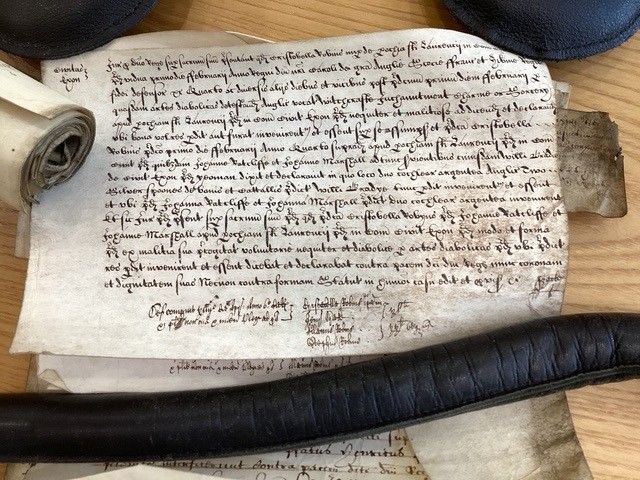
As Most of England Relaxed Its Stance on Witchcraft, One Hardline City Bucked the Trend. It Even Went After 'Service Magicians,' Who Used Magic to Investigate Petty Crimes
New historical research shows how the city of Exeter hunted down accused witches while the rest of the country relented. Its prosecution of benign local sleuths shows how far the authorities were willing to go

Play Tractor online with friends — free
Real-time Sheng Ji / Tractor for 3–5 players, with complete bidding and trump rules across web, iOS and Android.
Play bidfive →
A Rare Nanotyrannus Skeleton Sells for $47.3 Million, Becoming the Second Most Valuable Dinosaur Ever Auctioned
Paleontologists have long argued over whether some small tyrannosaur skeletons belonged to a new genus, called Nanotyrannus, or were young Tyrannosaurus rex. "Jodi" was sold just one year after researchers reported the most conclusive evidence yet that Nanotyrannus is valid
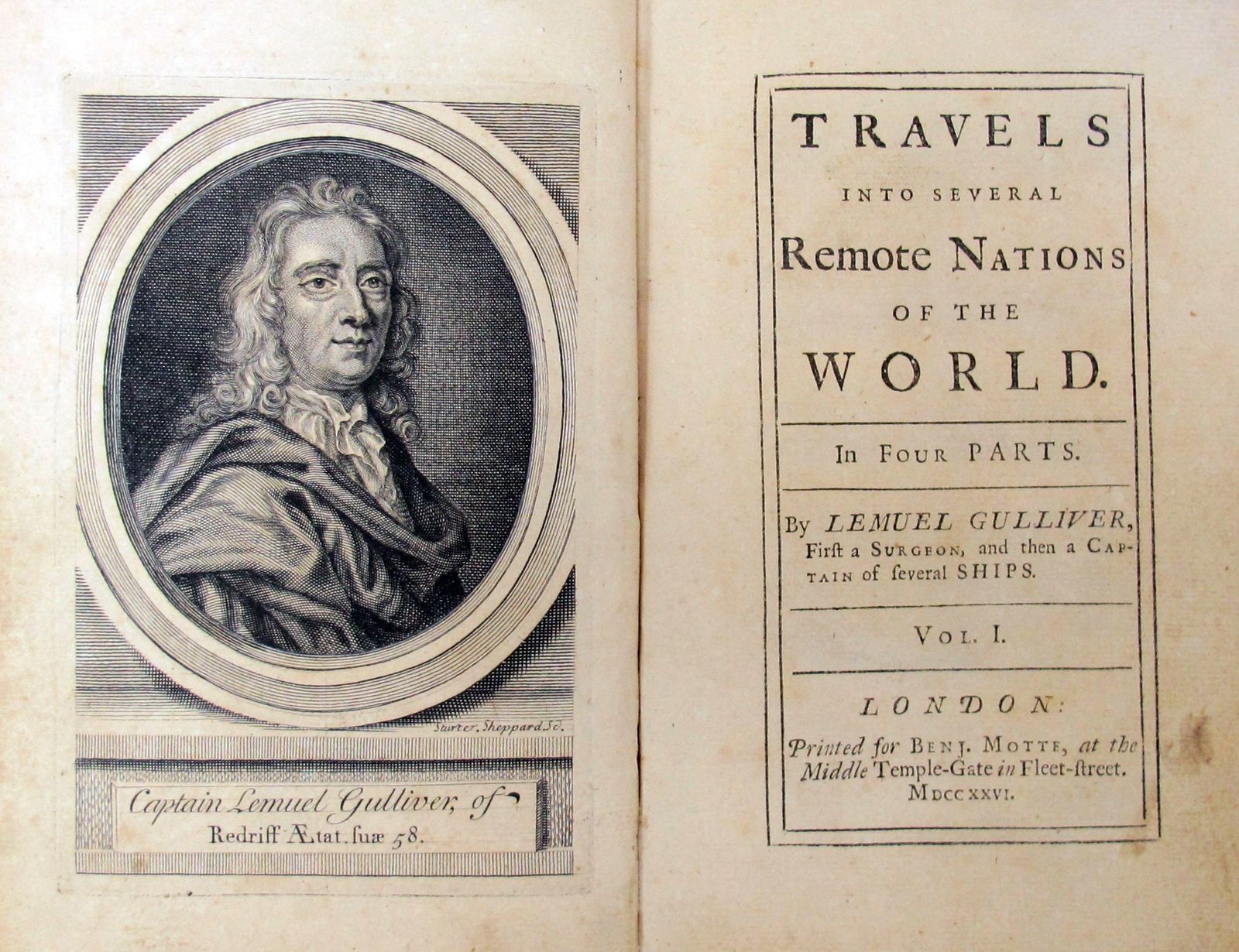
'Gulliver's Travels' Turns 300 This Week. Jonathan Swift's 'Profound Satire of Human Nature' Is Still Just as Bitingly Relevant
Since it was first published in October 1726, the novel purporting to tell the fantastical travel tales of Captain Lemuel Gulliver has never left print. An exhibition of rare editions and adaptations in Dublin celebrates Swift's most famous work

GTA 6 guides, updates and practical reference
Explore a Chinese GTA 6 guide library covering the release, map, characters, missions, vehicles and weapons.
Browse guides →
Create AI images with your own API key
aixipi runs on desktop/web, uses your own model API balance, and avoids subscription lock-in.
Try aixipi →