
England’s Beloved Sycamore Gap Tree Is Showing Signs of Life, Three Years After Vandals Chopped It Down
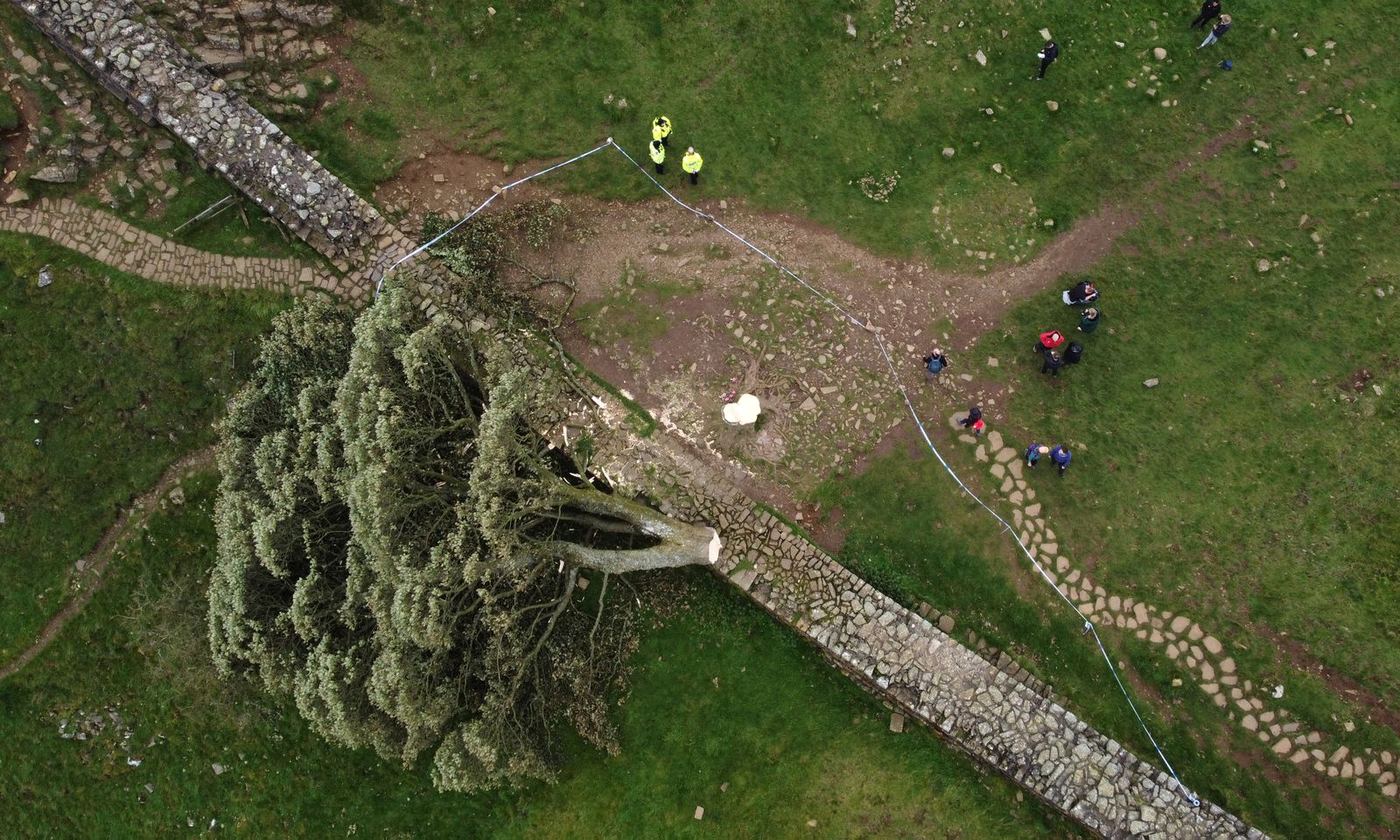
New green growth around the remains of the Sycamore Gap tree has brought a measure of hope to one of northern England’s most mourned landscapes. Three years after the famous tree was illegally cut down, clusters of fresh shoots have emerged from the base of its fenced-off stump beside Hadrian’s Wall. The development does not erase the loss of the original tree, but it shows that life continues below the surface at the site.
The shoots form a dense circle around the stump and have reached roughly two to three feet in height. Their leaves make the change visible from outside the protective barrier now surrounding the remains. What had appeared to be the abrupt end of a much-loved landmark is instead becoming a closely watched stage in the tree’s uncertain recovery. The growth is concentrated at ground level, where it stands in sharp contrast to the absent trunk and crown.
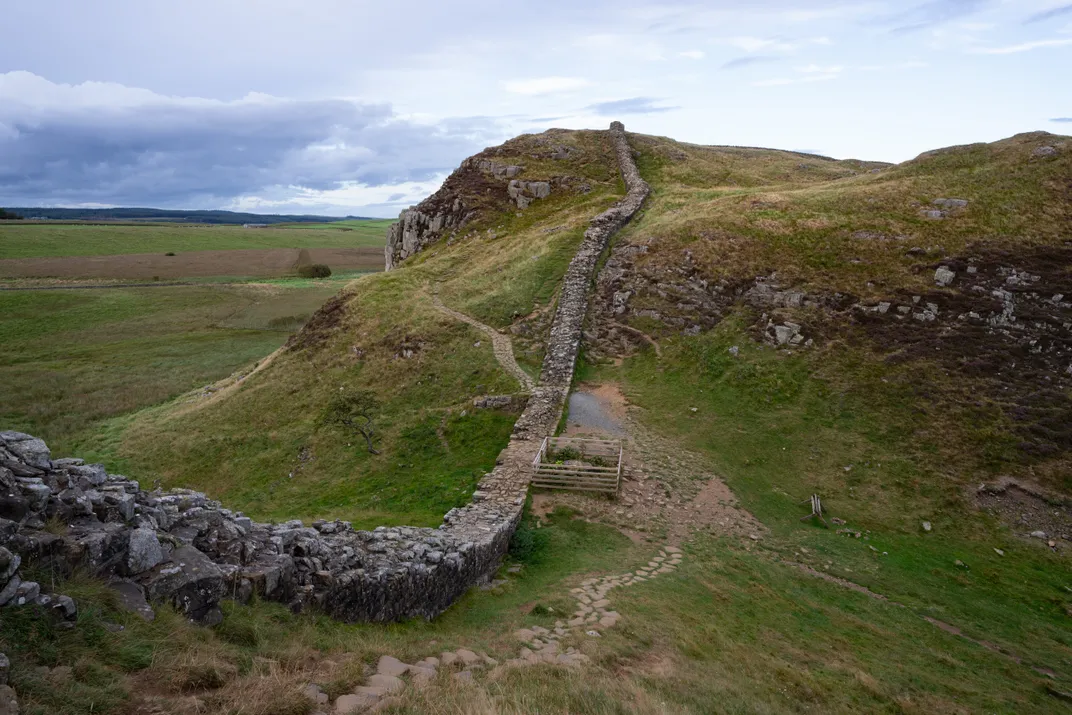
Sycamore Gap occupied a setting near the historic Roman frontier of Hadrian’s Wall, where its silhouette had become closely associated with the surrounding countryside. Its destruction turned a familiar local view into a scene of absence. The stump remains on land owned by the National Trust, the conservation charity responsible for both the tree and the nearby area. That stewardship now places the new shoots within a protected site whose history and landscape carry importance beyond the tree itself.
The tree was found felled on the morning of September 28, 2023, its trunk and crown separated into two pieces. The discovery made clear the scale of what had happened: a prominent tree had been deliberately brought down rather than lost gradually to age or weather. The event left the location with a physical reminder of the damage in the form of the cut stump. It also fixed a date that remains central to public memories of the loss.
Now the small stems around that stump offer a different image. They are not a restored mature canopy, and the present growth cannot yet answer what final form any recovery might take. Still, their appearance indicates that the tree’s base has produced new growth, shifting attention from the immediate destruction toward the longer process of what may follow. The visible change is meaningful precisely because it is early and limited, rather than a sudden return to the landscape people knew.
Andrew Poad, the National Trust’s general manager for Hadrian’s Wall, said he was “filled with hope” by nature’s response. His reaction reflects the careful optimism surrounding the shoots: they are tangible signs of renewal, while the future of the site will depend on how the growth develops over time. The charity’s position also reflects a practical reality: protecting the stump and its new stems matters while their prospects are still being revealed season by season.
For visitors and people who valued the tree, the distinction matters. A ring of young shoots cannot instantly replace the height, form or accumulated presence of the tree that stood there before 2023. Yet the new leaves mean the story is no longer only about a vanished landmark; it is also about whether a damaged living organism can establish a new future in the same ground. That question makes the site a place of both remembrance and expectation.
The fence underscores that this next phase is protected as well as observed. By keeping a boundary around the stump and emerging shoots, the site preserves space for the growth to continue without treating the early signs as a finished recovery. The view at Sycamore Gap therefore remains altered, even as the living material at its center begins to change again. For now, the barrier also separates a fragile living response from the wider landscape around it.
What comes next will be measured in seasons rather than in a single discovery. The shoots may become an enduring part of the landscape, but their current size also makes clear how early the process is. For now, the strongest conclusion is modest: after an illegal felling that shocked people across England, the Sycamore Gap stump is producing new leaves, and the possibility of renewal is visible at the foot of Hadrian’s Wall.
Source: Smithsonian Magazine
Related articles
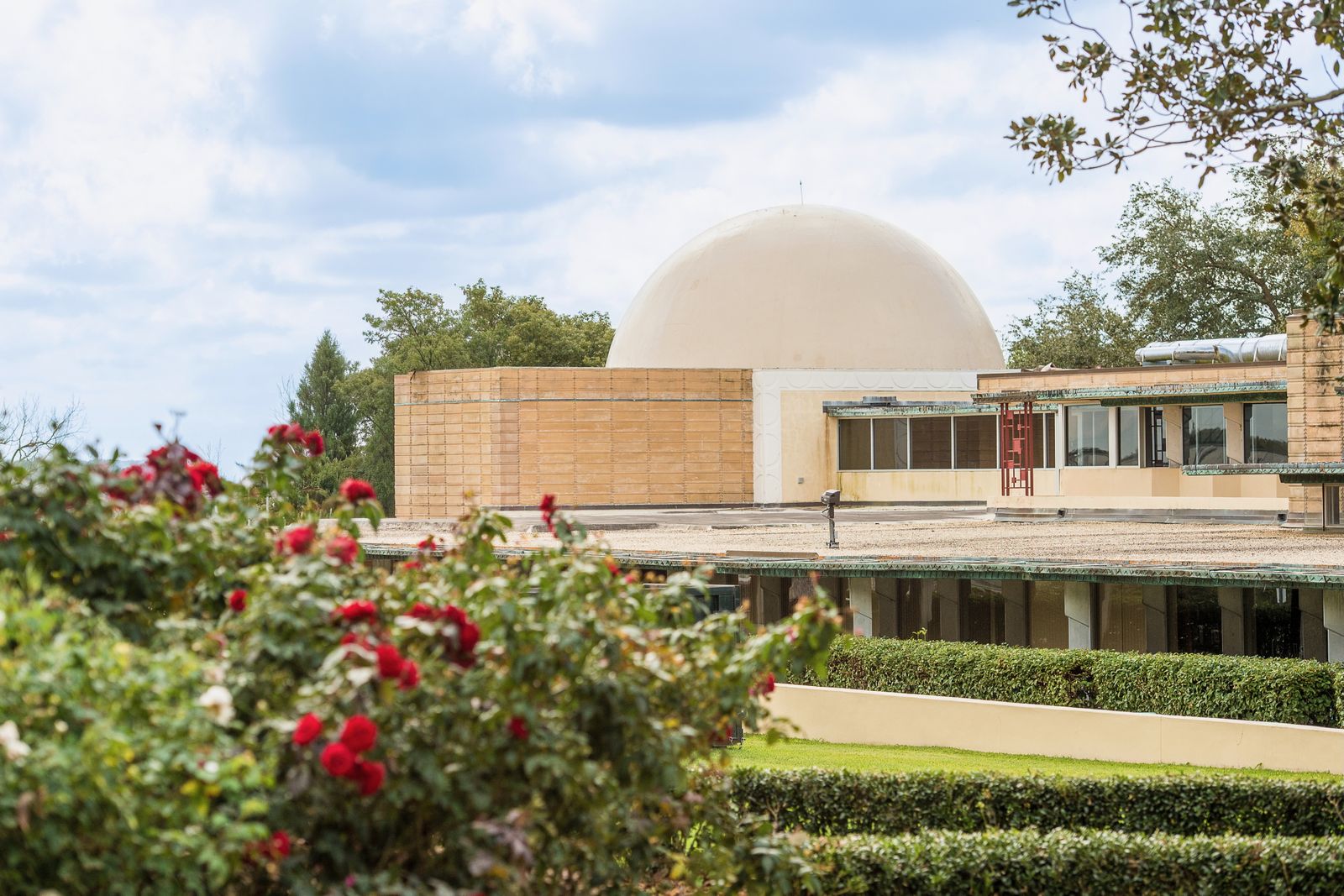
Immerse Yourself in the Cosmos at Frank Lloyd Wright's Only Planetarium, Recently Restored to Its Former Glory in Florida
Completed in 1958, the domed building is located on the campus of Florida Southern College, home to 13 Wright-designed buildings, the world's largest single-site collection of the architect's work

Play Tractor online with friends — free
Real-time Sheng Ji / Tractor for 3–5 players, with complete bidding and trump rules across web, iOS and Android.
Play bidfive →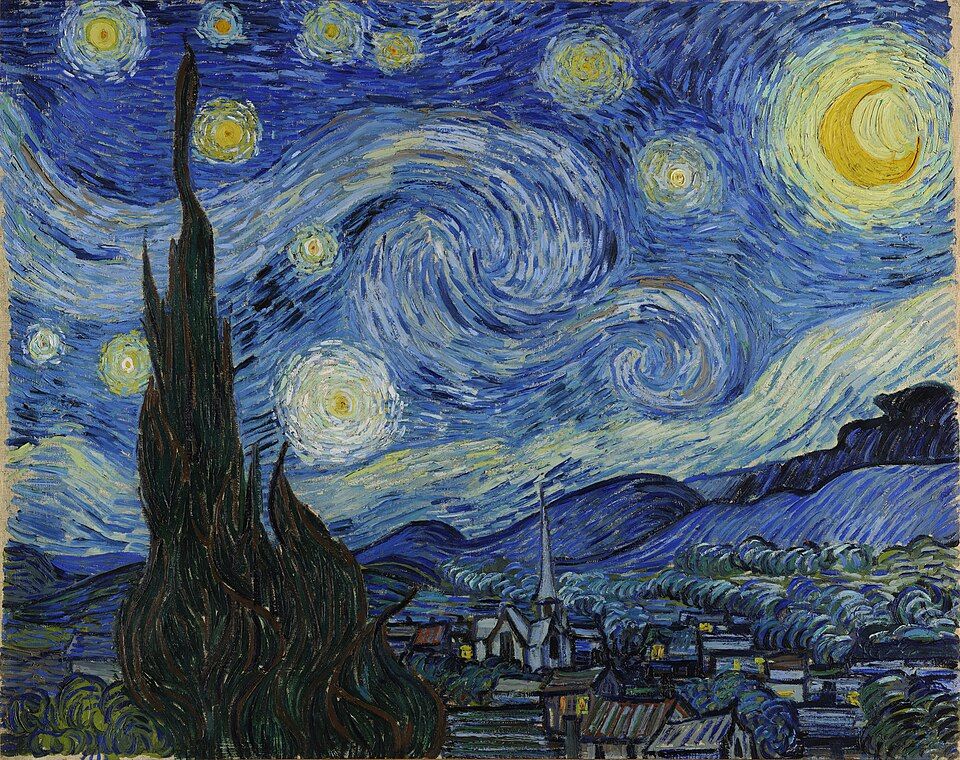
A Team of Astronomers Thinks They Have Identified the Exact Night Sky That Inspired Vincent van Gogh's 'Starry Night.' Not Everyone Is Convinced
Very few night skies seen from the south of France during the summer of 1889 would match the scene on van Gogh's canvas. A new study argues that it could have been July 22

'Pretty Boy' Floyd, One of the Most Notorious Outlaws of the Great Depression, Was Shot and Killed in an FBI Raid 92 Years Ago
Some Americans lauded the 30-year-old bank robber as a Robin Hood-esque folk hero. Others castigated him as a violent criminal whose misdeeds were emblematic of the troubled era

GTA 6 guides, updates and practical reference
Explore a Chinese GTA 6 guide library covering the release, map, characters, missions, vehicles and weapons.
Browse guides →
Create AI images with your own API key
aixipi runs on desktop/web, uses your own model API balance, and avoids subscription lock-in.
Try aixipi →