
European soccer leaders to boycott the World Cup in an unprecedented step

European football associations have warned that they could stay away from the World Cup in a confrontation with FIFA over a proposed ownership transaction involving the tournament. The associations said participation would be withdrawn unless FIFA abandons the plan, which would allow outside investors to acquire minority interests connected to football’s most prominent international competition. The threat would mark an extraordinary break between European administrators and the body responsible for the World Cup.
The dispute centers on the prospect of selling a partial stake rather than transferring complete control of the event. Even so, the proposal has drawn resistance because it raises questions about who would gain a financial claim on a tournament whose sporting and commercial decisions have traditionally been made within football’s governing structure. European associations are treating the issue as serious enough to place the World Cup itself at risk.

By making a boycott conditional on FIFA reversing course, the European side has set out a clear test for resolving the disagreement. Their position does not amount to a confirmed withdrawal at this stage: it is a warning tied to a future decision by FIFA. Whether the threat turns into action will depend on whether the proposed sale is changed, abandoned, or pursued despite the objections.
The World Cup depends on national teams from multiple regions, and Europe’s potential absence would immediately alter the character of the competition. European sides are among the participants normally associated with the tournament, so a boycott by their associations would affect sporting planning, commercial expectations and the event’s international standing. It would also create uncertainty for players, national federations, broadcasters, sponsors and supporters awaiting clarity.
The disagreement also highlights a broader tension in major sport: the effort to raise money from valuable events while preserving confidence that those events remain governed in the interests of the game. A minority investment can be presented as a way to bring in capital without surrendering formal control. Critics, however, may view even a limited ownership arrangement as a meaningful shift in the incentives surrounding decisions about the competition.
FIFA is now under pressure to explain how the proposed arrangement would work and why a sale of minority interests is necessary. The available account describes the deal as controversial, but does not detail the size of any stake, the identity of prospective buyers, the expected proceeds, or the governance safeguards that might accompany an investment. Those unanswered questions are likely to shape the next phase of the dispute.
There is also an important distinction between a negotiating tactic and an irreversible sporting split. Publicly raising the possibility of a boycott gives the European associations leverage, while leaving room for talks before teams are required to make final participation decisions. FIFA, for its part, could seek a compromise that preserves the transaction in altered form, or it could decide that changing the deal would undermine its objectives.
Supporters of an investment model could argue that outside funding may help support a tournament whose scale creates substantial costs and demands. Opponents can respond that the World Cup’s value is rooted in national competition and broad public interest, making any new private financial stake particularly sensitive. Neither view settles the immediate question, which is whether FIFA can proceed without losing the cooperation of European football associations.
Attention will now turn to FIFA’s response and to any discussions with the European bodies. A reversal would address the condition attached to the boycott warning, while a decision to continue could test how firmly the associations are prepared to act. Until there is a clearer outcome, the prospect of Europe being absent from the World Cup remains a conditional but unprecedented challenge hanging over the tournament.
Source: NPR World
Related articles
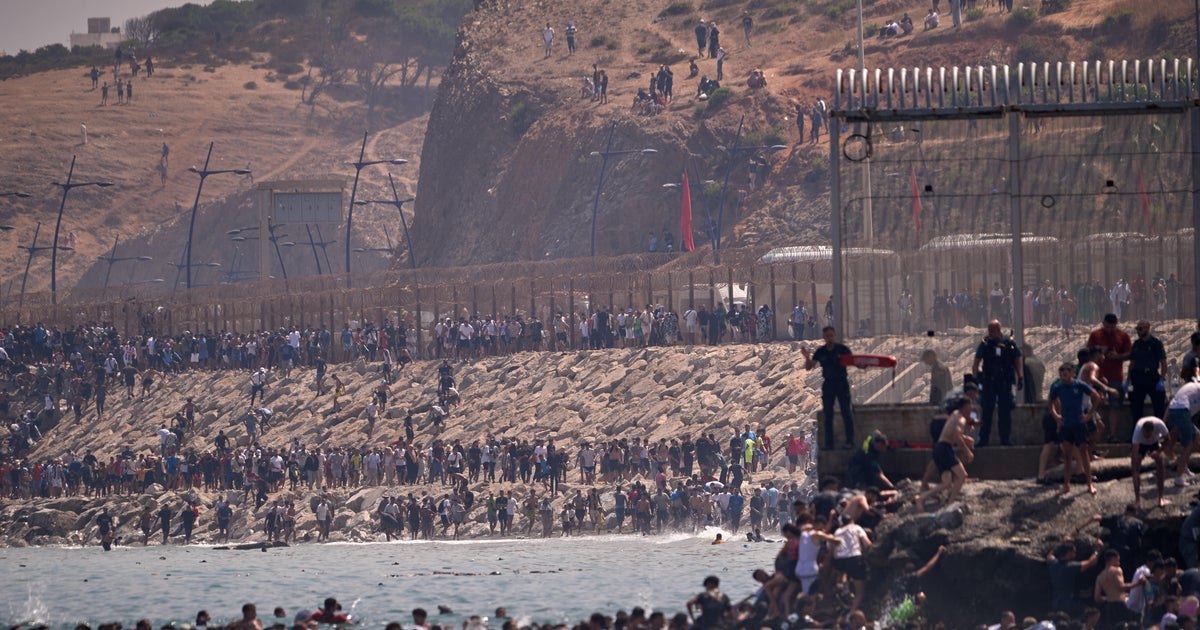
Spain deploys military to Morocco border after migrant crossings, 9 deaths
Spain will deploy its military to Ceuta to help restore order at its border with Morocco after local authorities in Ceuta had asked the central government in Madrid for reinforcements.

Create AI images with your own API key
aixipi runs on desktop/web, uses your own model API balance, and avoids subscription lock-in.
Try aixipi →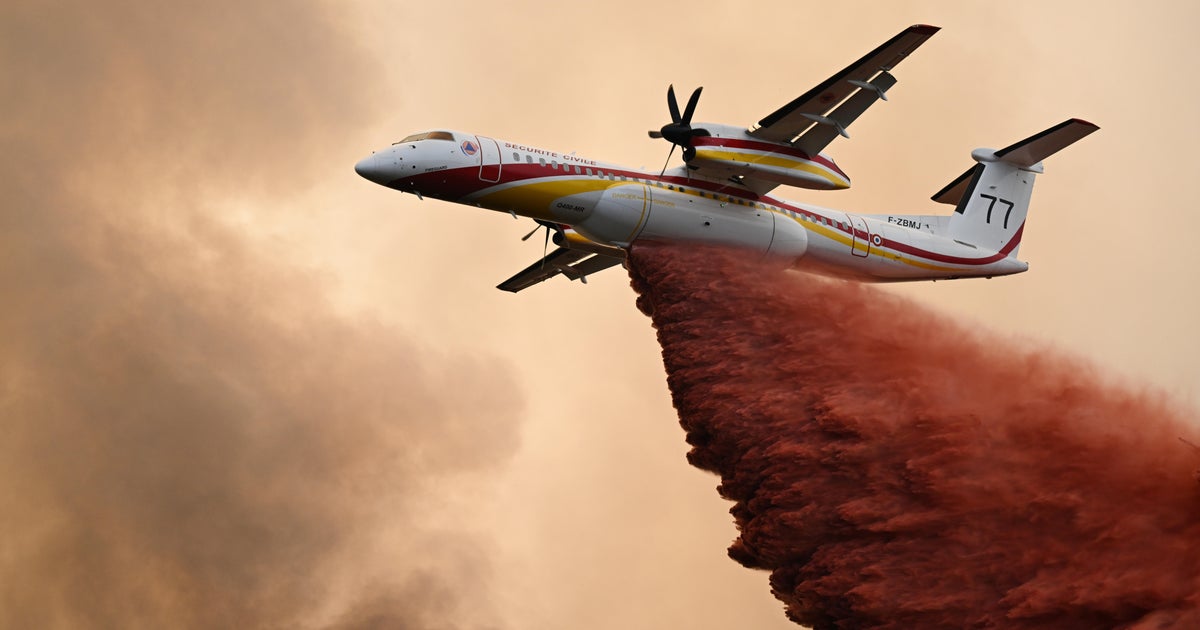
2 firefighters die in Greece as others fight massive blaze in France
Two firefighters died in a blaze on the Greek island of Crete Wednesday while crews in France confronted a wildfire four times the size of Paris, officials said.

Hope dwindles for rescue in southwestern Japan quake as death toll climbs to 23
Time was running out to find survivors, as rescuers continued to work in the Kumamoto area on Japan 's southern main island of Kyushu, where the magnitude 7.1 earthquake hit Tuesday.