
European teams boycott FIFA over plan to sell World Cup stake to investors
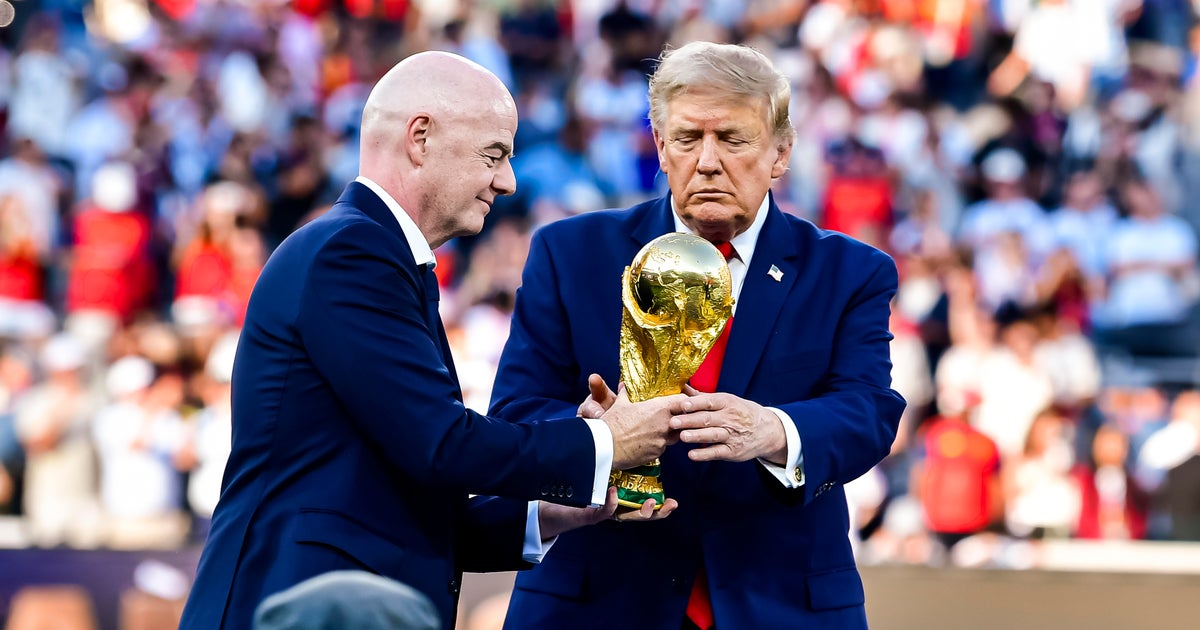
Europe’s leading national soccer sides have warned that they could act together to stay out of events run by FIFA, escalating a dispute over a proposed outside investment in the World Cup. The threat, made Thursday, places UEFA and the sport’s global governing body on opposite sides of a plan that could reshape how the tournament’s commercial interests are financed and managed. It also brings the debate from private talks into a public challenge involving some of international soccer’s most influential participants.
The warning covers the major national teams in Europe and is framed as a collective boycott rather than an isolated protest by one association. It is directed at competitions under FIFA’s authority, not simply the next World Cup. That distinction raises the stakes because FIFA sits at the center of the international calendar and oversees tournaments in which European teams are among the most prominent participants. A coordinated refusal to take part would make it harder to treat the dispute as a disagreement limited to a single investment proposal.
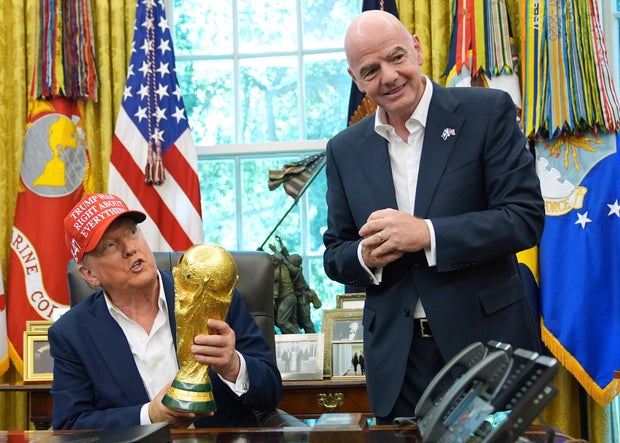
At issue is an effort to sell a minority interest connected to the World Cup to private investors. The proposed vehicle is called FIFA Forward Enterprise, or FFE. A minority sale would leave FIFA with control, but it would bring outside capital into an asset built around the game’s biggest national-team competition. Critics within the European game have treated that prospect as sufficiently serious to consider withholding participation. The proposal has therefore become a broader argument about whether commercial investment can be introduced without changing the balance of influence around the tournament.
UEFA, the body representing European soccer, announced the boycott position after the investment debate intensified. Its stance turns an argument over tournament finance into a potential test of institutional power. European national associations supply many of the teams, players and commercial draws associated with FIFA competitions, so a coordinated absence could carry consequences well beyond a symbolic rebuke. The warning gives UEFA a strong bargaining position, while also increasing pressure on FIFA to explain how the proposed arrangement would operate in practice.
Supporters of outside investment may see a minority stake as a way to secure funding while retaining FIFA’s formal control of the competition. Opponents, however, are questioning whether investors should gain a financial foothold in the World Cup at all. The disagreement is therefore not only about a transaction’s size or structure; it also concerns who should benefit from, and influence, the sport’s most valuable global event. With no investor taking a controlling share under the proposal, the dispute centers on the significance of even limited ownership in a tournament with exceptional sporting and commercial importance.
Thrive Capital, the investment firm founded by Joshua Kushner, has been linked to the FFE proposal. A person familiar with Thrive’s position rejected the objections directed at the company in comments to CBS News on Thursday. The response came hours before UEFA made public its boycott announcement, underscoring how rapidly the dispute moved from investor criticism to a formal confrontation with European soccer. The differing positions leave FIFA, UEFA and the investors facing competing accounts of what the proposed deal would mean for the future governance of the World Cup.
Kushner’s role has attracted added attention because of his family connection: he is the younger brother of Jared Kushner, who is President Donald Trump’s son-in-law. Scrutiny has also focused on FIFA president Gianni Infantino’s relationship with Trump. That relationship was already under a spotlight during the World Cup hosted this summer by the United States, Mexico and Canada. The overlap between the investment controversy and those political connections has added another layer of attention to a dispute already involving soccer’s most powerful governing organizations.
The immediate question is whether the boycott warning becomes an actual withdrawal from FIFA events or instead produces negotiations over the investment plan. UEFA’s announcement signals that European teams are prepared to use their participation as leverage, while Thrive’s response indicates that criticism of its involvement is contested. Any next step will be closely watched for clarity on the proposed stake, the role envisioned for investors and FIFA’s response to Europe’s challenge. Until then, the prospect of a boycott remains a warning rather than a completed break, but it has put the proposed World Cup investment under far greater pressure.
Source: CBS World
Related articles

European soccer leaders to boycott the World Cup in an unprecedented step
In an unprecedented step, European soccer associations said they would boycott the World Cup unless FIFA reverses a controversial deal to sell minority stakes to the marquee soccer tournament.

Create AI images with your own API key
aixipi runs on desktop/web, uses your own model API balance, and avoids subscription lock-in.
Try aixipi →
Spain deploys military to Morocco border after migrant crossings, 9 deaths
Spain will deploy its military to Ceuta to help restore order at its border with Morocco after local authorities in Ceuta had asked the central government in Madrid for reinforcements.

2 firefighters die in Greece as others fight massive blaze in France
Two firefighters died in a blaze on the Greek island of Crete Wednesday while crews in France confronted a wildfire four times the size of Paris, officials said.