
Families of pilgrims likely caught in floods are desperate for news from Nepal

Four days after devastating flooding tore through mountain valleys near Nepal’s border with China, families are still waiting for word on loved ones who may have been in the disaster zone. The scale of the emergency remains stark: more than 2,400 people are unaccounted for, while recovery teams continue working in areas where whole settlements were swept away. For relatives outside the affected valleys, the absence of confirmed information has become one of the crisis’s most painful consequences.
Nepalese authorities said the flooding sent walls of water approaching 30 feet through the mountainous region last week. The force of the surge destroyed villages along the border area, leaving a landscape where search operations must proceed alongside efforts to establish who survived, who was displaced and who remains missing. The disaster has affected local residents as well as visitors traveling through the region.

Among those still missing are dozens of American citizens, according to the information available from the search effort. Their cases have added an international dimension to an already vast rescue and identification operation. Families abroad face the same uncertainty confronting people in Nepal: the wait for a phone call, an official list, or reliable confirmation that a relative has been found.
On Sunday, Nepal’s Foreign Secretary Amrit Bahadur Rai said that 734 bodies had been recovered since the flooding began. That toll, reported four days after the waters devastated the valleys, underscores how far the emergency has moved beyond an initial rescue response. Even so, the recovery figure does not resolve the fate of the large number of people still listed as missing.
The search is unfolding under continued danger. Officials are also watching for additional mudslides that could threaten towns near the Nepal-China frontier. In a mountainous area already reshaped by floodwater, the risk of further ground movement complicates access and raises the prospect that conditions could worsen before searchers can reach every affected location.
The human cost is visible far from the border. Outside a government hospital in Kathmandu on Sunday, photographs of missing people and those confirmed dead were displayed on a wall. A woman received help from a young boy as she put up a picture of a relative who had not been located, adding one family’s plea for information to a growing public record of loss.
For the families of pilgrims believed to have been caught in the flooding, the missing-person lists offer neither certainty nor closure. A name on such a list can indicate that a person has not been accounted for, but it does not establish what happened to them. The difference matters greatly as relatives weigh hope against the steadily rising number of recovered bodies.
The coming days will likely depend on whether search teams can continue their work safely and whether authorities can turn incomplete reports into verified identifications. The threat of mudslides means the operation is not simply a matter of covering more ground; it is also a race against unstable conditions in the same mountain corridors struck by the flood.
There is still an important caveat in the available figures: the death toll and missing count describe an emergency that remains unresolved, not a final accounting. The number of recovered bodies may rise, and the list of missing people may change as communications, searches and identification efforts progress. Until then, thousands of families remain caught between official numbers and the personal need for an answer.
Source: NPR World
Related articles
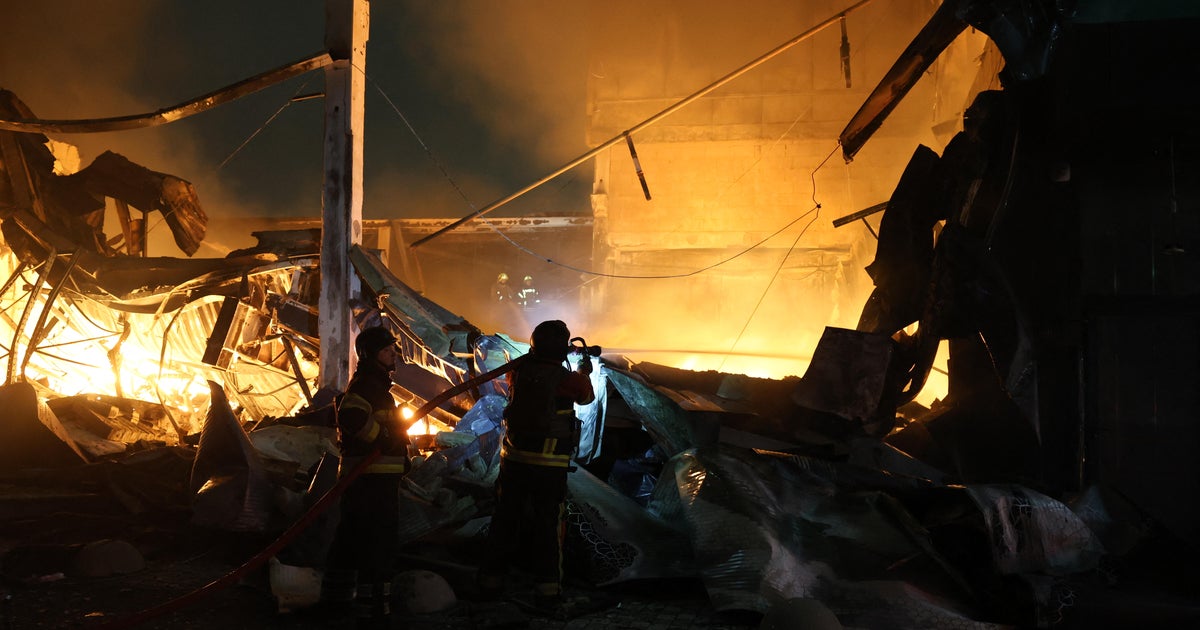
Zelenskyy accuses Russia of using cluster warheads in deadly strikes
Russia launched the strikes on Ukraine less than a day after negotiations to end the war, which also involved the United States, ended in St. Petersburg.

Create AI images with your own API key
aixipi runs on desktop/web, uses your own model API balance, and avoids subscription lock-in.
Try aixipi →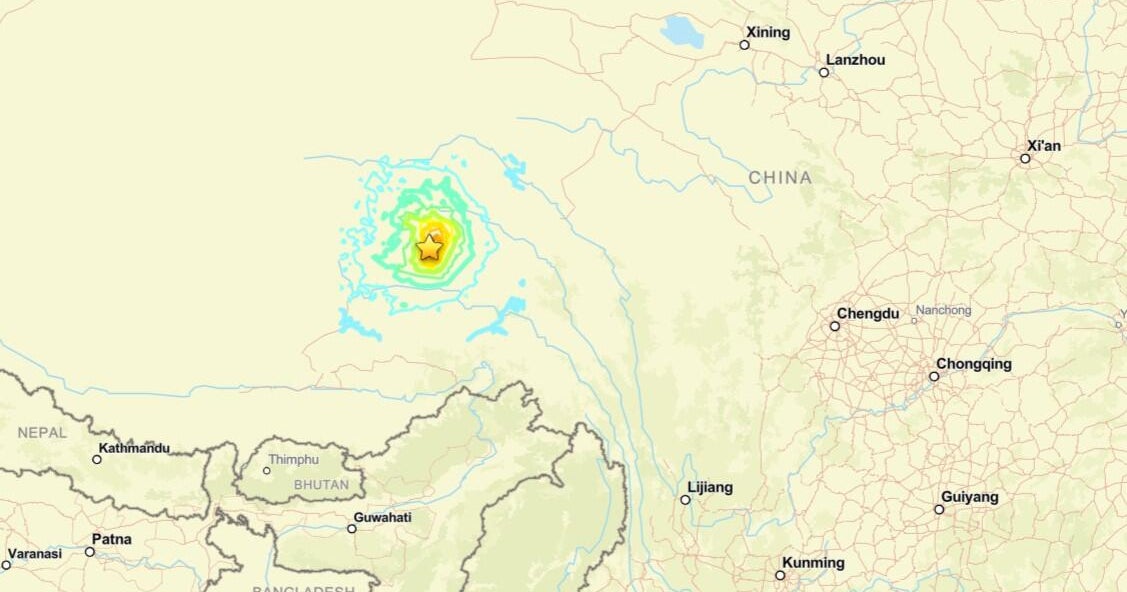
At least 16 dead when powerful 7.0 magnitude earthquake strikes Tibet
It was the biggest earthquake in the region in the last five years, China

See how Big Tech is transforming Spain's landscape
A drought-stricken region of northeast Spain has become a focus for American companies searching for locations to place their data centers.