
Five Ways the World of the Dinosaurs Looked Different From Ours, Beyond the Presence of the 'Terrible Lizards'
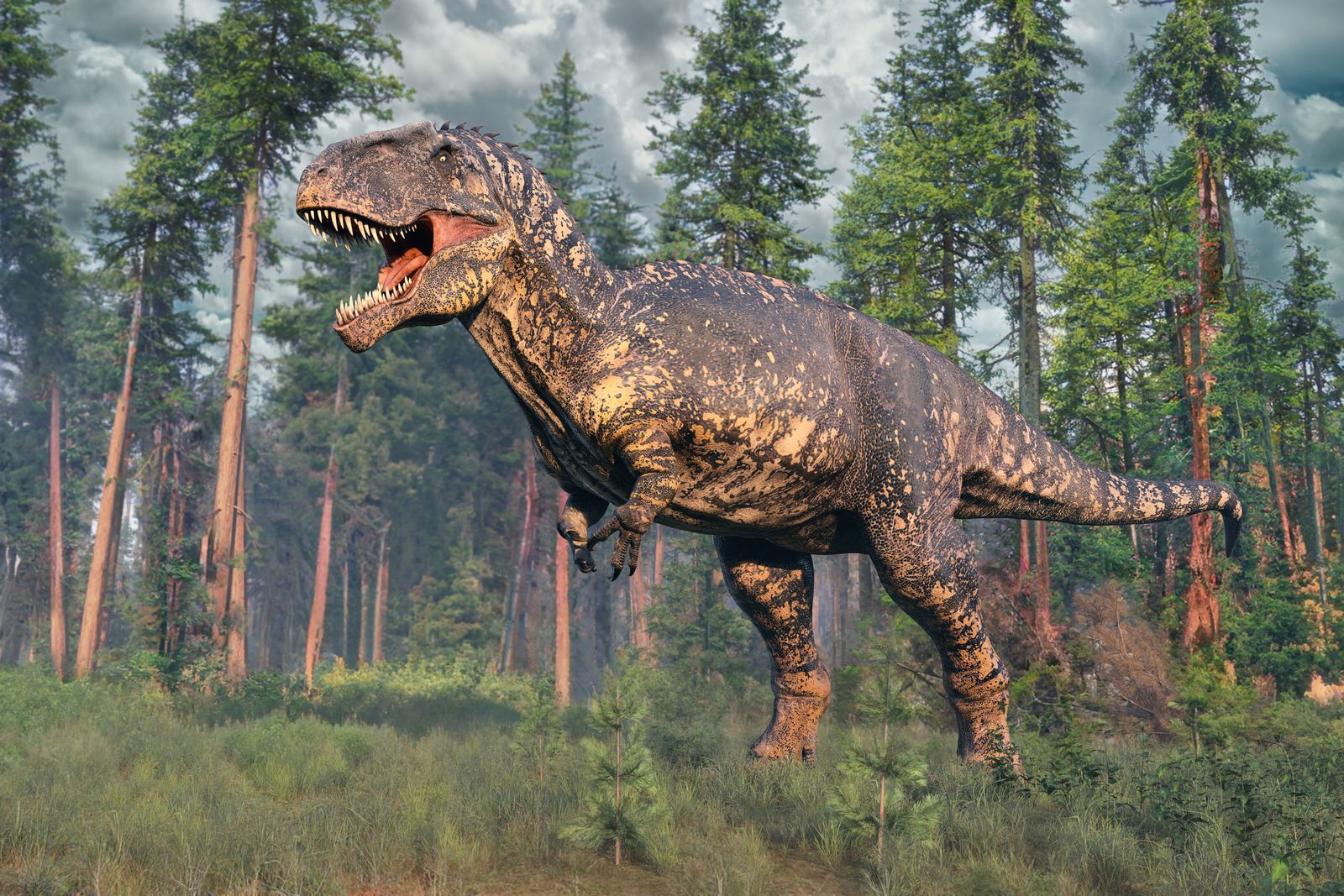
The age of dinosaurs is often pictured as a familiar planet with oversized reptiles added to the scenery. The Mesozoic world presents a more sweeping story: the setting itself was unlike the one inhabited today. Climate, the arrangement of land, the character of living places and the mix of animals all set that interval apart. Dinosaurs such as Giganotosaurus made the difference visible, but they were only one part of an Earth shaped by conditions no longer present in the same form.
The first distinction is the scale of time involved. Dinosaurs emerged during the Triassic more than 235 million years ago, then remained part of terrestrial life until an asteroid impact 66 million years ago brought their long dominance to an abrupt end. That span was not a brief backdrop for a few famous species. It enclosed a vast stretch of planetary history, leaving ample room for the world around dinosaurs to differ from the landscapes through which modern people move.
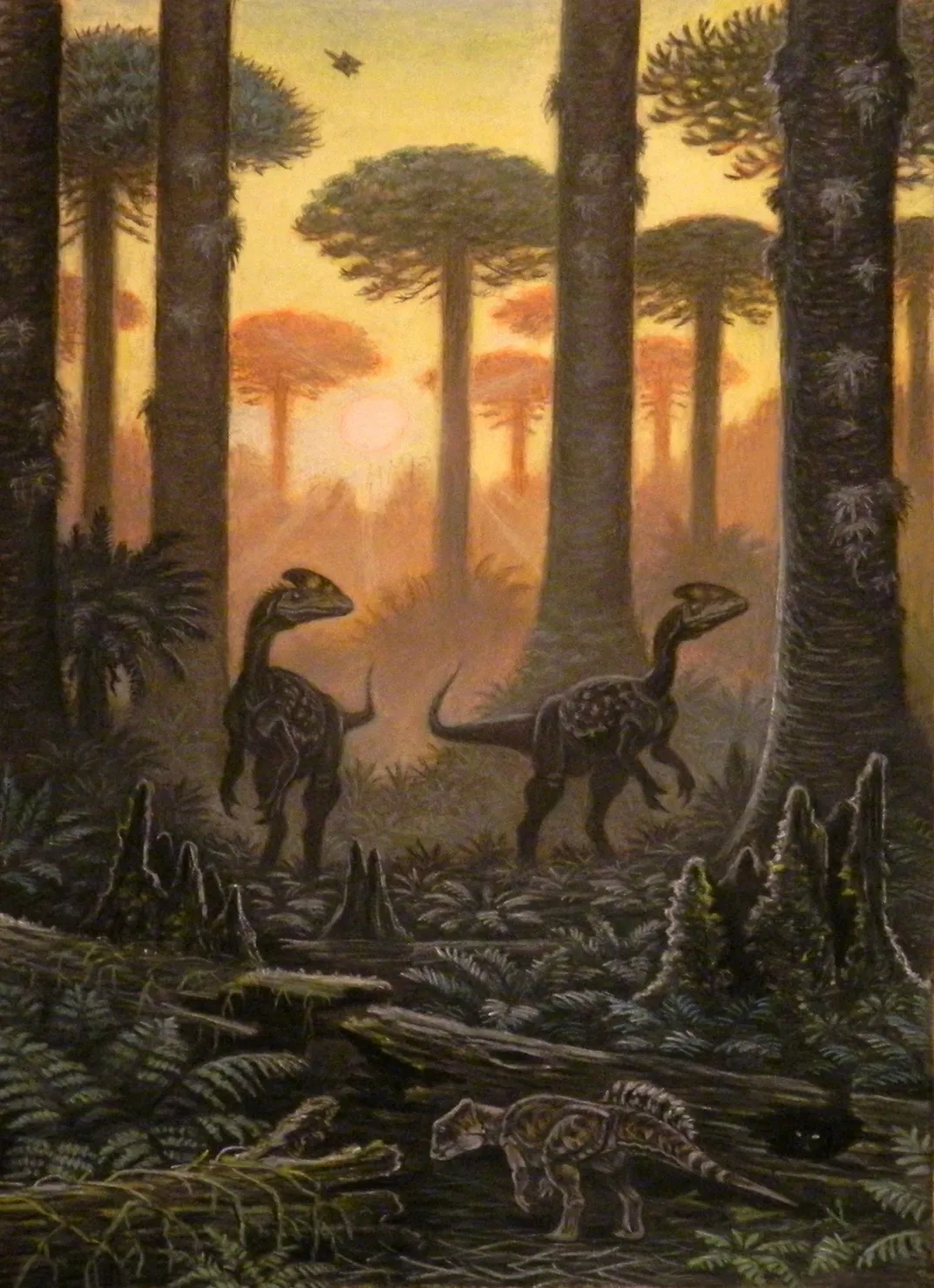
A second difference was climate. The Mesozoic cannot be reduced to the weather familiar from any contemporary region, yet climate is central to understanding why its environments should not be treated as modern places populated by prehistoric animals. The ancient Earth was marked by conditions substantially changed from those of the present. That matters because climate helps define the broader setting in which landforms, wet places, vegetation and animal communities take shape.
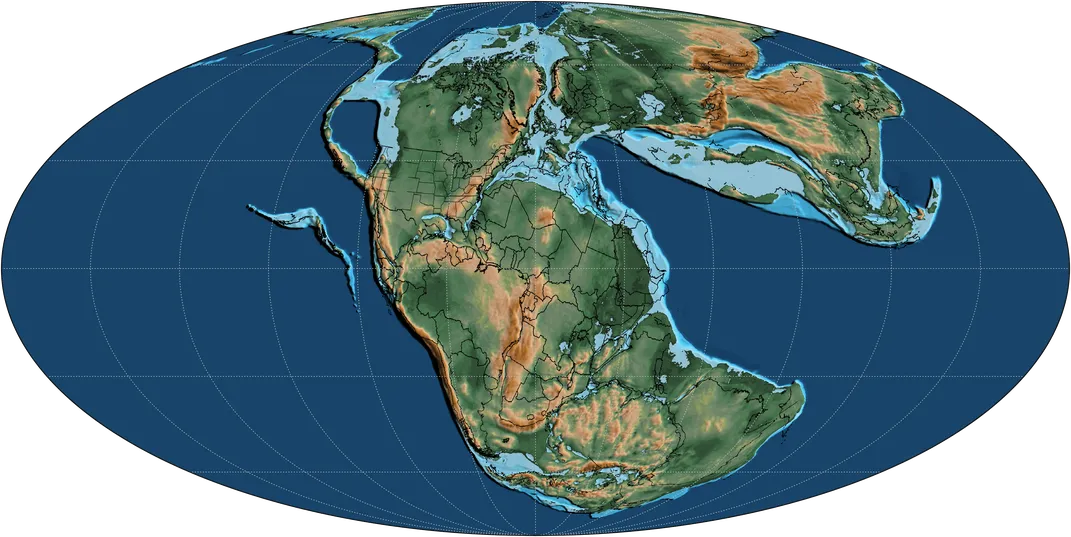
Third, geography made the planet a different stage. The positions and physical setting of the world in the dinosaur era did not match the geography now taken for granted. Maps, coastlines and regions are not simply neutral scenery in a story of deep time; they frame where environments develop and where animals live. Looking only for a familiar continent with an unfamiliar predator risks missing how fundamentally the Mesozoic setting differed before any dinosaur appeared in view.
The fourth correction concerns habitat. Popular accounts have repeatedly placed dinosaurs in dense, steamy jungle, often pairing the image with swampy ground and threatening shadows. Such scenes have entertained audiences from nineteenth-century fiction through modern summer movie spectacles. But the woods and marshes associated with many dinosaurs were not replicas of today’s forests and swamps. The distinction turns a cinematic convention into a more demanding question about the environments that actually surrounded those animals.
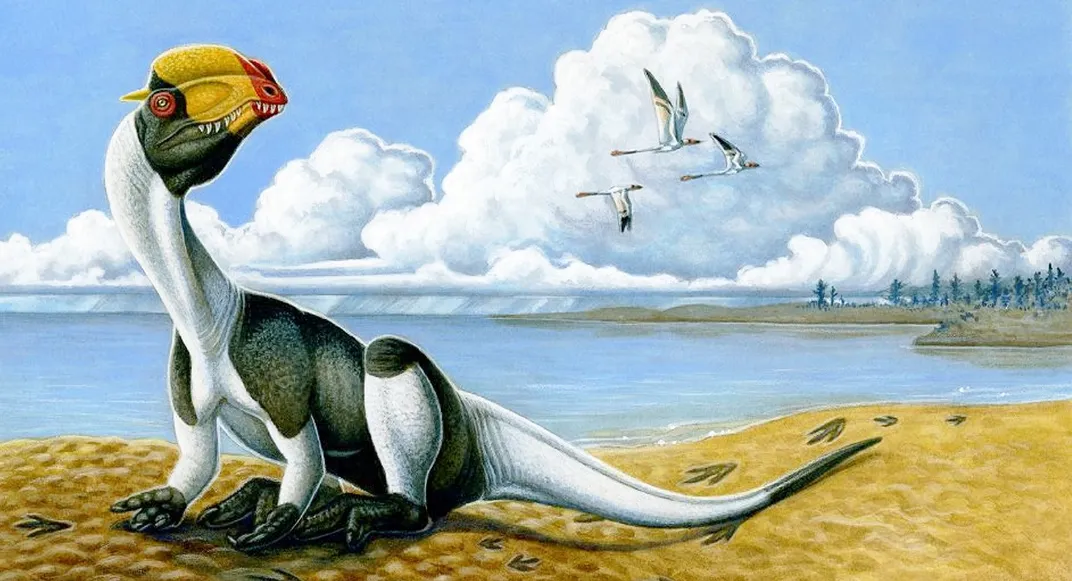
Fifth, the rest of the animal cast was more varied than the familiar escape scene suggests. Screen and page versions often make small mammals little more than frightened figures darting away from toothy reptiles. The mammals that lived alongside dinosaurs were not uniformly helpless or timid. Their presence is a reminder that the dinosaur age was an ecosystem, not a simple contest in which every other creature existed only as background for a giant hunter.
These five lenses—deep time, climate, geography, habitat and animal life—also explain why “dinosaurs” can be an incomplete shorthand for the period. The Mesozoic was not merely the interval in which famous giant reptiles lived. It was a world with its own setting and relationships, changed from the modern Earth in several connected ways. Treating the period as a single generic jungle can flatten both the scale of its history and the range of life that shared it. It can also make one celebrated species seem like the whole story.
The ending of that world is equally important to the comparison. The asteroid catastrophe 66 million years ago did not leave the dinosaur lineage entirely absent: beaked birds were the dinosaurs that remained. That survival complicates the sharp boundary often implied by tales of total disappearance, while still marking a profound change in Earth’s living world. The next useful shift in public portrayals will be to follow that continuity and disruption together, rather than presenting a lost planet as little more than a monster-filled version of the present.
Source: Smithsonian Magazine
Related articles

Immerse Yourself in the Cosmos at Frank Lloyd Wright's Only Planetarium, Recently Restored to Its Former Glory in Florida
Completed in 1958, the domed building is located on the campus of Florida Southern College, home to 13 Wright-designed buildings, the world's largest single-site collection of the architect's work

Play Tractor online with friends — free
Real-time Sheng Ji / Tractor for 3–5 players, with complete bidding and trump rules across web, iOS and Android.
Play bidfive →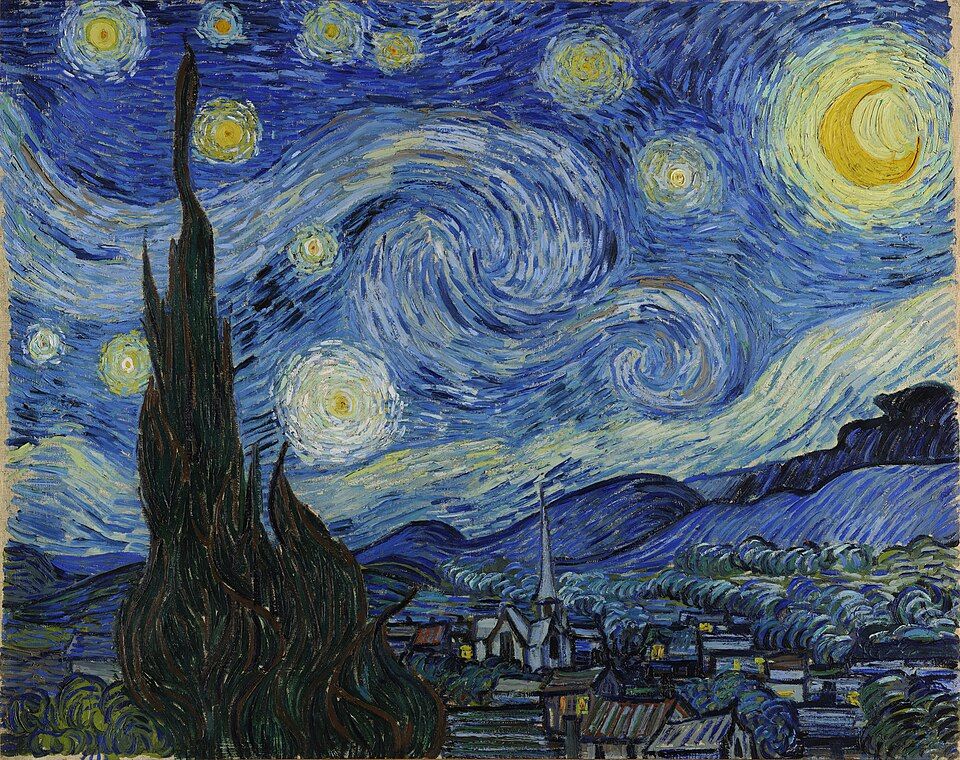
A Team of Astronomers Thinks They Have Identified the Exact Night Sky That Inspired Vincent van Gogh's 'Starry Night.' Not Everyone Is Convinced
Very few night skies seen from the south of France during the summer of 1889 would match the scene on van Gogh's canvas. A new study argues that it could have been July 22

'Pretty Boy' Floyd, One of the Most Notorious Outlaws of the Great Depression, Was Shot and Killed in an FBI Raid 92 Years Ago
Some Americans lauded the 30-year-old bank robber as a Robin Hood-esque folk hero. Others castigated him as a violent criminal whose misdeeds were emblematic of the troubled era

GTA 6 guides, updates and practical reference
Explore a Chinese GTA 6 guide library covering the release, map, characters, missions, vehicles and weapons.
Browse guides →
Create AI images with your own API key
aixipi runs on desktop/web, uses your own model API balance, and avoids subscription lock-in.
Try aixipi →