
France investigates removal of female Eiffel Tower staff for Hindu group's visit
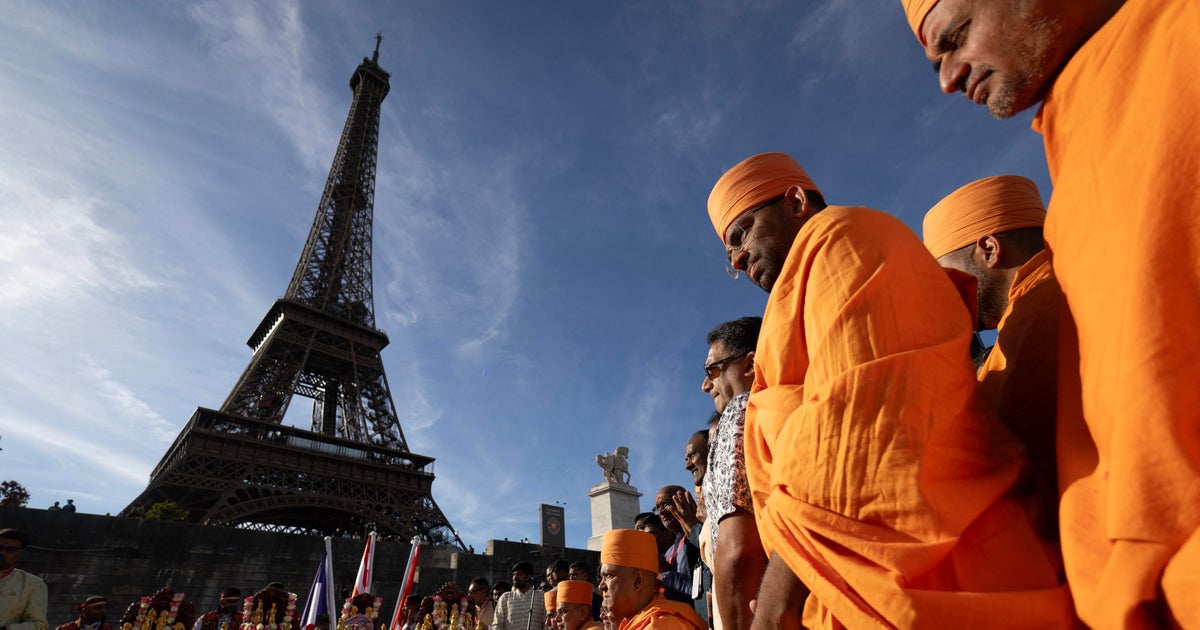
Paris authorities are examining the removal of women from their posts at the Eiffel Tower during a private visit by a Hindu religious organization, an episode that prompted a walkout by employees and shut the landmark to visitors on Monday. The inquiry was announced by the mayor of Paris, placing the response of the tower’s management under renewed scrutiny after workers objected to what they described as unequal treatment. It also brings a labor dispute at an internationally known public site into the political arena.
The dispute stems from a Saturday visit involving roughly 100 people associated with the Bochasanwasi Akshar Purushottam Swaminarayan Sanstha, widely known as BAPS. The group was received at the tower outside its ordinary public setting, according to Diane Davoine, a representative for an Eiffel Tower staff union. Davoine said female employees were removed from their usual assignments and replaced by male colleagues for the occasion. Her account frames the issue as a management choice affecting workers who were already scheduled to perform those roles.
That decision rapidly became the center of a workplace grievance rather than a question about the visitors themselves. In an account given to Reuters, Davoine said the arrangement was unacceptable to staff and left women feeling demeaned. She said managers had apologized more than once, but the apologies did not prevent employees from taking strike action or the subsequent closure. The sequence shows that an internal objection escalated quickly into a public interruption of operations.
The mayor’s investigation is expected to focus on how the staffing decision was made, who authorized it and whether the handling of the private visit complied with workplace standards. The available accounts do not establish why women were taken off duty, nor do they set out the position of BAPS. Those unanswered points are likely to matter as officials determine whether the incident reflected an individual decision, a broader management failure, or another breakdown in procedure. The inquiry may also establish what information was available to employees before the change was made and how objections were addressed at the time.
For the Eiffel Tower, the disruption carries importance beyond one shift. The monument is a central public-facing symbol of Paris and depends on a large workforce to manage entry, visitor services, security-related operations and its day-to-day functioning. Closing it for a labor dispute makes an internal employment issue immediately visible to travelers and residents, while also increasing pressure on management to explain how the conflict arose. A closure can affect not only those planning a visit but also the staff expected to restore ordinary access once the dispute is resolved.
The case also highlights the tension that can emerge when a globally recognized site hosts private groups while remaining a workplace governed by French employment rules. Religious visitors and private events are not, by themselves, the subject of the reported investigation. The question raised by the union is the treatment of staff: whether employees were reassigned on the basis of sex to meet an expectation connected to a visiting group. That distinction will be important in separating any review of workplace conduct from assumptions about the group that visited.
Workers’ anger appears to have been driven both by the removal from assignments and by the manner in which it was carried out. Davoine said women were especially affected and characterized the experience as humiliating. Management’s reported repeated apologies suggest it acknowledged that the episode caused harm, though there is no indication in the available information that an apology alone resolved the underlying concerns about responsibility, safeguards or future visits. The strike indicates that employees sought a response beyond expressions of regret.
Attention now turns to the city-led review and to the steps taken after the strike. Its findings could clarify the chain of decisions behind Saturday’s visit and whether any corrective action will follow. They may also shape expectations for organizing special access at the tower, especially where visitor requests could conflict with the equal treatment of employees. Until the inquiry provides more detail, the central facts remain that women were taken off duty, staff responded with a strike, and one of Paris’s most prominent attractions was closed on Monday.
Source: CBS World
Related articles
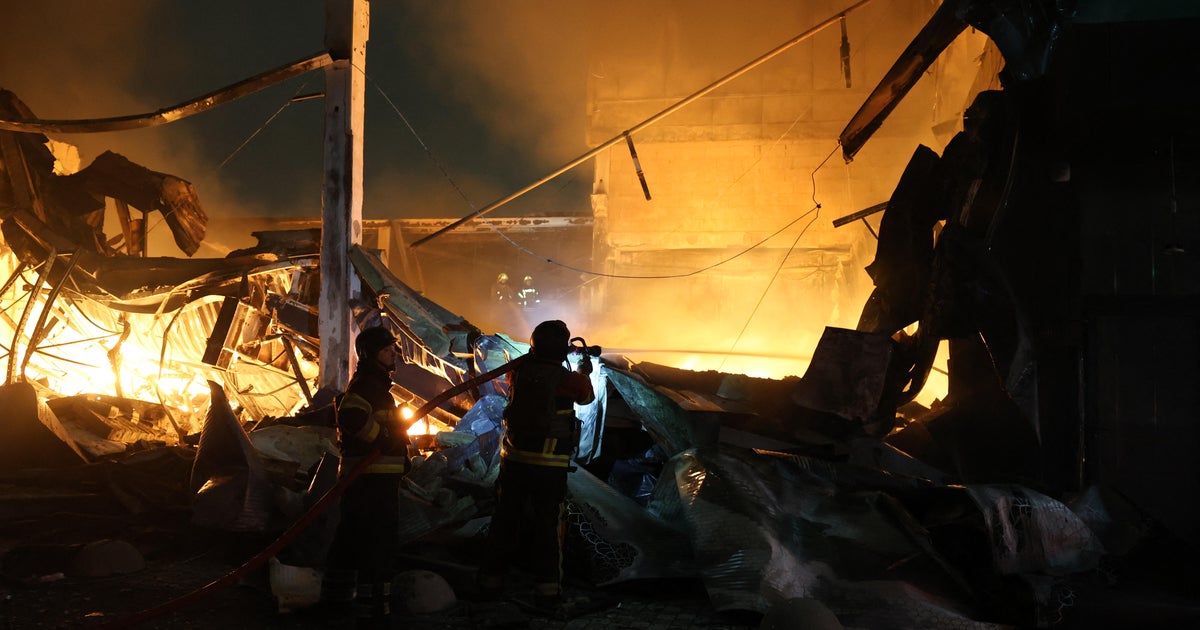
Zelenskyy accuses Russia of using cluster warheads in deadly strikes
Russia launched the strikes on Ukraine less than a day after negotiations to end the war, which also involved the United States, ended in St. Petersburg.

Create AI images with your own API key
aixipi runs on desktop/web, uses your own model API balance, and avoids subscription lock-in.
Try aixipi →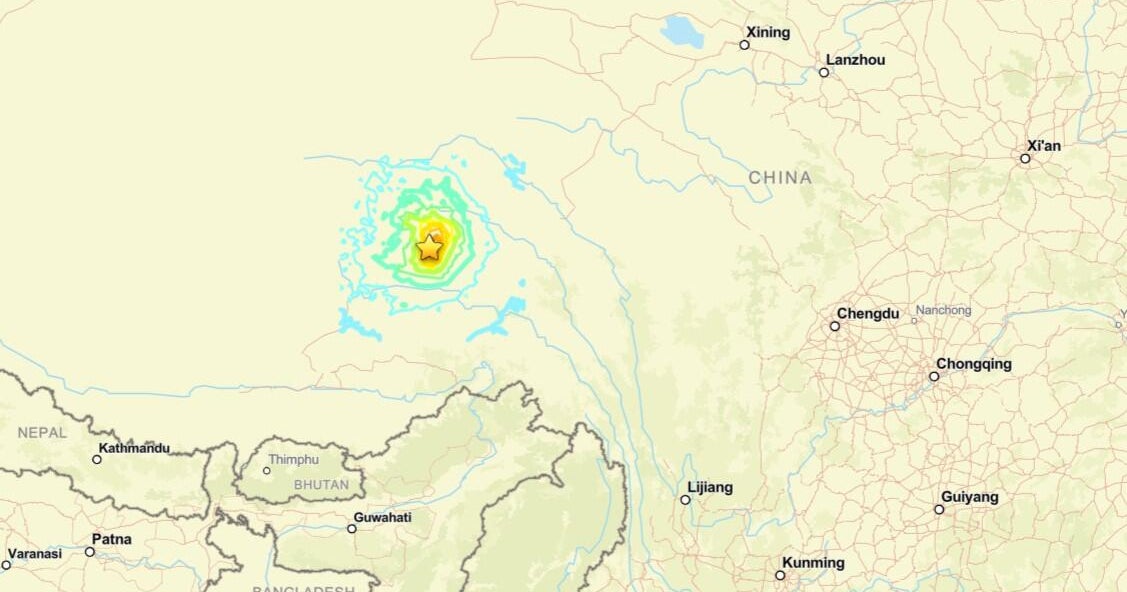
At least 16 dead when powerful 7.0 magnitude earthquake strikes Tibet
It was the biggest earthquake in the region in the last five years, China

See how Big Tech is transforming Spain's landscape
A drought-stricken region of northeast Spain has become a focus for American companies searching for locations to place their data centers.