
French government extends curfews after riots sweep across the country
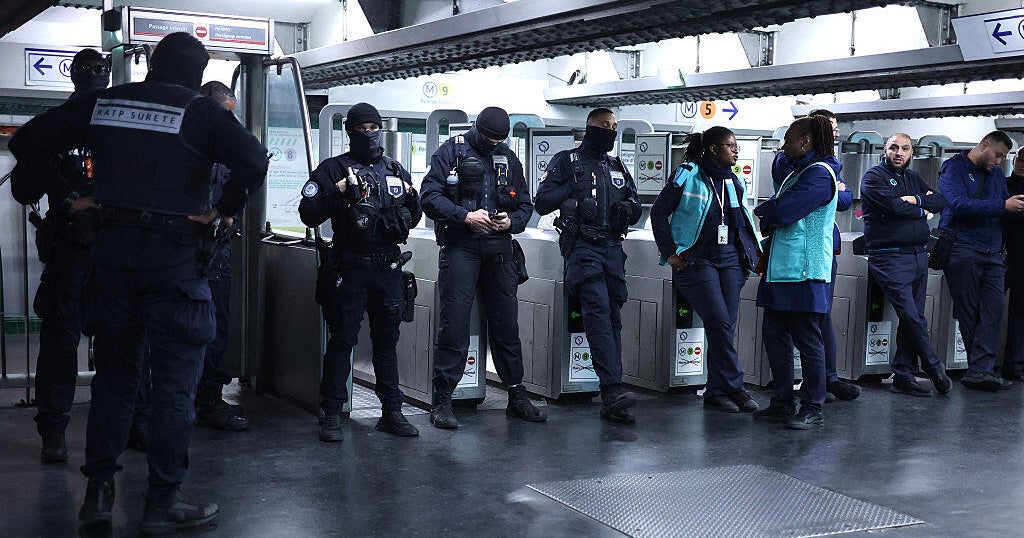
France is broadening curfew measures and putting more police officers into public areas after a weekend of unrest that saw buildings set alight and thousands of businesses looted. The response is part of an effort by President Emmanuel Macron’s administration to reassert order after disturbances spread across the country, adding a new security challenge to a protest movement that has already lasted five weeks.
The immediate priority for authorities is to limit further violence and protect places vulnerable to damage or theft. Extending restrictions on movement gives local officials another means of managing tense nights, while a larger visible police presence is intended to deter fresh disorder. The measures also underline the scale of the disruption after a weekend in which both property and commercial activity were hit.
Yet the unrest cannot be viewed only as a policing problem. Students and workers have been taking to the streets for weeks, driven by concerns that predate the latest rioting. Restoring calm in public spaces may address the most urgent threat, but it does not by itself resolve the grievances that brought demonstrators together in the first place.
Among the demands raised by protesters are improvements to schools and help with the pressure created by higher everyday costs. Those issues connect questions about public services with anxieties over household finances. They also make the dispute harder to settle through a single security decision, because the concerns extend beyond the events that prompted the curfews.
The government faces its own severe constraints as it considers how to respond. France is dealing with rising debt, leaving less room for expensive new commitments. At the same time, a divided parliament has made the basic task of getting a budget approved difficult, complicating any attempt to turn demands for relief or investment into agreed policy.
That political arithmetic places Macron’s government in a difficult position. A tougher public-order response may be seen as necessary after arson and widespread looting, particularly by people focused on safety and business losses. But protesters pressing for stronger schools and lower living pressures are likely to judge the government by whether it offers an answer to those longer-running concerns as well.
The damage to thousands of businesses gives the crisis an economic dimension alongside its political and social ones. Shop owners and workers affected by looting face disruption at a time when living costs are already central to the protest movement. The weekend’s violence may therefore deepen the practical consequences of a conflict rooted in dissatisfaction over education, prices and the direction of public policy.
There is also a clear difference between the government’s short-term objective and the protesters’ broader agenda. Officials are seeking to regain control after the violence, and curfews and additional patrols are tools designed for that purpose. Demonstrators, however, are calling attention to conditions in schools and the affordability of daily life—questions that would require political choices rather than enforcement alone.
What happens next will depend on whether the security measures prevent another escalation and whether space emerges for a response to the underlying demands. The test for the administration is not simply containing the immediate unrest, but doing so while navigating debt pressures and a parliament fractured enough to make a budget hard to pass. For the public, the coming period will show whether order can be restored without leaving the wider dispute unresolved.
Source: CBS World
Related articles
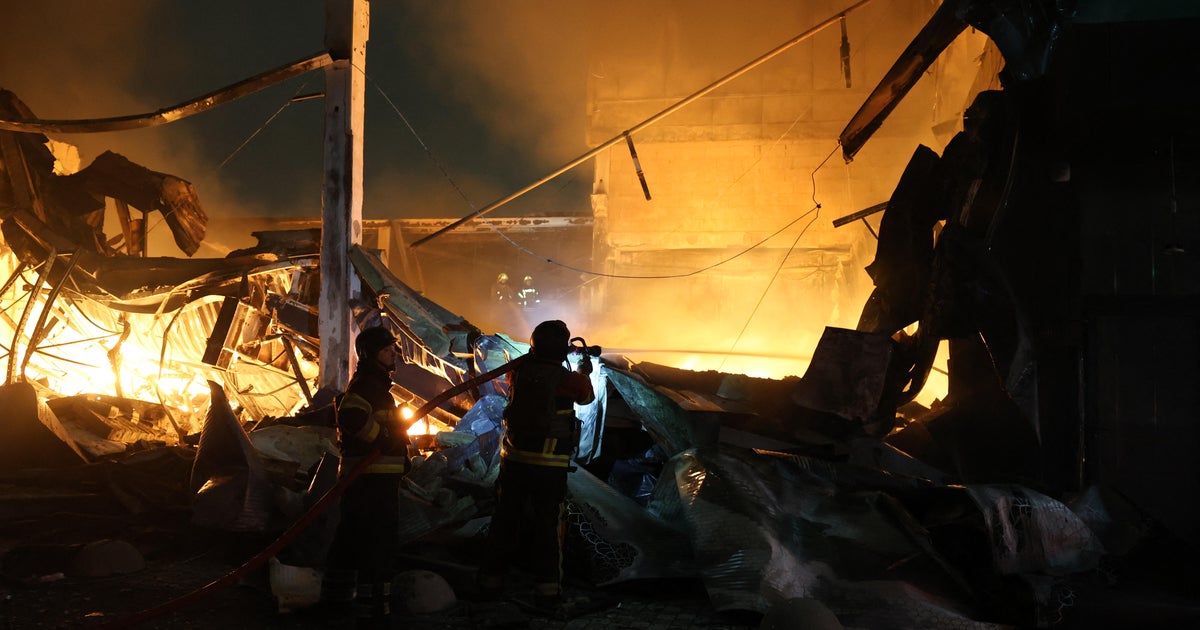
Zelenskyy accuses Russia of using cluster warheads in deadly strikes
Russia launched the strikes on Ukraine less than a day after negotiations to end the war, which also involved the United States, ended in St. Petersburg.

Create AI images with your own API key
aixipi runs on desktop/web, uses your own model API balance, and avoids subscription lock-in.
Try aixipi →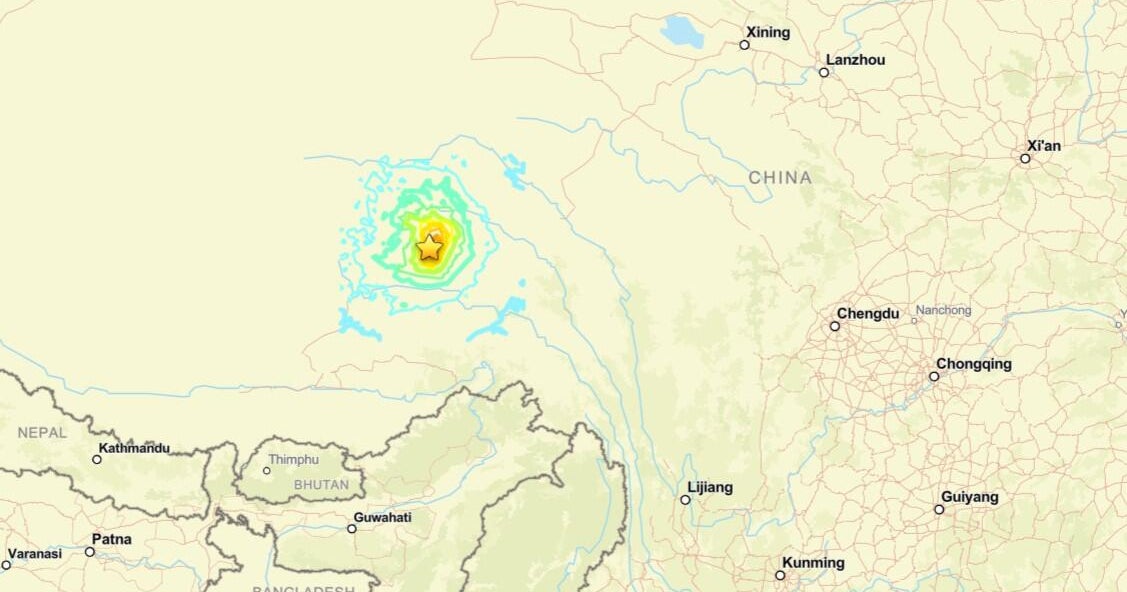
At least 16 dead when powerful 7.0 magnitude earthquake strikes Tibet
It was the biggest earthquake in the region in the last five years, China

See how Big Tech is transforming Spain's landscape
A drought-stricken region of northeast Spain has become a focus for American companies searching for locations to place their data centers.