
Fugitive in 1973 murder of iconic singer Victor Jara is captured

Chilean authorities have taken into custody Nelson Haase, a former military officer convicted in the 1973 kidnapping and killing of singer-songwriter Victor Jara, according to a Justice Department announcement issued Sunday. Haase had been sought as a fugitive in a case involving one of Chile’s best-known cultural figures from the military era. The detention returns attention to Jara’s death and to a prosecution that has continued to carry weight decades after the events in question.
Jara was killed during the first days of the dictatorship that followed the military overthrow of President Salvador Allende. Augusto Pinochet’s coup occurred on Sept. 11, 1973; Jara was killed five days later, on Sept. 16. He was 40. The timing placed his death in the immediate and volatile aftermath of the change in power, when the country’s political and civic life was being rapidly reshaped.
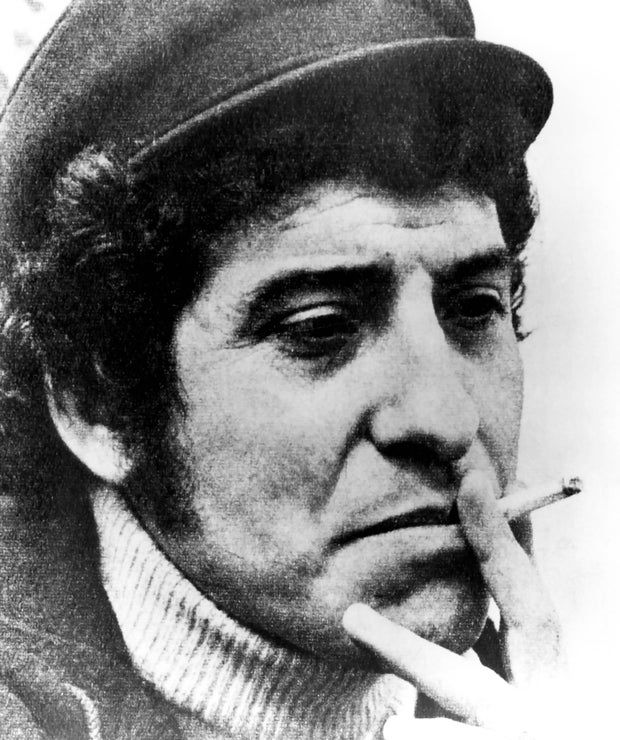
The conviction against Haase covers both the abduction of Jara and his murder. The account of the crime describes Jara as having been tortured before he was shot 44 times. Those details have made the case more than a historical account of a performer’s death: it is also an account of severe violence during the early period of military rule. They help explain why developments in the proceedings retain importance beyond the immediate question of one defendant’s status.
Before his death, Jara was already prominent far beyond the role of an entertainer. He belonged to the Nueva Canción Chilena, or New Chilean Song, current that emerged during the 1960s. The movement joined music with social concerns, giving artists a way to engage with public life through songs whose themes reached beyond commercial performance.
His catalogue included El derecho de vivir en paz, commonly rendered in English as The Right to Live in Peace. The song title helps show why Jara’s work remains connected with themes of dignity, political expression and social conscience. In the case against Haase, the musician’s artistic standing is central to the public significance of the arrest, rather than simply a biographical detail.
The latest development concerns a person already found guilty, not a newly disclosed accusation. That distinction matters: the reported capture is a step in enforcing an existing judgment in the long-running case. It also shows how proceedings tied to the dictatorship can remain active long after the original crime, particularly when a convicted person has not been available to authorities. The arrest therefore shifts attention from the finding of guilt to the implementation of the case’s legal outcome.
The case can be viewed on two connected levels. It concerns the practical matter of taking a convicted fugitive into custody, while also revisiting the killing of an artist whose music was part of a wider social and cultural movement. The Justice Department statement described in the report centers on the capture itself, but Jara’s role in Chilean music gives the development a significance that extends beyond a routine custody update.
The announcement does not alter the established account of Jara’s killing or the date on which it occurred. Instead, it adds a new chapter to the effort to carry out the result of the prosecution against Haase. The case links a specific criminal judgment with a defining period in Chilean history, when the country moved from Allende’s presidency into Pinochet’s military dictatorship.
Attention will now turn to how Haase’s detention is handled under the existing conviction. The available account identifies him as a former officer and a fugitive who has now been captured, while leaving the subsequent legal timetable outside the details provided. The central facts remain unchanged: Jara, a 40-year-old artist identified with New Chilean Song, was abducted, tortured and killed in the days following the 1973 coup.
Source: CBS World
Related articles
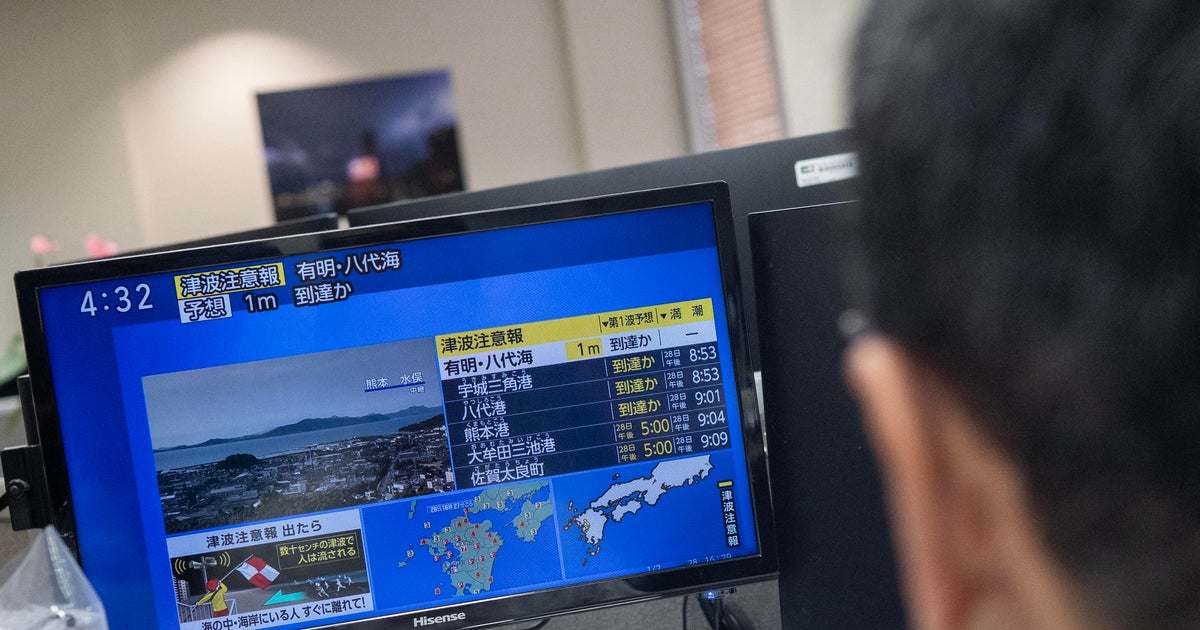
Strong 7.1 magnitude earthquake strikes southern Japan
A powerful 7.1-magnitude earthquake hit southern Japan, disrupting transport but causing no major damage.

Create AI images with your own API key
aixipi runs on desktop/web, uses your own model API balance, and avoids subscription lock-in.
Try aixipi →
Netanyahu to meet Trump in a first encounter since the Iran war began
The meeting comes as both face pressures at home. Netanyahu is up for reelection, embattled in part due to his deteriorating relationship with Trump. Trump is under pressure to end an unpopular war.

With wildfires raging in France and Spain, fire crews race against next heat wave
French authorities ordered nearly 4,000 people evacuated Tuesday from tourist sites on the Atlantic coast as returning heat threatened firefighters' fragile hold on a vast wildfire west of Bordeaux.