
Germany blames Russia for last month's attempted drone attack at Leipzig airport

Germany said it has concluded that Russia was behind an attempted attack involving an explosive-equipped drone at Leipzig/Halle Airport in August, an allegation that sharply raises the diplomatic stakes around an incident at a major German aviation site. The government said it will close a Russian consulate as part of its response, turning a security investigation into a new point of confrontation between Berlin and Moscow.
The device was discovered on Aug. 4 close to an aircraft from Ukraine, according to the account provided by German officials. Authorities neutralized the explosive component before it could cause harm. At the time, officials described the case as an escalation in the risks posed by suspected hostile activity, given both the location and the apparent target nearby.

Leipzig/Halle Airport is not simply a remote airfield in the account of the case: the presence of a Ukrainian aircraft gave the discovery an immediate international dimension. The reported placement of a drone carrying an explosive device near that plane is central to Germany’s assessment. There is no indication in the available account that the drone detonated, and the removal of its detonator was a critical part of the response.
Forensic police personnel were seen working in the airport area near the Ukrainian aircraft on Aug. 5, the day after the drone was found. The work took place in Schkeuditz, Germany, where Leipzig/Halle Airport is located. Images from the scene showed investigators examining the area as the authorities dealt with an object that had been rendered safe.
Berlin’s public attribution is significant because it goes beyond describing a suspicious object or an ongoing security incident. By assigning responsibility to Russia, the German government has framed the event as an alleged act connected to a foreign state. The decision to shut a Russian consulate signals that Germany is pairing its assessment with a diplomatic consequence, rather than limiting its reaction to police and aviation-security measures.
A consulate closure is a political step with effects separate from the immediate investigation. It puts the dispute into the formal relationship between the two governments and makes the allegation harder to treat as a local airport-security matter. Germany has not, in the information provided, set out the timetable for the closure or described whether further diplomatic measures are planned. Those details could shape how far the dispute develops beyond this specific incident.
The information released so far leaves important questions unresolved. German officials have said the drone was loaded with explosives and that it was found beside a Ukrainian plane, but the provided account does not describe how it reached the airport, who handled it, or what investigative evidence underpins the attribution. It also does not include a response from Russian authorities to Berlin’s accusation.
That uncertainty matters when measuring the immediate threat and the likely next steps. The fact that the device was defused means the reported attempt did not result in an explosion, yet officials’ characterization of the episode as a new level of danger points to concerns that such incidents can test security at sensitive transport locations. Investigators will face pressure to establish a fuller account of access, intent and responsibility.
Public attention is now likely to focus on the evidence behind Germany’s conclusion and on the practical consequences of the diplomatic move. Any additional details from the investigation could clarify whether officials view the drone as an isolated attempt or part of a wider security concern. Until then, the government’s accusation remains the central official account, while Russia’s position has not been included in the available report.
The case also places Ukraine at the center of a dispute unfolding on German territory. The aircraft’s presence near the drone is the detail that links the airport incident to the wider regional tensions surrounding Russia and Ukraine, while Germany’s consulate measure broadens the consequences into diplomacy. What follows will depend on whether Berlin releases further findings and how Moscow responds to the allegation and the planned closure.

Source: NPR World
Related articles
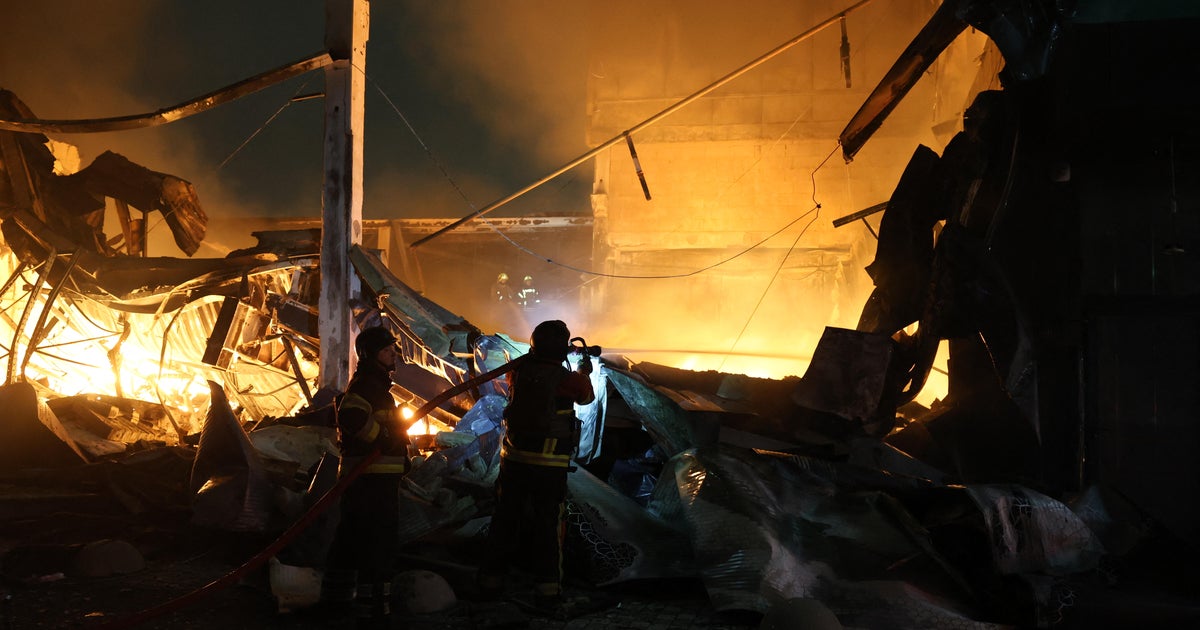
Zelenskyy accuses Russia of using cluster warheads in deadly strikes
Russia launched the strikes on Ukraine less than a day after negotiations to end the war, which also involved the United States, ended in St. Petersburg.

Create AI images with your own API key
aixipi runs on desktop/web, uses your own model API balance, and avoids subscription lock-in.
Try aixipi →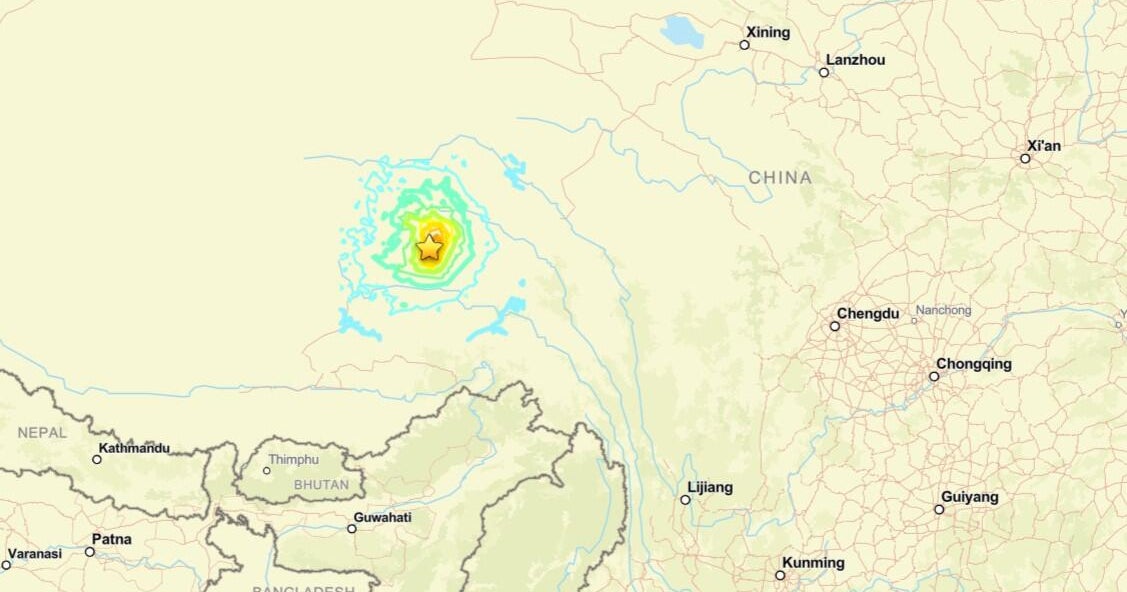
At least 16 dead when powerful 7.0 magnitude earthquake strikes Tibet
It was the biggest earthquake in the region in the last five years, China

See how Big Tech is transforming Spain's landscape
A drought-stricken region of northeast Spain has become a focus for American companies searching for locations to place their data centers.