
How a Bunch of Broke Teachers Created a Hot New Way to Vacation

Younger travelers are giving home swapping a renewed place in the vacation market, turning an older cost-saving arrangement into a fashionable alternative to hotel stays. Millennials and members of Generation Z are among those exploring exchanges of homes, drawn by the chance to travel without paying conventional accommodation rates while staying in a residential setting.
The practice is hardly new. Its beginnings reach back to the 1950s, when economic pressure shaped travel decisions on both sides of the Atlantic. The United States was in recession, while Britain was still living with rationing after the war. For people with limited cash, trading homes offered a practical route to a trip that might otherwise have been out of reach.

That origin helps explain why the model is resonating again. Lodging can be one of the largest parts of a holiday budget, and an exchange can remove or reduce that particular expense. Rather than booking a room, participants arrange to use one another’s homes, making the value of an unused house or apartment part of the travel plan.
The revival is also playing out online. TikTok users have been posting advice about getting a property ready for an exchange, from preparing the space for a visitor to considering what a guest may need on arrival. Other users are putting their own homes forward as potential swap destinations, giving the idea a visible and informal marketplace on social media.
The trend has crossed into celebrity-facing conversation as well. British television actor Jules Knight made news after asking followers whether they might be interested in exchanging homes during the Christmas period. The request illustrated how a practice once associated chiefly with frugal travelers can now be presented publicly as a desirable way to organize a break.
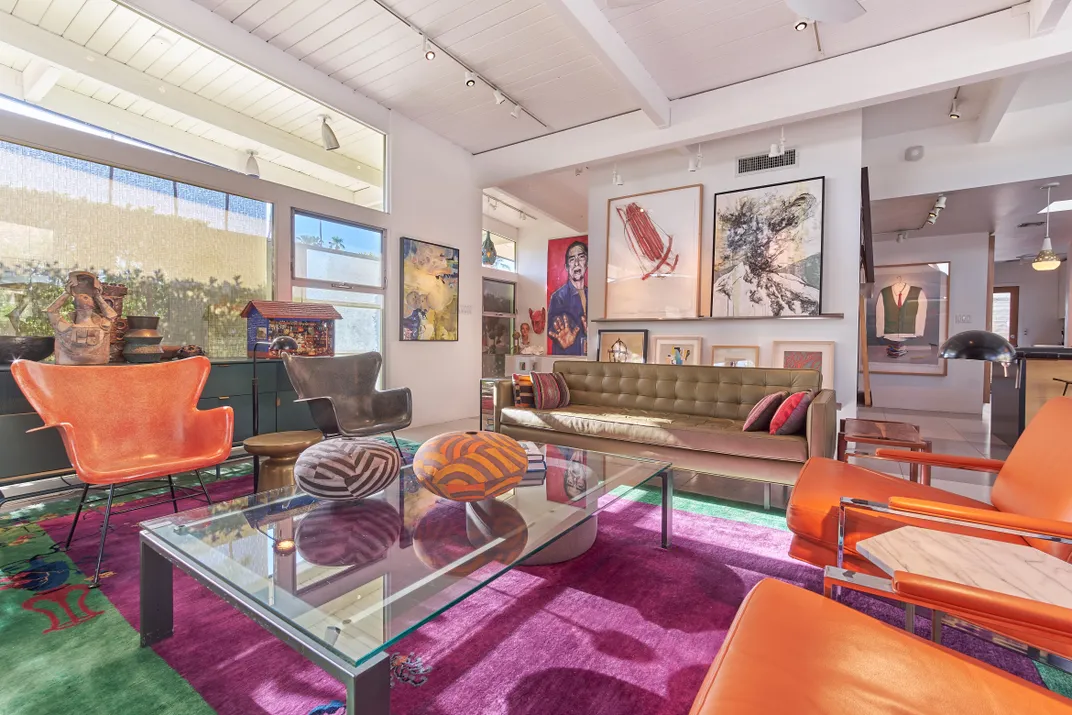
For many participants, the appeal is not limited to saving money. A hotel keeps visitors in a purpose-built travel environment, whereas a home exchange places them inside an existing neighborhood. Staying in someone else’s residence can offer a quicker introduction to local routines and surroundings, and it can make a destination feel less like a short stop and more like a place being temporarily lived in.

The arrangement can also create a relationship between the two sides of an exchange. Hosts and guests have reason to communicate before a trip, sharing information about the home and the area. That contact distinguishes swapping from a standard hotel transaction and may appeal to travelers who want a more personal connection to the place they visit.
Still, the approach is not a universal replacement for hotels. An exchange depends on matching dates, locations and homes between two parties, which may not suit travelers who need fixed plans or immediate reservations. Preparing a home for visitors and handing over a private space can also require more coordination than checking into a hotel, even if the potential financial benefit is substantial.
What happens next will depend on whether the current enthusiasm becomes a lasting travel habit. The growing stream of preparation tips and listings suggests that home swapping is becoming easier to discover, especially for younger adults accustomed to finding travel ideas through social platforms. Its past, however, remains central to its appeal: a solution born during lean times is being recast for travelers seeking both affordability and a more local experience.
Source: Smithsonian Magazine
Related articles

Immerse Yourself in the Cosmos at Frank Lloyd Wright's Only Planetarium, Recently Restored to Its Former Glory in Florida
Completed in 1958, the domed building is located on the campus of Florida Southern College, home to 13 Wright-designed buildings, the world's largest single-site collection of the architect's work

Play Tractor online with friends — free
Real-time Sheng Ji / Tractor for 3–5 players, with complete bidding and trump rules across web, iOS and Android.
Play bidfive →
A Team of Astronomers Thinks They Have Identified the Exact Night Sky That Inspired Vincent van Gogh's 'Starry Night.' Not Everyone Is Convinced
Very few night skies seen from the south of France during the summer of 1889 would match the scene on van Gogh's canvas. A new study argues that it could have been July 22

'Pretty Boy' Floyd, One of the Most Notorious Outlaws of the Great Depression, Was Shot and Killed in an FBI Raid 92 Years Ago
Some Americans lauded the 30-year-old bank robber as a Robin Hood-esque folk hero. Others castigated him as a violent criminal whose misdeeds were emblematic of the troubled era

GTA 6 guides, updates and practical reference
Explore a Chinese GTA 6 guide library covering the release, map, characters, missions, vehicles and weapons.
Browse guides →
Create AI images with your own API key
aixipi runs on desktop/web, uses your own model API balance, and avoids subscription lock-in.
Try aixipi →