
ICE deportees in Africa describe being stranded "on the other side of the world"
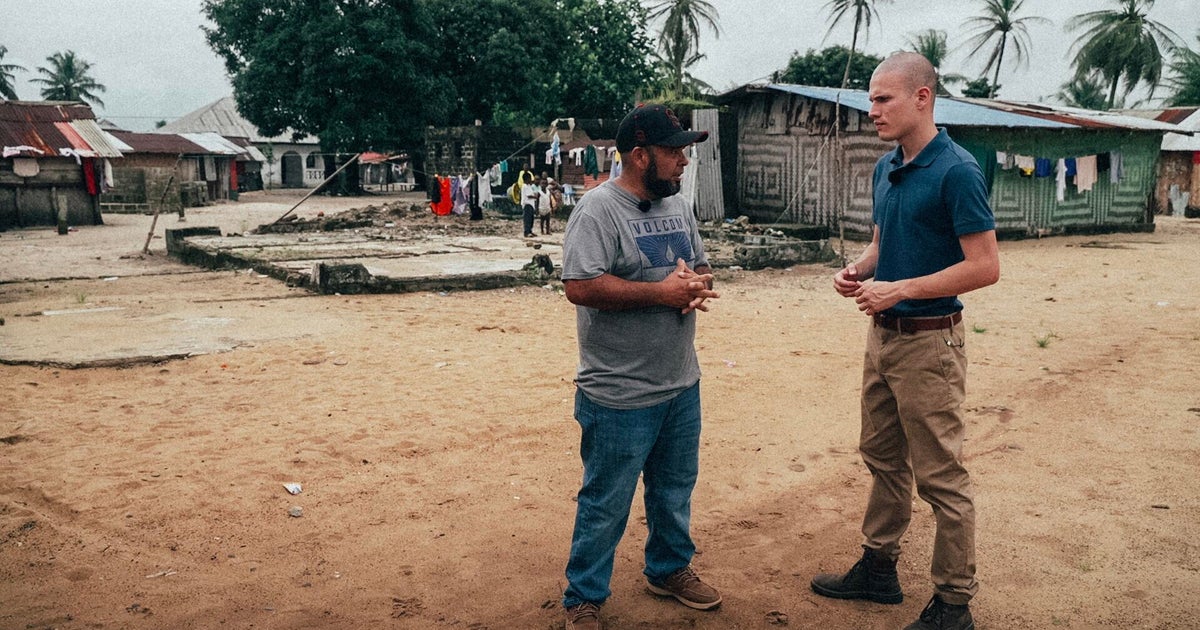
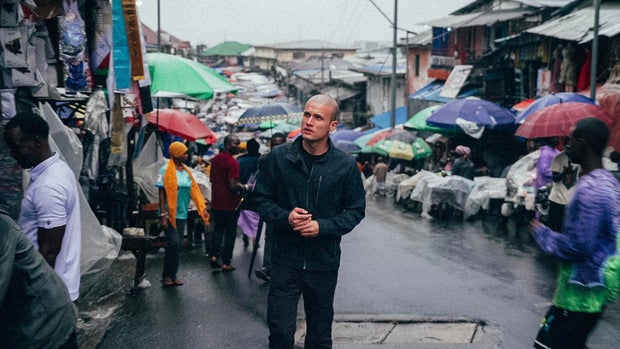
In a remote coastal part of Monrovia, Liberia’s capital, people removed from the United States by immigration authorities are living far from the countries they once called home. The group includes Latin American migrants sent to the West African nation under a broader U.S. practice of removing some people to countries other than their own. For those now in Liberia, the destination has become an unexpected point in an already uncertain immigration journey. The situation carries an enforcement decision made in the United States into a city thousands of miles from the communities where these migrants had lived.
The deportees are being housed in a three-level hotel, according to accounts from the country. None is Liberian. The location is not a temporary return to a familiar national community for the people interviewed; many of the residents were born outside Africa altogether. Their placement has made Liberia a setting for a group whose histories, languages and family connections largely lie elsewhere.
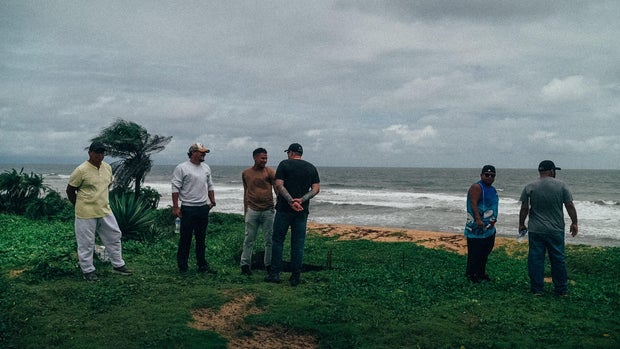
Among those sent there are people from Brazil, Colombia, Guatemala, Honduras and Venezuela. The group also includes migrants from Cameroon and Eritrea, showing that the removals brought together people from both Latin America and other parts of Africa. Their varied origins underline the central feature of the policy at issue: the destination is neither the United States nor, for many, the country of nationality.
U.S. immigration officials transferred the group to Liberia last month. Liberia, widely described as Africa’s oldest republic, is being used as a third-country destination in an expanded enforcement approach during President Trump’s campaign against unlawful immigration. Rather than limiting removals to a person’s home country, the approach can place deportees in distant nations with which they have no established connection. The Liberia transfers show how the policy can affect people whose cases began in the Americas but end in an unfamiliar region.
People reached in Liberia described the experience as being left in limbo. Some said they could not go back to the United States, where they have spouses or children, while they feared possible harm if returned to their countries of origin. A Honduran man, Elvis Rodriguez Venturas, described feeling “on the other side of the world,” an account that captures the distance separating the deportees from their former lives and support networks.
The reported cases also raise questions about the legal position of people who have received limited protections in U.S. immigration court. Most of the interviewees had obtained orders preventing removal to their home countries because of concerns they could face persecution or torture there. Those protections did not confer permanent legal status in the United States, leaving them vulnerable to removal elsewhere under the third-country strategy.
Several deportees said they were not told in advance that Liberia would be their destination and were not given an opportunity to contest removal to West Africa. Brazilian migrant Paola Ferreira Dos Santos said she learned where she was only after her flight arrived in Monrovia on Aug. 20. Learning the destination only upon arrival meant migrants had little practical time to seek advice or raise objections before the transfer was completed. Accounts such as hers focus attention on what notice, information and review are available when an immigration removal is directed to a country different from the person’s homeland.
The Trump administration has said its deportation push is aimed primarily at serious offenders. A review of the names of people sent to Liberia, however, found no criminal charge or conviction for most of them beyond immigration-related violations, including unauthorized entry into the United States. The Department of Homeland Security said people in the country unlawfully could choose to leave on their own and receive a $3,000 payment offered by the administration.
The administration says it is using lawful means to carry out its promised large-scale deportation operation. At the same time, the State Department has declined to disclose detailed terms of its arrangements with foreign governments on third-country removals, citing diplomatic communications. What happens to the people in the Monrovia hotel, whether they can establish stable lives there, and whether more countries take part in similar transfers will remain central questions as the policy develops.
Source: CBS World
Related articles
Zelenskyy accuses Russia of using cluster warheads in deadly strikes
Russia launched the strikes on Ukraine less than a day after negotiations to end the war, which also involved the United States, ended in St. Petersburg.

Create AI images with your own API key
aixipi runs on desktop/web, uses your own model API balance, and avoids subscription lock-in.
Try aixipi →
At least 16 dead when powerful 7.0 magnitude earthquake strikes Tibet
It was the biggest earthquake in the region in the last five years, China

See how Big Tech is transforming Spain's landscape
A drought-stricken region of northeast Spain has become a focus for American companies searching for locations to place their data centers.