
India detains thousands of "Cockroach" movement youth protesters in crackdown
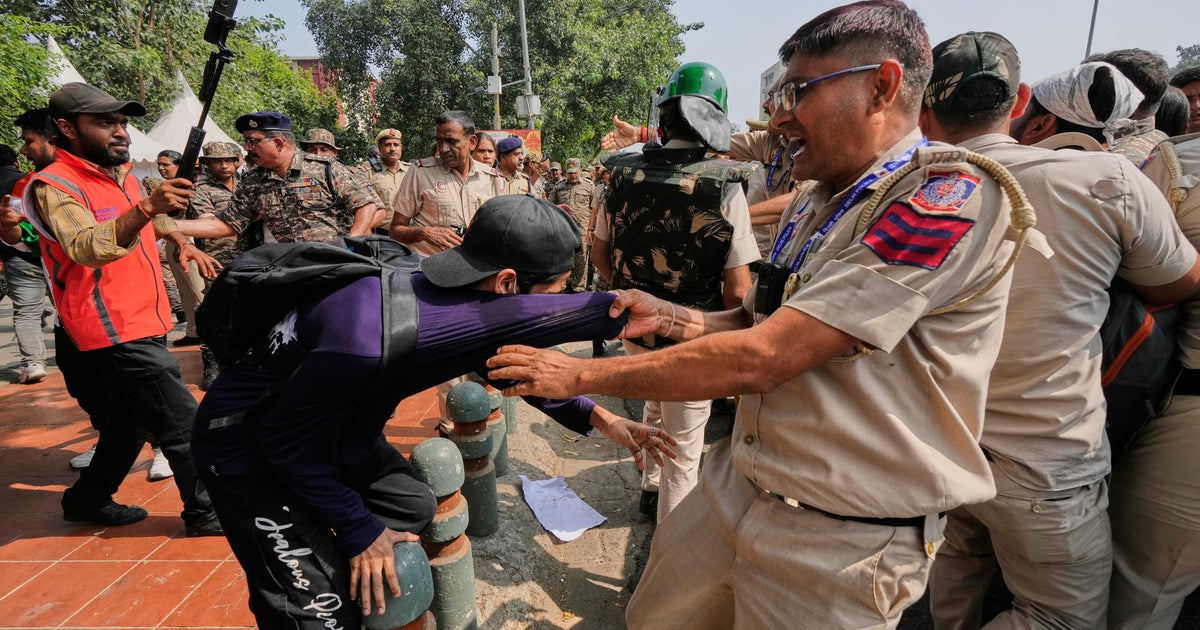
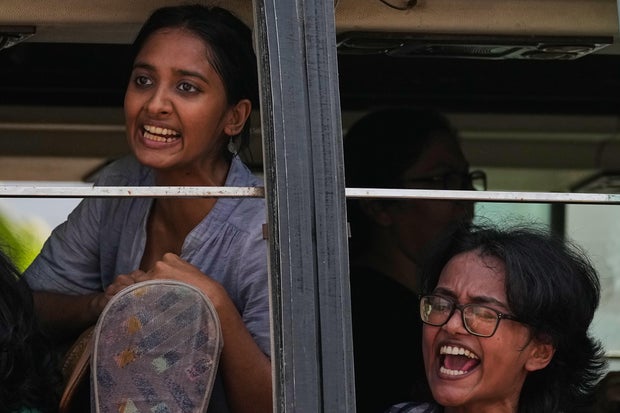
Indian police detained thousands of young protesters in New Delhi on Saturday as authorities mounted an extensive operation against the youth-led “Cockroach” movement. The arrests came as the group sought to step up a national campaign over a disputed revision of voter lists, turning the capital into the focal point of a confrontation that had already drawn anger toward Prime Minister Narendra Modi’s Hindu nationalist administration and election authorities.
The scale of the operation was visible well beyond the area where demonstrators had hoped to gather. Security personnel set up checks on approaches to New Delhi, stopping buses, private cars and other traffic while looking for people believed to be travelling to join the protest. The measures made reaching the capital itself part of the challenge for activists, rather than leaving enforcement concentrated at a single rally location.
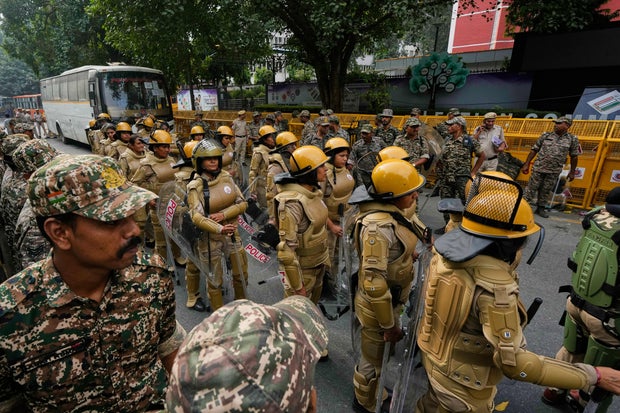
Jantar Mantar, a prominent site associated with public demonstrations in the city, was sealed off with barricades. Along major routes, authorities positioned anti-riot vehicles fitted with tear-gas launchers. The deployment signaled preparation for possible unrest even as the reported action centered on detentions and efforts to prevent demonstrators from assembling in large numbers.
Protesters also faced limits on mobile internet service and restrictions on entry to parts of New Delhi. Together with the road checkpoints, those steps complicated travel, communication and coordination. The restrictions show that the response was not limited to removing people from the streets; it also affected the practical means through which a dispersed youth movement could organize a demonstration in the capital.
At the center of the dispute is a voter-list revision that the Cockroach movement has challenged. The youth campaign has tried to broaden its pressure beyond New Delhi and present the issue as a nationwide concern. Its organizers and supporters have directed their opposition at both the Modi government and the election authorities connected to the contested process, placing electoral administration at the heart of the political argument.
Saturday’s events brought two competing dynamics into view. The movement was attempting to turn dissatisfaction over the voter-roll changes into a larger public mobilization, while the authorities responded through a citywide security posture built around screening arrivals, controlling access and securing likely gathering points. The available account does not set out the official rationale for the operation or the position of election authorities on the revision.
The detentions may shape the immediate prospects for further demonstrations, but the voter-list dispute remains the issue driving the campaign. Blocking access to a rally location can limit a particular day of protest without, by itself, resolving the disagreement that brought activists into the streets. The number of people taken into custody also highlights the pressure placed on a movement whose participants had planned to increase their activity across the country.
The confrontation has expanded the dispute beyond the mechanics of revising voter lists. By restricting transport routes, limiting connectivity and closing off a recognized protest site, authorities made access to public space another central part of the episode. For movement supporters, the planned demonstration was a way to amplify objections to the electoral process; for officials, the visible priority was controlling a large anticipated gathering in the capital.
Attention will now turn to whether the campaign can sustain its nationwide push after the New Delhi crackdown, and whether authorities maintain the same level of controls around future mobilizations. It will also be important to watch how limits on movement, internet access and public gathering space affect participation. For now, the capital’s security operation has become a defining part of a protest centered on the future of India’s voter lists.
Source: CBS World
Related articles
Zelenskyy accuses Russia of using cluster warheads in deadly strikes
Russia launched the strikes on Ukraine less than a day after negotiations to end the war, which also involved the United States, ended in St. Petersburg.

Create AI images with your own API key
aixipi runs on desktop/web, uses your own model API balance, and avoids subscription lock-in.
Try aixipi →
At least 16 dead when powerful 7.0 magnitude earthquake strikes Tibet
It was the biggest earthquake in the region in the last five years, China

See how Big Tech is transforming Spain's landscape
A drought-stricken region of northeast Spain has become a focus for American companies searching for locations to place their data centers.