
Indonesia searches for 129 people missing after ferry capsizes in the Java Sea

Indonesian search teams widened their operation on Monday after the passenger ferry Virgo Transport 8 capsized in the Java Sea, leaving 129 people unaccounted for. Authorities have confirmed that at least six passengers died in the accident, which followed a period of severe weather at sea. The disaster has turned an inter-island crossing into a rapidly developing rescue effort, with officials working to establish who was aboard and where survivors may be found.
The vessel was traveling from Surabaya, in East Java, to Banjarmasin, the capital of South Kalimantan. Banjarmasin is on Borneo, placing the route across waters that connect two of Indonesia’s major island regions. More than 240 people were on the ferry when its captain sent an emergency message, according to the information released about the voyage. That broad total makes the task of confirming every passenger especially important, because authorities have not yet provided a complete outcome for all of those aboard.

That call reported that the ship was leaning to one side while encountering heavy seas. Waves were reported at as high as three meters, or about 10 feet. The ferry later overturned on Sunday, setting off a search that continued into the following day as the number of missing people remained far higher than the confirmed death toll. The available account establishes that the captain had reported a problem during the crossing before the capsize, but it does not provide a detailed timeline of the emergency.
The gap between the passenger total and the initial casualty figures is central to the response. Rescue crews must account for everyone who was listed for the journey, identify those brought to safety and determine whether some passengers may still be in the water or elsewhere after the capsize. Until those checks are completed, the missing count is a working measure rather than a final accounting of the disaster. It can change as records are matched and as the search produces new information.
At a rescue command post in Banjarmasin on Monday, people examined the Virgo Transport 8 passenger list. The manifest is likely to be a crucial reference for families and officials alike: it can help compare the number expected to travel with the names of those located after the emergency. It also underscores that the search is not only a maritime operation but an effort to resolve the status of individual passengers, rather than simply produce a single overall total.
The confirmed deaths and the large number still missing have placed urgency on the Monday operation. Bad weather was part of the circumstances reported before the ferry overturned, but the available account does not establish why the vessel capsized or whether any other factors contributed. Sea conditions are one part of the known picture; a determination of cause would require information beyond the captain’s distress report and the initial rescue updates.
For relatives awaiting news, the passenger manifest can offer an initial point of reference but not immediate certainty. Lists may show who was expected to board, while rescue updates must establish who has been reached, who remains uncontacted and whether reported identities match those records. The distinction matters when officials are trying to give reliable information amid an emergency involving more than 240 people. It also explains why early numbers can be difficult to interpret while the search is still underway.
The Surabaya-to-Banjarmasin voyage also illustrates the disruption caused by the accident beyond the ferry itself. The route was intended to connect East Java with South Kalimantan, but the focus has shifted from transport to search coordination in Banjarmasin. Authorities face the dual pressure of conducting the operation in waters recently described as rough and providing clear updates to those affected. The response therefore depends on both conditions at sea and accurate information on land.
What happens next will depend on the results of the expanded search and the continuing reconciliation of passenger records. The six confirmed fatalities provide only an early measure of the human cost, while the status of 129 missing people remains unresolved. Officials’ next updates will be watched for evidence of additional rescues, revisions to the casualty count and further detail on the conditions surrounding Sunday’s capsize. Any later account of the accident will need to distinguish between the facts already confirmed and questions that remain open.
Source: NPR World
Related articles
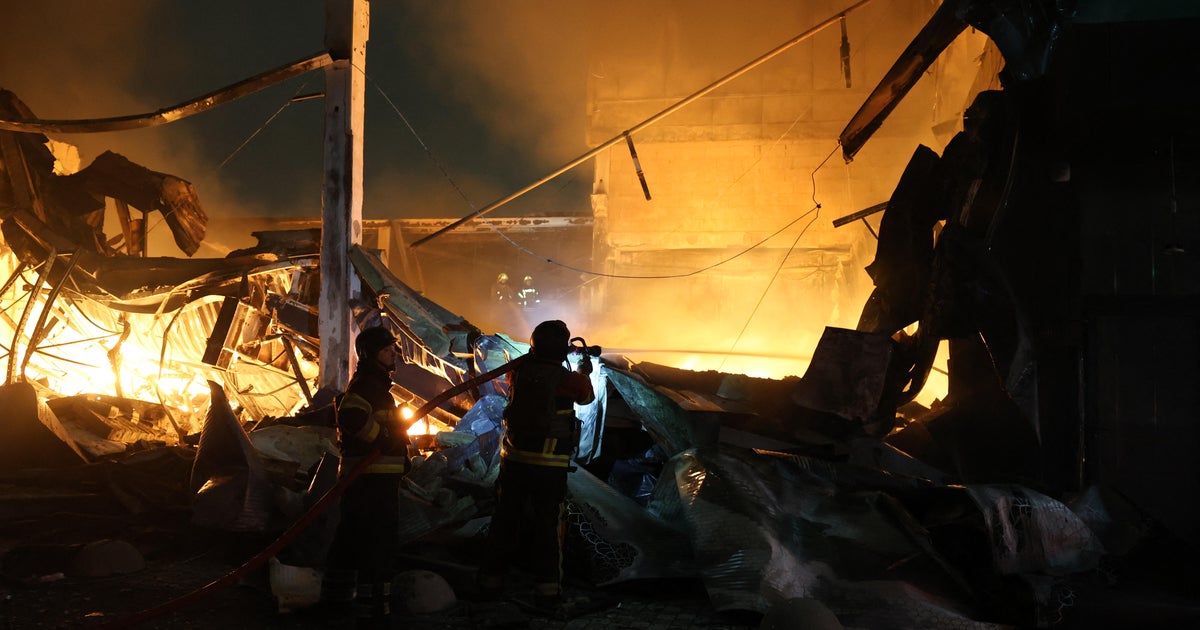
Zelenskyy accuses Russia of using cluster warheads in deadly strikes
Russia launched the strikes on Ukraine less than a day after negotiations to end the war, which also involved the United States, ended in St. Petersburg.

Create AI images with your own API key
aixipi runs on desktop/web, uses your own model API balance, and avoids subscription lock-in.
Try aixipi →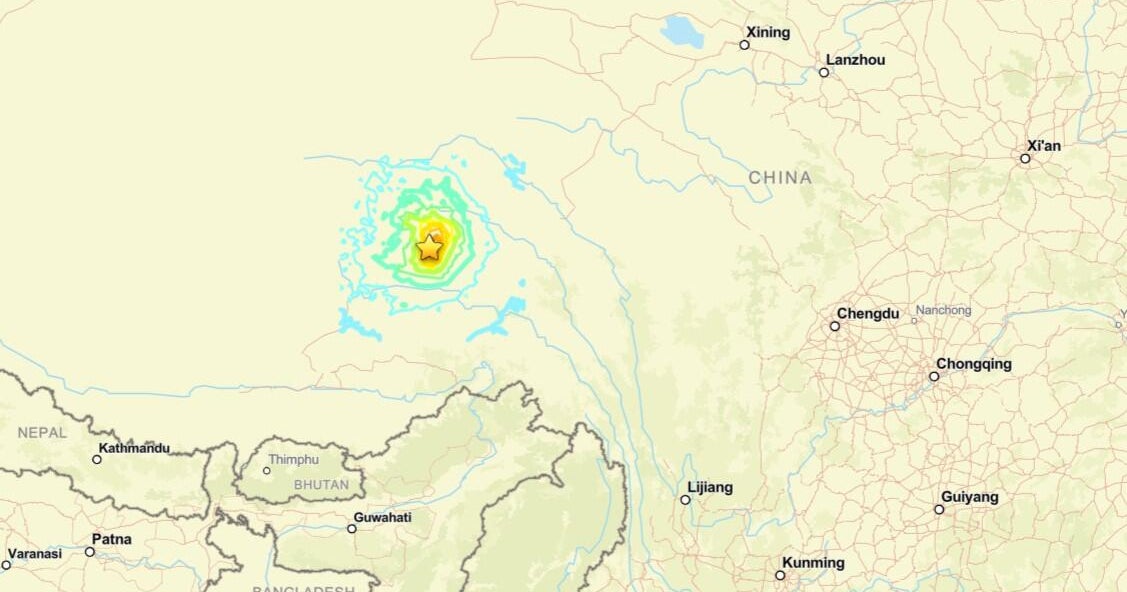
At least 16 dead when powerful 7.0 magnitude earthquake strikes Tibet
It was the biggest earthquake in the region in the last five years, China

See how Big Tech is transforming Spain's landscape
A drought-stricken region of northeast Spain has become a focus for American companies searching for locations to place their data centers.