
Iran fires on its Gulf neighbors, retaliating for U.S. strikes after a monthlong lull

Iran launched attacks early Wednesday against American-aligned countries on the Gulf, according to the reported developments, after the United States carried out bombardments in Iran overnight. The strikes were described as Iran's response to those U.S. actions. They brought fresh military action to a conflict that had been comparatively quiet for about a month, while raising new questions about whether the pause in fighting can be restored.
Iranian authorities described the Gulf strikes as retaliation for the U.S. operation. They also said the American campaign included an attack on a wedding gathering and that people were killed there. The reported sequence connects the overnight U.S. bombardment with Iran's fire the following morning. No death toll was given in the available account, and the circumstances of that allegation, including the site and those affected, could not be independently established from the information provided.

Evidence of damage was reported in Kuhestak, in southern Iran, on Wednesday morning. A building there was seen damaged in an image distributed by Tasnim News Agency, an Iranian outlet. The photograph was credited to Masoud Mohammadi of Tasnim and circulated through the Associated Press. Iranian media said the structure had been struck by the United States. That account identifies the claimed source of the destruction but does not provide independent confirmation of the strike or a fuller assessment of the damage.
The new round of attacks followed roughly a month in which the fighting had subsided. That interval had not ended the larger war, which has now lasted six months. Its return to open exchanges shows that a reduction in violence did not resolve the underlying confrontation. Wednesday's events therefore represented both a resumption of combat and a reminder that, without a broader settlement or durable restraint, the opposing sides could return quickly to direct confrontation.
The conflict's consequences have extended beyond the immediate military exchanges. Oil prices have climbed during the war, placing energy markets at the center of concern as violence again affects the Gulf region. The price increase has been one of the clearest economic effects associated with the fighting. Higher oil costs can feed into wider economic pressures, and the reported surge has coincided with disruption across the global economy during the half-year conflict.
Those economic effects have also created a political problem in the United States. The war's length, the increase in oil prices and the broader economic turbulence have added pressure on President Donald Trump and his Republican Party. For Republicans, the issue is not limited to the conduct of a conflict abroad; it is also tied to the domestic consequences of a prolonged crisis. The timing is especially sensitive because U.S. midterm elections are scheduled for November, when voters will judge the party amid the continuing overseas crisis.
Iran and the United States are presenting the sequence through sharply different lenses. Iranian officials cast their Gulf action as an answer to American bombardment and said a wedding was among the targets hit. The available reporting confirms that Iranian media attributed damage in Kuhestak to a U.S. strike, but it does not settle every claim surrounding the night's events. Important operational details remain unresolved, including the full scale of the overnight operation and the precise consequences of the retaliatory fire.
Attention in the coming days and weeks will turn to whether either side follows Wednesday's escalation with further attacks or whether the monthlong pause can be recreated. What happens next will help determine whether this is a contained exchange or the start of another sustained phase in the six-month war. The immediate risks extend from additional violence in and around Iran to renewed disruption in oil markets and the world economy. Any continued pattern of strikes would keep the conflict's economic and political effects in focus, even if the immediate fighting does not develop into a longer campaign. For Washington, developments abroad are likely to remain tied to domestic political pressures as the November elections approach.
Source: NPR World
Related articles
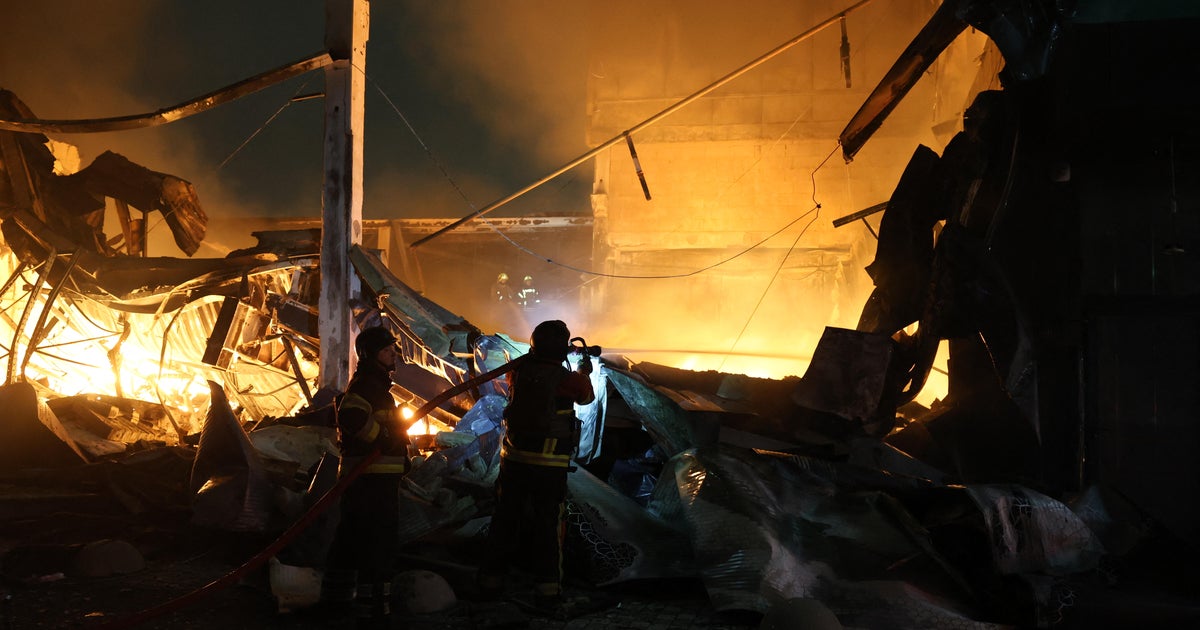
Zelenskyy accuses Russia of using cluster warheads in deadly strikes
Russia launched the strikes on Ukraine less than a day after negotiations to end the war, which also involved the United States, ended in St. Petersburg.

Create AI images with your own API key
aixipi runs on desktop/web, uses your own model API balance, and avoids subscription lock-in.
Try aixipi →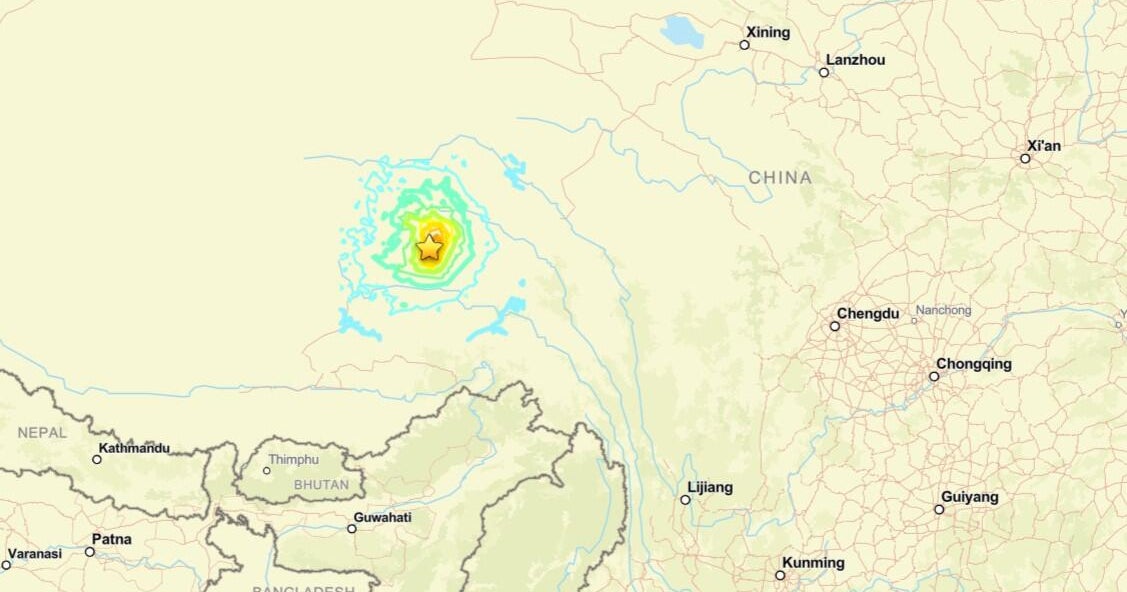
At least 16 dead when powerful 7.0 magnitude earthquake strikes Tibet
It was the biggest earthquake in the region in the last five years, China

See how Big Tech is transforming Spain's landscape
A drought-stricken region of northeast Spain has become a focus for American companies searching for locations to place their data centers.