
Iran says indirect talks with U.S. on ceasefire proposal continue
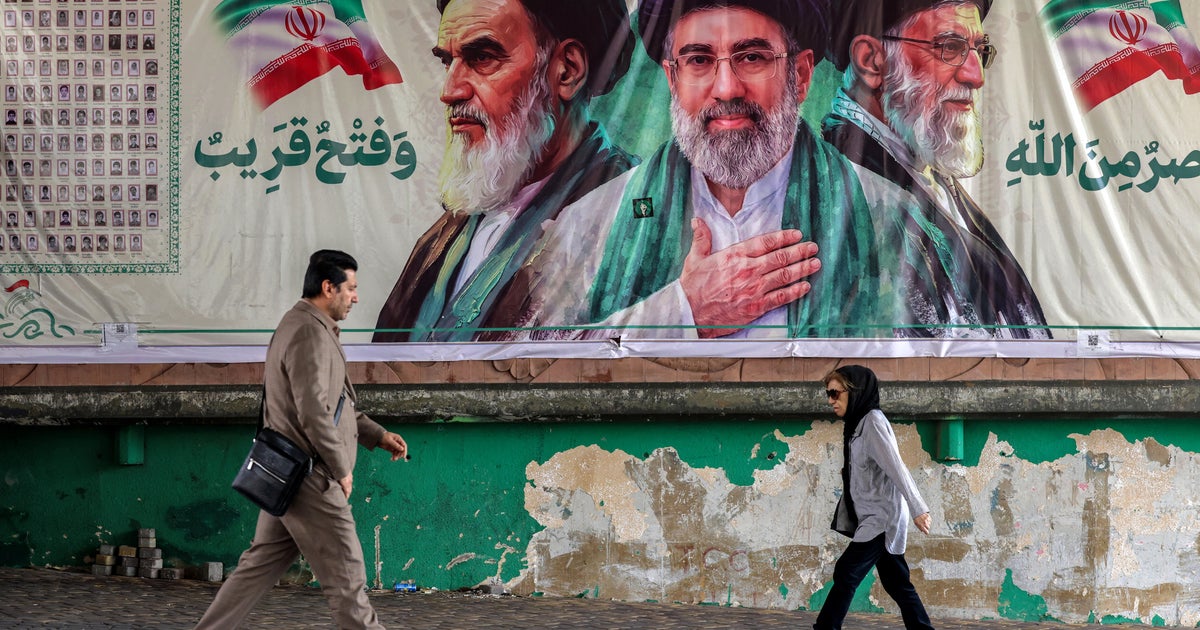
Iran said indirect contacts with the United States are continuing over a proposed seven-day halt in fighting, while Washington presses for changes to the plan that President Donald Trump turned down last month. The Iranian account presents the discussions as still active rather than concluded, leaving the central terms of any possible pause unresolved. It did not specify what response Iranian participants had given to the requested revisions. The proposal has become a focal point in a broader effort to establish whether a limited cessation can be made acceptable to both sides.
The negotiations are being conducted through intermediaries, according to Iran, not in face-to-face sessions between Iranian and American representatives. That format can keep communication open when direct engagement is not taking place, but it also makes the precise positions of each side harder to assess from public statements. It leaves outside observers dependent on official accounts rather than a public negotiating record. Neither the Iranian description nor the Treasury announcement laid out the revisions Washington is seeking or indicated when the exchanges might produce an answer.
Iran's statement also places the current talks in the context of the earlier U.S. rejection of the seven-day idea. A proposal for a short ceasefire may be intended as a temporary step, rather than a final political settlement, but the available accounts do not say what commitments would accompany it. They also do not identify the parties or mechanism that would determine whether a seven-day halt was being observed. For now, the key question is whether the requested amendments can bridge the gap that led to the proposal being declined.
As the diplomatic contacts continue, the United States has added economic pressure through a new round of sanctions. The Treasury Department named Karnakis and Karnakis, a law firm described as Panamanian-Greek, under Operation Economic Outcast. Treasury linked the firm to Iran's so-called shadow fleet, the network of oil tankers and related arrangements that U.S. officials say helps Tehran move oil while avoiding sanctions restrictions. The announcement did not describe the firm's response to the designation.
U.S. officials said the firm had been indirectly connected to Iran's prohibited shipping activity for years. In the Treasury's description, a shadow fleet consists of tankers whose actual ownership is obscured to make sanctions enforcement more difficult. This description is the U.S. government's characterization of the alleged activity. The designation extends the U.S. focus beyond vessels and cargo movements to people and institutions accused of helping make those operations possible.
Treasury Secretary Scott Bessent used unusually blunt language to describe the policy. He said Washington would pursue those it views as assisting the Iranian government, whether the alleged conduct involves covert oil transfers at sea or support provided from a professional office. His comments presented the sanction as part of a wider enforcement approach, not solely an action directed at a shipowner. Bessent also said Iranian facilitators must choose whether to align with the United States, adding that the department would keep acting against parties it identifies.
The two developments show diplomacy and coercive measures moving at the same time. Iran portrays the ceasefire exchanges as a continuing channel for discussion, while the Treasury action signals that the U.S. is not pausing its sanctions campaign during those contacts. They do not necessarily establish that the sanctions decision was tied to the ceasefire proposal, and the material provided gives no indication that the two sides reached an agreement on either issue. That distinction matters because parallel events do not, by themselves, show a negotiated trade-off.
For Iran, the immediate diplomatic test is whether U.S. demands for changes leave enough room to preserve the basic seven-day framework. For Washington, the test is whether revised terms would address the objections that caused Trump to reject the plan. The public record described so far contains Iran's assertion that talks are ongoing, but no shared text, timetable or confirmation of a breakthrough.
Attention will therefore turn to any further account from the intermediaries or the two governments about the substance of the proposed pause. A formal response to the requested revisions would be a clearer sign of movement than the existence of contacts alone. Separately, the practical effects of the Karnakis and Karnakis designation will depend on how the sanctions are implemented and on whether U.S. authorities identify additional participants in the shipping network they describe.
Source: CBS World
Related articles

Zelenskyy accuses Russia of using cluster warheads in deadly strikes
Russia launched the strikes on Ukraine less than a day after negotiations to end the war, which also involved the United States, ended in St. Petersburg.

Create AI images with your own API key
aixipi runs on desktop/web, uses your own model API balance, and avoids subscription lock-in.
Try aixipi →
At least 16 dead when powerful 7.0 magnitude earthquake strikes Tibet
It was the biggest earthquake in the region in the last five years, China

See how Big Tech is transforming Spain's landscape
A drought-stricken region of northeast Spain has become a focus for American companies searching for locations to place their data centers.