
Iran strikes U.S. jets after Trump promises war to end after midterms
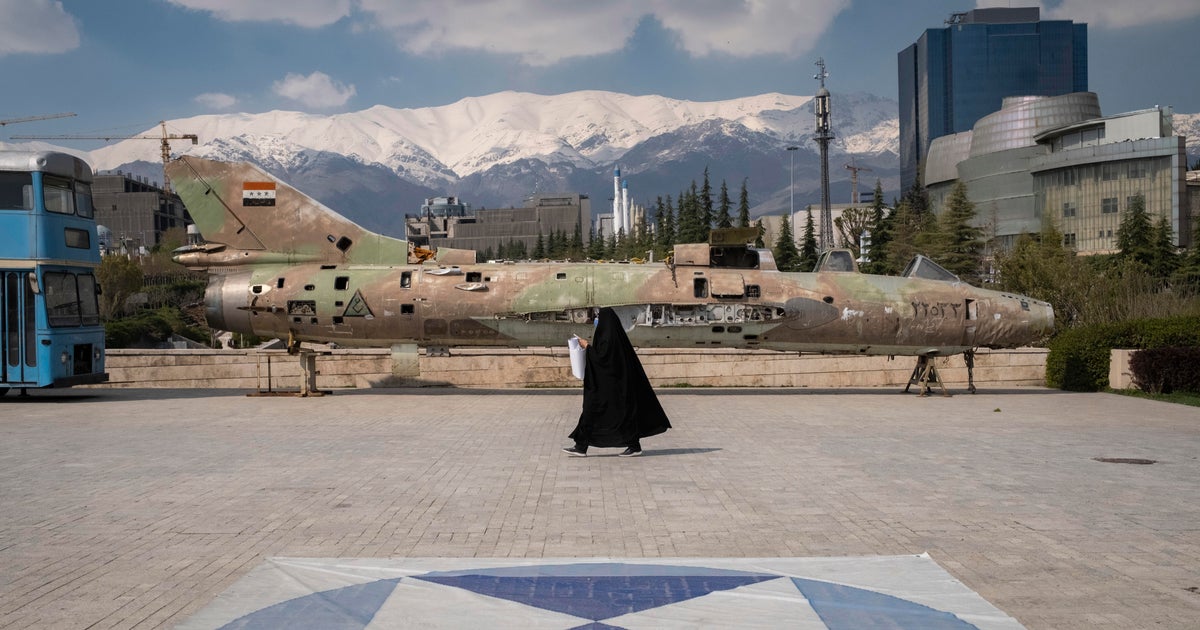
Iranian missile strikes damaged several U.S. fighter jets stationed at a military base in Jordan, according to people familiar with the matter who spoke to CBS News, adding a new front to a conflict that has already placed American forces and key shipping routes under pressure. The reported damage occurred while the aircraft were on the ground, underscoring the exposure of U.S. military installations around the region as Iran responds to U.S. attacks on Iranian oil tankers.
The attack was reported after Iran’s state media said Tehran had targeted U.S. interests across the Middle East in retaliation for those tanker attacks. Details about the condition of the aircraft, possible casualties and the precise scope of the strike were not immediately public. The account nevertheless pointed to a direct risk for U.S. assets beyond the sea lanes and oil facilities that have dominated much of the crisis.
President Donald Trump said on Wednesday that he expected the war to conclude once the midterm elections had passed. He told reporters that Iran was trying to influence the vote and said he thought the conflict would end “immediately after the election,” arguing that Tehran could not sustain the confrontation. His comments offered a political timetable for an armed conflict whose military and diplomatic direction remains uncertain.
Events elsewhere in the region continued to show how widely the confrontation has spread. Israel said Thursday that it had finished dismantling major underground positions attributed to Hezbollah, the Iran-aligned Lebanese armed group, on the Ali al-Taher ridge in southern Lebanon. The ridge is strategically important, and the announcement described an effort to secure control not only on its surface but beneath it as well.
In a joint statement, Israeli Prime Minister Benjamin Netanyahu and Defense Minister Israel Katz said the installations had been created over roughly 20 years with Iranian financing and planning. They characterized the operation as the completion of Israel’s operational hold over the ridge above and below ground. That is Israel’s assessment; the announcement did not include an independent account confirming the scale, purpose or history of the network.
The Israel Defense Forces said the system consisted of eight subterranean passages whose total length was about 5.4 kilometers, or roughly 3.4 miles. It said troops found dozens of explosive drones, along with machine guns, anti-tank missiles and hundreds of mines. The military did not publicly provide a separate inventory that could be independently verified, but described the material as evidence of a large and long-prepared Hezbollah position.
Israel said its forces would keep operating in what it calls a security zone in southern Lebanon, saying the aim is to clear the area and stop Hezbollah from launching attacks on Israeli civilians. The stance sits alongside a June agreement involving Lebanon, Israel and the United States that envisages the Lebanese army taking responsibility for security in the zone. Israel has not transferred that responsibility, maintaining that it will do so only after Hezbollah gives up its weapons and the territory it holds.
The Jordan strike and the Lebanese operation illustrate the overlapping pressures shaping the conflict: Iran’s confrontation with Washington, Israel’s campaign against Hezbollah infrastructure and the unresolved question of who controls sensitive ground and waterways. A separate Iranian claim Thursday that its Revolutionary Guards had targeted a U.S. unmanned surface vessel in the Strait of Hormuz added to concerns about the safety of military and commercial activity near one of the world’s most consequential energy chokepoints.
What happens next will depend on whether the parties broaden their responses or seek to limit them. Iranian statements have framed regional attacks as retaliation, while Israel says its continuing operations are needed to prevent future Hezbollah attacks. For the United States, the reported damage to aircraft in Jordan raises the prospect that forces positioned to protect allies and regional traffic may themselves become more frequent targets, even as Trump publicly links an end to the war to the post-election period.
Source: CBS World
Related articles
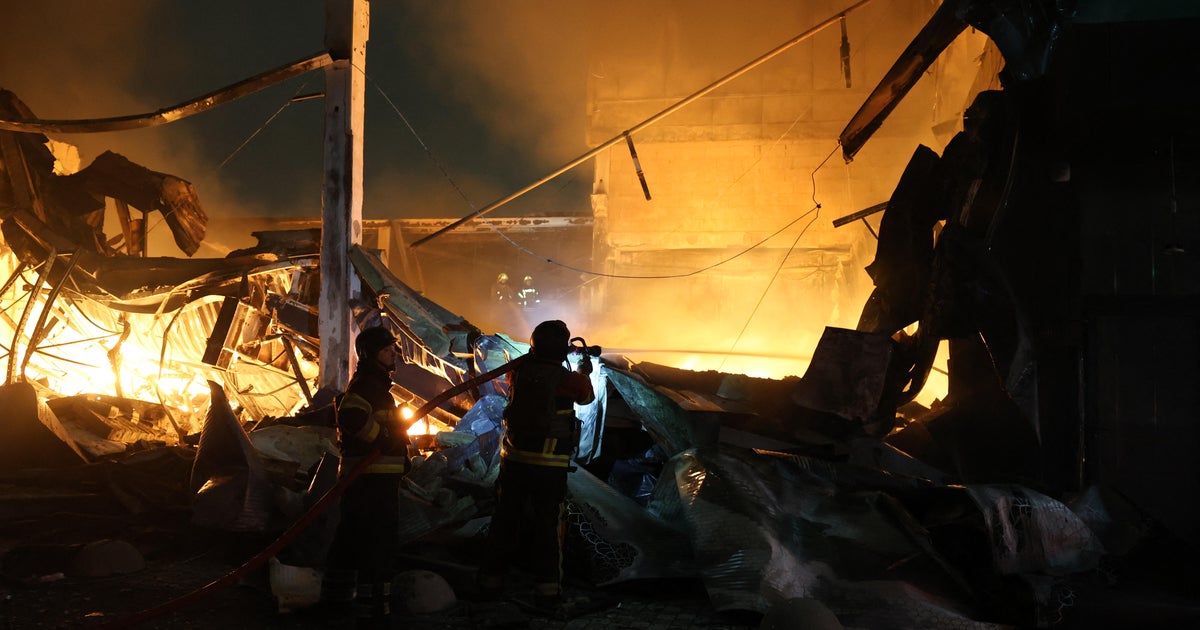
Zelenskyy accuses Russia of using cluster warheads in deadly strikes
Russia launched the strikes on Ukraine less than a day after negotiations to end the war, which also involved the United States, ended in St. Petersburg.

Create AI images with your own API key
aixipi runs on desktop/web, uses your own model API balance, and avoids subscription lock-in.
Try aixipi →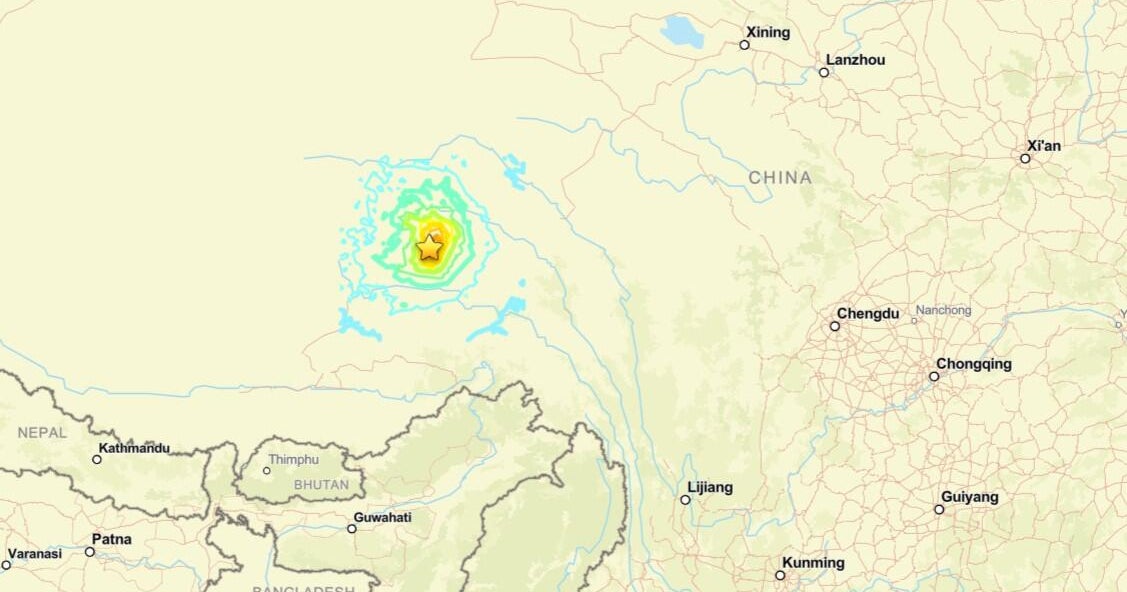
At least 16 dead when powerful 7.0 magnitude earthquake strikes Tibet
It was the biggest earthquake in the region in the last five years, China

See how Big Tech is transforming Spain's landscape
A drought-stricken region of northeast Spain has become a focus for American companies searching for locations to place their data centers.