
Iran war is "small potatoes" for U.S., Trump says
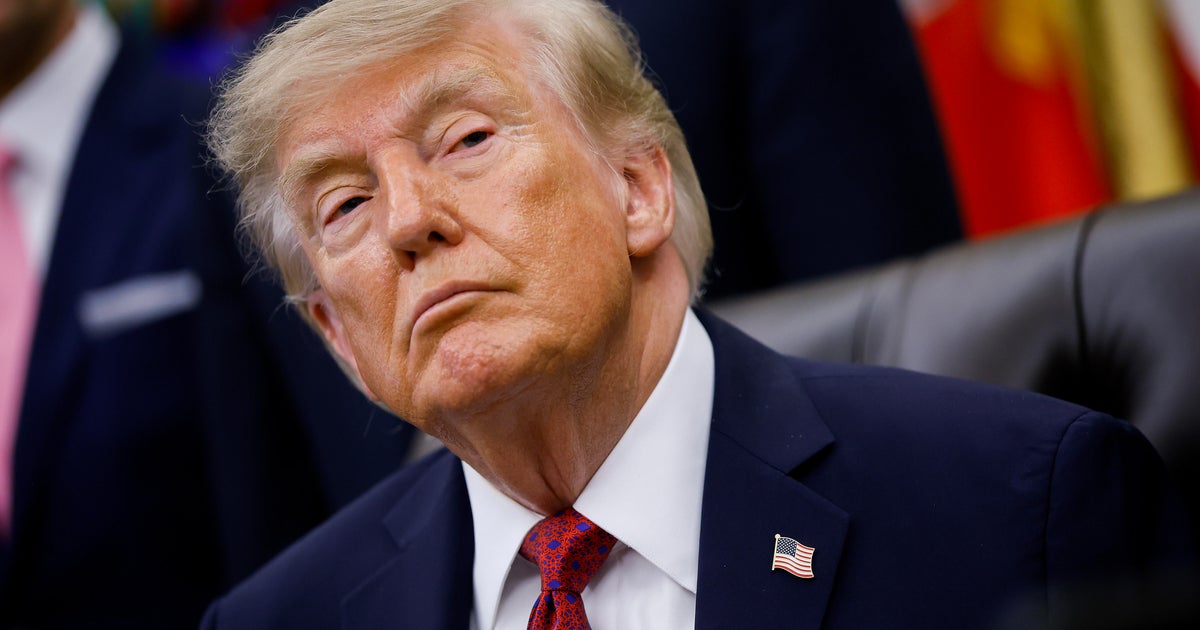
President Donald Trump has sought to minimize the significance of the conflict involving Iran for the United States, describing it as “small potatoes” for the country. His remarks came as the administration also defended Vice President JD Vance’s view that the confrontation should not be characterized as a war, despite the far-reaching military and diplomatic pressures surrounding it. The account places those comments alongside a new U.S. arms decision, underscoring the difference between political messaging and the defensive measures being pursued.
The dispute over language has become part of the wider story. Trump’s description presents the conflict as limited from the U.S. perspective, while Vance’s formulation questions whether the label “war” fits at all. The contrasting emphasis matters because it shapes how the administration explains American involvement, the risks facing regional partners, and the likely demands on U.S. military resources. For audiences in the United States and abroad, the terminology may influence how they understand the scope of the crisis, even when the immediate security challenges remain unchanged.
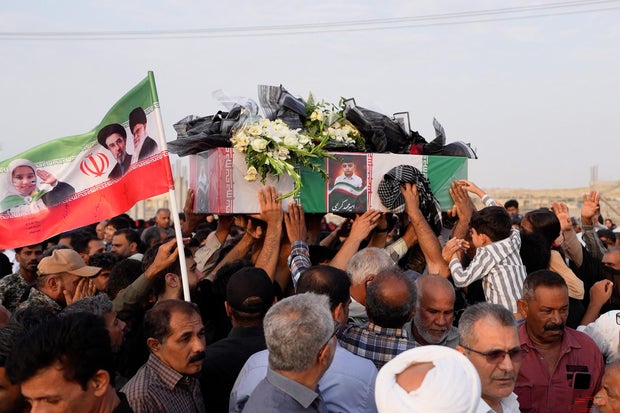
Events on the ground point to a security environment that extends well beyond statements in Washington. Saudi Arabia has come under repeated attack during the U.S.-Israeli conflict with Iran, according to the account. That exposure has placed the kingdom at the center of concerns about air defense, regional coordination and the protection of allied territory. The reported attacks also provide the immediate setting for a decision focused on equipment designed to improve Saudi capabilities rather than on rhetoric alone.
Against that backdrop, the United States announced Friday that it had cleared a proposed $5 billion weapons package for Saudi Arabia. The package includes bombs, guidance systems and additional equipment. Approval does not itself describe the full course of the fighting, but it signals that Washington is pairing its public effort to limit the conflict’s perceived scale with a major security commitment to a regional partner. The proposed transfer would be one of the clearest tangible steps described in the announcement.
The State Department said the proposed transfer is intended to bolster Saudi Arabia’s ability to defend itself from threats now facing the region and threats that could emerge later. It said the equipment would strengthen homeland protection and make Saudi systems work more effectively alongside those used by U.S. forces and other Gulf partners. By referring to both present and future dangers, the department cast the plan as preparation for a continuing regional security challenge, not merely a response to a single reported incident.
That interoperability rationale is significant in a region where air-defense responses can depend on rapid coordination among several militaries. The U.S. description frames the sale as a defensive measure, centered on Saudi capacity and compatibility with partner systems. It does not, however, resolve the broader public debate over how to describe the Iran conflict or how long its consequences may reach.
The department also tied the proposed sale to Washington’s foreign-policy and national-security aims. In its statement, it said the transaction would enhance the security of a “Major non-NATO Ally,” a designation applied to Saudi Arabia. The wording places the deal within the United States’ longstanding security relationship with the kingdom rather than presenting it solely as an immediate response to recent attacks.
There is an evident tension between the administration’s messaging and the scale of the proposed arms package. Trump’s comments stress that the conflict should not be seen as a major American burden, while the sale reflects preparations for serious regional threats. Both positions can coexist: one speaks to the conflict’s relative importance for the United States, and the other to the practical defense needs of a partner under attack.
What follows will depend in part on whether threats to Saudi Arabia continue and on the progress of the proposed sale. The announcement identifies air defense, homeland protection and military coordination as its principal goals, but it offers no assurance that those measures will end the danger. Attention is also likely to remain on how Trump, Vance and other officials define U.S. involvement as the conflict develops.
Source: CBS World
Related articles
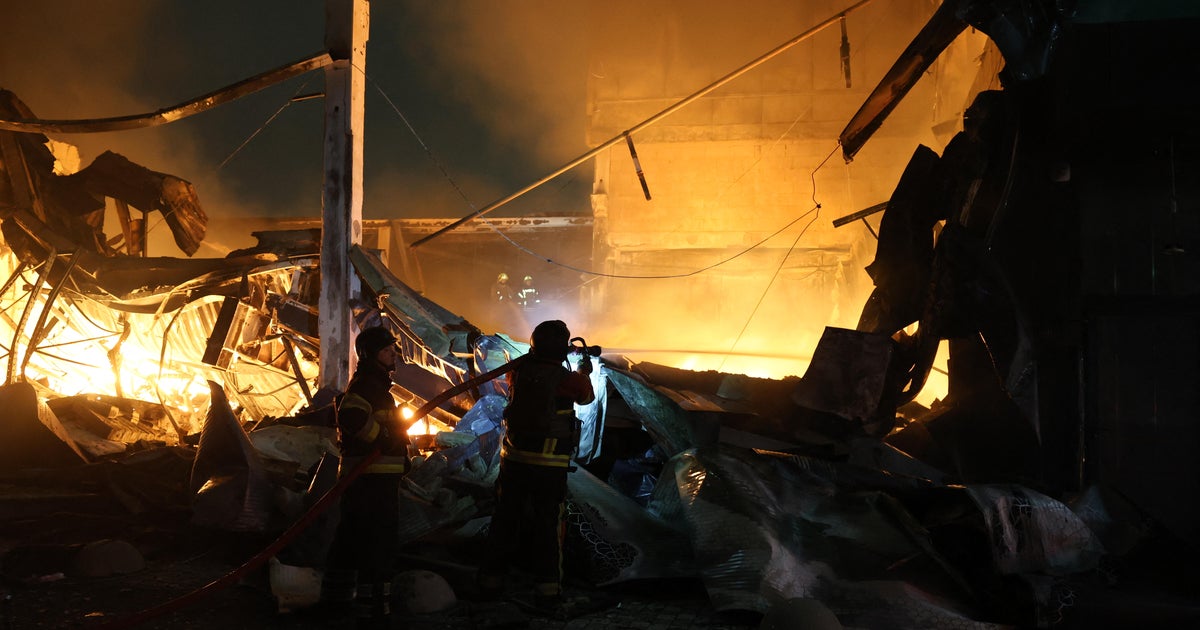
Zelenskyy accuses Russia of using cluster warheads in deadly strikes
Russia launched the strikes on Ukraine less than a day after negotiations to end the war, which also involved the United States, ended in St. Petersburg.

Create AI images with your own API key
aixipi runs on desktop/web, uses your own model API balance, and avoids subscription lock-in.
Try aixipi →
At least 16 dead when powerful 7.0 magnitude earthquake strikes Tibet
It was the biggest earthquake in the region in the last five years, China

See how Big Tech is transforming Spain's landscape
A drought-stricken region of northeast Spain has become a focus for American companies searching for locations to place their data centers.