
Iran's proxies using Yemen to compound war's impact on oil prices

Pressure on oil markets is widening beyond the fighting between the United States, Israel and Iran. A reported strike on a Saudi Arabian pipeline, together with renewed confrontation involving Yemen’s Houthi movement and Saudi Arabia, has focused attention on risks to the routes and facilities that carry Middle Eastern energy to customers abroad. The development adds a second regional layer to a conflict that has already unsettled fuel trade for more than half a year.
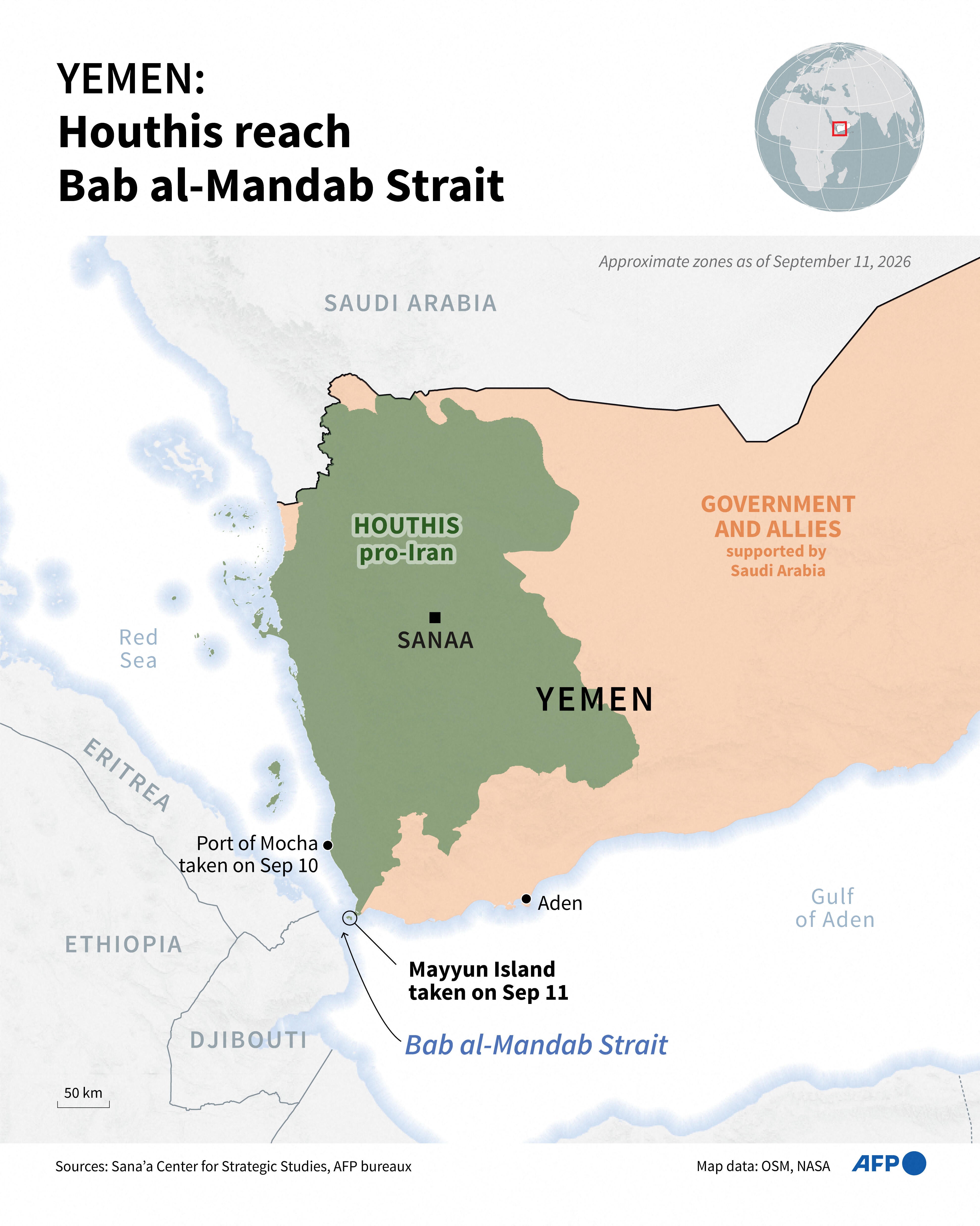
The Houthis are backed by Iran, according to the account of the conflict. Their growing dispute with Saudi Arabia is unfolding alongside assaults on Saudi assets that have been attributed to other groups aligned with Tehran. Taken together, those events have raised concern not only about installations inside Saudi Arabia but also about the safety of vessels moving through nearby waters.
That matters because the disruption is no longer confined to the war’s most immediate front. The direct U.S.-Iran confrontation has sharply curtailed traffic through the Strait of Hormuz since the conflict began. Now, instability linked to Yemen and attacks on Saudi infrastructure are putting additional strain on the Red Sea side of the region’s shipping network.
Before the war, tankers using the Persian Gulf and Red Sea passages carried a significant share of oil supplies into international commerce. Roughly three in every 10 barrels reaching global markets by tanker traveled through those two corridors combined. The Strait of Hormuz accounted for about one-fifth of that total, while the Bab el-Mandeb passage accounted for approximately one-tenth. These figures describe the prewar pattern of tanker-borne supplies rather than a guarantee of present access. They also show why disruptions at either end of the regional network cannot be assessed in isolation.
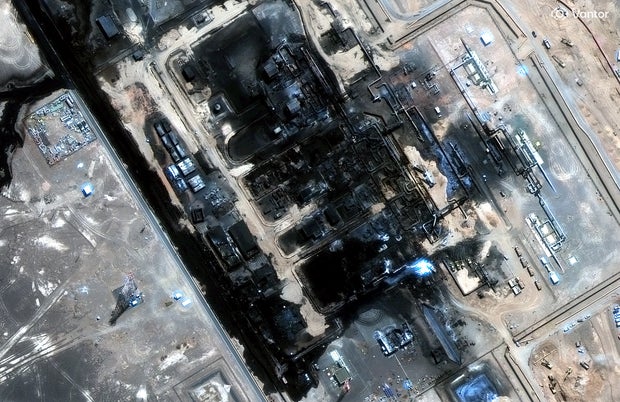
Those proportions explain why threats on separate waterways can have an outsized effect on prices. When Hormuz traffic falls, the reduction is felt across a major Gulf outlet. When risk also spreads toward Bab el-Mandeb and the Red Sea, the available routes for seaborne supplies are constrained from another direction. The reported Saudi pipeline attack further highlights that the pressure is not limited to ships at sea.
The immediate market concern is therefore broader than a single incident. Fighting between Saudi Arabia and the Houthis could expose tanker movements to greater danger, while attacks blamed on Iran-linked forces can threaten the infrastructure supporting oil flows. With both transport passages and land-based facilities under pressure, the result described in the report is a tighter supply picture and higher fuel costs around the world.
There is an important distinction in the way the risks have developed. The fall in Hormuz shipping is tied to direct clashes involving Washington and Tehran. The Red Sea and Saudi-related threat, by contrast, is connected to the Houthi-Saudi confrontation and to actions ascribed to other Iranian partners. Both strands affect energy movement, but they arise from related yet different parts of the wider conflict.
How far prices rise will depend on whether the dangers remain episodic or lead to a more sustained loss of access to shipping lanes and Saudi facilities. The available account does not establish that every route has closed, nor does it assign responsibility beyond saying that some attacks have been blamed on Iran-backed groups. What is clear is that a conflict already disrupting a crucial Gulf chokepoint is now creating fresh concern around another major outlet.
For importers and consumers, the next signals will come from tanker traffic through Hormuz and Bab el-Mandeb, the course of Houthi-Saudi hostilities, and the condition of Saudi energy infrastructure after the pipeline strike. A de-escalation in any of those areas could ease the pressure. Further attacks or fighting, however, would deepen worries that the region’s overlapping conflicts are compounding the effect of the war on oil availability and fuel prices.
Source: CBS World
Related articles

Zelenskyy accuses Russia of using cluster warheads in deadly strikes
Russia launched the strikes on Ukraine less than a day after negotiations to end the war, which also involved the United States, ended in St. Petersburg.

Create AI images with your own API key
aixipi runs on desktop/web, uses your own model API balance, and avoids subscription lock-in.
Try aixipi →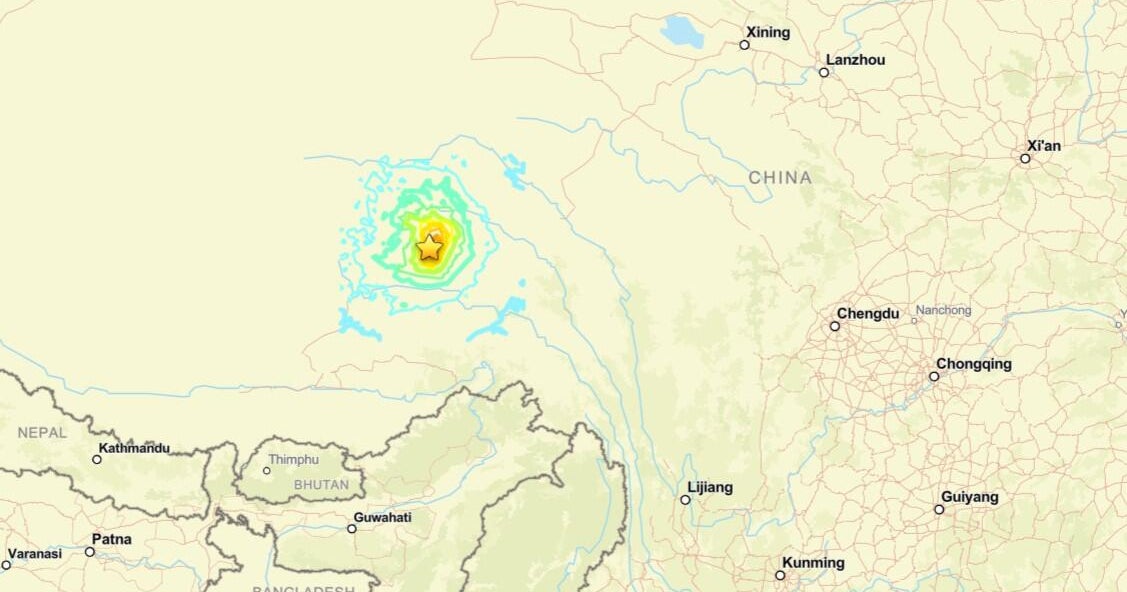
At least 16 dead when powerful 7.0 magnitude earthquake strikes Tibet
It was the biggest earthquake in the region in the last five years, China

See how Big Tech is transforming Spain's landscape
A drought-stricken region of northeast Spain has become a focus for American companies searching for locations to place their data centers.