
Is More Protein Always Better? Despite the Craze Around the Nutrient, Research-Backed Evidence About Its Benefits Is Complicated
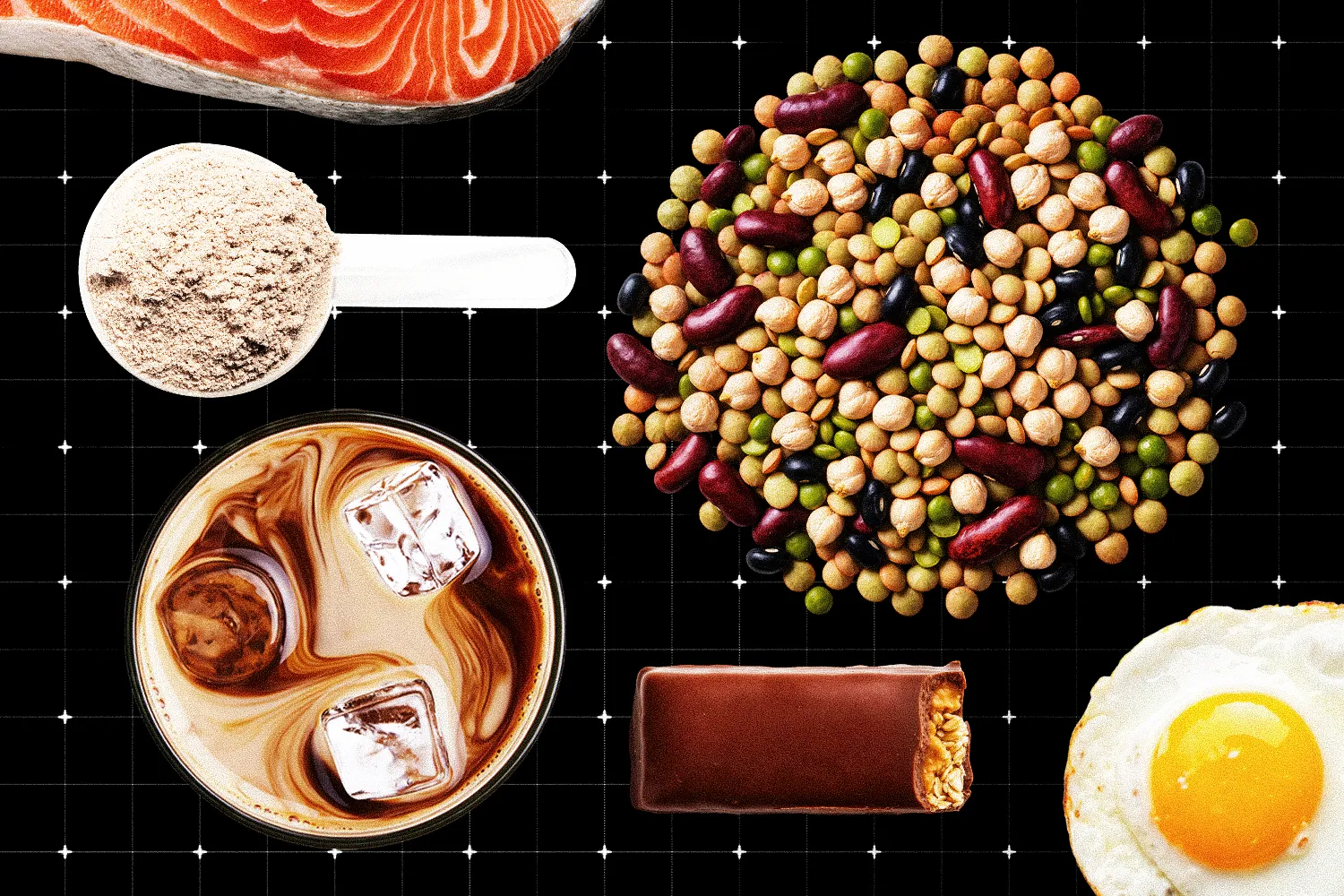
Protein has become one of the food world’s most visible selling points, appearing on brightly packaged snacks, drinks and familiar convenience foods. Yet the renewed attention has also made a simple shopping decision harder: whether an individual actually needs more protein, and, if so, what form of it makes sense. The evidence behind the trend does not produce one answer for everyone.
The central conclusion is conditional rather than absolute. Raising protein intake may be useful for some people, but the potential value depends on a person’s aims, health circumstances and the foods selected to increase it. That makes broad promises about protein difficult to apply across a general audience.
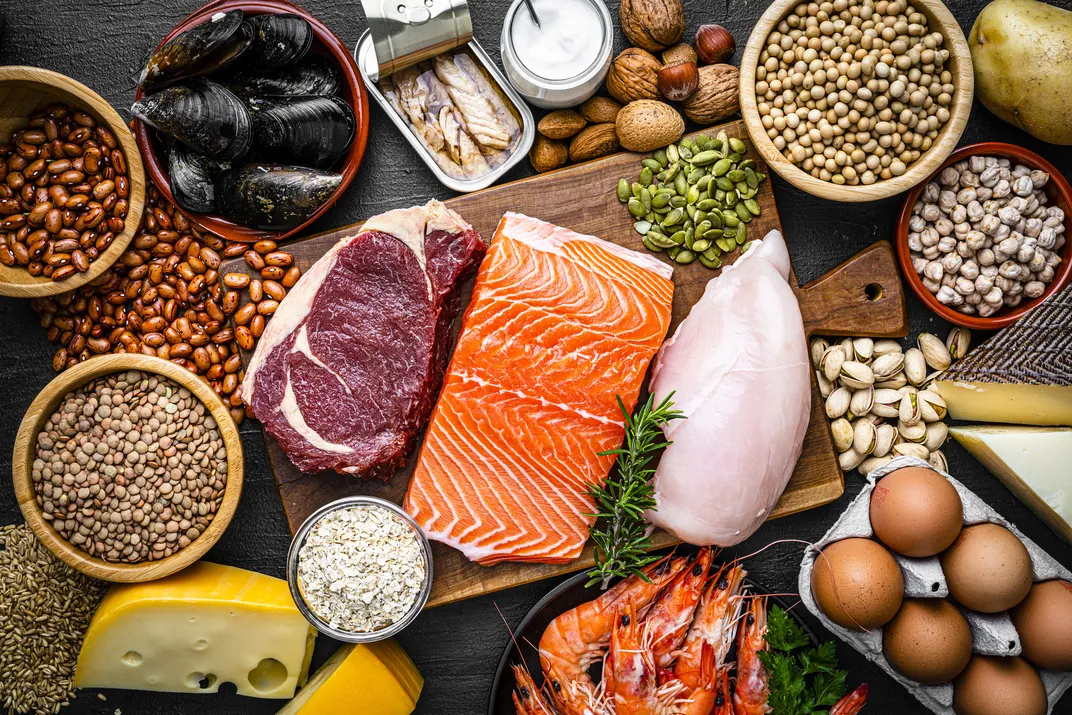
Health experts examining the trend have focused on both the possible advantages and the downsides of pursuing extra protein. Their assessment starts with the idea that protein is not a standalone measure of a diet’s value. The purpose of increasing it, and the route used to do so, can change the result.
Muscle-building is one situation in which additional protein can have a clearer role. People doing demanding exercise with the specific intention of gaining muscle may have reason to pay closer attention to protein. That case, however, does not automatically provide a model for people whose routines involve little physical activity or whose priorities are different.
The distinction matters because protein marketing now reaches far beyond foods traditionally linked with the nutrient. Products can be positioned as an easy route to better eating because a package emphasizes protein. The growing number of such choices can make it harder to distinguish between a focused nutrition decision and a consumer trend powered by branding.
For people who are mostly inactive, adding protein is not automatically a meaningful improvement. The concern becomes sharper when the added nutrient comes through foods that might otherwise be viewed as junk food or nutritionally weak choices. A Pop-Tart reformulated to contain more protein may match the current market enthusiasm without answering the broader question of whether it improves someone’s diet.

That is why the protein source belongs beside the protein amount in any useful discussion. A front-of-package claim does not, by itself, determine where a food fits into an individual eating pattern. Shoppers considering fortified bars, snacks and drinks are making more than a numerical comparison; they are judging whether a product serves the goal they actually have.
The popularity of protein-centered products has turned a qualified nutrition issue into a wider lifestyle message. For consumers, a larger selection can create uncertainty instead of clarity. More products do not establish who is likely to benefit, who may not, or which choices are sensible for a particular person.
The practical question is therefore not simply whether protein is good or bad, or whether higher intake is universally preferable. Someone training hard to build muscle may assess it differently from someone who spends most of the day sedentary. Health considerations and food choices also shape the calculation, making those factors central rather than secondary.
As companies continue to promote protein prominently, the key issue will be whether consumer choices reflect that more individualized picture. The lasting popularity of high-protein branding is less important than the gap between a product’s promise and the evidence-based circumstances in which extra protein may actually be useful.
Source: Smithsonian Magazine
Related articles

Immerse Yourself in the Cosmos at Frank Lloyd Wright's Only Planetarium, Recently Restored to Its Former Glory in Florida
Completed in 1958, the domed building is located on the campus of Florida Southern College, home to 13 Wright-designed buildings, the world's largest single-site collection of the architect's work

Play Tractor online with friends — free
Real-time Sheng Ji / Tractor for 3–5 players, with complete bidding and trump rules across web, iOS and Android.
Play bidfive →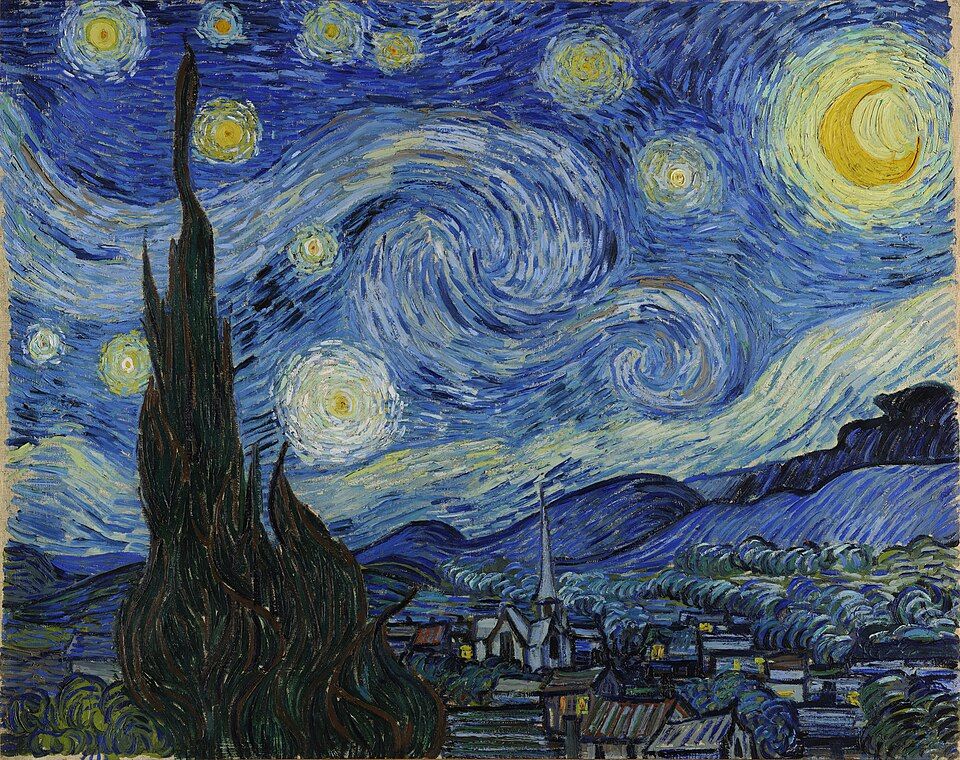
A Team of Astronomers Thinks They Have Identified the Exact Night Sky That Inspired Vincent van Gogh's 'Starry Night.' Not Everyone Is Convinced
Very few night skies seen from the south of France during the summer of 1889 would match the scene on van Gogh's canvas. A new study argues that it could have been July 22

'Pretty Boy' Floyd, One of the Most Notorious Outlaws of the Great Depression, Was Shot and Killed in an FBI Raid 92 Years Ago
Some Americans lauded the 30-year-old bank robber as a Robin Hood-esque folk hero. Others castigated him as a violent criminal whose misdeeds were emblematic of the troubled era

GTA 6 guides, updates and practical reference
Explore a Chinese GTA 6 guide library covering the release, map, characters, missions, vehicles and weapons.
Browse guides →
Create AI images with your own API key
aixipi runs on desktop/web, uses your own model API balance, and avoids subscription lock-in.
Try aixipi →