
Israel bars U.S. citizens over criticism and ties to Palestinian activists, lawyers say

Lawyers say some U.S. citizens are being turned away at Israel’s border after questioning that focuses on their relationships with Palestinians, possible travel to the occupied West Bank and their views about Israel. The accounts also involve travelers from other countries, suggesting that the issue described by attorneys is not confined to American passport holders. The central allegation is that scrutiny during entry interviews can become the basis for refusing admission. The reported sequence is significant because the disputed information is gathered at the point of entry.
For the people affected, the decision can come after an intensive exchange with border officials rather than a problem apparent before departure. Lawyers say travelers have been asked about personal or professional connections to Palestinians, whether they intend to go to the West Bank, and what they think about Israel. Those subjects can place political opinion, planned movement and personal association at the center of a traveler’s attempt to enter. A question alone does not establish why any one person was ultimately refused.

The reports concern entry to Israel, while the planned visits cited by lawyers include travel to the West Bank, territory described in the source account as occupied. That distinction matters because a person’s itinerary may extend beyond an airport arrival point. According to the lawyers’ accounts, an intended visit to the West Bank may draw attention during the same screening process that determines whether a traveler will be admitted. The account does not say that every prospective West Bank visitor is barred.
American citizenship does not appear, in the lawyers’ description, to guarantee entry. The story’s reported cases involve U.S. nationals, but attorneys say people from additional countries have faced similar refusals. The available account does not establish how frequently this happens, how many people have been affected, or whether every traveler questioned on these subjects is denied access. It instead describes a pattern reported by legal representatives, not a complete tally of all border decisions.
Border interviews are consequential because a refusal can abruptly end plans made for meetings, family connections, professional work, tourism or visits across the area. The report does not identify the purposes of the individual trips. Still, the questions described by lawyers indicate that authorities may examine not only documents and travel plans, but also the social and political context surrounding a proposed visit. The immediate effect, in the cases alleged, is that the traveler does not gain entry.
The lawyers’ claims place particular emphasis on Palestinians and on travelers associated with them. In that framing, the concern is broader than a single destination: officials are said to ask who visitors know, where they expect to go and how they regard Israel. Each category can overlap. A planned West Bank trip may involve Palestinian contacts, while a discussion of those contacts may also lead to questions about a traveler’s political views. The reported concerns therefore combine association, itinerary and opinion.
What remains unclear from the account is how entry officials weigh those answers, what standards they apply in individual cases, and whether travelers are told the specific grounds for a refusal. The report attributes the allegations to lawyers, rather than presenting an official Israeli explanation. That leaves important questions about policy, consistency and review unresolved, including how prospective visitors can anticipate the level of questioning they may encounter. It also limits what can be concluded about any individual denial beyond the lawyers’ description.
The issue is likely to matter to people planning travel involving Israel and the West Bank, particularly those with Palestinian relationships or publicly held opinions about the conflict. The reported experiences also illustrate how a border decision can carry effects beyond the immediate journey, limiting access to people and places a traveler intended to see. For now, the account points to lawyers’ allegations of denials after such questioning, while fuller information about the scope and official rationale has yet to emerge. What to watch next is whether further accounts or an official response clarify the practice described.

Source: NPR World
Related articles
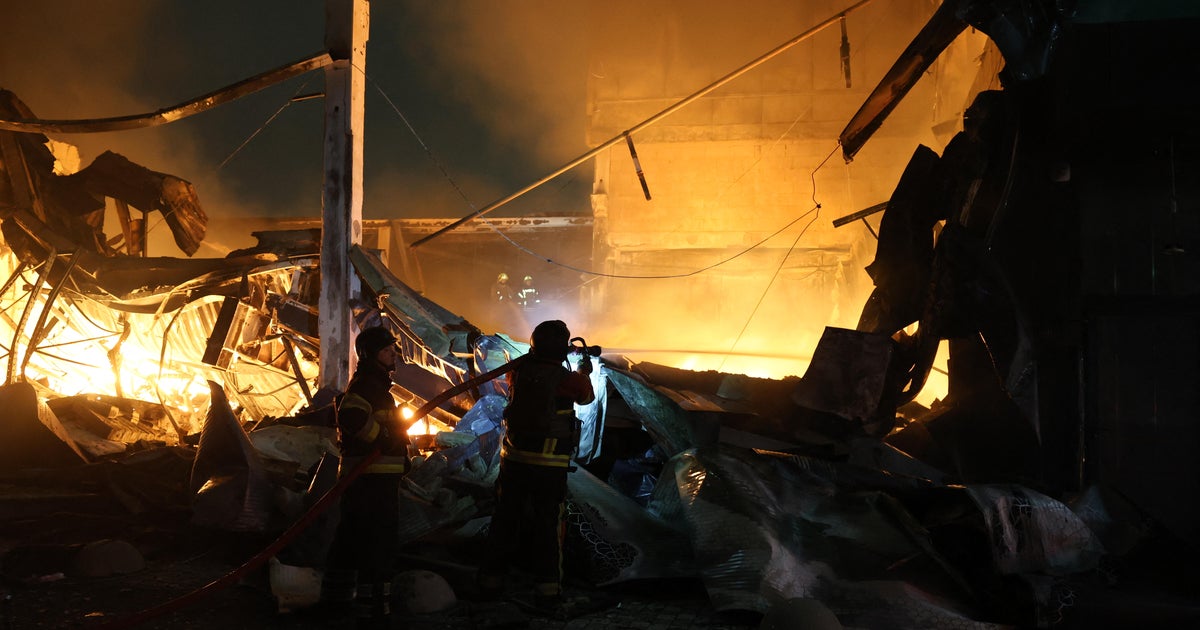
Zelenskyy accuses Russia of using cluster warheads in deadly strikes
Russia launched the strikes on Ukraine less than a day after negotiations to end the war, which also involved the United States, ended in St. Petersburg.

Create AI images with your own API key
aixipi runs on desktop/web, uses your own model API balance, and avoids subscription lock-in.
Try aixipi →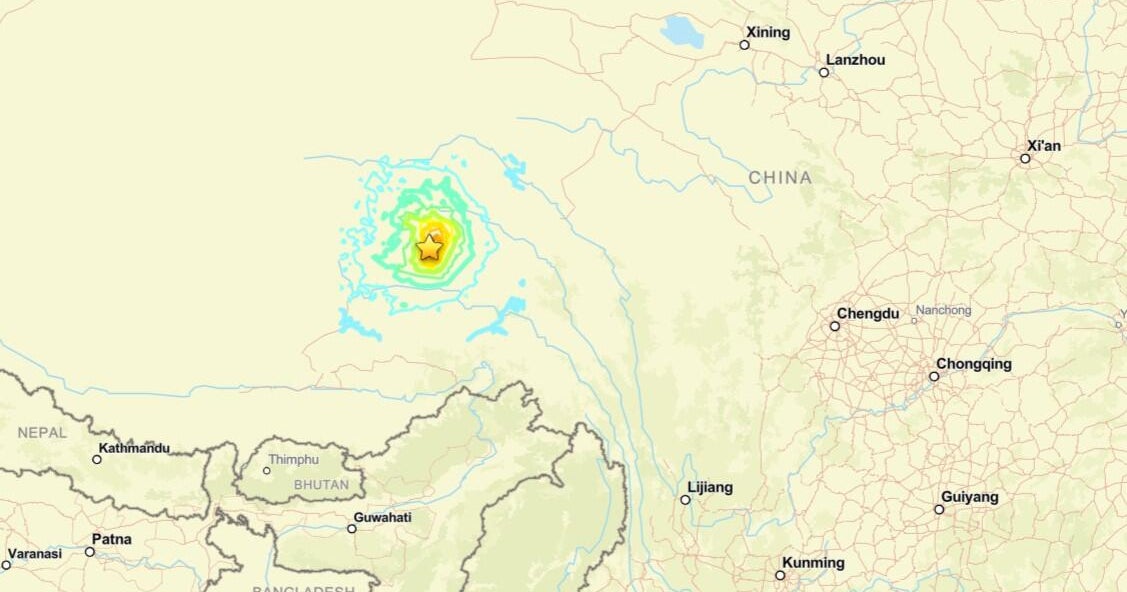
At least 16 dead when powerful 7.0 magnitude earthquake strikes Tibet
It was the biggest earthquake in the region in the last five years, China

See how Big Tech is transforming Spain's landscape
A drought-stricken region of northeast Spain has become a focus for American companies searching for locations to place their data centers.