
Israel's Netanyahu set to hit back at widespread criticism in U.N. address
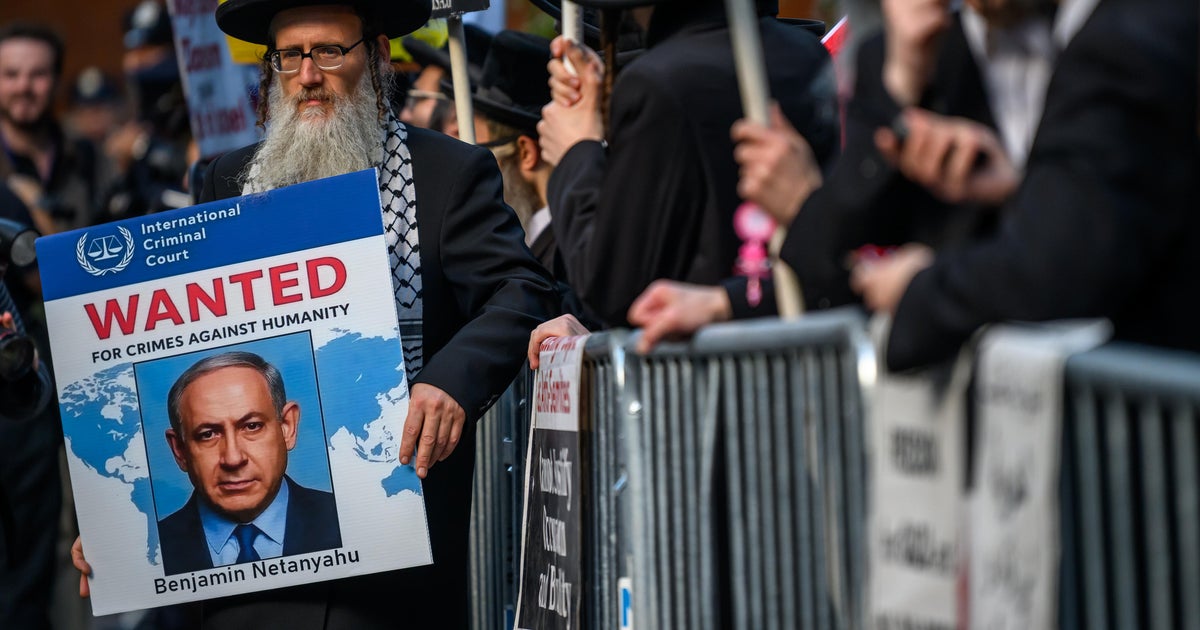
Israeli Prime Minister Benjamin Netanyahu is expected to use a Thursday appearance before the United Nations General Assembly to answer mounting international criticism of Israel and to set out his government’s case on Iran. The speech comes as Israel confronts sharper diplomatic pressure over its conduct in Gaza and in the West Bank, territory that remains under Israeli occupation. Netanyahu’s address is likely to be watched as a test of how directly he responds to a widening chorus of objections from foreign governments.
Netanyahu reached New York early Thursday and was scheduled to speak at 2 p.m. Eastern time. His trip is planned to be notably brief: he is expected to depart only hours after taking the General Assembly podium. That compressed itinerary puts the focus squarely on the address itself, rather than on an extended round of public appearances or a prolonged stay during the annual gathering of world leaders.
The prime minister arrives at a moment when Israel’s diplomatic position has become more difficult. Criticism has expanded beyond individual disagreements into a broader sense of isolation tied to Israeli actions in both Gaza and the West Bank. A General Assembly address offers Netanyahu a highly visible forum to rebut that assessment, explain Israel’s position to an international audience and emphasize the security concerns his government considers central.
Iran is expected to feature prominently in his remarks. That focus places Israel’s arguments in a regional frame, rather than limiting the speech to the immediate disputes surrounding Gaza and the West Bank. For Netanyahu, highlighting Iran can serve as a way to stress threats Israel says it faces while seeking to place current tensions within a larger debate about security in the Middle East.
Yet the preceding day’s speeches showed the depth of the challenge awaiting him. Representatives and leaders from Europe and the Middle East used portions of their Wednesday General Assembly remarks to condemn Israel forcefully. France, the United Kingdom, Jordan, Syria, Qatar and Turkey were among the countries whose time at the U.N. platform included criticism of Israel.
The range of those voices matters because it brings together governments from different regions and with differing relationships to Israel. Their comments also mean Netanyahu will speak after Israel has already been a major subject of discussion in the hall. The contrast between Israel’s defense of its policies and the denunciations voiced by other governments is likely to shape the reception of his message as much as the specific language he chooses.
The disputes concern two connected but distinct settings. Gaza has been a focus of international condemnation of Israeli conduct, while the West Bank has also figured in criticism directed at Israel. Mentioning both places is important to understanding why the diplomatic backlash has reached beyond a single crisis or one narrow policy question. The criticism described at the U.N. reflects concern over Israel’s actions across the two territories.
Netanyahu is nevertheless expected to present a differing perspective: a defense of Israel and an argument centered in part on Iran. The address will not by itself resolve the disagreements aired at the United Nations. It may, however, clarify whether the Israeli government intends to engage the criticism directly, place its greatest emphasis on regional threats, or combine both approaches before the world body.
What follows will be measured less by the duration of Netanyahu’s visit than by the response to his words. With his departure planned shortly after the speech, there will be limited time in New York for the address to be supplemented by a broader public diplomatic effort. Attention will instead turn to how governments that criticized Israel on Wednesday react, and whether his defense changes the terms of an increasingly strained international debate.
Source: CBS World
Related articles
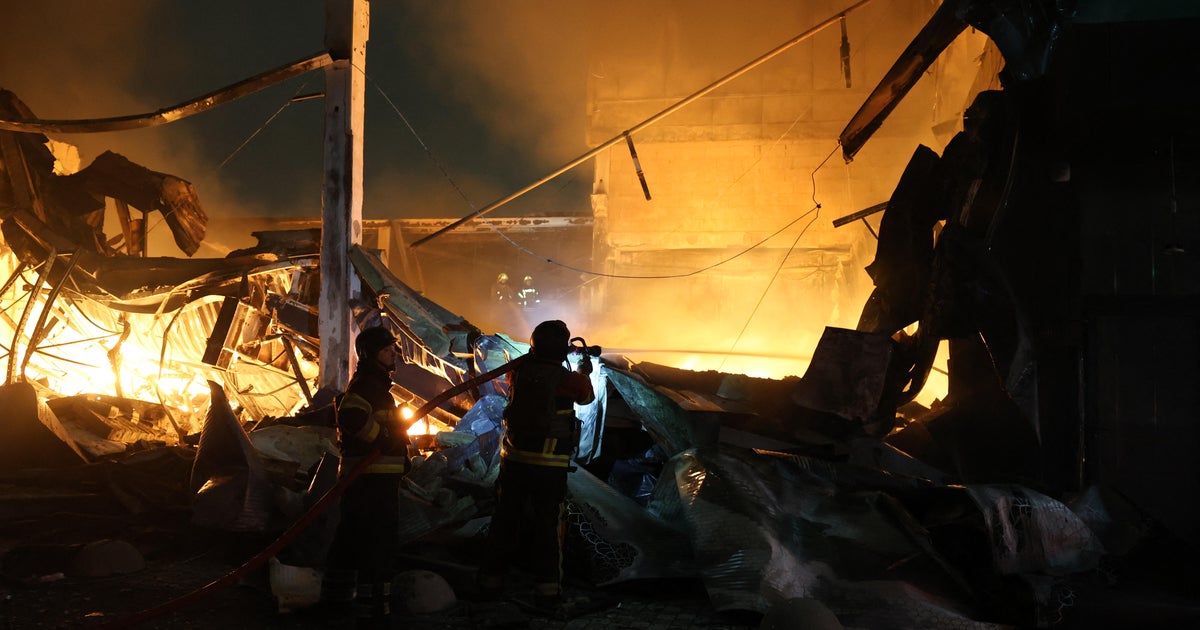
Zelenskyy accuses Russia of using cluster warheads in deadly strikes
Russia launched the strikes on Ukraine less than a day after negotiations to end the war, which also involved the United States, ended in St. Petersburg.

Create AI images with your own API key
aixipi runs on desktop/web, uses your own model API balance, and avoids subscription lock-in.
Try aixipi →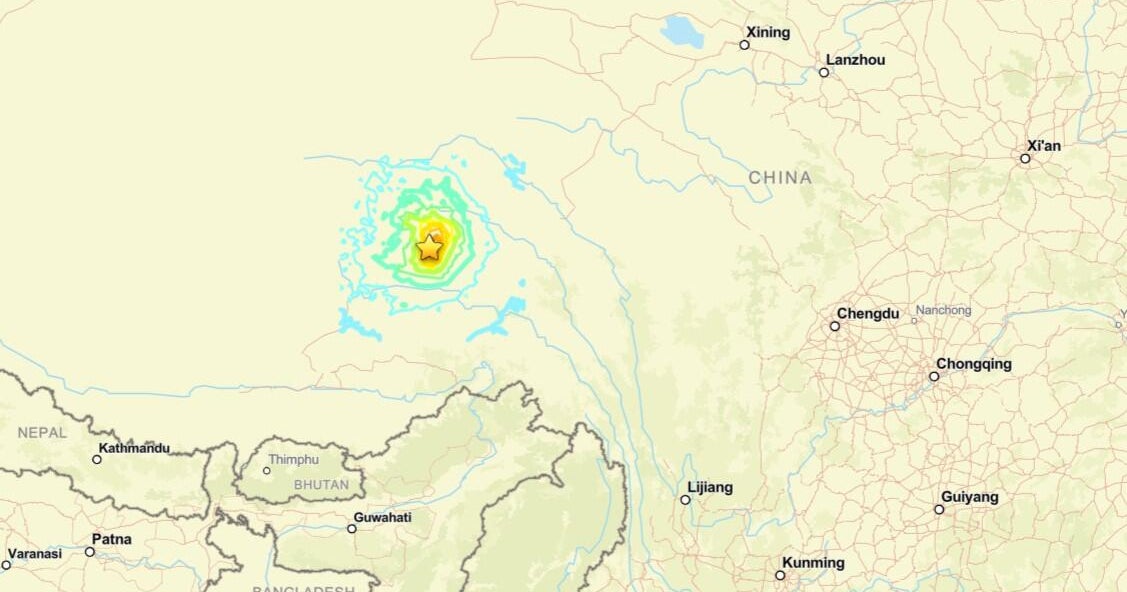
At least 16 dead when powerful 7.0 magnitude earthquake strikes Tibet
It was the biggest earthquake in the region in the last five years, China

See how Big Tech is transforming Spain's landscape
A drought-stricken region of northeast Spain has become a focus for American companies searching for locations to place their data centers.